Why Grow Cabbage?
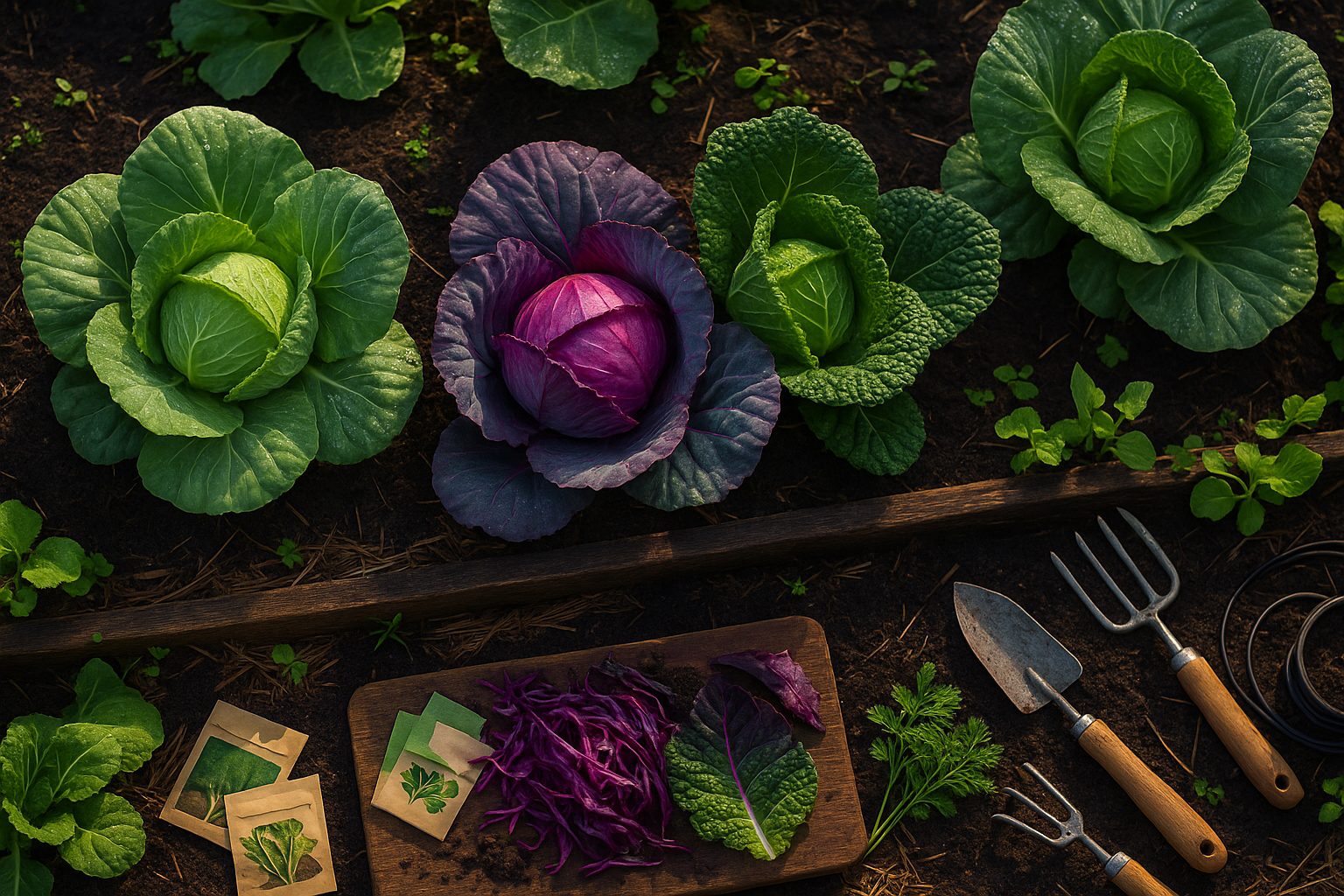
Growing cabbage with kids isn’t just a fun weekend activity—it’s a chance to spark curiosity, teach valuable lessons, and harvest real results together. Cabbage is one of the most rewarding and nutritious crops you can grow at home, making it perfect for little gardeners eager to see big changes from tiny seeds. Packed with vitamins C and K, essential minerals like potassium and fiber, and a host of antioxidants, this leafy vegetable supports healthy growth, strong bones, and boosted immunity in children and adults alike. Plus, its mild flavor and crispy crunch mean cabbage fits seamlessly into stir-fries, tacos, homemade slaws, or even colorful wraps—adding healthy variety to any meal.
By growing cabbage with kids, you’re introducing them to the power of self-sufficiency and sustainability. Home gardening reduces packaging waste, cuts down on food miles, and encourages respect for the environment—lessons that last a lifetime. Tending to cabbage plants gives kids a hands-on understanding of where food comes from and why fresh, local ingredients taste better and offer more nutrients than those sitting for days on grocery shelves. When you harvest a cabbage you’ve nurtured together, it’s noticeably fresher and crisper than anything you could buy. Your children will quickly discover the subtle sweetness of cabbage harvested just moments before dinner—and may even be more excited to eat their veggies!
Cabbage is also especially forgiving for first-time gardeners. Its resilient leaves can withstand cooler weather and occasional neglect, making it less daunting if you or your kids are new to gardening. Watching a small seedling transform into a hefty, leafy head not only builds patience and pride but creates memories—and meals—that your family will savor for years to come. So, if you’re searching for a way to blend science, sustainability, and delicious food into one engaging project, consider growing cabbage with kids for a fresh take on education right in your backyard.
Choosing the Right Type and When to Plant
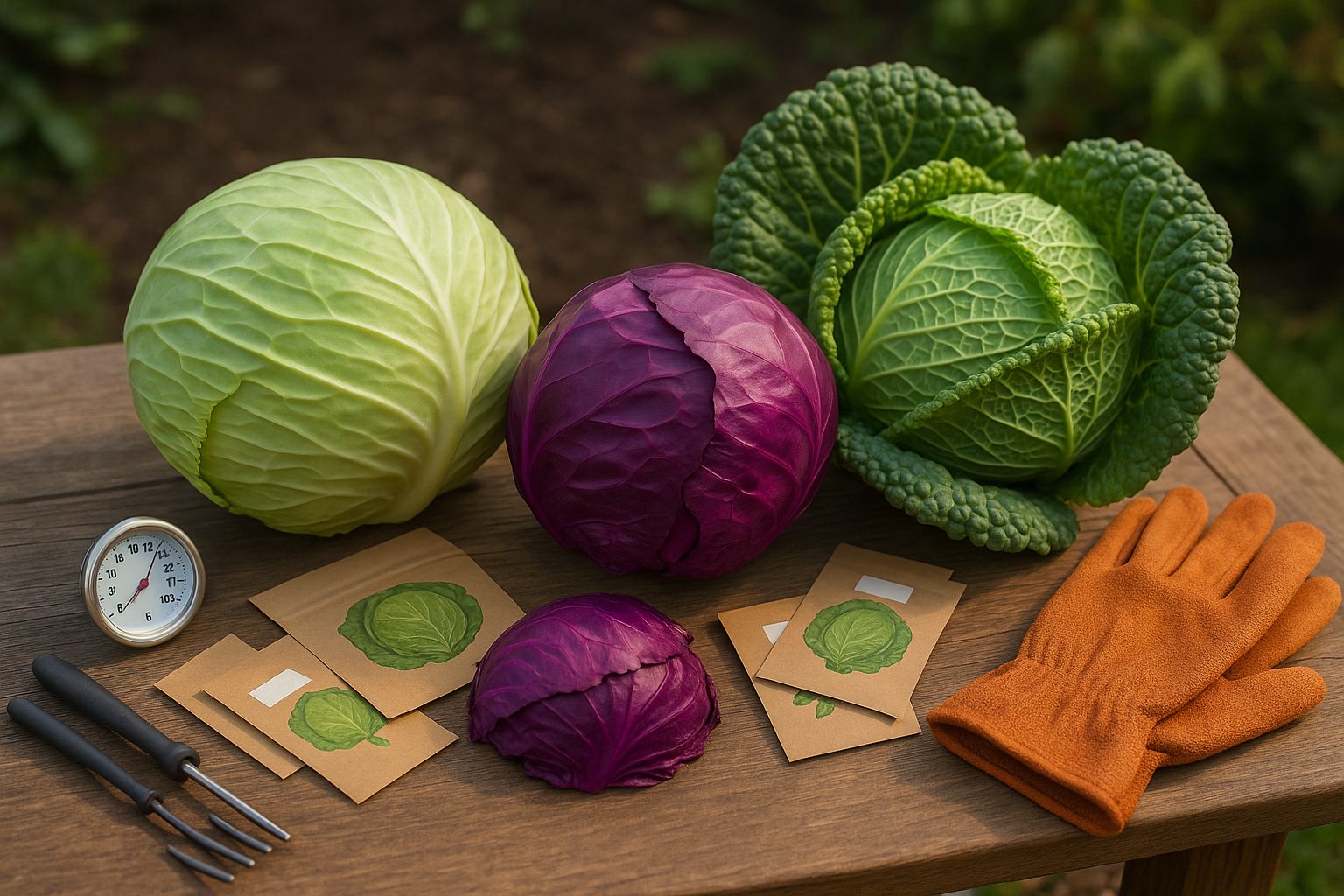
When selecting cabbage for your garden, it helps to know the key varieties and how they fit your needs. Green cabbage is the classic, with tight, round heads and a crisp texture perfect for coleslaw, stir-fries, and salads. Red cabbage offers a similar crunch but stands out with its vibrant color and slightly peppery flavor, making it popular for pickling and slaws. Savoy cabbage, recognized by its crinkled leaves, is more tender and mild—ideal for stuffed cabbage rolls or adding a gentle bite to soups. If space is limited, pointed or conehead cabbages are a smart choice; they grow upright, ripen earlier, and fit well in smaller beds or even large containers on patios.
When deciding which variety to plant, first consider your local climate. Those in cooler or temperate regions can grow nearly any cabbage, but if you live where springs warm quickly, look for heat-tolerant types or opt for compact varieties that mature fast, like early-pointed cabbages. Container gardeners should seek smaller, faster-maturing varieties such as ‘Pixie’ or mini savoys, which thrive with just six hours of sunlight and don’t need sprawling space.
Timing is key for a healthy crop, as cabbages are cool-season vegetables that do best when growing temperatures average between 50–70°F (10–21°C). In most regions, this means planting in early spring for a late-spring or early-summer harvest, or sowing in late summer for a fall or even early winter crop. If your area experiences late frosts, start seeds indoors six to eight weeks before the last expected frost date, then transplant hardened-off seedlings when outdoor soil warms slightly and the risk of hard frost passes.
Gardeners in mild-winter climates can take advantage of fall planting, as many cabbage types withstand light frosts (and some, like savoy, even taste sweeter after exposure to chilly nights). Check seed packets for days to maturity and frost tolerance to fine-tune your schedule. With a bit of planning—choosing the cabbage that fits your taste buds, space, and climate—you’ll set yourself up for robust heads and delicious results, whether you’re growing on a full plot or a sunny balcony.
Site Preparation and Planting Techniques
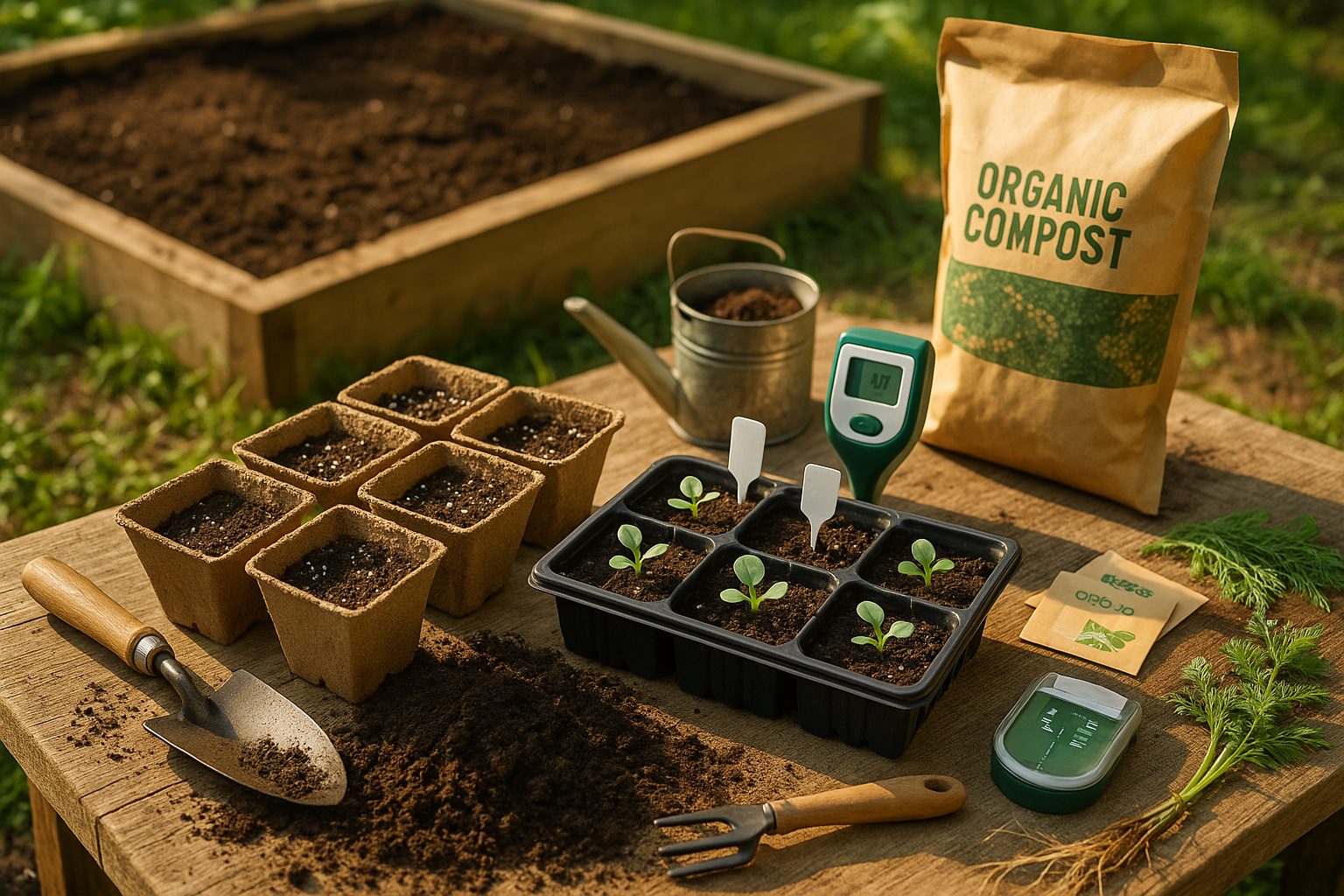
Creating the right environment before planting is crucial for strong, healthy crops. Start by testing your soil’s pH; most vegetables prefer a range between 6.0 and 7.0, while certain plants like blueberries thrive in more acidic soil. If your pH is off, amend with lime to raise it or sulfur to lower it, following product instructions.
Fertility is just as important—add compost or well-rotted manure a few weeks ahead of planting for a nutrient boost. Good drainage is essential, so if your soil tends to be heavy clay or prone to flooding, mix in sand and organic matter to improve it. Raised beds are a smart option for backyards with poor soil, offering better drainage and easier maintenance; fill them with a blend of topsoil, compost, and peat moss for an ideal mix.
For seed starting, use clean trays or peat pots with sterile seed-starting mix. Sow seeds at the depth recommended on the packet—usually two to three times the width of the seed—and keep them moist and warm until sprouts emerge. When seedlings have at least two true leaves, harden them off by gradually exposing them to outdoor conditions over a week.
Transplant with care, spacing plants according to their mature width—crowding leads to poor airflow and disease. For example, tomatoes thrive with at least 18-24 inches between plants, while lettuce can be spaced as close as 6-8 inches apart. If you’re short on space, many crops adapt well to containers—look for bush or dwarf varieties and use large pots (at least 5 gallons for tomatoes). Place containers in full sun, and water more frequently since they dry out faster than ground beds.
Companion planting is an age-old trick to deter pests and boost yields:
- Basil planted with tomatoes helps repel aphids.
- Marigolds ward off nematodes and beetles near almost any crop.
- Carrots grown alongside onions confuse carrot flies.
Take time to plan your site and pairings—a little extra effort upfront can set your garden up for success all season long.
Caring for Cabbage Throughout the Season
Caring for cabbage throughout the season means staying attentive to the plant’s daily needs while keeping an eye on potential issues before they become problems. Start with consistent watering, aiming for about 1 to 1.5 inches per week—enough to keep the soil moist but not soggy. Early morning is the best time to water, as it allows leaves to dry and helps prevent fungal diseases.
Laying down a 2- to 3-inch layer of organic mulch, like straw or chopped leaves, goes a long way in keeping moisture in, suppressing weeds, and regulating soil temperature. When it comes to fertilization, follow up the initial bed preparation with a nitrogen-rich fertilizer, applying lightly about three weeks after transplanting and again when the heads begin to form. Fish emulsion or a balanced slow-release granular fertilizer both work well—just be careful not to over-fertilize, as this can lead to leafy growth at the expense of head development.
Thinning and Pruning
Thinning and occasional pruning are also key to growing firm, healthy cabbage heads. Once seedlings are a few inches tall, thin them to the recommended spacing (usually 12-18 inches apart, depending on the variety). Crowded plants struggle for nutrients and sunlight, often resulting in loose heads or bolting. Remove any weak or spindly seedlings, and if needed, snip lower leaves as the plants get larger so air can circulate and the inner head can form tightly.
If outer leaves become yellow or diseased, prune them away promptly to redirect energy and maintain plant health.
Preventing Common Cabbage Issues
Staying proactive helps avoid common cabbage issues. Watch for holes in leaves—a telltale sign of cabbage worms or loopers. Handpick pests or use an organic control like Bacillus thuringiensis (Bt) if needed. Check the underside of leaves for aphids and rinse them off with a strong blast of water.
Yellowing or wilting may indicate root rot or nutrient deficiencies, so keep the soil well-drained and test for missing nutrients if plants look unhealthy. Fungal diseases like black rot can be minimized by watering at the base, not overhead, and rotating cabbage beds every year.
By spending just a few minutes each week inspecting your cabbages, you’ll catch most problems early—giving you a better chance at a healthy, bountiful harvest.
Pest and Disease Management
Managing pests and diseases is essential for healthy cabbage crops, and early identification can make a big difference. Common pests include cabbage worms, aphids, flea beetles, and cabbage loopers.
Cabbage worms and loopers leave ragged holes in leaves and often hide on the undersides; look for light green caterpillars and their black droppings. Aphids appear as clusters of tiny green or black bugs on fresh growth, causing leaves to curl or yellow. Flea beetles create small, round holes or “shotgun” damage and often jump away as you approach.
Natural Pest Prevention
To prevent infestations naturally, rotate your crops each year and interplant cabbage with herbs like dill or marigolds that deter harmful insects. Hand-picking caterpillars, spraying leaves with a mild soap solution, or using horticultural oils can also help keep pest populations in check. Floating row covers offer a physical barrier against insects without chemicals.
Integrated Pest Management (IPM)
If natural measures aren’t enough, integrated pest management strategies can help restore balance. Introducing beneficial insects—such as ladybugs to eat aphids or parasitic wasps for caterpillars—can be very effective. For soil-borne pests, solarizing the soil before planting by covering it with clear plastic during hot months can reduce larvae or eggs.
Cabbages are also susceptible to several diseases, including black rot, clubroot, and downy mildew.
Common Cabbage Diseases
- Black Rot: Shows as yellow V-shaped lesions spreading from leaf edges, often with dark veins; it thrives in warm, wet weather.
- Clubroot: Caused by a soil-borne fungus, it makes roots swollen and distorted, leading to wilting, especially in acidic soils.
- Downy Mildew: Appears as yellow or brown patches on upper leaf surfaces with fuzzy white or gray growth underneath, especially during cool, damp periods.
Disease Prevention Tips
To limit disease, always start with certified disease-free seeds and practice crop rotation by avoiding planting brassicas in the same spot more than once every three years. Water early in the day to allow foliage to dry and space plants well to boost airflow. Remove and destroy infected plants promptly—do not compost them, as pathogens may survive. Regularly clean tools and garden beds to minimize disease spread.
By combining vigilant monitoring, prevention-focused practices, and natural remedies, gardeners can sustain healthy cabbages with minimal reliance on chemicals.
Harvesting, Storage, and Using Cabbage
Knowing when and how to harvest cabbage is key to enjoying its crisp texture and rich flavor. The best time to harvest is when the heads feel firm and dense to the touch—usually about 70 to 100 days after planting from seed, depending on the variety. If you squeeze the cabbage and it feels soft or loose, give it more time. However, harvest before it cracks or splits, which can happen if the heads take up too much water after they’re mature.
Use a sharp knife to cut the head off at the base, leaving the loose outer leaves and roots in the ground if you want a smaller second crop of “baby” cabbages later in the season. Try harvesting in the early morning when heads are cool and hydrated for the best quality.
Proper Storage
Proper storage is essential for keeping cabbage fresh longer, whether you plan to use it right away or over several weeks. For short-term storage, simply remove any damaged or dirty leaves, then place the heads in the vegetable crisper of your refrigerator. They’ll stay fresh for up to two weeks if stored whole and unwashed.
For longer-term storage, like over the winter, cabbage can be kept in a root cellar or similarly cool (just above freezing), humid space—wrap heads loosely in newspaper or paper towels to prevent drying out and check regularly for spoilage.
Another great way to preserve cabbage is fermentation; making your own sauerkraut or kimchi not only extends shelf life but adds gut-friendly probiotics to your diet.
Using Cabbage in the Kitchen
Using cabbage in the kitchen is easy and nutritious, offering crunch, color, and a burst of vitamins C and K. For simple salads, shred raw cabbage and mix it with carrots and a light vinaigrette for a zesty slaw. If you want a cozy side, try roasting cabbage wedges with olive oil and your favorite herbs; the heat caramelizes natural sugars, giving it a subtle sweetness.
Steamed or stir-fried cabbage is a fast way to preserve nutrients while keeping the texture crisp-tender. For a hearty twist, use cabbage leaves as wraps in place of tortillas or bread for sandwiches—just blanch them quickly to make them pliable.
No matter how you prepare it, cabbage is a low-calorie powerhouse that pairs well with bold flavors and delivers major health perks in every bite.
Growing Cabbage Successfully: Key Takeaways
To grow cabbage successfully, start by selecting a sunny spot with well-draining, fertile soil enriched with compost. Cabbage thrives on consistent moisture, so regular watering is key, especially during dry spells.
Sow seeds indoors 6-8 weeks before your last expected frost, then transplant sturdy seedlings outdoors once the soil warms up. Keep an eye out for common pests like cabbage worms and aphids—cover plants with row covers or handpick invaders to protect your crop.
Spacing is important: give each cabbage enough room, about 12-18 inches apart, to ensure healthy heads. Mulching around plants helps retain soil moisture and controls weeds, further supporting growth.
Harvest when heads feel firm—it’s better to pick them a little early than risk splitting. Don’t be afraid to experiment with different varieties and timing, as every garden is unique. A bit of trial and error will help you learn what works best in your area.
Most importantly, have fun and celebrate small victories; even beginners can grow beautiful cabbage with a bit of planning and patience. For more tips and in-depth guidance, explore resources like university extension websites or gardening books such as The Vegetable Gardener’s Bible by Edward C. Smith to enhance your skills further.