Introduction
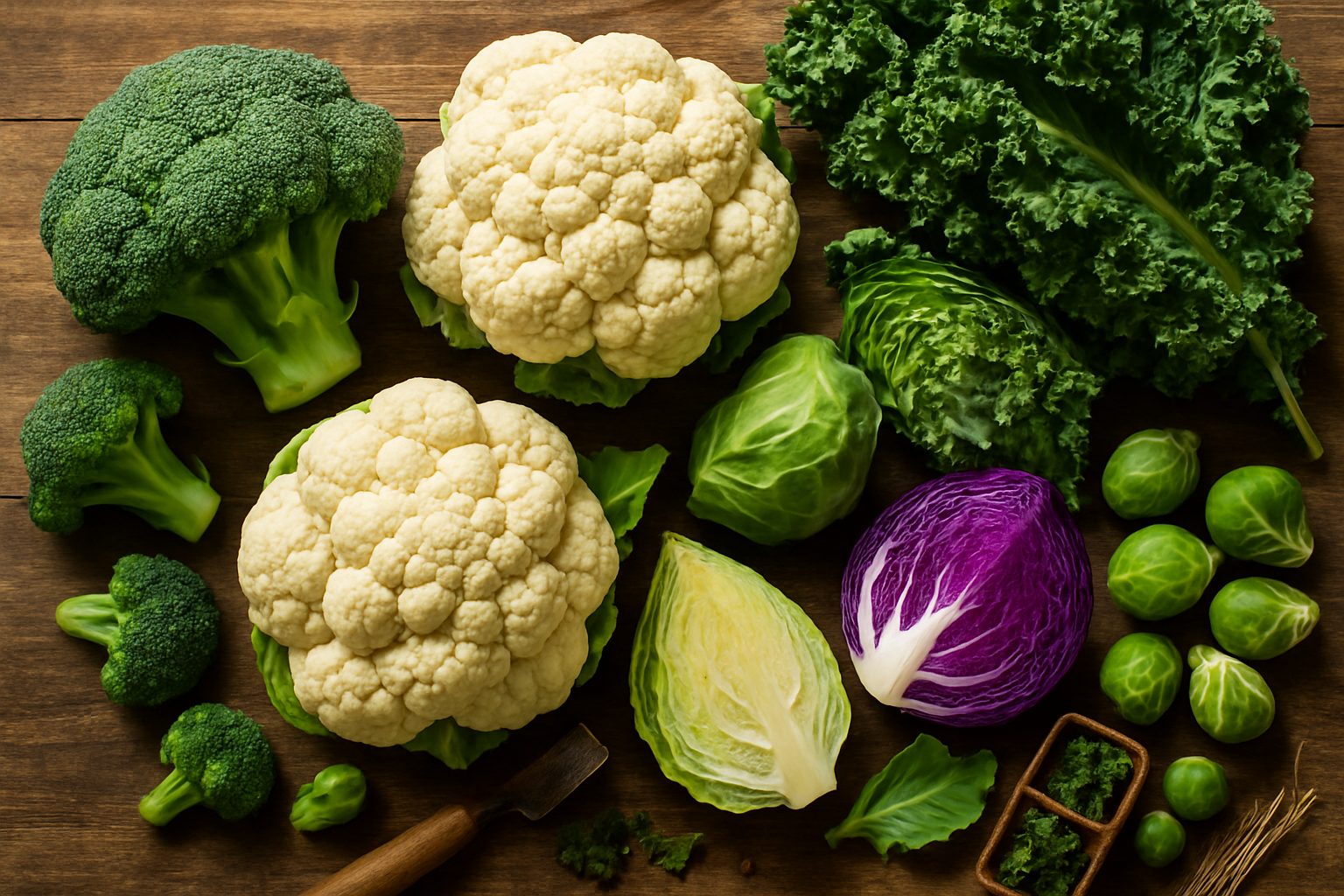
When planning how to maximize your vegetable garden, you might wonder how cabbage and brassicas like kale and broccoli fit together. Companion planting is a time-tested gardening strategy, especially popular with these leafy greens. Many gardeners choose to grow cabbage, kale, and broccoli side by side because they thrive in similar conditions, require comparable care, and help save valuable garden space.
But are these veggies truly compatible when planted close together, or can problems arise? In this post, we’ll explore the pros and cons of growing cabbage and brassicas together, share real-world tips from experienced gardeners, and answer key questions about how to achieve a healthy, bountiful harvest. Whether you have a compact raised bed or a larger plot, knowing the best practices for nurturing these plants can make all the difference.
Let’s dive in to discover how your garden can benefit from this delicious trio—and the common pitfalls to watch out for along the way.
Understanding Brassicas: What Brings Cabbage, Kale, and Broccoli Together?
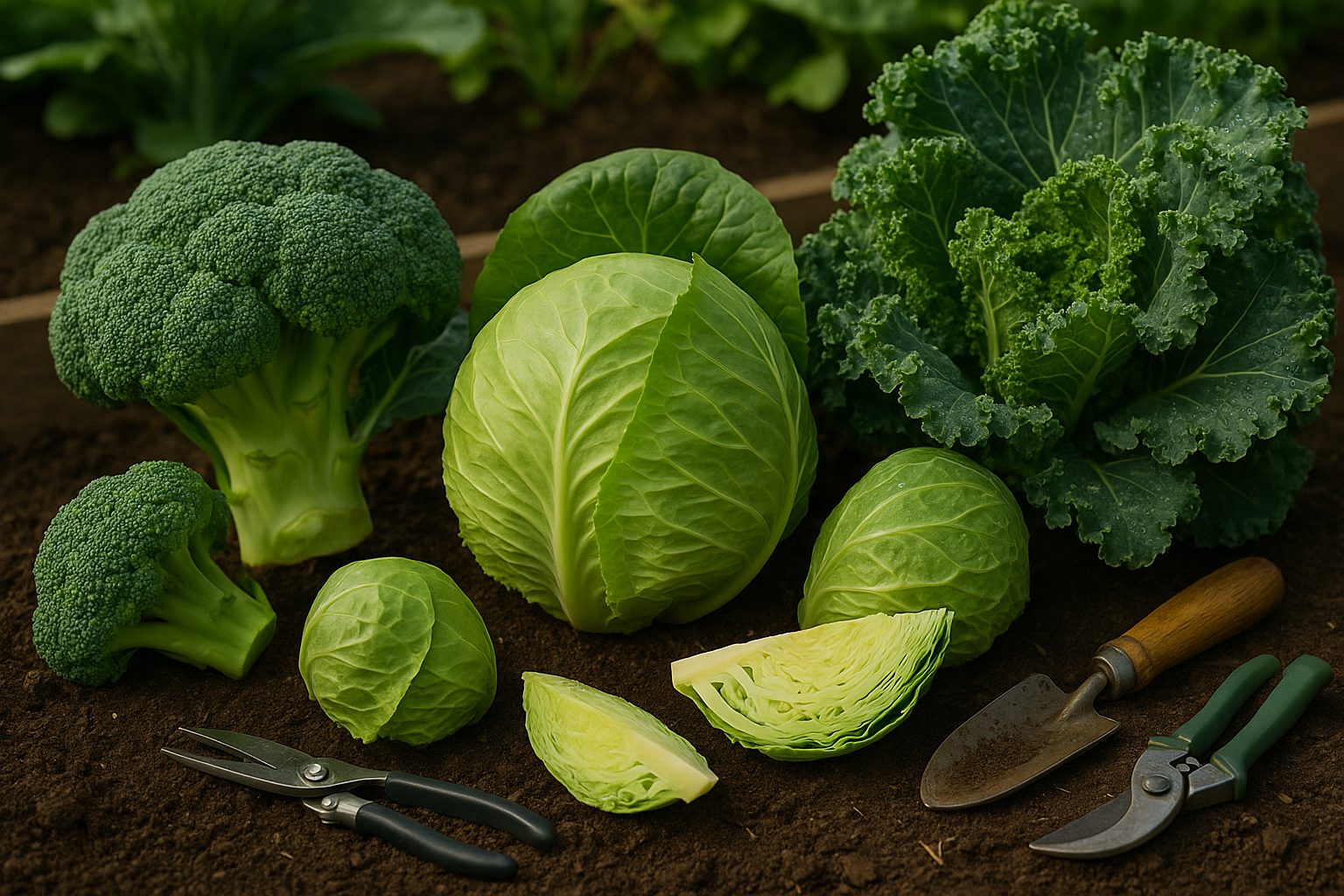
Cabbage, kale, and broccoli all belong to the Brassica family—a diverse group of vegetables also known as cruciferous or cole crops. This family shares several defining features: thick, broad leaves; solid heads or rosettes; a preference for cool-season growing; and, notably, a strong, slightly peppery flavor in many varieties.
Cabbage forms tight, leafy heads, kale grows as clusters of open, deeply ruffled leaves, and broccoli develops thick stalks topped with clusters of green flower buds. Despite these visual differences, these vegetables share many similar growing habits. They thrive in full sunlight with rich, well-draining soil and benefit from consistent moisture throughout the season.
The nutrient needs of cabbage and brassicas are alike—they are heavy feeders, especially requiring nitrogen. Regular applications of compost or balanced fertilizers support their lush green growth.
However, this close relationship also brings challenges, especially related to pests and diseases. Brassicas are particularly vulnerable to cabbage loopers, aphids, flea beetles, and fungal diseases like clubroot and downy mildew. Because they share similar growth habits and vulnerabilities, planting cabbage and other brassicas together can be a double-edged sword. While they can grow well side by side due to matched care requirements and synchronized harvest times, their shared susceptibility to pests and diseases can lead to worsened infestations.
Understanding these common traits helps gardeners make smarter decisions about crop placement and rotation, leading to healthier, more productive beds.
Benefits of Growing Cabbage with Kale or Broccoli
Growing cabbage with other brassicas like kale or broccoli offers several practical benefits for gardeners looking to maximize their vegetable patch. These crops share similar growing requirements, including a preference for cool weather, rich soil, and consistent moisture. Planting them together allows you to streamline care routines—watering, feeding, and pest monitoring can all be done at the same time, saving you effort and reducing the chance of neglecting any one crop.
By interplanting cabbage and brassicas, you also make better use of limited garden space. Kale’s upright growth and broccoli’s tall stems can coexist with cabbage without crowding, ensuring each plant receives plenty of sunlight and airflow. Additionally, some gardeners find that mixing brassica varieties helps deter pests, since cabbageworms and aphids may be confused by the different scents and appearances. This can help reduce pest infestations, though careful vigilance remains important.
When it comes to crop rotation, grouping cabbage, kale, and broccoli together simplifies planning for future seasons. Since they all belong to the brassica family, rotating them collectively with other crop families helps prevent the buildup of brassica-specific soil diseases and pests and keeps soil nutrients balanced. For gardeners managing small spaces or seeking simpler planting strategies, these overlapping benefits make growing cabbage with kale or broccoli a smart and efficient choice.
Common Challenges: Pests, Diseases, and Competition
Growing cabbage and brassicas like kale and broccoli together might seem efficient, but grouping these closely related crops often brings shared challenges. One major concern is the prevalence of common pests such as cabbage worms, aphids, flea beetles, and cabbage loopers, which can easily move from one plant to another. Diseases—particularly fungal and bacterial ones like clubroot and black rot—also spread more quickly when brassicas are clustered in the same area. These issues can escalate fast, harming plant health and reducing yields.
Beyond pests and diseases, cabbage, kale, and broccoli have similar needs for nutrients, sunlight, and water. When planted too closely or competing for resources, they may grow slowly or become stunted. For example, crowded soil can restrict root growth, leading to nutrient deficiencies and uneven watering.
To combat these challenges, start with proper spacing—give each plant enough room based on its mature size, usually 18 to 24 inches apart. Try mixing in non-brassica companions such as onions, herbs, or marigolds to confuse pests and break disease cycles. Crop rotation is also essential; avoid planting brassicas in the same spot year after year to prevent pest and disease buildup.
Mulch generously to retain moisture and suppress weeds, and handpick pests whenever possible before infestations take hold. If you spot signs of disease or heavy pest activity early, remove affected leaves or plants promptly to protect the rest of your garden. With proactive care and mindful planting, you can enjoy healthy harvests even when growing a bed full of delicious cabbage and brassicas.
Best Practices for Growing Cabbage and Brassicas
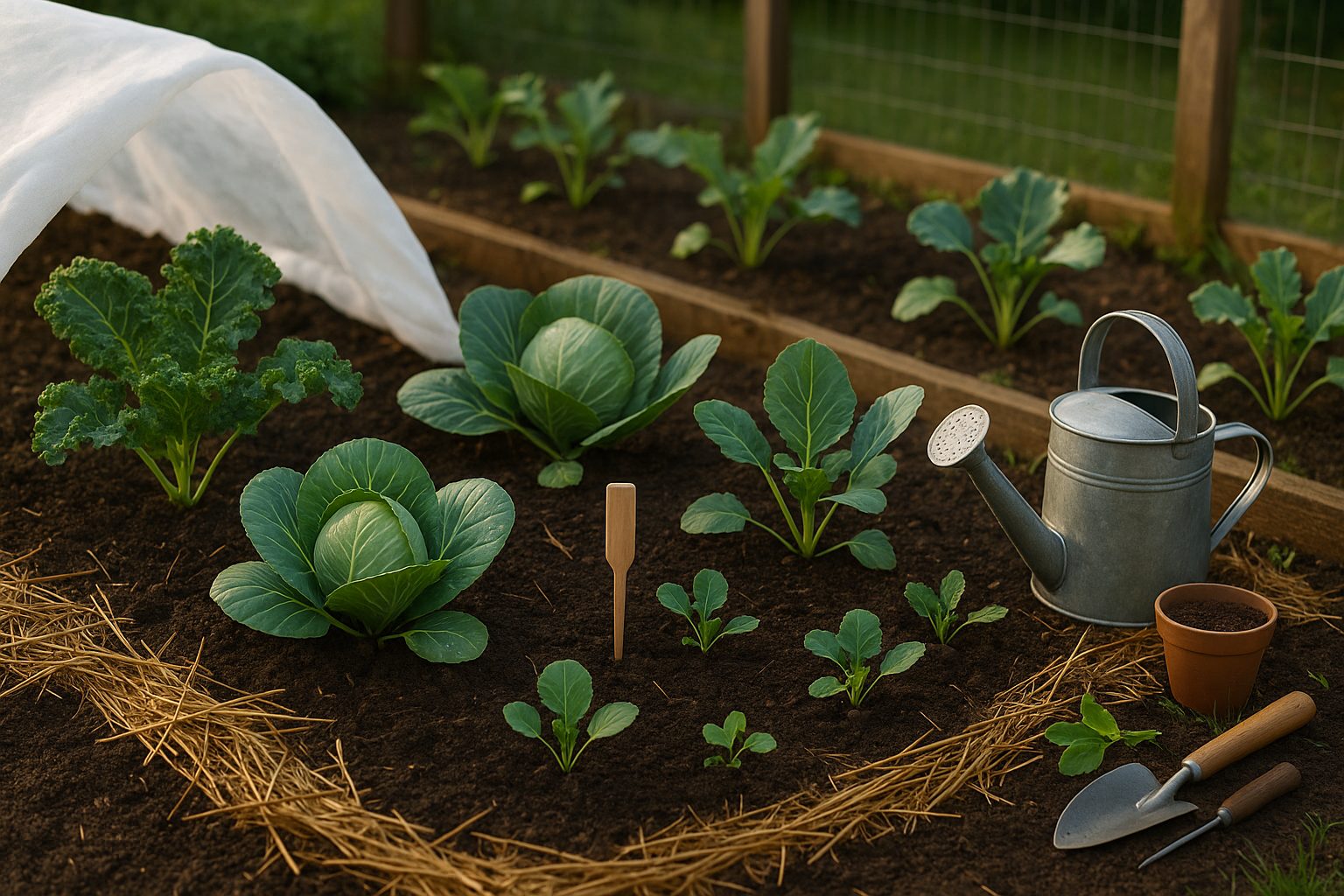
When growing cabbage alongside kale or broccoli, it’s important to understand how their shared needs as cabbage and brassicas can work to your advantage—with a bit of careful planning. To promote healthy growth, start with your garden layout: these brassicas require ample sunlight and thrive in nutrient-rich, well-drained soil. Choose a spot that receives at least six hours of direct sun daily, and prepare the beds by mixing in plenty of compost or well-rotted manure a few weeks before planting, since this family of vegetables is a heavy feeder.
Spacing is key when planting mixed brassicas, as their large leaves need good airflow to prevent fungal diseases. Space cabbage heads about 18 to 24 inches apart, and ensure kale and broccoli are at least 18 inches from their neighbors. Good airflow also helps keep pests like aphids in check. Plant seedlings in staggered rows rather than straight lines, interplanting varieties with different maturity dates so the garden looks full without overcrowding any one crop. To reduce competition and encourage even growth, mulch heavily with straw or shredded leaves—this conserves moisture and suppresses weeds.
Since cabbage and brassicas prefer cool weather, spring and fall sowing works best. For a continuous harvest, sow kale in early spring, follow with broccoli a couple of weeks later, and finish by transplanting cabbage. This staggered approach prevents all plants from maturing simultaneously and maximizes space as early crops are harvested, making room for later ones to grow.
To enhance natural pest control, include companion plants in your brassica beds—marigolds and nasturtiums deter aphids and cabbage moths, while herbs like dill and sage repel pests and attract pollinators. Interplanting onions and garlic is another effective strategy since their strong scents discourage many common brassica pests. By combining smart spacing, staggered planting, and beneficial companion plants, you’ll create a vibrant, resilient garden where cabbage and its brassica cousins truly thrive together.
Crop Rotation and Succession Planting with Brassicas
Practicing crop rotation is especially important when growing cabbage and other brassicas like kale and broccoli together. These plants belong to the same family, and repeatedly planting them in the same spot year after year increases the risk of soil-borne diseases such as clubroot and black rot, as well as pest build-up from cabbage worms and aphids. Rotating your crops breaks these cycles by depriving pests and pathogens of their favorite hosts and helps preserve essential soil nutrients that heavy-feeding brassicas tend to deplete.
A simple rotation plan might involve dividing your garden into four sections and moving brassicas to a new area each year, avoiding planting them in the same bed for at least three seasons. Succession planting is another powerful tool: after harvesting early-season cabbage or broccoli, quickly replant that space with fast-growing crops like lettuce, spinach, or radishes to keep the soil covered and your garden productive.
Even better, follow brassicas with legumes such as beans or peas, which help replenish nitrogen in the soil and give your next brassica crop a natural nutrient boost. Avoid planting other heavy feeders or members of the same plant family, like turnips or Brussels sprouts, immediately after brassicas, as this can stress soil health and allow pests to persist.
By thoughtfully rotating crops and choosing smart succession planting options, you’ll give your garden’s soil time to recover and ensure healthier, more bountiful harvests year after year.
Summary and Final Tips
Growing cabbage and brassicas like kale or broccoli can be successful with careful planning. These vegetables all belong to the same family, so they share similar soil and nutrient requirements. However, since they compete for the same resources and attract similar pests, it’s important to space them generously and rotate your crops each year to prevent the build-up of diseases like clubroot or pests such as cabbage worms.
Stick to a consistent watering schedule, use a balanced fertilizer, and keep the soil rich with organic matter. Planting a variety of brassicas together is a smart idea if you’re limited on space, but avoid overcrowding your bed, as this can stunt growth and increase the risk of disease.
Use row covers early in the season to keep pests away and regularly inspect your plants for early signs of damage or infestation. Avoid planting cabbage, kale, and broccoli in the same spot year after year, and pay attention to soil health—test and amend it as needed.
Remember, gardening is as much about observation as it is about technique. Take notes on what works best for your unique environment, and don’t hesitate to try different mixes or arrangements. You might discover combinations that thrive together in your garden.