Introduction
If you’re wondering when to plant broccoli in your garden, you’re not alone—this versatile, nutrient-packed vegetable is a favorite among home gardeners for good reason. Broccoli is loaded with vitamins C and K, fiber, and antioxidants, making it a healthy addition to any meal and a staple in many kitchens.
But growing great broccoli at home isn’t just about dropping seeds in the ground and hoping for the best. Timing is everything, and knowing when to plant broccoli can make all the difference between a bountiful harvest and disappointing results. Whether you love it roasted, steamed, or tossed in a salad, learning to grow your own broccoli can elevate your meals and provide endless satisfaction.
In this guide, we’ll walk you through the best planting times for broccoli by gardening zone—no experience required. You’ll get practical tips, clear steps, and plenty of encouragement, whether you’re starting with a few pots on a balcony or diving into raised beds in your backyard. Ready to turn your green thumb into a broccoli-growing machine? Let’s dig in and see how easy it can be!
Choosing the Right Broccoli Varieties
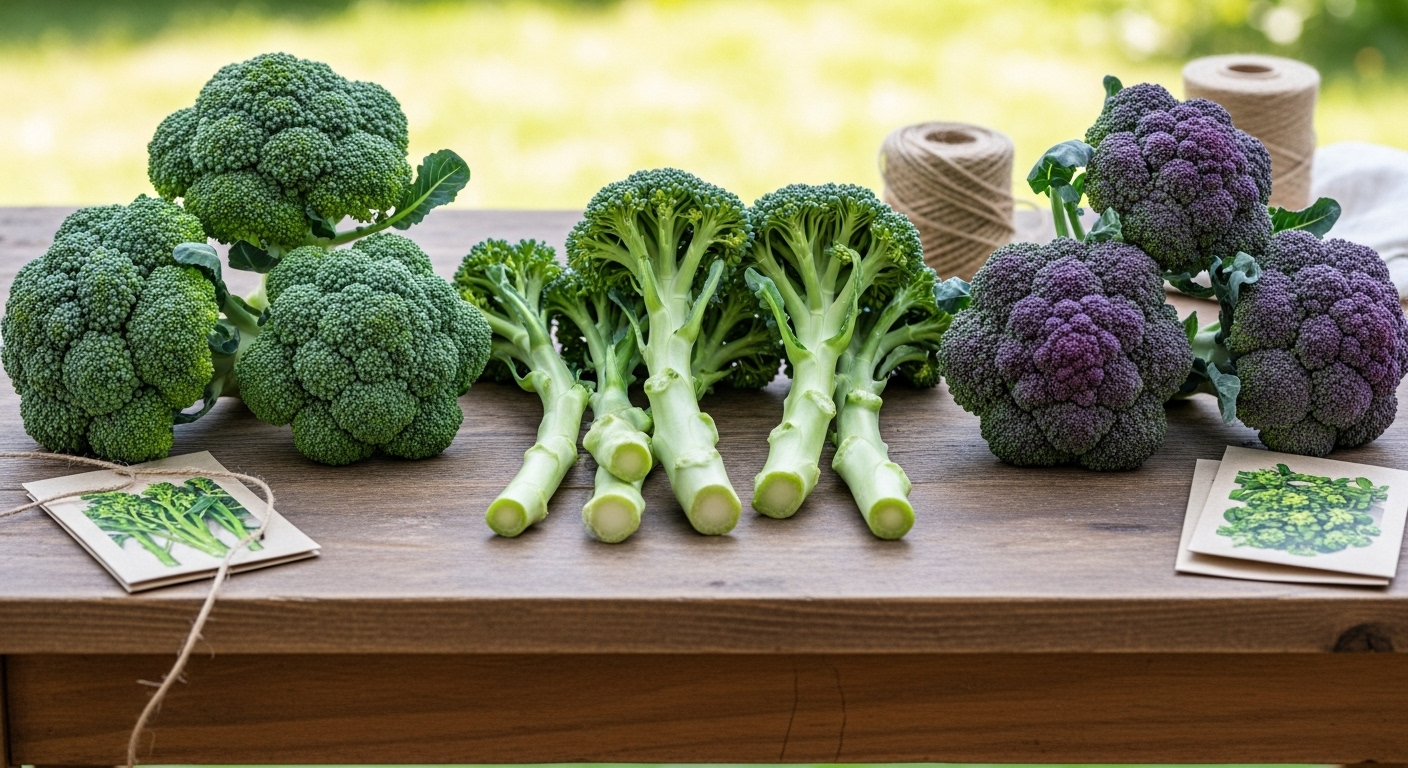
When it comes to growing broccoli at home, picking the right variety can make all the difference in flavor, yield, and overall success. The three primary types are calabrese, sprouting, and purple broccoli.
Calabrese is the classic, green-headed broccoli you’ll find in most grocery stores—it’s quick to mature (usually 60-90 days), thrives in cooler climates, and is known for large, dense heads. Popular home garden options include ‘Green Magic,’ which handles warmer temperatures well, and ‘Packman,’ which produces uniform, early heads.
Sprouting broccoli, on the other hand, doesn’t form a central head but produces multiple smaller florets over a longer harvest period. It’s a great pick for those who want a steady supply of tender shoots and is especially valuable in milder maritime climates where winters are wet but frost is light; ‘Purple Sprouting’ and ‘White Sprouting’ are classic choices here.
Then there’s purple broccoli, which adds a dash of color to your garden and plate with its vibrant hue and sweet flavor. Varieties like ‘Purple Peacock’ or ‘Red Arrow’ are not only eye-catching but also packed with nutrients.
When choosing, think about your region:
- Cooler areas suit calabrese and sprouting types.
- Slightly warmer spots can grow heat-tolerant hybrids.
If you’re short on time or gardening in a smaller space, early-maturing calabrese types may be ideal. For extended harvests and unique flavors, mix in some sprouting or purple varieties. Always check the seed packet for days to maturity—this helps match the plant’s growing needs with your local season length.
For reliable results, stick to tried-and-true varieties recommended by local extension offices or fellow gardeners. With a little planning, you can fill your table with fresh, homegrown broccoli almost year-round.
Preparing and Planting Broccoli
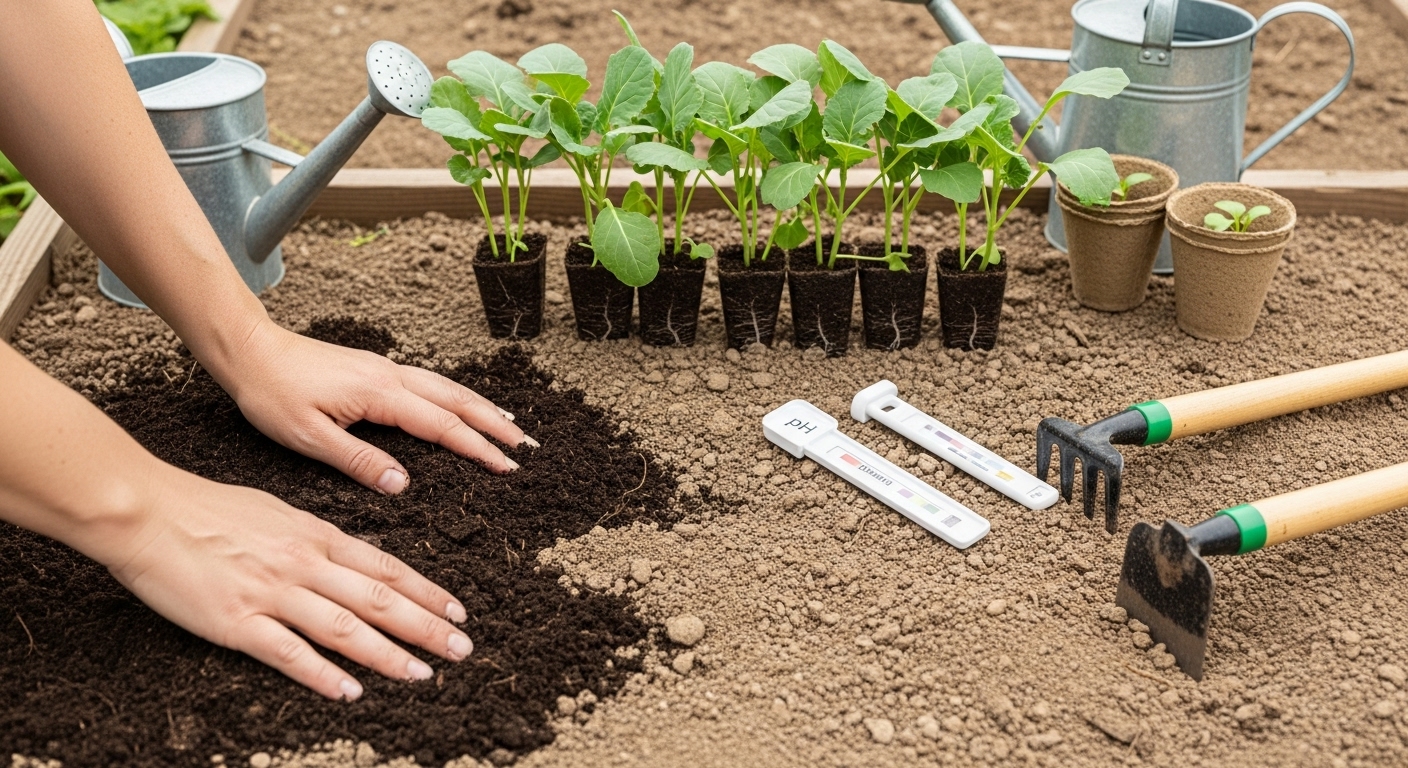
Choosing the right location is key to growing strong, healthy broccoli. Pick a sunny spot in your garden that gets at least 6 hours of direct sunlight daily and offers good airflow—broccoli doesn’t thrive in shade or cramped spaces. The soil should be fertile, loose, and well-draining with a slightly acidic to neutral pH between 6.0 and 7.0.
If you’re unsure about your soil’s pH, inexpensive test kits are easy to use and can help you adjust it with lime (to raise pH) or sulfur (to lower pH) as needed. Begin soil preparation a couple of weeks before planting by mixing in 2 to 4 inches of organic matter like compost or well-rotted manure. This not only improves drainage but also adds valuable nutrients.
Work the soil to a depth of at least 12–15 inches to promote strong root development, and remove any rocks or debris.
For planting, you have two main options:
- Start seeds directly outdoors about two to three weeks before your last expected frost
- Use seedlings that you’ve grown indoors or purchased from a garden center
If you’re transplanting seedlings, do so when they have at least two sets of true leaves, and space each plant 18 to 24 inches apart to prevent crowding.
In smaller gardens or patios, broccoli does surprisingly well in containers at least 12 inches deep and wide—just remember to use potting mix enriched with compost and monitor watering, as pots can dry out faster than garden beds.
By following these steps, whether in the ground or in a container, you’ll give your broccoli the best start for a tasty harvest.
Caring for Your Broccoli Plants
Proper care is essential for growing robust, flavorful broccoli heads. Broccoli plants thrive on consistent moisture—aim to keep the soil evenly damp but never soggy, providing about 1-1.5 inches of water per week. It’s best to water in the morning to help prevent disease.
Adding mulch, such as straw or shredded leaves, helps retain moisture, keeps roots cool, and suppresses weeds.
Fertilize broccoli at planting time with a balanced, slow-release vegetable fertilizer, then side-dress with compost or fertilizer again once the heads start forming.
Pruning isn’t usually necessary, but removing yellowed leaves and damaged stems improves airflow and keeps pests at bay.
If you notice heads getting too heavy or plants leaning, gently stake the main stem to avoid breakage, especially in windy gardens.
Regularly check for pests like cabbage worms—handpick them or use row covers if needed.
General maintenance includes removing weeds and spacing plants to encourage healthy growth.
For ongoing productivity, practice crop rotation: avoid planting broccoli or other brassicas (like cabbage and kale) in the same spot for at least three years. Crop rotation reduces pest and disease pressure and helps maintain soil nutrients.
Consider following broccoli with beans or peas, as these “fix” nitrogen in the soil, boosting fertility for the next planting.
By focusing on steady moisture, proper feeding, minimal but smart pruning, and strategic rotation, your broccoli plants will reward you with plump, healthy heads and ongoing garden success.
Managing Common Broccoli Problems
Growing broccoli can be rewarding, but it’s not without challenges—pests and diseases often pop up just when your plants are thriving. Watch for cabbage worms (the little green caterpillars that chew irregular holes in leaves) and aphids (tiny clusters of green or gray bugs along stems).
Regularly inspect your plants and remove worms by hand, or spray them with a diluted solution of neem oil or Bacillus thuringiensis (Bt), both of which are organic and safe for edible crops. Floating row covers are a preventive favorite, shielding broccoli from moths and aphids without chemicals.
Diseases like downy mildew and clubroot can cause yellowing or stunted growth. Prevent these by rotating crops each season, ensuring well-draining soil, and watering at the base to keep foliage dry. For mild fungal outbreaks, apply a baking soda spray (one teaspoon per quart of water) every few days.
If you notice wilting, yellow leaves, or heads that don’t form well, look first at water and nutrition: broccoli needs consistent moisture and appreciates a mid-season boost of compost or organic fertilizer. Sudden wilting may signal root rot from overwatering, or even a pest like root maggot—check roots and remove affected plants.
For yellow leaves, check for nutrient deficiencies or flea beetle damage. Poor head formation typically results from heat stress or planting too late in spring. Mulch well to keep roots cool and aim to plant early so heads mature before hot weather hits.
By being proactive and observant, you can nip most broccoli problems in the bud and enjoy a healthy, bountiful harvest.
Harvesting and Enjoying Broccoli
Knowing when to harvest broccoli is key to getting the best flavor and texture from your homegrown crop. Head out to your garden early in the morning and look for tight, firm heads—before individual florets begin to open or turn yellow. Generally, this happens when the main head is 4–7 inches across.
To harvest, use a clean, sharp knife to cut the main stem about 5 inches below the head. This often encourages side shoots to grow, giving you additional mini-harvests.
Once picked, cool your broccoli quickly by placing it in cold water for a few minutes, then pat dry. For short-term storage, wrap the broccoli loosely in a damp paper towel and place it in a perforated bag in your refrigerator’s crisper drawer; it will stay fresh for up to five days.
If you have a big harvest, blanch the florets in boiling water for two to three minutes, chill them in ice water, drain, and freeze in airtight bags for up to a year. This is perfect for tossing into stir-fries or soups throughout the seasons.
When it comes to enjoying your broccoli, keep things simple to showcase that garden-fresh taste. Try:
- Roasting florets with a drizzle of olive oil and a sprinkle of sea salt
- Tossing raw pieces into salads for a crunchy bite
- Lightly steaming and topping with lemon zest for a nutrient-rich side
You can even whirl blanched broccoli into a healthy pesto or add it to smoothies for an easy veggie boost.
Freshly picked broccoli not only tastes sweeter but is packed with vitamins, making every meal a little brighter and better for you.
Frequently Asked Questions About Growing Broccoli
Many gardeners wonder if you can eat broccoli flowers—good news, you can! When broccoli bolts and produces small yellow flowers, they’re not dangerous or toxic. While the flavor becomes a bit stronger and more bitter, those flowers are completely edible and can even add a pop of color to salads or stir-fries.
Another common question is how long broccoli takes to grow; from transplanting seedlings, expect heads in around 60-100 days, depending on your specific variety and growing conditions. Be patient and keep an eye on your plants for that perfect tight, green crown.
Worried about limited space? Broccoli actually does well in containers, as long as you pick pots that are at least 12-16 inches deep and wide—make sure the soil stays moist but not soggy.
Finally, don’t stress if your broccoli heads look small at first. Sometimes, hot weather, not enough water, or nutrient deficiencies can cause tiny heads, but side shoots often keep producing even after the main head is harvested.
With these simple facts in mind, you’ll be well on your way to enjoying homegrown broccoli, whether in the garden or on the patio!
Conclusion
Growing your own broccoli is easier than you might think, and it comes with plenty of rewards. With a bit of planning, quality soil, and regular watering, you can enjoy crisp, nutritious broccoli straight from your garden.
Not only will you save money, but you’ll also get a fun, hands-on experience and the satisfaction of harvesting food you grew yourself. Don’t worry if you’re new to gardening—start small, learn as you go, and celebrate every success.
Give it a try, and soon you’ll discover the unbeatable taste and pride that come from homegrown broccoli!