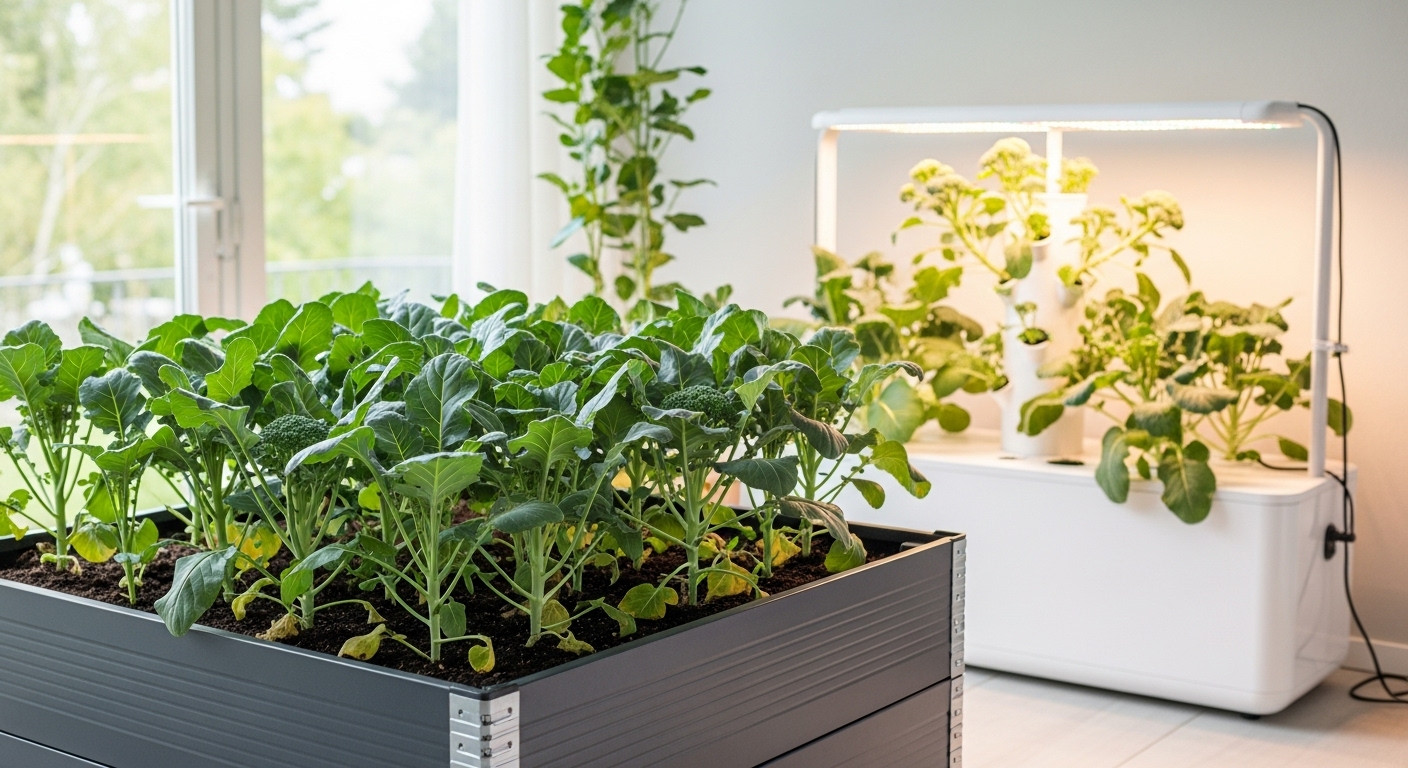
Why Grow Broccoli in Raised Beds and Hydroponically?
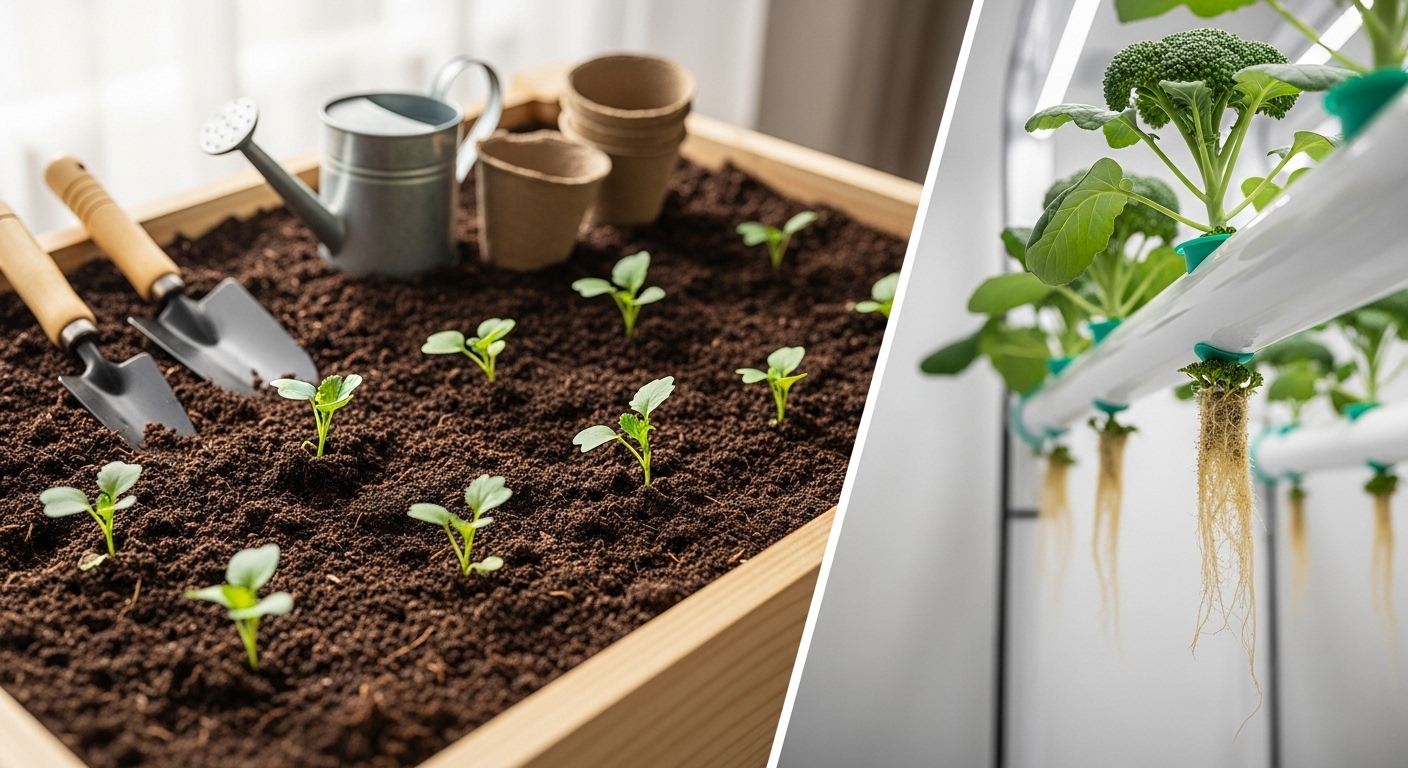
Thinking about starting a vertical broccoli garden? You’re not alone—growing your own broccoli at home is becoming increasingly popular, especially with innovative methods like raised beds and hydroponic systems. Broccoli is packed with nutrients, including vitamin C, vitamin K, fiber, and antioxidants, making it a staple for health-conscious eaters and families aiming to boost their meals with superfoods.
But why choose to grow broccoli in raised beds or hydroponically rather than the traditional garden patch?
For starters, raised beds and hydroponic setups are game-changers for those with limited space. Raised beds let you create optimal growing conditions by improving soil quality and drainage, while keeping weeds and certain pests at bay. Hydroponics, on the other hand, skips soil entirely, allowing broccoli to grow vertically with even greater space efficiency and often faster yields.
Both methods often lead to healthier plants and bigger harvests, making them ideal for anyone short on garden space or seeking consistent, fresh broccoli. Plus, managing pests and diseases is easier in these controlled environments, so you spend less time troubleshooting and more time enjoying your harvest.
Whether you have a tiny urban balcony or a backyard plot, a vertical broccoli garden opens the door to fresh, homegrown produce all season long.
Choosing the Right Method: Raised Beds vs. Hydroponics
When deciding between raised beds and hydroponics, consider your available space, climate, and how much time you want to invest. Raised beds are great for gardeners with access to outdoor space and healthy soil. They offer a traditional, hands-on experience that supports diverse crops and beneficial insects. Raised beds also adapt well to most climates, though regions with harsh winters or very dry conditions may present challenges. However, you’ll need to commit to tasks like weeding, watering, and soil amendment throughout the season.
In contrast, hydroponic systems can fit into smaller spaces—even indoors—making them ideal for apartment dwellers or those with poor-quality soil. Hydroponics typically uses less water and can provide larger yields in a shorter time, but they require an upfront investment in equipment and ongoing attention to nutrient balancing and system maintenance.
If you enjoy tinkering with technology and have limited space or unpredictable weather, hydroponics may suit you. If you prefer a low-tech approach, enjoy working outside, and have some room to grow, raised beds might be your best bet. Consider your personal schedule, climate, and available resources to make the most rewarding choice for your gardening journey.
Selecting and Starting Broccoli Seeds
When choosing broccoli varieties for your raised beds or hydroponic setup, look for options like Green Magic, Waltham 29, or Gypsy. These varieties are well-suited for compact spaces and resilient in different environments.
For raised beds, use a high-quality, well-draining seed starting mix. In hydroponics, opt for rockwool cubes or coco coir to maintain moisture and airflow. Fill seed trays with your chosen medium, gently press one or two seeds per cell about ¼ inch deep, then mist lightly with water.
Keep trays in a consistently warm spot, ideally between 65–75°F, and provide bright light—either from a sunny windowsill or grow lights positioned 2–4 inches above the seedlings. When seedlings develop their first set of true leaves and reach about 3–4 inches tall, start hardening them off by gradually exposing them to outdoor conditions over a week if transplanting into beds. For hydroponics, gradually increase light and airflow.
Water consistently but avoid soggy conditions to prevent damping-off disease. Typically, broccoli is ready to move to its final home 4–6 weeks after seeding—transplanting about two weeks before your region’s last expected frost will yield the best results.
Building and Preparing Your Raised Bed
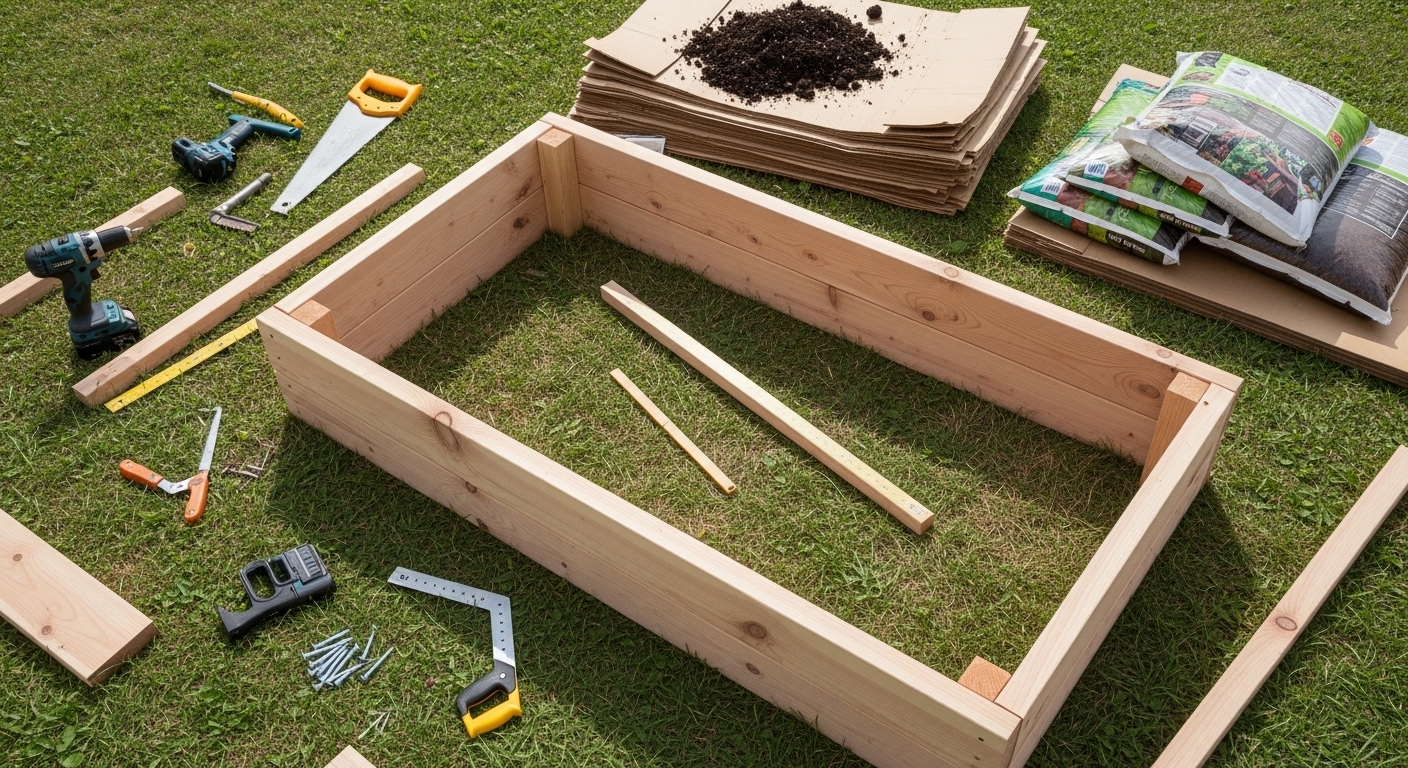
To build a functional raised bed for broccoli, gather essential materials such as untreated lumber (cedar or redwood are great for outdoor durability), galvanized screws, a drill, a saw, and a measuring tape. You can also use premade raised bed kits or repurposed bricks and stones, but make sure they’re free of chemicals.
For broccoli, an ideal raised bed size is 4 feet wide (so you can easily reach the center), 6-8 feet long, and at least 12-18 inches high—this height provides enough depth for healthy roots and good drainage.
When filling the bed, start with a bottom layer of cardboard or newspaper to suppress weeds, then add a mix of high-quality garden soil and compost. Good drainage is crucial, so avoid compacted soil and consider adding a bit of coarse sand if your soil is heavy or clay-like.
Plant broccoli seedlings about 18 inches apart to give their large leaves and root systems plenty of room to spread. Broccoli roots typically reach 12-18 inches deep, so providing this depth helps prevent stress and encourages strong, productive growth.
Regularly check soil moisture, as raised beds can dry out faster—mulch helps conserve moisture and keeps roots happy.
Key Elements for Successful Hydroponic Broccoli
When growing broccoli hydroponically, choosing the right system is the first step toward a successful harvest. Both the Nutrient Film Technique (NFT) and ebb and flow systems work well for broccoli because they deliver oxygen and nutrients efficiently to the roots. NFT is great for larger setups, while ebb and flow is easier for beginners.
No matter what system you choose, providing a balanced nutrient solution with sufficient nitrogen, phosphorus, potassium, calcium, and magnesium is crucial—broccoli is a heavy feeder, especially when developing its dense florets. Always use clean, pH-balanced water (ideally 5.8–6.5) to prevent nutrient lockout and root issues.
Broccoli also needs 12–16 hours of bright, full-spectrum light each day, so investing in quality LED grow lights can boost yields and flavor. Temperature control is key: keep daytime temps around 18–23°C (65–73°F) and slightly cooler at night, as broccoli “bolts” or flowers too early when it’s too warm, resulting in poor heads. Humidity should hover between 50–70% to avoid mold and mildew.
Regularly clean your system and check for signs of disease or pests—hydroponics reduces soil-borne issues, but good circulation and hygiene go a long way in preventing common problems like damping-off or aphids.
Broccoli Care, Troubleshooting & Harvesting Tips
Caring for broccoli is fairly straightforward, but consistency is key for healthy, flavorful heads. Aim to water your plants deeply 1-2 times per week, keeping the soil consistently moist but never waterlogged—about 1-1.5 inches weekly is ideal.
Fertilize every 3-4 weeks with a balanced fertilizer; too much nitrogen can lead to lush leaves but small broccoli heads, so watch your ratios.
Keep an eye out for pests like cabbage worms or aphids—handpick visible insects, and consider floating row covers or organic sprays like neem oil for persistent problems.
Disease prevention is helped by adequate spacing and crop rotation to avoid soil-borne issues like clubroot.
Harvesting
As your broccoli matures, look for firm, tightly packed heads about 6 to 8 inches across with a rich, green color. Harvest heads in the morning before buds open to yellow flowers, cutting the stalk at an angle about 5-6 inches below the head.
Troubleshooting
- If your plants start sending up flower stalks quickly (bolting), it’s often due to warm temperatures—provide shade or plant earlier in cool seasons.
- Yellowing leaves may signal nitrogen deficiency; side-dress with a little compost.
- Poor head formation can result from temperature swings or overcrowding, so thin seedlings and maintain steady, moderate conditions for best results.
Enjoying Your Homegrown Broccoli
Freshly picked broccoli from your garden is a real treat, and there are plenty of easy ways to enjoy your harvest. Try tossing chopped florets into stir-fries, steaming them lightly for a simple side, or blending them into creamy soups—kids often love homemade broccoli cheddar soup.
For a quick snack, roast broccoli with olive oil, garlic, and a sprinkle of Parmesan. To keep your harvest fresh, store unwashed broccoli heads in a perforated bag in the fridge; they’ll last about a week. If you have an abundant crop, you can blanch and freeze florets for months of future meals.
Consider expanding your garden with companion plants like lettuce, onions, or herbs, which thrive near broccoli and help deter pests. Don’t be afraid to experiment—growing a few different vegetables together can boost yields and add variety to your meals. Gardening is a learning journey, so have fun trying new combinations!