Introduction
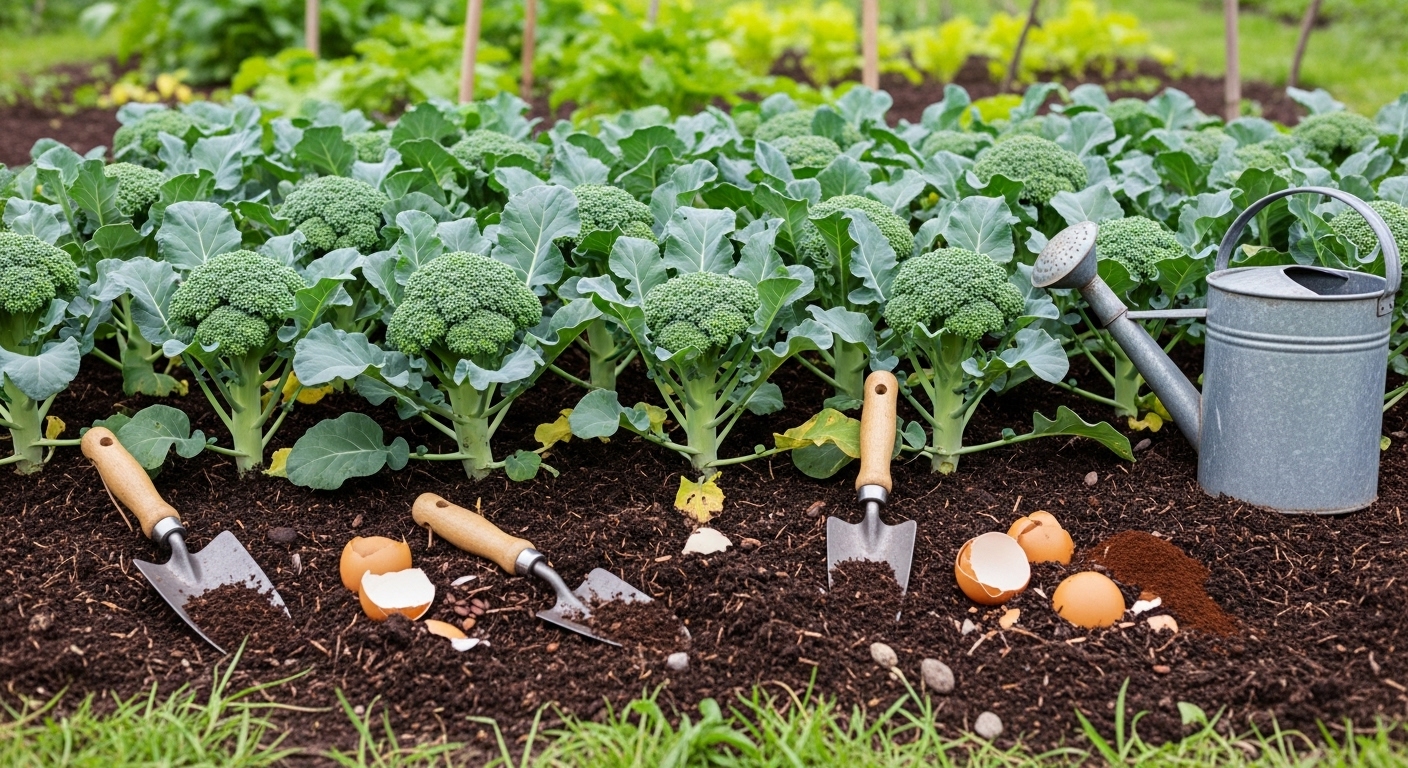
Homemade broccoli fertilizer is quickly gaining traction among gardeners who want the healthiest harvests without relying on store-bought chemicals. Broccoli, known for its sensitivity to soil nutrients, thrives remarkably well when nourished with natural, homemade blends—producing more vibrant heads and richer flavors. As sustainable and chemical-free gardening continues to spread, more people are seeking eco-friendly alternatives to commercial fertilizers, both to protect their health and to safeguard the environment.
Whether you’re growing broccoli in raised beds, pots, or an expansive backyard plot, understanding how homemade solutions can boost your yield is both practical and rewarding. In this post, we’ll walk through various homemade broccoli fertilizer recipes, from nutrient-packed compost teas to easy eggshell and coffee ground mixes. You don’t need to be a gardening expert; with just a few simple kitchen scraps and garden basics, you can give your broccoli a powerful, organic boost.
Ready to ditch synthetic feeds for good? Let’s explore the natural strategies and practical tips that will help your garden and the planet thrive, season after season.
Understanding Broccoli’s Nutritional Needs
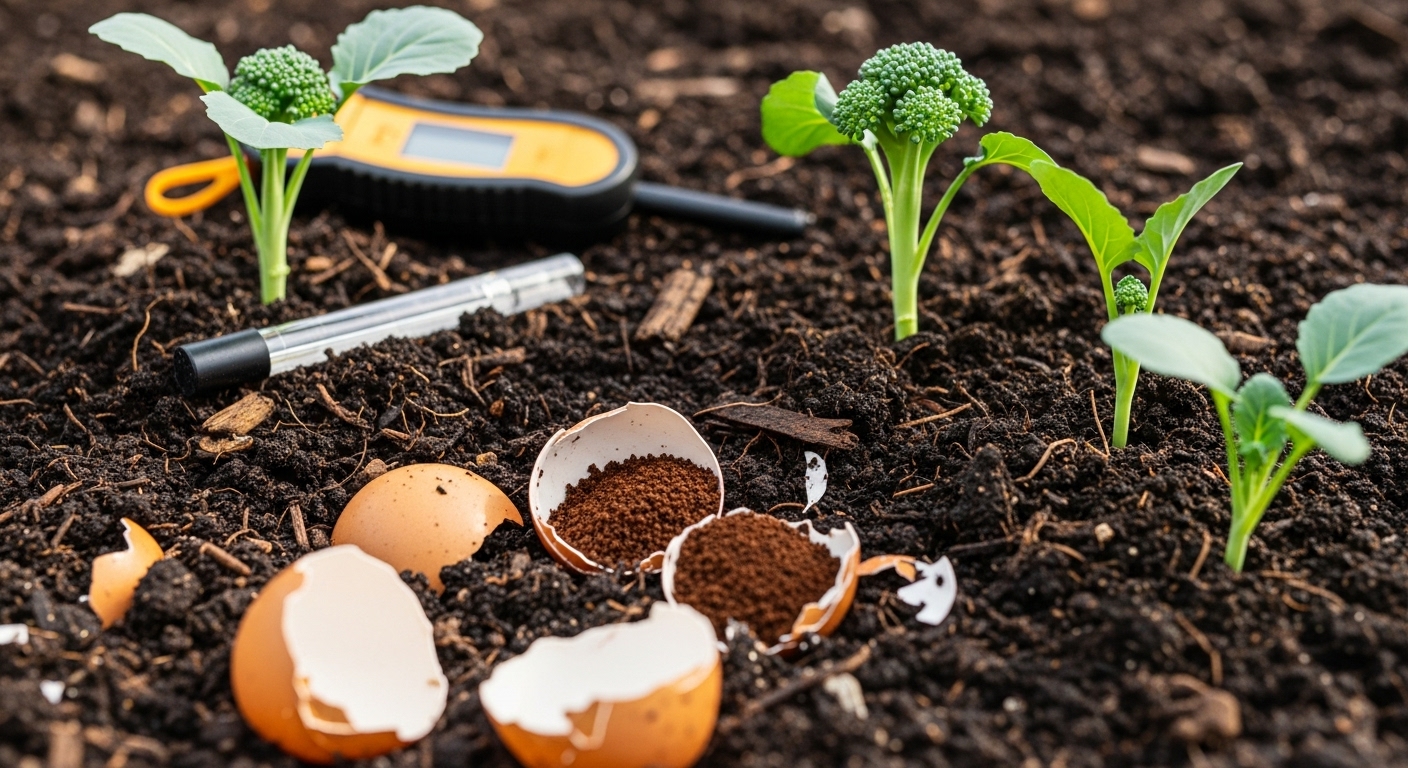
Broccoli thrives when its nutritional needs are met, especially through balanced levels of nitrogen, phosphorus, and potassium—the core nutrients for robust growth. Early in its life, broccoli requires more nitrogen, which promotes lush, leafy growth and helps kickstart chlorophyll production. As the plant shifts from producing leaves to forming healthy, dense heads, the focus turns toward phosphorus and potassium.
Phosphorus is critical for root development and supporting flower (head) formation, while potassium boosts stem strength and improves overall resilience against disease. Gardeners often notice that a slow push of growth or yellowing older leaves can signal nitrogen deficiency, whereas purple-tinged leaves may reflect too little phosphorus. Potassium-deficient plants could show weak stems or brown edges on leaves.
Conducting a simple soil test before planting is the best way to catch these issues ahead of time; it helps you understand your soil’s unique makeup and guides precise fertilizer choices. For example, if you know your soil tends to be low in nitrogen, a pre-plant application of a balanced fertilizer or compost can build that early foundation. Later on, side-dressings (applying fertilizer beside the plant row) with higher phosphorus and potassium support head formation without overfeeding nitrogen, which could otherwise delay the heads.
Paying attention to these changing needs at each stage—starting with nitrogen, then transitioning to phosphorus and potassium—sets up your broccoli for a steady, productive season. Even in raised beds or small gardens, observing your plants closely and responding to subtle color or growth changes will help spot nutrient problems early and make adjustments before they impact your harvest.
Top Homemade Fertilizers for Broccoli (with DIY Recipes)
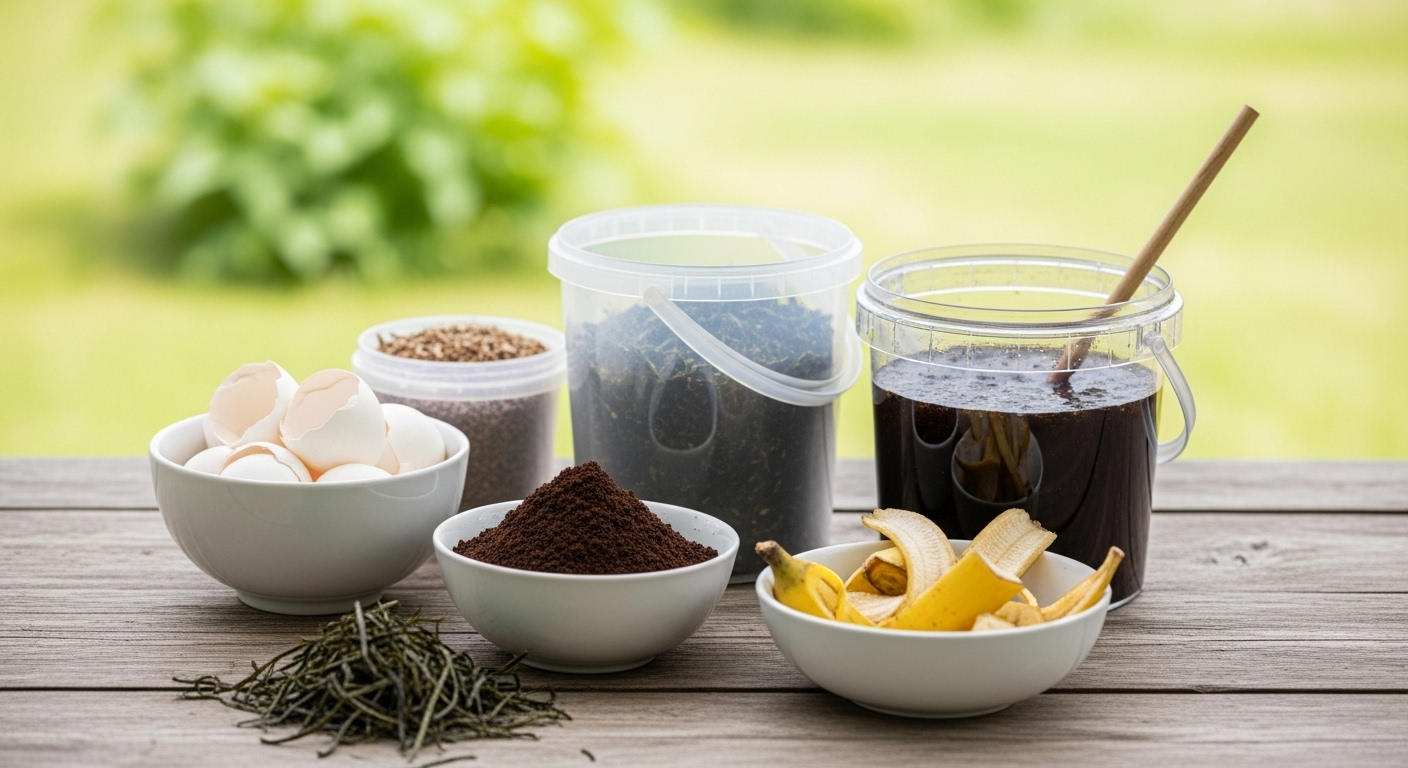
Growing healthy, lush broccoli doesn’t require expensive store-bought fertilizers—some of the best solutions are probably already in your kitchen or garden.
Compost is a classic favorite: simply pile fruit and veggie scraps, coffee grounds, eggshells, and yard trimmings in a well-ventilated bin; turn it every couple of weeks, and in a few months, you’ll have nutrient-rich compost ready to mix into your soil before planting and as a top dressing throughout the growing season.
For a quick boost, try making compost tea: fill a 5-gallon bucket one-third full with finished compost, add water to the top, stir, and let steep for three days. Then strain and use the liquid to water your broccoli every two weeks.
Used coffee grounds are another easy fix—they add nitrogen, a key nutrient for leafy growth. Simply sprinkle about a quarter-inch layer around your broccoli plants once a month, but don’t overdo it, as too much acidity can build up.
Crushed eggshells provide a handy source of calcium, which helps prevent blossom end rot; just rinse, dry, and crush the shells, then scatter a small handful around each plant’s base every few weeks.
Bananas are great for potassium: chop up the peels and bury them two to three inches deep near the root zone, repeating monthly to support strong stems and better tolerance to stress.
For an extra mineral punch, consider seaweed or comfrey tea; both are packed with micronutrients.
To make seaweed tea, rinse fresh seaweed or use dried, soak in a bucket of water for two weeks, then dilute the dark liquid (about one part tea to five parts water) and water your broccoli every month.
Similarly, chop comfrey leaves, soak in water for a week, then strain and use the solution every few weeks to boost plant health.
With all homemade fertilizers, it’s important to avoid overfeeding—stick to suggested frequencies, water well after applications, and observe your plants for signs of nutrient imbalance.
By rotating and combining these homemade fertilizers, you’ll keep your broccoli growing strong and delicious without chemicals.
Smart Fertilizing Schedule for Continuous Harvests
To achieve continuous harvests from your garden, it’s important to follow a smart fertilizing schedule that aligns with each stage of plant growth. Start by mixing 2-3 cups of well-rotted compost or worm castings into each planting hole, giving seedlings a gentle nutrient boost without burning tender roots.
As plants enter their leafy growth phase, usually 3-4 weeks after planting, side-dress with homemade compost tea—simply soak a shovel of compost in five gallons of water for 1-2 days, then apply 1-2 cups per plant every two weeks. This encourages lush, green leaves and healthy stems.
When you see signs of head or fruit formation (for crops like cabbage, broccoli, or lettuce), switch to a more phosphorus-rich feed such as diluted bone meal tea (mix 1 tablespoon bone meal in one gallon of water and apply half a cup per plant weekly). For root crops, add a small sprinkle (about 1 tablespoon) of wood ash around each plant to enhance potassium levels.
Rotate these homemade fertilizers to avoid nutrient imbalances and soil fatigue—for example, alternating compost tea and bone meal every other feeding. Observing your plants is key: yellowing leaves may signal a need for more nitrogen (try alfalfa tea), while poor flowering might call for an extra phosphorus boost.
By combining and rotating these fertilizer types throughout the growth cycle, you deliver the right nutrients at the right time, supporting strong plants and reliable, overlapping harvests all season long.
Watering Techniques to Maximize Nutrient Uptake
Proper watering plays a huge role in how well your plants absorb nutrients from fertilizers. When you water just right, you help dissolve the nutrients and carry them straight to the roots, where plants can easily take them up.
Instead of pouring fertilizer onto bone-dry soil or waterlogged pots, aim to maintain consistent moisture—moist but not soggy. If the soil is too dry, nutrients won’t spread evenly; if it’s too wet, roots can suffocate and absorb less.
Using nutrient-rich water from your kitchen, like cooled rice or pasta water (make sure it’s unsalted), can give your plants an extra boost of minerals such as potassium and phosphorus. Simply pour the leftover cooled water onto your plants’ soil every couple of weeks, or use it to dilute liquid fertilizers. This not only recycles kitchen waste but also adds mild nutrients over time.
However, be cautious not to overdo it; too much homemade fertilizer or water at once can wash away nutrients or cause root rot. As a rule of thumb, water when the top inch of soil feels dry, and always let excess water drain out of pots.
Try to establish a regular watering schedule—this helps prevent both overwatering and the stress of dried-out soil, ensuring plants get the most from every feeding. By combining consistent moisture levels and occasional boosts from nutrient-rich water, your gardening efforts will pay off with healthier, more nourished plants.
Common Homemade Fertilizer Mistakes to Avoid
Homemade fertilizers can boost your broccoli crop, but common mistakes can harm your plants more than help them. One big error is over-fertilizing—using too much compost, manure, or concentrated feed. This often leads to nutrient burn, where broccoli leaves may turn yellow or brown at the edges, curl, or develop dry, scorched spots. Growth may slow, and the plants might look stunted or wilted even when the soil is moist.
Another frequent mistake is using raw manure, especially from poultry, which is too strong and can introduce harmful pathogens or weed seeds. This not only risks burning your plants due to high ammonia levels but may also contaminate your garden. To avoid this, always compost manure thoroughly before use and apply it in moderation.
Excessive acidity is a less obvious but equally damaging error, often caused by overuse of coffee grounds or acidic composts. If your broccoli shows poor growth, purplish stems, or discolored leaves, your soil may be too acidic for ideal nutrient uptake.
To troubleshoot, test your soil’s pH regularly—broccoli thrives best between 6.0 and 7.0. Adjust with agricultural lime if needed, and dilute homemade fertilizers with plenty of water before applying. Observe your plants each week, and if you notice any signs of toxicity, flush the soil with water to help wash away excess nutrients.
Remember, when it comes to homemade fertilizers, “less is more”—start small, watch your plants, and adjust as needed for healthy, productive broccoli.
Protecting and Sustaining Your Broccoli Plants
Keeping your broccoli plants healthy and productive means protecting them from both pests and environmental stress. Start by applying mulch around the base of your plants—this helps conserve soil moisture, regulate temperature, and block weeds that compete for nutrients.
When temperatures soar or pests like cabbage worms threaten your crop, row covers can be a powerful ally. Lightweight fabric covers shield broccoli from insects and provide a barrier against harsh sun and fluctuating temperatures. For gardeners in particularly hot climates, consider installing temporary shade cloths over your broccoli during the hottest part of the day. This helps prevent plants from bolting and losing valuable nutrients due to heat stress.
Soil health is just as critical: rotate your broccoli with other crops every year to break pest and disease cycles and prevent the soil from being depleted of specific nutrients. After harvesting, compost spent broccoli stalks and leaves instead of tossing them out—the resulting organic matter boosts soil fertility for future plantings.
Keep a close eye on your broccoli’s growth, watching for signs like yellowing leaves or stunted heads, which may indicate a nutrient imbalance or pest issue. Regular observation allows you to adjust your fertilizer routine as needed, providing a steady supply of nutrients without overfeeding. Simple organic fertilizers like fish emulsion or compost tea can give plants an extra boost, especially during key growth stages.
By combining these protective techniques with attentive care, you’ll help your broccoli flourish, even in challenging conditions.
Creative and Unique Homemade Fertilizer Ideas
If you’re looking to enrich your garden without relying on store-bought fertilizers, there are several inventive homemade options worth exploring. One lesser-known approach is using “worm tea”—a liquid produced by steeping worm castings or draining fluid from a worm bin. This nutrient-rich solution provides a gentle boost to plants and is especially popular in small urban gardens.
Another creative source is leftover water from a freshwater fish tank, which contains natural nitrates and beneficial bacteria; just be sure the water is free of added chemicals before pouring it onto veggies or houseplants.
For gardeners looking to repurpose household waste, wood ash from untreated, clean fires can add potassium and calcium to garden beds. Just apply sparingly to avoid raising soil pH too much, and never use ash from charcoal briquettes or wood with paint or chemicals.
Many gardeners also experiment with blending these fertilizers:
- One innovator adds worm tea to compost heaps and waters it in with fish tank water, claiming lusher tomato growth.
- Another routine involves dusting around the base of fruit trees with a pinch of wood ash in early spring, followed by a drench of diluted worm tea after blooming.
The key to success with these unconventional methods is to start small, take detailed notes, and track which mixtures and schedules yield the healthiest plants in your specific environment. With a little experimentation and record-keeping, you’ll soon find a routine that transforms kitchen and household scraps into garden gold.
Conclusion & Quick FAQ
Homemade fertilizers can make a big difference in growing healthy, vibrant broccoli, offering a natural and cost-effective way to enrich your soil. Key points to remember:
- Compost, eggshells, or coffee grounds can boost nutrients but should be used in moderation and worked into the soil well before planting.
- Observing your broccoli plants closely will help you spot nutrient deficiencies early; yellowing leaves may signal a need for more nitrogen, while slow growth can indicate a lack of potassium or phosphorus.
- Don’t be afraid to experiment—track what works best in your garden, and share your results with other growers!
Many readers ask:
- Can I use kitchen scraps directly on my broccoli? It’s best to compost scraps first to avoid pests and diseases.
- How often should I fertilize? Typically, a light application every 3-4 weeks during active growth works well.
- Is homemade fertilizer really effective? Absolutely—many home gardeners find their plants thrive with kitchen-based amendments, provided the basics of good watering and sunlight are met.
Try a mix that suits your soil, keep observing those leafy greens, and you’ll enjoy strong broccoli harvests season after season.