When to Plant Broccoli
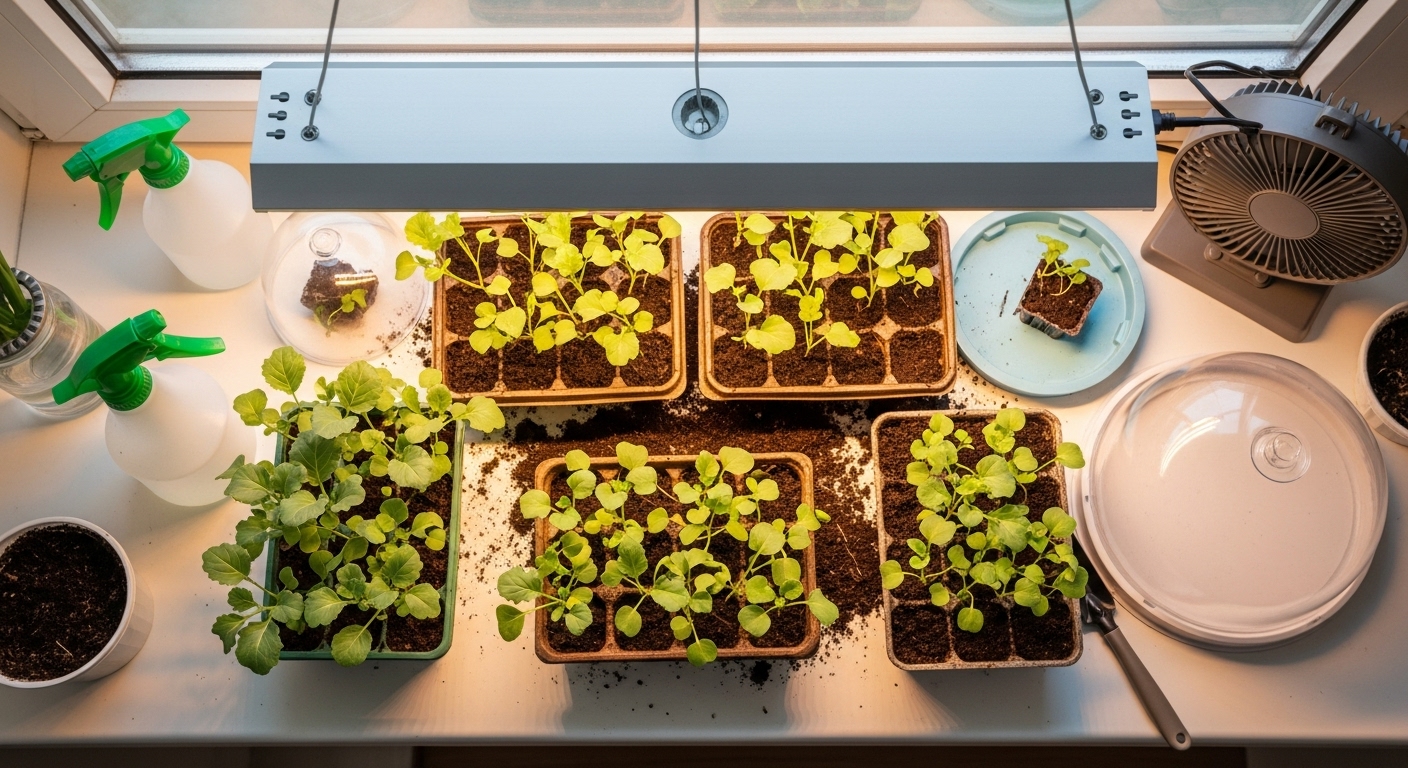
Thinking about growing broccoli indoors? You’re not alone—“growing broccoli indoors” is a rising trend among home gardeners, thanks to the flexibility and control it offers with tools like grow lights. But timing is everything, whether you’re sowing seeds by a sunny window or setting up a dedicated indoor setup.
Outdoors, broccoli is traditionally started in early spring or late summer, depending on your region. In cool climates, aim to sow seeds indoors 6-8 weeks before your last expected spring frost, then transplant outside. For a fall harvest, start seeds in late summer for a healthy crop before the first frost hits. Residents of warmer zones may find fall planting preferable, as summer heat can quickly lead to premature bolting—a common issue when temperatures rise above 75°F (24°C).
Growing Broccoli Indoors
When growing indoors, you can sidestep unpredictable weather, but your planting “timing” still matters. Broccoli needs a steady 60-70°F (15-21°C) environment to thrive and should not be rushed or crowded under your lights. Starting seeds too early with inadequate space or too late without enough growing time before harvest can stunt your plants or reduce yields.
To hit the sweet spot, use your local planting calendars or USDA growing zones as a reference, then translate those dates to your indoor environment. That way, you can mimic nature’s rhythms and grow the healthiest plants.
Helpful Tips
- Track your planting schedule with a calendar app or notebook to avoid mistakes like starting seeds during a heat wave or just before a vacation.
- Plan carefully to maximize yields and enjoy crisp, homegrown broccoli no matter the season.
Starting Broccoli from Seed
Starting broccoli from seed is a rewarding way to get a head start on your garden, especially since broccoli thrives in cooler temperatures and benefits from early planting.
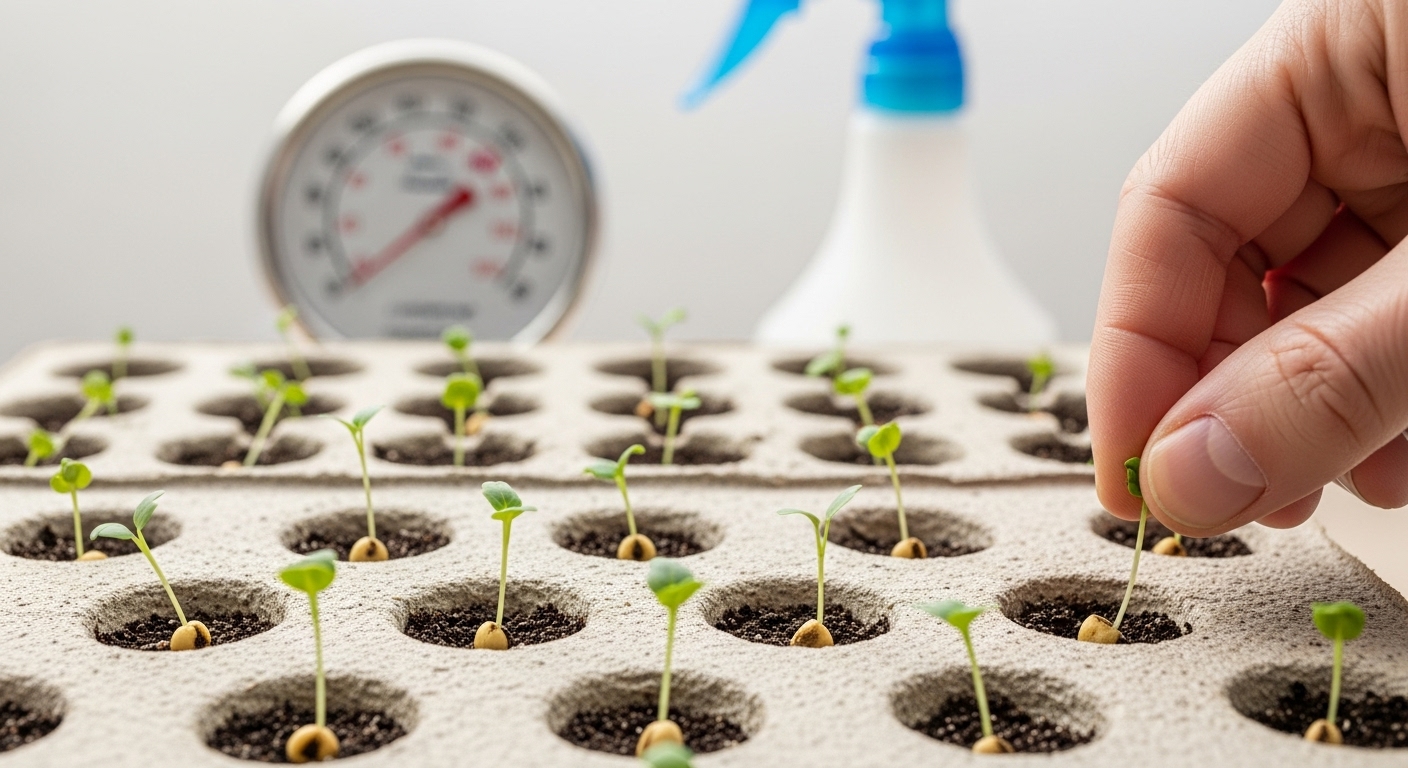
Begin by filling seed trays or small pots with a high-quality seed starting mix—avoid using heavy garden soil, which can compact and hinder delicate roots. Gently press seeds about a quarter-inch deep into the surface, spacing them an inch or two apart, and moisten the mix with a spray bottle. Overwatering is a common mistake, so aim for damp, not soggy.
Cover the tray with a clear plastic dome or wrap to keep humidity high, and place it in a warm spot—around 65–75°F is ideal for germination. Once sprouts emerge in 5–10 days, remove the cover and move trays under grow lights or near a bright window. Seedlings need at least 14–16 hours of light daily to avoid becoming leggy.
Thin seedlings so each has space to grow, and make sure air can circulate to prevent fungus. Setting up a small fan nearby on low can help.
When seedlings have at least two sets of true leaves and outdoor temperatures are steadily above freezing, begin the hardening-off process: each day for a week, set trays outside for a few hours in a sheltered, shady spot, gradually increasing their time outside and exposing them to gentle sun and wind. This step is crucial; skipping it can shock seedlings and stunt their growth.
Once they’re sturdy and acclimated, transplant them into your garden, spacing plants about 18 inches apart.
By following these steps and being patient, you’ll set your broccoli up for a healthy start and a productive season.
Transplanting Broccoli Seedlings
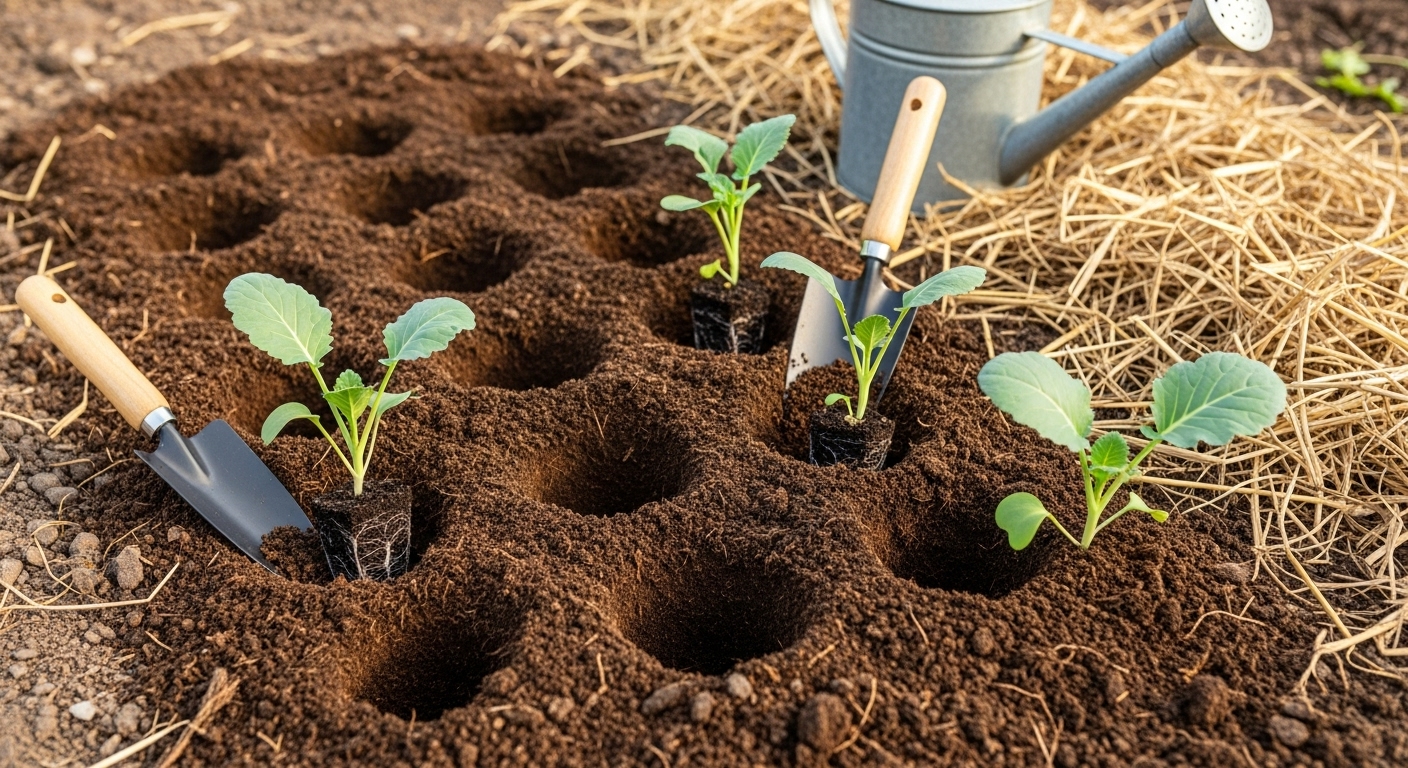
Knowing when your broccoli seedlings are ready to move outdoors is key to growing a strong, healthy crop. Seedlings are typically ready for transplanting when they are about 4–6 weeks old, 4–6 inches tall, and have at least two sets of true leaves—those mature, larger leaves that come after the initial seed leaves.
It’s important to wait for mild weather, ideally when outdoor overnight temperatures consistently stay above 50°F (10°C) and there’s little risk of frost. Before transplanting, spend several days “hardening off” your seedlings by gradually exposing them to outdoor conditions to reduce transplant shock. Start with an hour outside and increase the exposure each day.
Prepare your planting beds or containers by loosening soil to a depth of 8–12 inches and mixing in plenty of compost for drainage and nutrients. Broccoli thrives in rich, slightly acidic to neutral soil with a pH of 6.0–7.0.
Space seedlings 18–24 inches apart in rows that are 24–36 inches apart, giving each plant room to grow large, healthy heads.
When it’s time to plant:
- Dig a hole slightly larger than each seedling’s root ball.
- Gently remove the seedling from its container (tip: squeeze the sides or use a small tool to loosen it).
- Plant it at the same depth it was growing before.
- Firm the soil around the roots to remove air pockets.
Water the seedlings deeply immediately after transplanting to help roots settle and reduce stress. For the first week, keep the soil consistently moist but not waterlogged. Consider mulching around the plants to retain moisture and suppress weeds.
With these steps, you’ll set your broccoli seedlings up for strong, productive growth.
Caring for Broccoli Plants
Growing healthy broccoli starts with consistent care, and proper watering is your first step. Broccoli prefers evenly moist soil, so aim to water deeply 1-2 times per week, adjusting for rainfall and temperature. Always water at the base rather than overhead to prevent disease.
Mulching around your plants helps lock in moisture, suppress weeds, and keep root temperatures even. Spread a two-inch layer of organic mulch, like straw or chopped leaves, once seedlings are established.
Fertilizing is key: work a balanced fertilizer or compost into the soil before planting, then side-dress with a nitrogen-rich fertilizer once heads begin forming to encourage robust growth.
Broccoli thrives best with at least six hours of direct sunlight daily, so choose a spot that offers full sun. In very hot climates, a little afternoon shade helps prevent bolting, which is when the plant flowers early and produces small heads.
To prevent issues like poor head development, avoid planting during the hottest part of summer, and space plants 18 inches apart for good air circulation. Rotate broccoli beds each year, planting them in a different area every season to discourage soil-borne diseases and pests.
Companion planting also works wonders: growing broccoli alongside aromatic herbs like dill or chamomile can repel pests, while interplanting with onions or beets makes efficient use of space and deters harmful insects.
Following these strategies not only supports lush, tasty broccoli but also minimizes the risk of common setbacks, helping your plants reach their full potential all season long.
Pest and Disease Management
Broccoli growers often face challenges from pests like aphids and cabbage worms, which can quickly damage a crop if left unchecked. Aphids are tiny, soft-bodied insects that cluster under leaves and along stems, often leaving behind a sticky residue called honeydew. Cabbage worms, the green larvae of the cabbage white butterfly, chew irregular holes in leaves and are easily spotted by the dark frass (waste) they drop.
Regularly inspecting your broccoli—at least twice a week—helps catch problems early. For those seeking organic control, encouraging natural predators such as ladybugs and lacewings is effective for managing aphids. Handpicking cabbage worms and using BT (Bacillus thuringiensis), a natural bacterial insecticide, targets larvae without harming beneficial insects.
Traditional options might include the careful, targeted use of insecticidal soaps or chemical pesticides. Always follow label instructions to minimize harm to pollinators and the environment. Physical barriers like floating row covers provide a simple, chemical-free way to protect young plants from flying insect pests; just remember to secure edges so insects can’t sneak in.
Preventive Methods
- Keep the garden free from plant debris where pests can hide.
- Rotate crops each year to disrupt pest life cycles.
- Space plants to ensure good airflow, which helps minimize fungal diseases such as downy mildew or black rot.
If diseases do appear, promptly remove affected plant parts and avoid overhead watering to slow their spread. By combining regular monitoring, non-chemical and chemical controls, and cultural practices, you can effectively manage pests and diseases for a healthy broccoli harvest.
Harvesting and Storing Broccoli
Knowing when to harvest your broccoli is key to enjoying its best flavor and texture. Look for firm, tight, dark green heads with buds that haven’t started to flower—if you spot yellow petals, you’ve waited too long.
Use a sharp knife or garden shears to cut the main head, leaving at least five inches of stem and plenty of leaves; this lets the plant keep producing side shoots for weeks, extending your harvest.
After picking, rinse the broccoli under cool running water to remove dirt and insects. Gently pat dry and move it straight to the refrigerator, ideally in a perforated plastic bag in the crisper drawer, where it’ll stay fresh for up to five days.
For long-term storage, blanch the florets in boiling water for two to three minutes, then plunge them into ice water, drain thoroughly, and pack into airtight containers or freezer bags before freezing—this locks in nutrients and color.
If you want a steady supply throughout the season, try succession planting by sowing seeds or transplanting seedlings every two to three weeks.
Also, don’t pull up the plant after the main head is harvested; instead, give it a boost with some compost or fertilizer to encourage new side shoots that can be picked as they mature, offering you continued fresh broccoli from your garden.