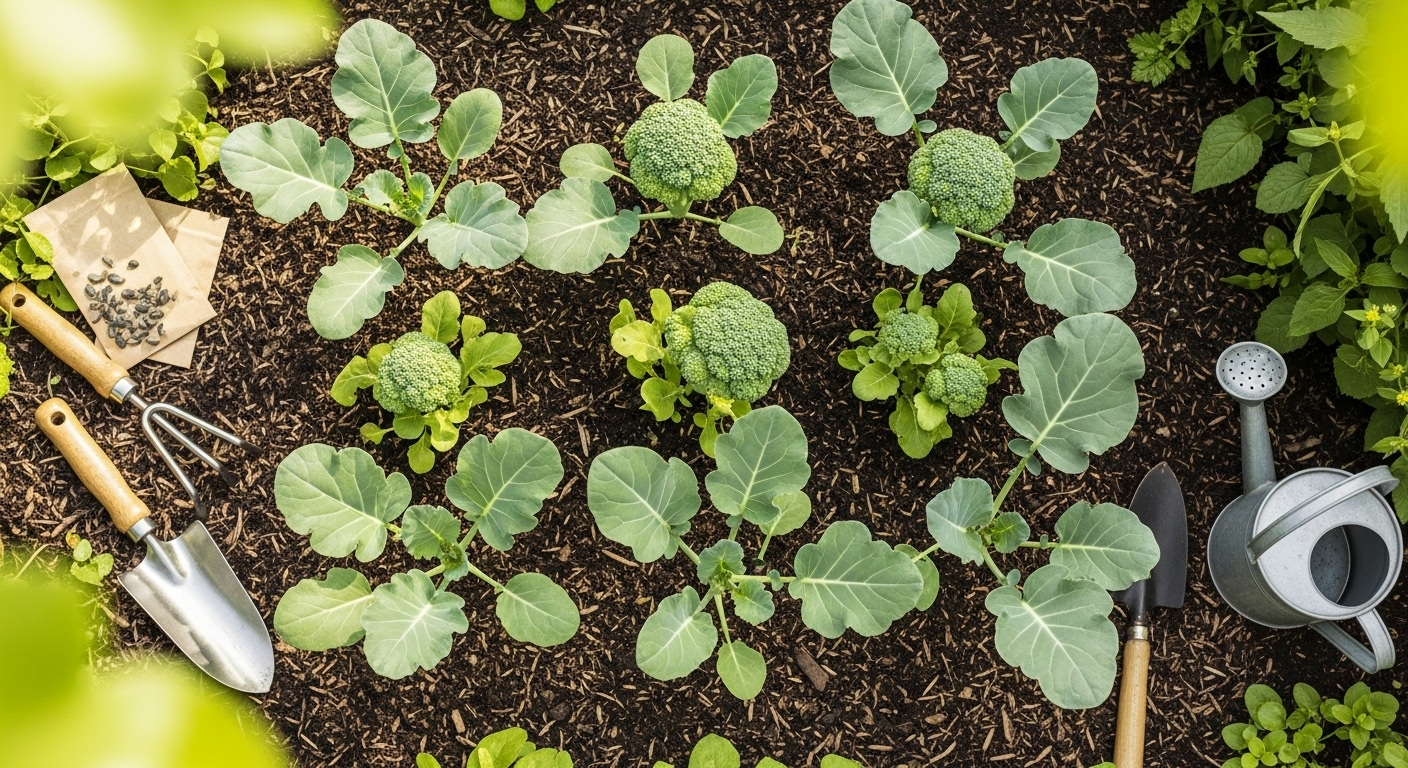
How to Grow Broccoli
If you’ve ever wondered whether you can direct sow broccoli straight into your garden soil, you’re not alone. Gardeners often debate whether skipping the indoor seed tray and planting broccoli seeds directly in the ground actually works—especially in climates with unpredictable springs.
The good news? With a few smart strategies, like sowing after the last frost and keeping seeds consistently moist, direct sowing broccoli can be a surprisingly simple way to grow crunchy, homegrown heads. Whether you’re short on indoor space or just curious to try a new method, this guide will walk you through everything you need to know to get robust broccoli from seed to harvest—no fancy equipment needed.
Introduction
Growing your own broccoli can be rewarding in more ways than one. Not only is broccoli packed with essential nutrients like vitamin C, fiber, and powerful antioxidants, but it also tastes fresher when it comes straight from your garden. Plus, raising broccoli at home saves money on grocery bills and reduces food miles, making it better for both your wallet and the planet.
Whether you have a backyard patch, a balcony, or just a few containers, anyone can grow broccoli with a bit of guidance. In this article, we’ll break down the entire process into easy, beginner-friendly steps—from picking the right seeds to harvesting those green crowns. No special equipment or prior experience is needed; just a willingness to get your hands a little dirty.
So, no matter your skill level or space, now is the perfect time to give broccoli growing a try and taste the difference for yourself!
Choosing the Right Broccoli and Location
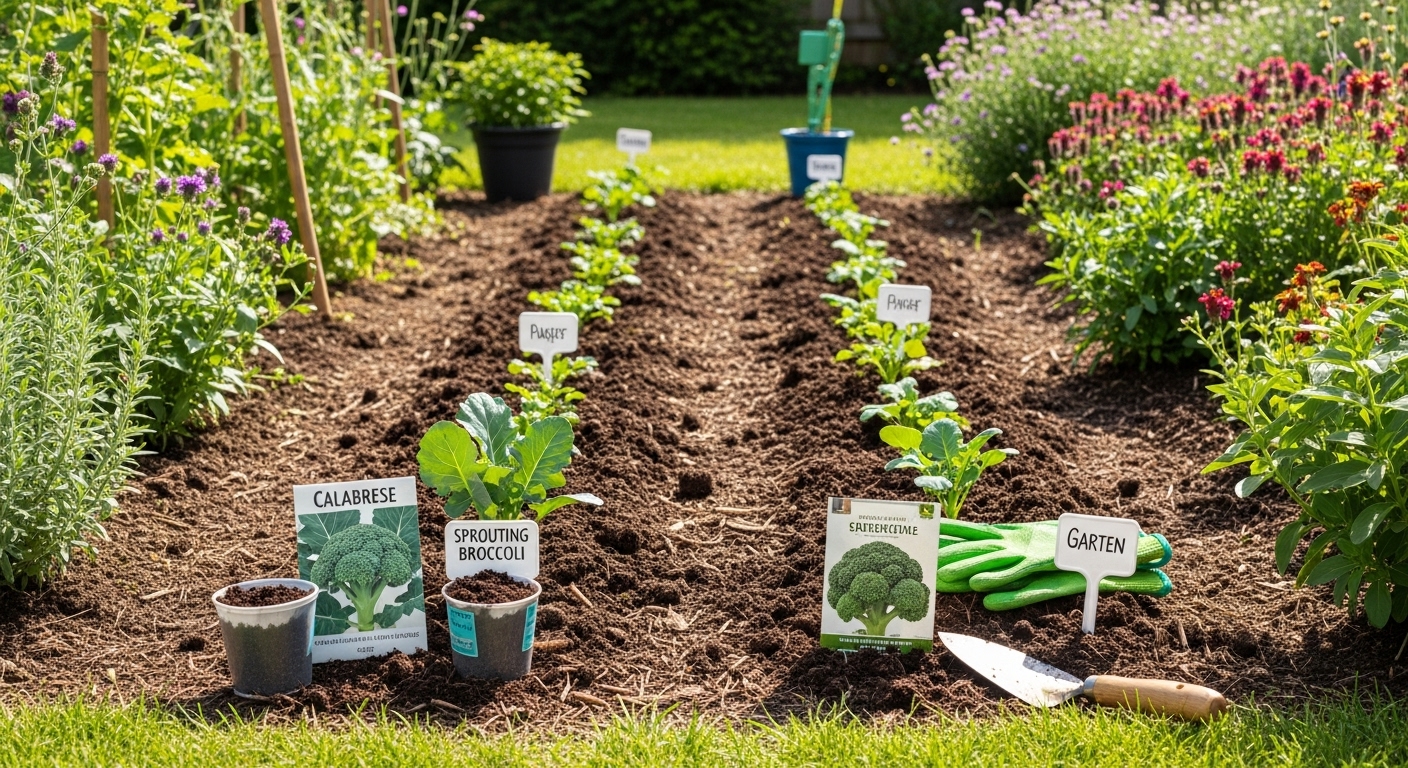
When starting your home broccoli patch, picking the right variety and planting spot can make all the difference. Among the most popular are Calabrese broccoli, known for its large green heads and classic flavor, and sprouting broccoli, which produces lots of tender shoots for repeated harvests—ideal if you like frequent, small harvests rather than a single big one.
For cooler climates with short summers, early-maturing Calabrese types perform best, while sprouting broccoli can tolerate cooler temperatures and even overwinter in mild regions. If you prefer sweeter, milder broccoli for fresh salads or stir-fries, look for varieties labeled as “mild” or “sweet.”
Whichever you choose, look for seeds bred for your region—a quick check of seed catalog descriptions or a local nursery’s recommendations can point you in the right direction.
Once you have your seeds, pick a sunny spot that gets at least 6 hours of direct light each day; too much shade can make the plants leggy and reduce yields. Broccoli thrives in fertile, well-drained soil with a neutral to slightly acidic pH (around 6.0–7.0).
Test your soil if you’re unsure—kits are inexpensive and available at garden centers. If your soil is heavy clay or tends to stay soggy, consider raised beds or amend with compost and coarse sand to improve drainage.
Before planting, enrich the soil with compost or well-rotted manure to boost fertility, and add a balanced fertilizer if your soil test suggests it. Taking these simple steps will set your broccoli up for a season of steady growth, healthy heads, and delicious meals from your own backyard.
Starting Broccoli: Seeds vs Seedlings
When it comes to growing broccoli, you have two main options: starting from seeds indoors or purchasing ready-to-plant seedlings from a garden center. Starting from seeds is cost-effective and offers a wider variety of broccoli types, but it requires a bit more effort and planning.
To start broccoli from seeds indoors, sow seeds about 6-8 weeks before your last expected frost date. Use clean seedling trays or small pots filled with seed-starting mix, planting seeds about ¼ inch deep. Keep the soil moist and use a heat mat if your house is chilly—broccoli seeds prefer temperatures between 65 and 75°F (18-24°C) to germinate. Place the trays under a bright grow light or in a sunny window, ensuring the seedlings get 12-16 hours of light daily; leggy plants won’t thrive outdoors. Once seedlings have two true leaves, thin them so that only the strongest remain.
For gardeners who prefer convenience, purchasing seedlings can be easier—just transplant them after the danger of hard frost has passed. Whether you start from seed or store-bought seedlings, be sure to harden them off before moving them outdoors. This means gradually introducing them to outdoor conditions over 7-10 days: start with a few hours in the shade, then slowly increase sun and wind exposure each day.
When you’re ready to plant, choose a site with rich soil and full sun. Space the seedlings 18-24 inches apart in rows about 24-36 inches apart, as broccoli needs room to grow. Water thoroughly after planting and mulch to keep the soil cool and moist. By investing a little time in preparation, you’ll set your broccoli up for a healthy, productive season—whether you started from seed or seedling.
Planting and Early Care
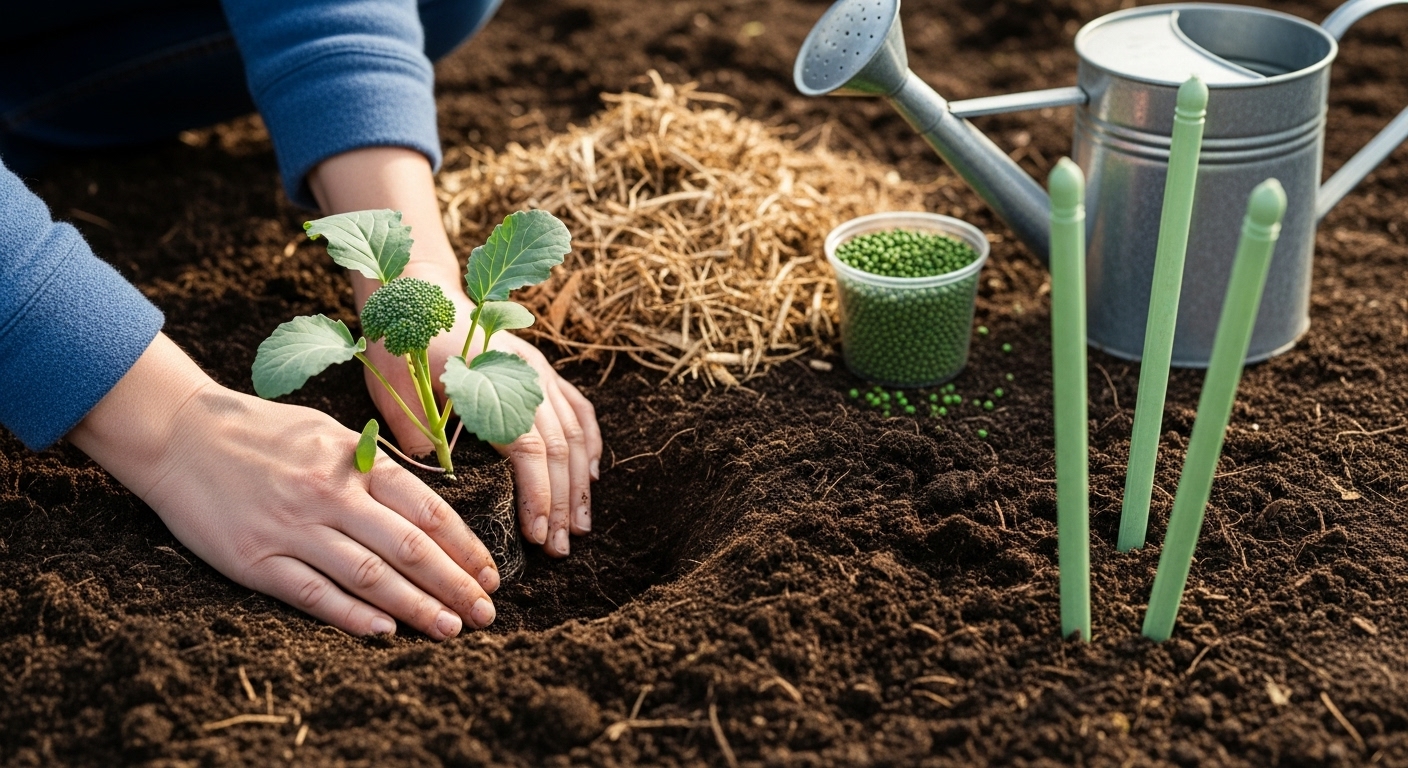
When planting, start by digging holes twice as wide as your plant’s root ball and just as deep—this gives roots plenty of space to spread out. Space the new plants according to their mature size, which usually means about 12 to 18 inches apart for most garden flowers and vegetables, but always check your seed packet or plant tag for the best results. Gently loosen the roots before placing them in the soil, then backfill and press the dirt lightly around the base.
Water deeply right after planting, making sure the soil is moist but not waterlogged; a slow, gentle soak helps new roots settle in. In the early weeks, keep the soil consistently moist with regular, light watering instead of big, infrequent soaks—this prevents both overwatering, which can rot roots, and underwatering, which can stress the plant.
Lay down a 2- to 3-inch layer of mulch around each plant, leaving a small gap near the stem to prevent rot; mulch helps conserve moisture and keeps weeds at bay. For early fertilizing, use a balanced, slow-release fertilizer mixed into the soil during planting or add a gentle liquid fertilizer every two weeks for faster-growing plants. But avoid overdoing it—too much fertilizer can burn delicate new roots.
Support tall or vining seedlings with stakes or trellises right from the start to prevent breakage and encourage healthy growth habits.
One common mistake is planting too deep or crowding seeds together, which can lead to disease and weak plants—always follow spacing recommendations. Another is neglecting to harden off indoor-grown seedlings by gradually introducing them to outdoor conditions for a week before planting; this simple step toughens them up and reduces transplant shock.
Keeping a close eye during these first few weeks and caring carefully with water, nutrients, and protection sets the stage for healthy, thriving plants all season.
Broccoli Plant Care: Maintenance and Problem-Solving
Keeping your broccoli plants healthy throughout the season doesn’t have to be complicated if you stick to a simple care routine. Consistent watering is key, especially when heads are forming—aim to keep the soil evenly moist, providing about 1 to 1.5 inches of water weekly. Early morning is best so leaves have time to dry, which helps discourage disease. Mulch with straw, shredded leaves, or grass clippings to lock in moisture, suppress weeds, and maintain steady soil temperatures.
Fertilizing every three to four weeks with compost tea or a balanced organic fertilizer boosts growth; avoid overdoing it with high-nitrogen formulas, which lead to leafy plants instead of compact heads.
Pest Management
Pests like cabbage worms and aphids are common headaches, but hand-picking larger pests or spraying leaves with a mix of water and mild soap can make a real difference. Floating row covers are a non-chemical way to keep adult cabbage moths from laying eggs. Encourage beneficial insects such as ladybugs and lacewings by planting flowers like marigolds or dill nearby.
If you spot yellowing leaves, it could be a sign of overwatering, pests, or a nutrient imbalance. Trim off unhealthy leaves and closely inspect for tiny bugs or soft spots.
Preventing Heat Stress and Other Issues
Broccoli is prone to heat stress, which can cause “bolting”—when plants flower prematurely and heads turn bitter and loose. Plant broccoli early in spring or later in summer for a fall harvest to avoid the hottest months.
If you notice heads forming too small or not at all, check that your plants aren’t crowded and receive plenty of sunlight (at least six hours a day). Sometimes adding a side-dress of compost during head development can help.
Monitoring for Diseases
Regularly check beneath leaves and around heads for powdery mildew or black spots, and remove affected tissue quickly to prevent spreading.
With a little attention to watering, feeding, and organic pest management, you’ll be rewarded with sturdy broccoli plants and big, flavorful heads.
Harvesting and Storing Broccoli
Knowing when to harvest broccoli is key to enjoying its best flavor and nutrition. Look for firm, tight, dark green heads—these indicate your broccoli is ready for picking. Avoid waiting until yellow flowers appear, as this means the plant is past its prime.
To harvest, use a clean, sharp knife and cut the main head off at a slant about five to six inches below the head, leaving some stem and plenty of leaves. Don’t pull the plant out by the root, as this will encourage side shoots to grow. These smaller shoots will continue producing mini-broccoli heads for several more weeks, so visit your garden regularly to snip them off, extending your harvest.
For even more consistency, try staggered planting by sowing broccoli seeds every two to three weeks in early spring. This spreads out your crop and ensures you’ll always have fresh heads available instead of a single overwhelming harvest.
After picking, broccoli can lose its crispness quickly, so store it unwashed in a breathable produce bag or perforated plastic bag in the refrigerator’s crisper drawer. It should stay fresh for about five days.
To preserve nutrients for longer, blanch broccoli florets in boiling water for two to three minutes, then plunge them into ice water and freeze in airtight containers. This method locks in color and vitamins, making it easy to enjoy garden-fresh broccoli in stir-fries, soups, or salads all year round.
If you have extra florets, consider quick-pickling or fermenting for a tangy, probiotic-rich snack—both options are simple ways to stretch your harvest while keeping broccoli crisp and flavorful.
Troubleshooting Common Problems
If your vegetable garden isn’t thriving, don’t worry—most common problems have simple fixes.
Slow growth often signals poor soil, lack of sunlight, or improper watering. Check if your plants are getting at least six hours of sun a day, and amend your soil with compost to boost nutrients. Water consistently, keeping the soil moist but not soggy.
Bitterness, especially in crops like cucumbers and lettuce, usually results from hot weather or irregular watering. To avoid this, water in the early morning and provide shade during heat waves. Try mulching to keep roots cool.
Root problems—like rot or stunted roots—can come from compacted soil or overwatering. Loosen soil before planting, ensure good drainage, and water only when the top inch of soil is dry.
If these strategies don’t lead to improvement within a few weeks, it might be time to seek help from a local extension office or gardening expert. Sometimes pests or diseases require a professional diagnosis.
Don’t get discouraged; gardening can be unpredictable, and even the best gardeners have to start over now and then. If a crop fails, learn from the season and give it another go next year—your efforts will pay off with a little patience and persistence.
Conclusion and Next Steps
Growing broccoli at home is a truly satisfying experience—watching those vibrant, nutritious heads take shape after weeks of care brings a special kind of pride to any home gardener. If you’re just getting started, don’t worry about being perfect; begin with a couple of plants in a sunny spot or a large pot, and let yourself learn as you go.
Each season teaches you something new, from managing pests to finding the best time to harvest. Once you feel comfortable, you might want to try growing related crops like cauliflower or cabbage, or even explore advanced projects such as overwintering broccoli varieties for an early spring harvest.
The joy of fresh, homegrown vegetables is well worth the effort, and each small success fuels your passion. Keep experimenting, stay patient, and remember—every gardener was once a beginner, and your skills will grow right alongside your plants.