Introduction
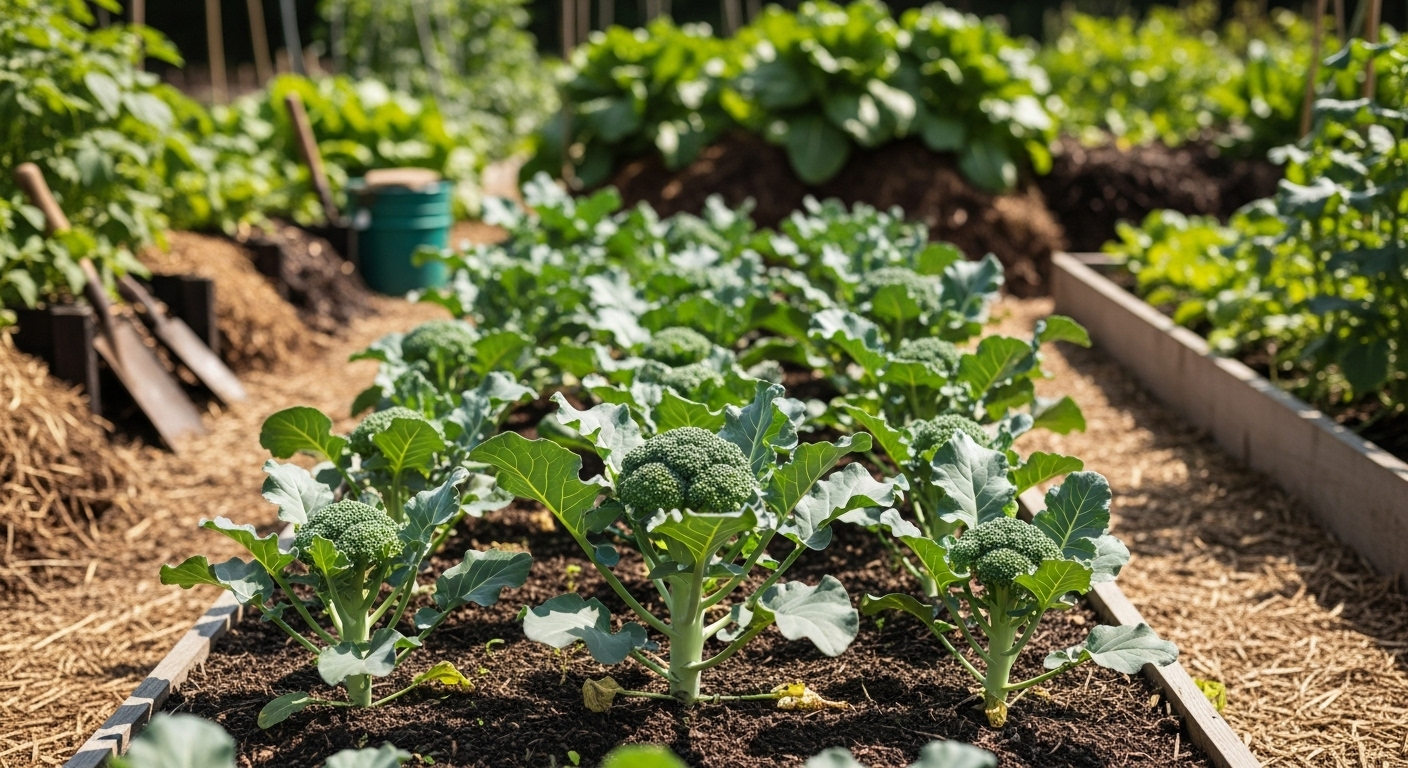
broccoli spacing is one of the secrets to growing big, healthy heads of this beloved vegetable in your own backyard. Broccoli is a staple in many home gardens, not only because it’s easy to grow but also thanks to its powerhouse of vitamins, minerals, and antioxidants. Packed with fiber and nutrients like vitamin C, broccoli is known for supporting a healthy immune system and overall wellness—making it a favorite for families seeking fresh and nutritious meals.
But to truly reap these rewards, how far apart you space broccoli plants matters more than most new gardeners realize. In this guide, you’ll discover why correct spacing is crucial, find practical tips for planting in both rows and raised beds, and learn how to avoid common mistakes that can affect your harvest. Whether you’re a beginner or a seasoned grower, this post will help you set your broccoli crop up for success.
Choosing Broccoli Varieties
When picking broccoli varieties for your home garden, it’s smart to consider both your regional climate and the length of your growing season.
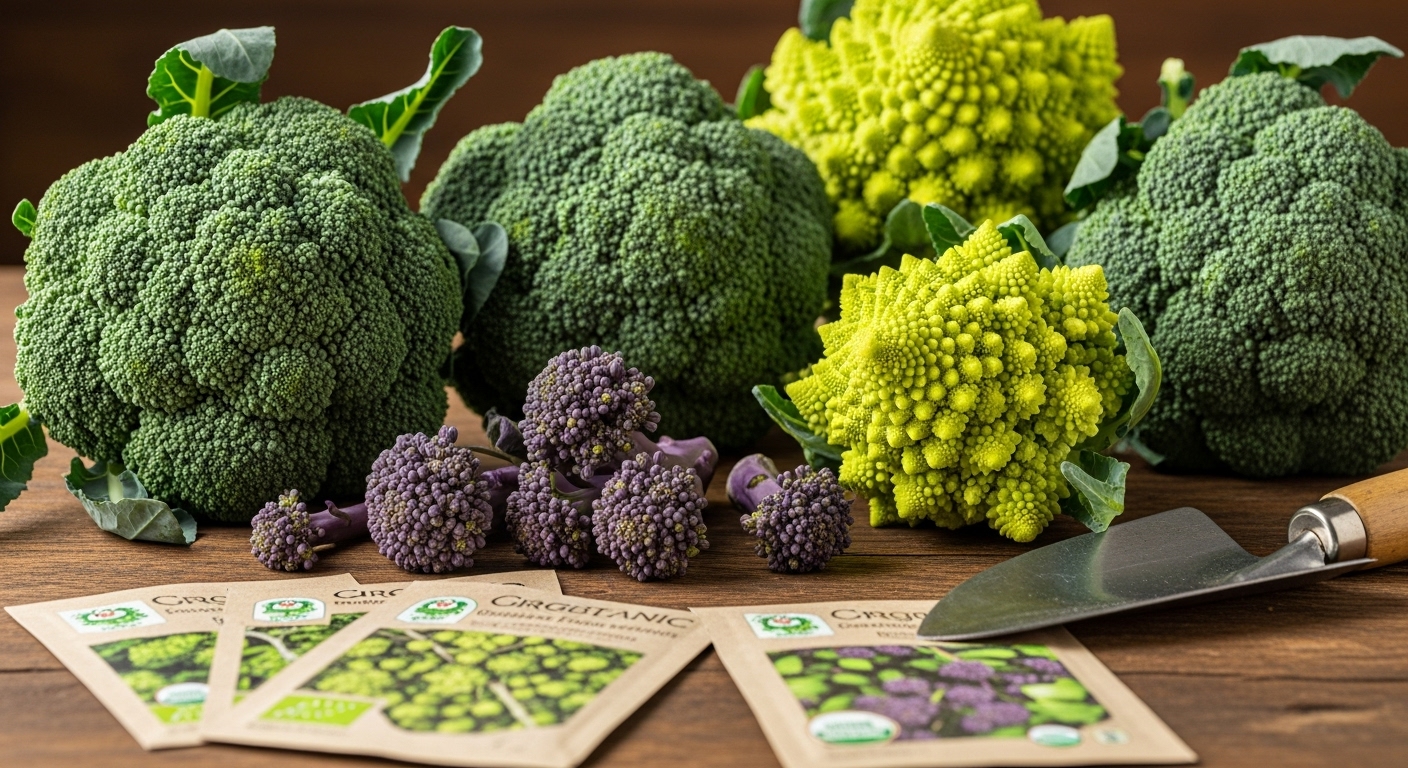
For most gardeners, classic “heading” broccoli like ‘Green Magic,’ ‘Packman,’ or ‘Belstar’ are reliable choices—these form large, tight green heads and generally perform well in a range of conditions.
If your area has a short or unpredictable season, go for early-maturing types such as ‘De Cicco’ or ‘Calabrese,’ which can be ready to harvest in 50–60 days and allow room for a late summer or fall crop.
Sprouting broccolis, such as purple sprouting or ‘Santee,’ produce many small florets rather than a single big head, offering extended harvests and thriving in cooler climates—great if you want to spread out your picking or live somewhere with mild winters.
Specialty broccolis like ‘Romanesco’ stand out for their unique chartreuse color and fractal-like heads, adding visual interest and flavor to your meals, but these often need a slightly longer, more predictable growing period.
No matter what variety you pick, look for seeds labeled “disease-resistant” to give your crop an extra edge against common issues like downy mildew or clubroot.
Also, try to match varieties with your local conditions—some broccolis handle heat better, while others tolerate light frosts. Local garden centers often carry varieties proven to do well in your region, and fellow gardeners can share what’s worked well in their plots.
By considering your climate, desired harvest window, and any local pest or disease pressures, you’ll set yourself up for a more successful, flavorful broccoli harvest.
Preparing the Site and Soil
Getting your garden ready for brassicas—like broccoli, cabbage, and kale—starts with choosing the right spot and making sure the soil is just right. These vegetables thrive in full sunlight, needing at least six hours of direct sun a day for healthy, compact growth. So, pick a location that’s not shaded by trees or buildings.
Well-drained soil is also key; brassicas hate soggy roots, which can lead to rot or disease. Test your soil’s pH before planting, aiming for a slightly acidic to neutral range (about 6.0 to 7.0). Levels that are too high or too low can block essential nutrients.
If your soil feels heavy or sandy, don’t worry—adding organic matter like compost, well-rotted manure, or leaf mold can improve its structure, helping with both drainage and water retention. These amendments also feed the soil, providing nutrients that brassicas need for strong, tasty crops.
Each year, try not to plant brassicas in the same spot as the year before; rotating your crops helps prevent soil-borne diseases like clubroot from taking hold and also keeps soil nutrients in better balance. As a rule of thumb, wait at least three years before planting the same crop family in the same bed again. This simple step sets the stage for a healthy, productive brassica patch season after season.
Sowing and Planting Broccoli
When it comes to sowing and planting broccoli, timing is everything for a successful harvest. Start broccoli seeds indoors about 6–8 weeks before your last expected frost date if you want an early spring crop—this gives the plants a sturdy head start. For fall harvests, you can sow seeds directly outdoors in midsummer, once soil temperatures cool down below 80°F.
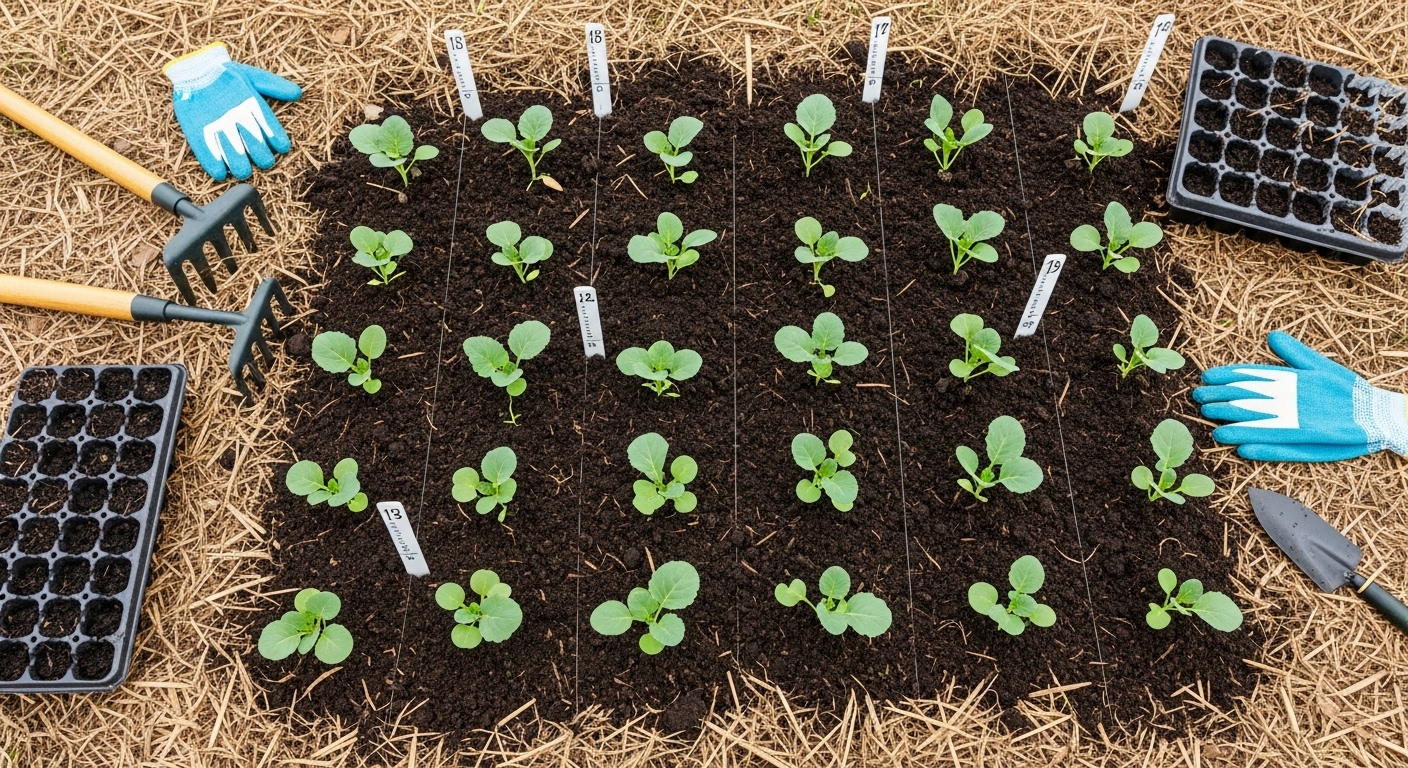
After the seedlings have at least two sets of true leaves and the threat of frost has passed, transplant them into your garden. If you’re planting in traditional garden beds, space each broccoli seedling 18–24 inches apart in rows about 2–3 feet apart. This promotes strong growth and good airflow—crucial for preventing diseases like mildew that thrive in crowded, damp conditions.
For raised beds or square foot gardens, aim for one plant per square foot, which still offers enough space for the leaves to spread out without competing too much. Remember, tight spacing can lead to smaller heads and more pest issues, while ample room results in larger, healthier plants and better harvests.
Companion Planting
Consider growing broccoli alongside aromatic herbs like dill and mint, which can deter pests, or with crops like onions and beets that won’t compete for the same nutrients. Avoid planting broccoli near other brassicas or heavy feeders to minimize disease risk and nutrient depletion. Careful planning at planting time pays off with a strong, healthy broccoli patch later in the season.
Caring for Broccoli Plants
Proper care is key to growing vigorous broccoli plants with big, tasty heads. Water consistently, aiming for about 1-1.5 inches per week, delivered at the base to keep leaves dry and prevent diseases—early morning is best so the soil dries by evening.
Mulching is your best friend: add a 2-3 inch layer of straw, shredded leaves, or compost around each plant to lock in moisture, suppress weeds, and regulate soil temperature, especially during hot spells.
Feed your broccoli regularly with a balanced organic fertilizer; products high in nitrogen—like blood meal or a fish emulsion solution—help promote healthy leaf growth, which is crucial for robust heads. Start fertilizing two weeks after transplanting and repeat every few weeks, following the label instructions for your chosen organic feed.
To support young broccoli and reduce transplant shock, water thoroughly after planting and consider using a diluted seaweed extract, which can help roots settle and encourage resilience. Protect tender seedlings from harsh sun and wind for the first week or two with shade cloth or row covers.
These simple steps will give your broccoli a strong start and help ensure a healthy, productive crop.
Managing Pests and Problems
Gardeners often face pests like aphids, cabbage worms, and flea beetles, which can quickly damage crops if ignored. To control these organically, try introducing beneficial insects such as ladybugs for aphids, hand-picking cabbage worms in the early morning, and deploying row covers to block flea beetles. Neem oil or insecticidal soap sprays are also effective and safe solutions.
Alongside pests, common issues like bolting (when plants suddenly flower and go to seed), yellowing leaves, and stunted growth can crop up. Bolting typically happens in hot weather—plant your crops early or use shade cloths to prevent sudden temperature spikes. Yellowing leaves may signal nutrient deficiencies or poor drainage, so check your soil and water consistently but don’t overwater. If your plants seem stunted, inspect for compacted soil or root pests and adjust as needed.
Good spacing gives plants room to breathe, which reduces humidity and the spread of disease, while rotating crops each season disrupts pest and disease cycles. Keep an eye on your plants daily—look under leaves and along stems for early signs of trouble. Catching problems early, whether you spot tiny holes in leaves or a cluster of aphids, lets you act fast with minimal intervention, protecting your harvest before things get out of hand.
Harvesting and Storing Broccoli
Knowing when to harvest broccoli is key to getting the best flavor and texture. Watch for tight, firm heads with compact, dark green buds—harvest before the buds start to open or show yellow.
Use a sharp knife to cut the head about 5 inches below where the stem meets the main cluster, angling the cut slightly to prevent water from pooling and causing rot.
Don’t pull up the entire plant after the first harvest; leave the roots and a few leaves intact. This encourages smaller side shoots to develop around the main stem, giving you multiple mini-harvests over several weeks.
For short-term storage, wrap the heads loosely in a damp paper towel and place them in the crisper drawer of your refrigerator; they’ll stay fresh for up to a week.
If you have an abundant crop or want to save some for later, blanch the broccoli for three minutes in boiling water, then quickly cool it in ice water before freezing. This helps preserve flavor and texture for several months.
To keep broccoli producing through the season, pick heads regularly, provide consistent moisture, and mulch around plants to suppress weeds and regulate temperature. These simple steps can maximize your garden’s productivity and keep your meals supplied with fresh, homegrown broccoli.
Conclusion & Quick Tips
Growing broccoli at home offers fresh, nutrient-packed harvests and can be surprisingly rewarding—even for beginners. With a little care, you’ll enjoy crisp florets that taste better than store-bought.
For best results, plant in cool weather, keep soil consistently moist, and watch for pests like cabbage worms. Try experimenting with different varieties, such as sprouting broccoli or Romanesco, to find your favorites. Don’t be afraid to tweak your approach each season!
Have you grown broccoli before? Share your successes, challenges, or favorite tips in the comments below, and let’s learn from each other’s experiences.