Introduction to Broccoli Roots and Planting Basics
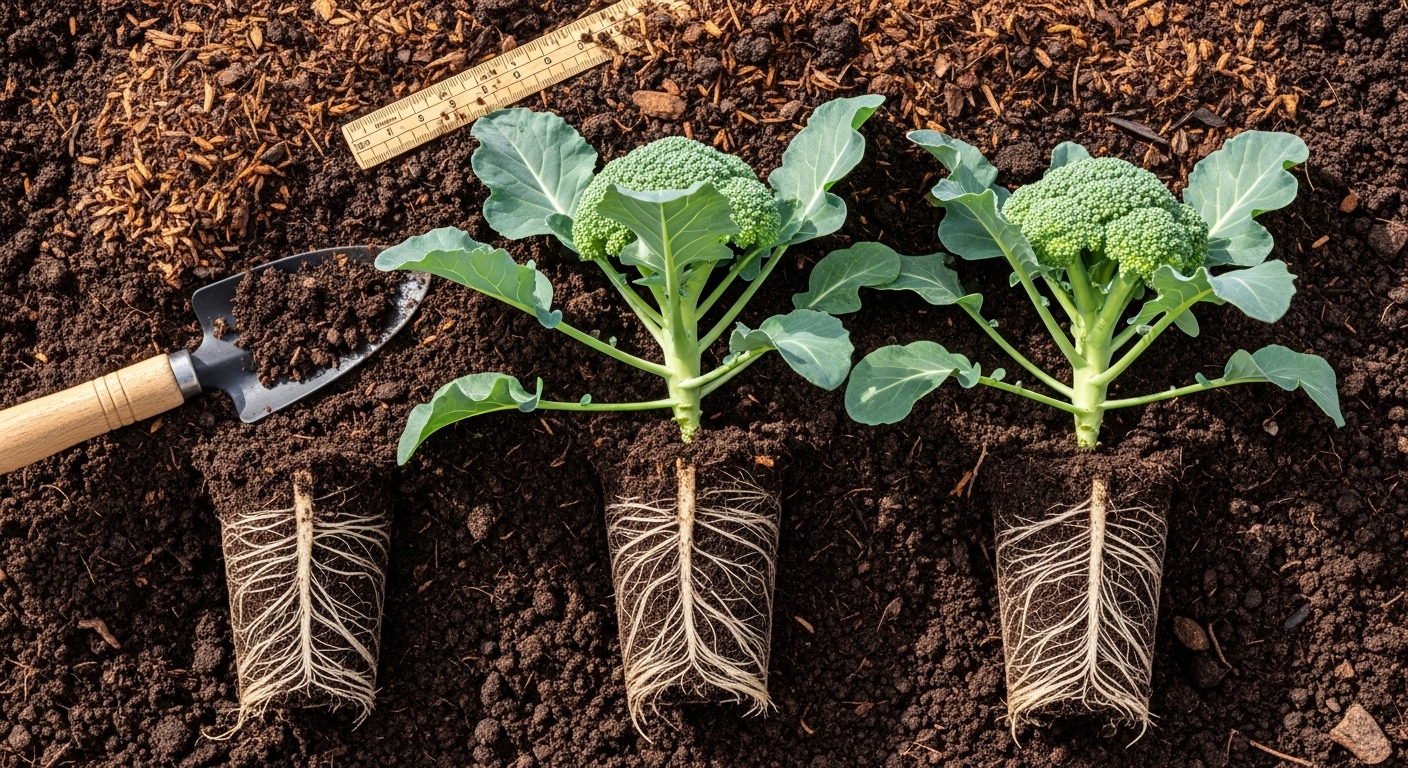
Knowing the right broccoli seed depth is the first step in growing robust, healthy broccoli plants. Broccoli, with its shallow yet wide-spreading root system, depends heavily on proper planting techniques from day one.
Why does this matter? Because when broccoli seeds are planted at the correct depth, roots can efficiently access water and nutrients, anchor firmly in the soil, and set the stage for abundant harvests. Many new gardeners underestimate the role roots play in successful broccoli growth—healthy roots mean resilient plants that can stand up to pests, heat, and unexpected changes in weather.
In this article, we’ll dive into the basics of broccoli’s unique root structure and show you practical steps for measuring and achieving the perfect broccoli seed depth. Along the way, you’ll get tried-and-true planting tips, discover how to nurture strong seedlings, and learn simple care routines for a garden full of vigorous broccoli.
Whether you’re starting with seeds indoors or sowing directly in your garden bed, these foundational principles will help you grow your best broccoli yet.
Types and Structure of Broccoli Roots
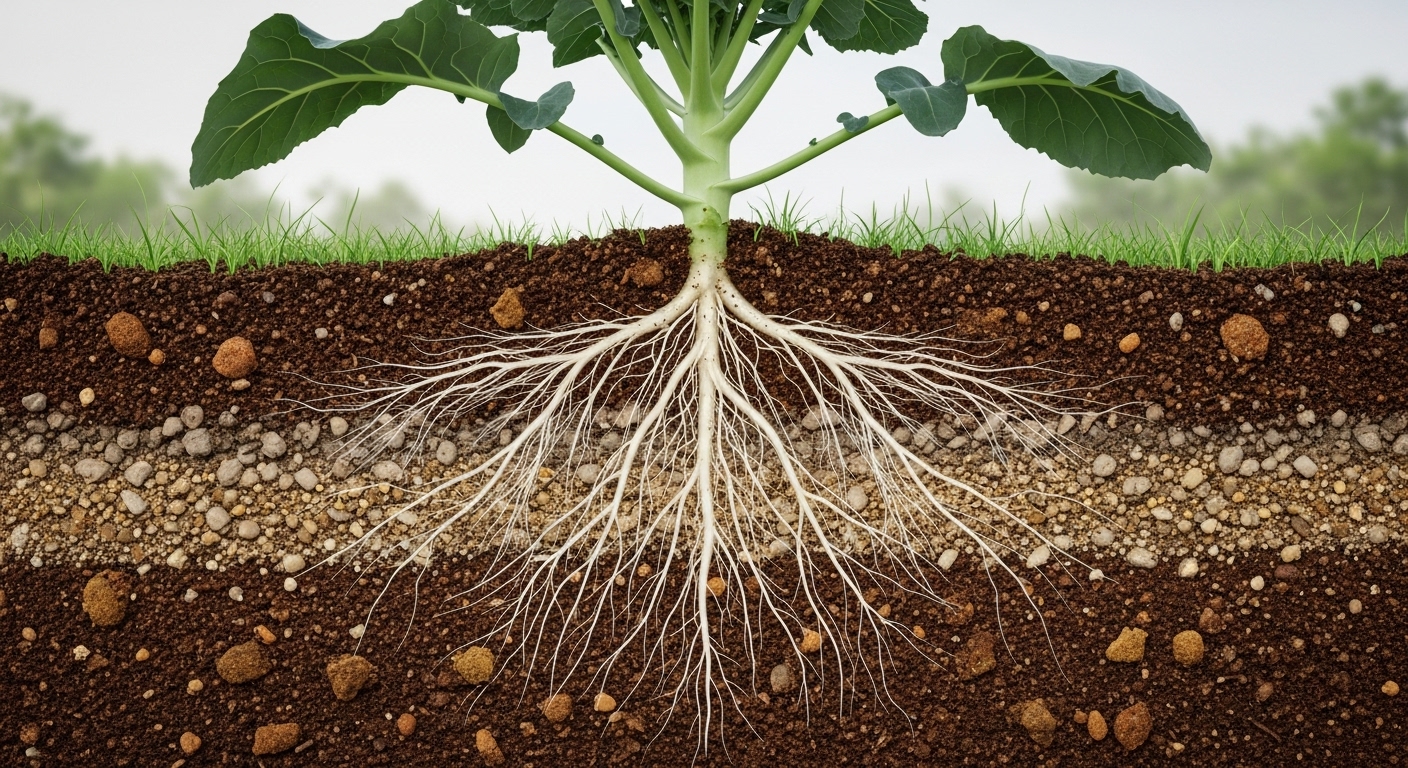
Broccoli plants have a fibrous root system, which means they develop many thin, branching roots instead of one thick taproot. These roots spread out in the upper layers of soil. When broccoli seeds germinate, the first roots, called radicles, grow downward and quickly branch out, forming a dense network close to the surface.
As the seedling matures, these roots extend both deeper—usually reaching about 18 to 24 inches—and wider, often spreading 12 to 24 inches in every direction. This extensive root system helps the plant efficiently access water and nutrients. However, planting broccoli too closely can cause overcrowding and competition for resources.
Proper spacing of around 18 to 24 inches between plants allows each broccoli head to fully develop without restricting root growth. The shallow but wide spread of roots also means broccoli needs well-drained soil rich in organic matter to prevent waterlogging, which can damage roots and reduce nutrient uptake.
Loamy soils with good moisture retention but fast drainage are ideal, while heavy clay or compacted soils may stunt root expansion. By understanding how broccoli roots grow and what they need, you can plan for healthier plants with bigger, tastier heads.
Regularly loosening the soil before planting and avoiding excessive watering will further support robust root systems.
Planting Depth, Spacing, and Soil Preparation
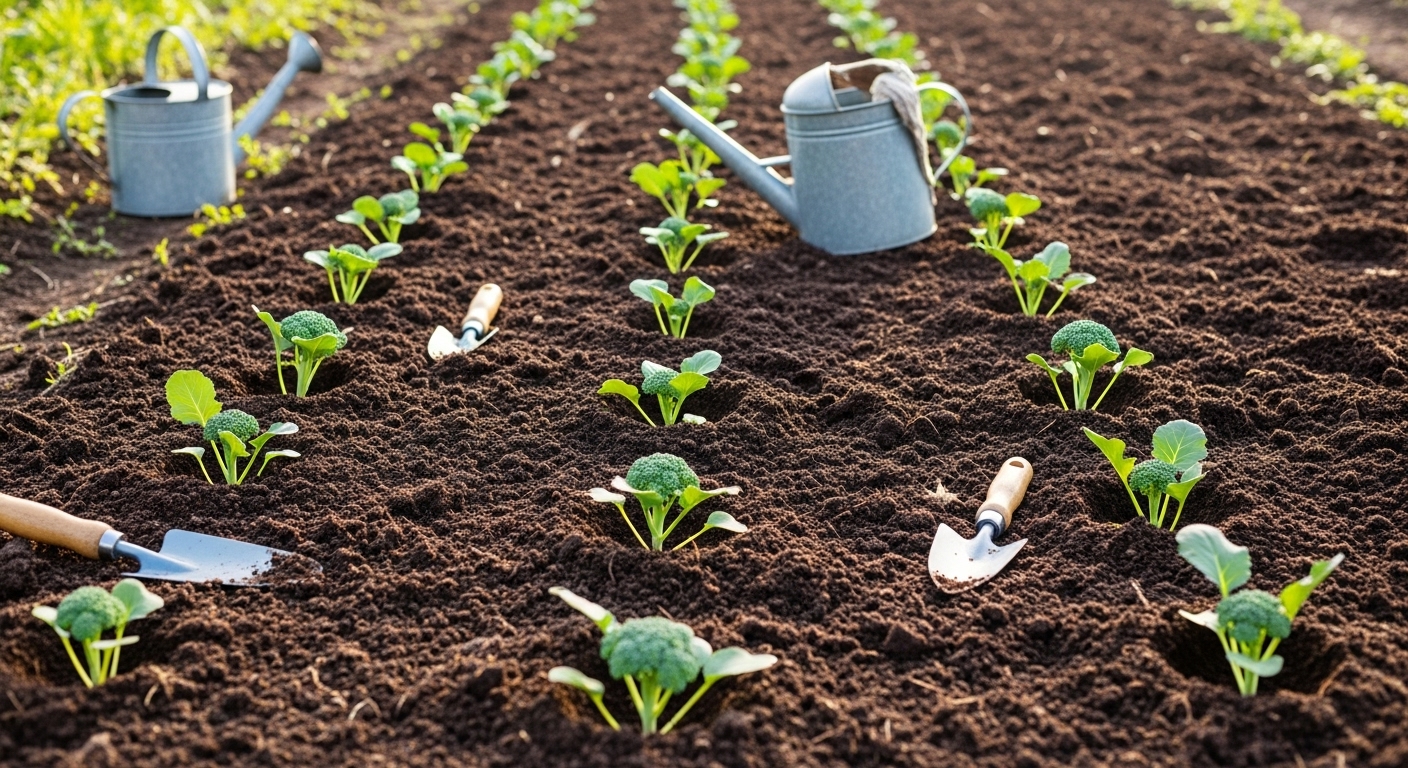
Getting broccoli off to a strong start begins with proper planting depth. If you’re sowing seeds directly, aim to plant them about half an inch deep—deep enough to keep them stable and moist without blocking their access to light during germination. For transplants, set seedlings so the soil reaches the first set of true leaves; this encourages sturdy growth and helps prevent legginess.
When it comes to spacing, broccoli needs elbow room. Leave about 18 inches between each plant (or seed) and 24 inches between rows. This generous spacing ensures each plant has enough soil nutrients and air circulation, while also preventing root crowding, which can stunt growth.
Broccoli loves well-draining, loamy soil rich in organic matter. Work compost or well-rotted manure into the top six inches before planting; this improves texture and fertility, giving roots plenty of loose space to expand. Avoid planting in heavy clay or excessively sandy soils unless they’re amended, as poor drainage and low fertility can hinder growth.
If you’re starting from seeds, expect growth to be a bit slower, but it’s a more economical option and offers a wider variety of cultivars. Transplants, on the other hand, give you a head start and are especially useful in shorter growing seasons—just be gentle when planting to minimize root disturbance.
No matter your method, prioritize soil preparation and attention to spacing for a harvest of healthy, vigorous broccoli.
Watering, Fertilizing, and Supporting Root Health
Developing deep, healthy roots starts with smart watering techniques—give your plants a deep soak less frequently, rather than a light sprinkle every day. This encourages roots to grow downward in search of moisture, making them more robust and drought-resistant.
Aim for about an inch of water once or twice a week, adjusting for rainfall and soil type; sandy soil needs more frequent watering than clay.
Fertilizers play a vital role: use a balanced fertilizer (like 10-10-10 for N-P-K) in early spring, then again about halfway through the growing season. Over-fertilizing can actually weaken roots, so follow label instructions closely.
Mulch is your root system’s best friend—spread 2–3 inches of organic mulch such as shredded bark or compost on top of the soil. Mulching keeps roots cool, conserves moisture, and keeps weeds from stealing nutrients.
You can further protect roots by avoiding heavy foot traffic or compacting the soil around your plants.
Healthy roots reveal themselves through steady, vibrant growth above ground—look for lush, green leaves, consistent new shoots, and fewer signs of stress like wilting or yellowing. Together, these habits set the stage for thriving plants from the ground up.
Root-Related Issues and Solutions
Root problems can quickly derail healthy plant growth, so it’s crucial to spot and solve them early. Root rot, for example, is a common issue often caused by overly wet soil or poor drainage. Look for mushy roots, drooping stems, and yellowing leaves as warning signs.
If your plant seems stunted or its roots circle densely when you lift it from its pot, it may be rootbound—a frequent problem for potted plants. Compact soil can also choke out roots, leading to poor water absorption and nutrient uptake. Additionally, underground pests like grubs or root aphids may cause wilting or unexpected decline.
Above ground, symptoms like yellow or browning leaves, slow or no new growth, and leaf drop often signal hidden trouble below.
To fix these issues, start by ensuring pots and garden beds have excellent drainage—avoid letting water pool at the base. If you suspect root rot, carefully trim affected roots and repot the plant into fresh, drier soil. For rootbound conditions, move your plant to a slightly larger pot and gently loosen the roots before replanting.
Prevent compacted soil by aerating it annually and adding organic matter to keep it light. Lastly, keep an eye out for pests, treating infestations promptly with insecticidal soap or by pruning damaged roots. Regularly checking your plants and adjusting care routines can keep roots—and the whole plant—thriving.
Broccoli Harvest, Propagation, and Plant Division
To get the best flavor and nutrition from your broccoli, harvest the central head when it’s fully developed but before the small buds open into yellow flowers. Use a sharp knife to cut the main stem several inches below the head, leaving some smaller side shoots intact—this encourages additional mini-harvests later.
Broccoli seeds are best started indoors 6-8 weeks before the last expected frost, then transplanted outdoors. You can also sow seeds directly if you have a long, cool growing season.
While broccoli is typically propagated by seed, division isn’t effective because it grows from a single main stem rather than clumps or root crowns that can be split like perennials.
As the growing season wraps up, remove spent plants after the final harvest and clear away any leaf litter to prevent overwintering pests. Compost healthy plant debris or dispose of diseased plants away from the garden.
For crop rotation success and healthy soil, add compost or well-rotted manure to the bed and allow it to rest before replanting. Rotate broccoli with unrelated crops—like beans or corn—in the following season to minimize soil-borne disease and optimize plant health.
Quick Broccoli Root FAQs and Final Tips
Broccoli roots typically grow to a depth of 12 to 18 inches, which is deeper than many gardeners expect. This means that when growing broccoli in containers, you should choose pots that are at least 12 inches deep and wide to give the roots plenty of space to develop.
Healthy broccoli roots need loose, well-draining soil and consistent moisture—but not soggy conditions. Make sure to check the soil regularly; it should feel damp but not wet.
If your broccoli shows signs of yellowing leaves or stunted growth, root health might be the issue. Check for compacted soil or poor drainage, and adjust as needed.
To keep roots strong, add compost or organic matter to the soil before planting, and mulch around the base to retain moisture and regulate temperature.
If pests like root maggots appear, try using floating row covers and maintain clean garden beds.
Remember, patient observation is key—each plant can behave a little differently, so don’t be discouraged by early setbacks. With attention to soil quality and container choice, your broccoli will reward you with healthy growth and tasty florets. So dig in, stay curious, and enjoy the process!