Introduction
If you’ve ever tried to grow broccoli in hot climates, you know it can be a real challenge. Broccoli is traditionally a cool-season crop, thriving when temperatures are mild and struggling as the heat ramps up. High temperatures can cause broccoli to bolt quickly, produce smaller heads, and develop bitter flavors, leaving gardeners frustrated after investing time and effort. But don’t let the weather defeat your homegrown veggie dreams!
With some smart planning, choosing heat-tolerant varieties, and a few key techniques like shading and strategic watering, you can still harvest healthy, tasty broccoli even as the mercury rises. In this post, you’ll discover practical, easy-to-follow tips tailored to hot weather growing, recommendations for the best broccoli types for warm conditions, and proven strategies to beat the heat—all so you can enjoy fresh broccoli for more months of the year.
Understanding Broccoli’s Climate Preferences
Broccoli thrives best in cooler climates, making it a staple for spring and fall gardens. Its ideal temperature range is between 60°F and 70°F (15°C and 21°C). When daytime temperatures climb above 75°F (24°C), broccoli can experience heat stress.
This stress often leads to bolting, which is when the plant sends up flower stalks prematurely, producing yellow flowers instead of forming tight, edible heads. Another common symptom of heat stress is poor head development, where the broccoli heads become loose, small, or even fail to form at all.
Gardeners can spot these issues early if they notice the central crown elongating or if the plant’s leaves start to look wilted and dry despite adequate watering. To prevent these problems, time your broccoli planting to avoid the hottest part of the year—sow seeds indoors in late winter for a spring harvest or outside in late summer for a fall harvest.
Providing afternoon shade or mulching the soil can also help regulate temperature and protect plants from unexpected heat waves, ensuring your broccoli grows healthy and flavorful.
Best Broccoli Varieties for Hot Weather
Choosing the right broccoli variety can make all the difference when gardening in hot weather. Traditional broccoli often bolts or becomes bitter in high temperatures, but there are several heat-tolerant varieties bred specifically for warm climates.
Options like Green Magic, Belstar, and Sun King are top picks, as they resist bolting and produce tighter heads even when temperatures soar. Arcadia is another reliable choice, known for its adaptability and consistent yields in summer.
Selecting these varieties is key because broccoli typically prefers cooler conditions. Planting the right type helps ensure a plentiful harvest instead of disappointment.
For best results, look for seeds or young plants labeled “heat-tolerant” or “good for summer growing” at local nurseries or online retailers specializing in warm-region crops. Many seed companies, such as Johnny’s Selected Seeds and Baker Creek, provide detailed climate recommendations and support staff to help you choose the best option.
Also, consider checking with local agricultural extension offices—they often know which varieties perform best in your region and may offer regional seed swaps. By starting your garden with the right broccoli varieties, you’ll boost your odds of enjoying crisp, flavorful heads—even as the summer sun blazes.
Timing and Location: When & Where to Plant
Timing your planting is crucial for success, especially if you want to avoid periods of intense heat that can stress young plants. For most vegetables and flowers, aim to sow seeds or transplant seedlings in early spring or late summer, avoiding the peak of summer’s heat.
For example, lettuce and spinach thrive when planted as soon as the soil can be worked in spring or in late summer for a fall harvest. Location matters as well—select a spot that offers morning sun and afternoon shade if you’re in a hot region; partial sun can help prevent wilting and scorching.
South-facing fences or walls can create microclimates that are warmer and shielded from wind, offering a great environment for basil or tomatoes. Don’t forget the benefits of succession planting: by sowing small batches of seeds every two weeks, you extend your harvest and make the most of your space.
Pay attention to your garden’s unique sun patterns and consider experimenting; even potted plants can be moved to optimize light and shade. A little planning with timing, placement, and succession planting can make a big difference, resulting in healthier plants and a longer, more fruitful growing season.
Soil Preparation and Fertility
To prepare well-drained, fertile soil for growing broccoli in hot weather, start by selecting a sunny site and loosening the soil to a depth of 12–15 inches. This ensures good root growth and helps prevent waterlogging. Mix in plenty of organic matter, such as compost or well-rotted manure, which boosts fertility and improves soil structure.
For optimal results, test your soil’s pH; broccoli thrives in a slightly acidic to neutral range, ideally between 6.0 and 7.0. Amend the soil as needed with garden lime to raise pH if it’s too acidic, or add sulfur to lower it if it’s too alkaline. Before planting, create raised beds or rows to further enhance drainage—especially important in hot climates where heavy rain can compact soil.
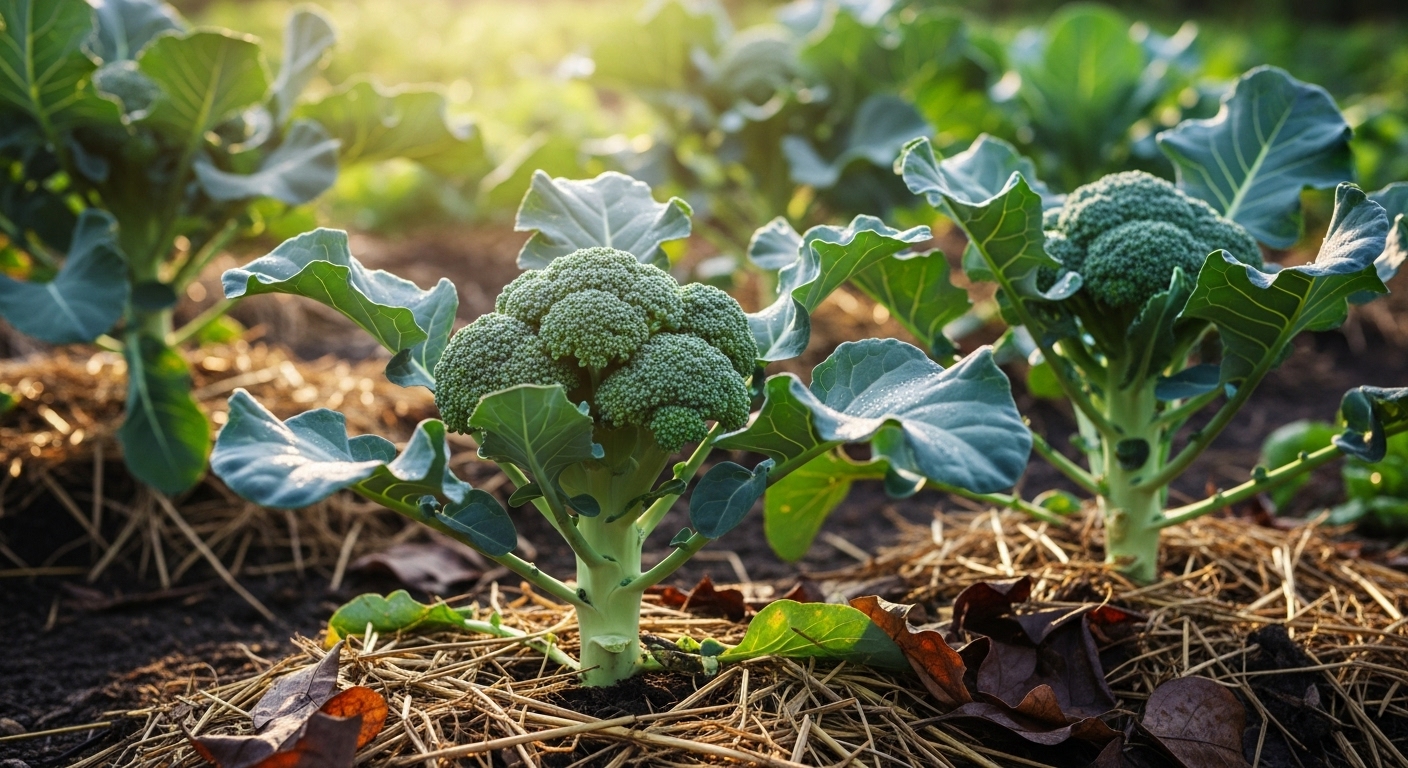
After planting, apply a 2–3 inch layer of organic mulch—like straw, shredded leaves, or grass clippings—around your broccoli. Mulching helps conserve moisture during scorching days, keeps the root zone cool, and suppresses weeds that compete for nutrients.
As the season progresses, top up with compost or a balanced vegetable fertilizer to ensure your plants have a steady supply of nutrients. Regularly check soil moisture and avoid overwatering; consistent, moderate moisture is key for healthy broccoli in hot weather.
Watering and Heat Protection Techniques
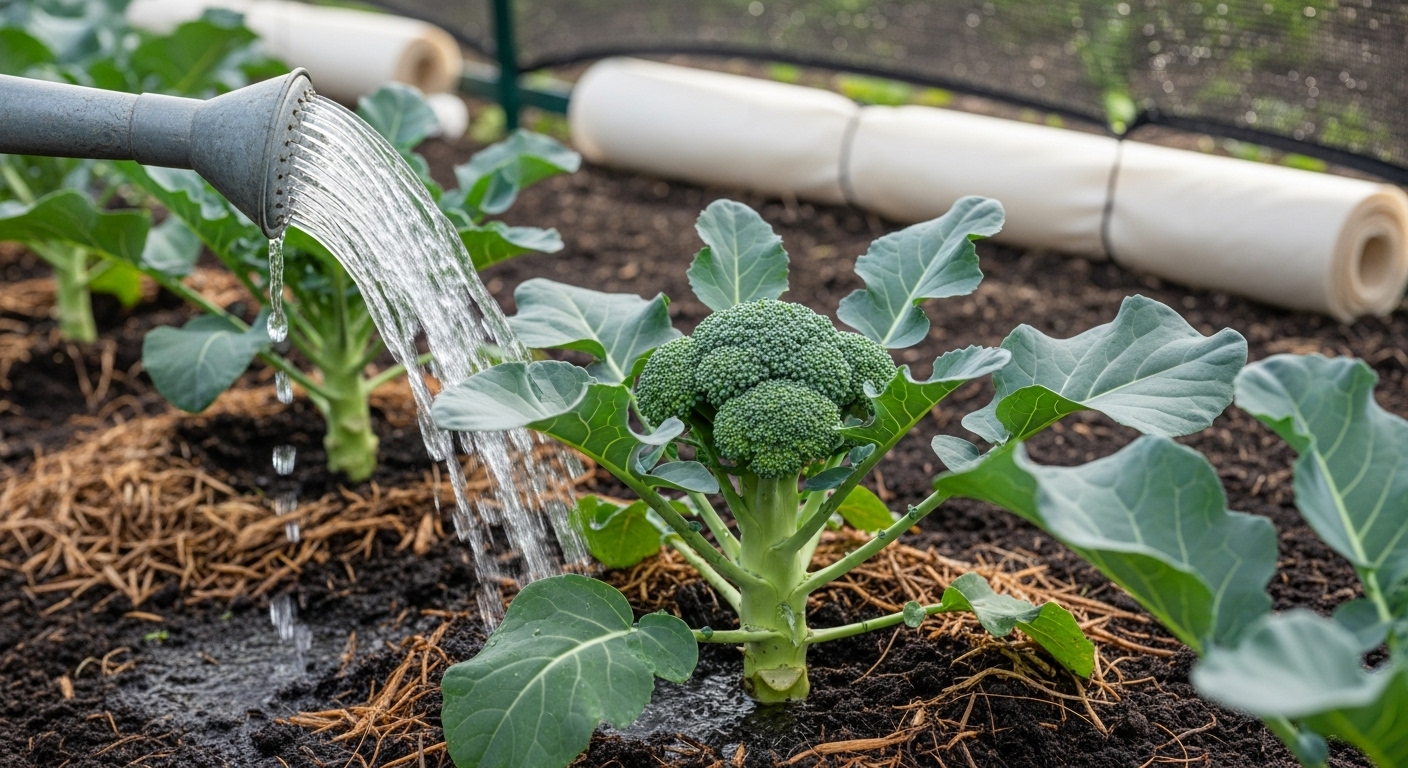
During hot spells, watering your garden effectively can make all the difference. Aim to water early in the morning, giving moisture time to reach the roots before the midday sun causes rapid evaporation. Deep watering two or three times a week is often better than shallow, daily sprinkling—this encourages roots to grow deeper, improving drought resilience.
If you notice plants wilting in the heat, curling leaves, or dry, crumbly soil, they may be underwatered. Meanwhile, yellowing leaves, mushy stems, or constantly soggy soil could signal overwatering, even in high temperatures.
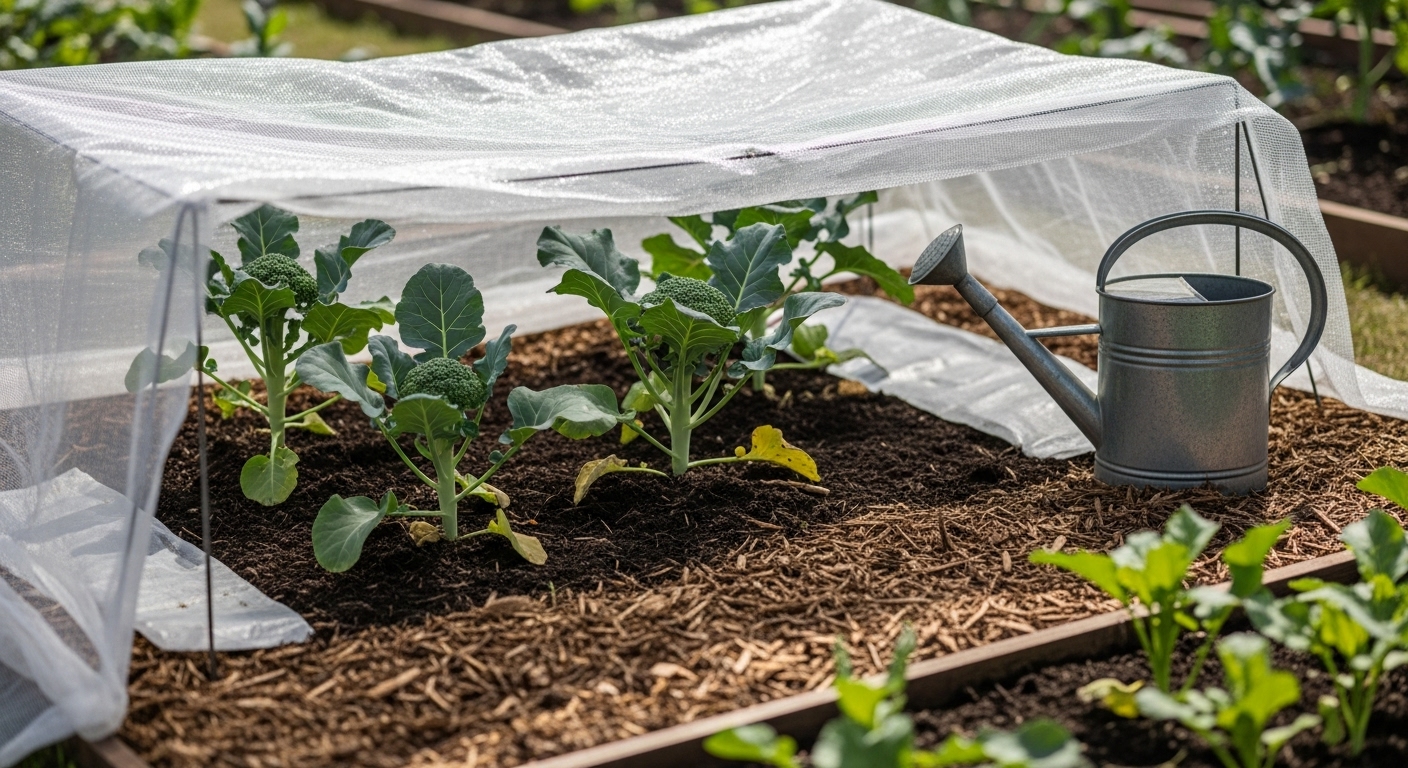
To further protect your plants, use row covers or shade cloths to reduce sun intensity. These materials are easy to drape over frames and allow air to circulate while still warding off harsh rays. Mulching around plant bases with straw, shredded leaves, or bark chips helps regulate soil temperature and retain moisture in the ground.
Remember, a combination of mindful watering and physical barriers is key: with a little planning, your plants can withstand even the hottest days of summer.
Dealing with Pests and Diseases in Summer
During the hot summer months, broccoli can attract pests like aphids, cabbage loopers, and flea beetles, as well as diseases such as downy mildew and clubroot, which thrive in warm, humid conditions. To keep your broccoli healthy, start with preventive measures: space your plants well to promote good air circulation and water early in the day, aiming for the base to keep foliage dry.
Use row covers to block insects and handpick larger pests when you spot them. Natural controls like introducing ladybugs to eat aphids or sprinkling diatomaceous earth around plants to deter crawling insects are effective and safe for your garden. Keeping your garden weed-free and rotating crops each year also helps break the life cycle of common pathogens.
Most importantly, check your broccoli plants every few days for early signs of trouble—catching issues early makes them much easier to manage before they get out of control.
Harvesting and Post-Harvest Care
In hot weather, broccoli matures much faster, so it’s crucial to keep a close eye on the central head. Harvest when the buds are tight, dark green, and before any yellow flowers start to appear—flowering means the plant is bolting, and quality drops quickly in heat.
Use a sharp knife to cut the central head in the morning, when it’s coolest, leaving several inches of stem and a few lower leaves for side shoots to develop. Work quickly through your plants, as heads can go from perfect to overripe in a single day during hot spells.
Immediately after harvesting, dunk the broccoli heads in cool water to remove field heat, then drain thoroughly. Store them in the fridge, ideally in loosely sealed bags to maintain humidity, and use within a week for the best flavor and texture. Keeping broccoli cold and slightly moist after harvest helps lock in freshness and prevent wilting.
Conclusion
Successfully growing broccoli in hot weather comes down to smart timing, selecting heat-tolerant varieties, providing afternoon shade, and mulching to retain soil moisture. Consistent watering and protecting young plants from sudden temperature spikes can make a big difference in your harvest.
Every garden is unique, so don’t hesitate to experiment with different approaches based on your local conditions—you might discover creative solutions that work best for your microclimate.
Have you tried growing broccoli in warm weather? Share your tips, experiences, or questions in the comments below so we can all learn from each other’s successes and challenges.