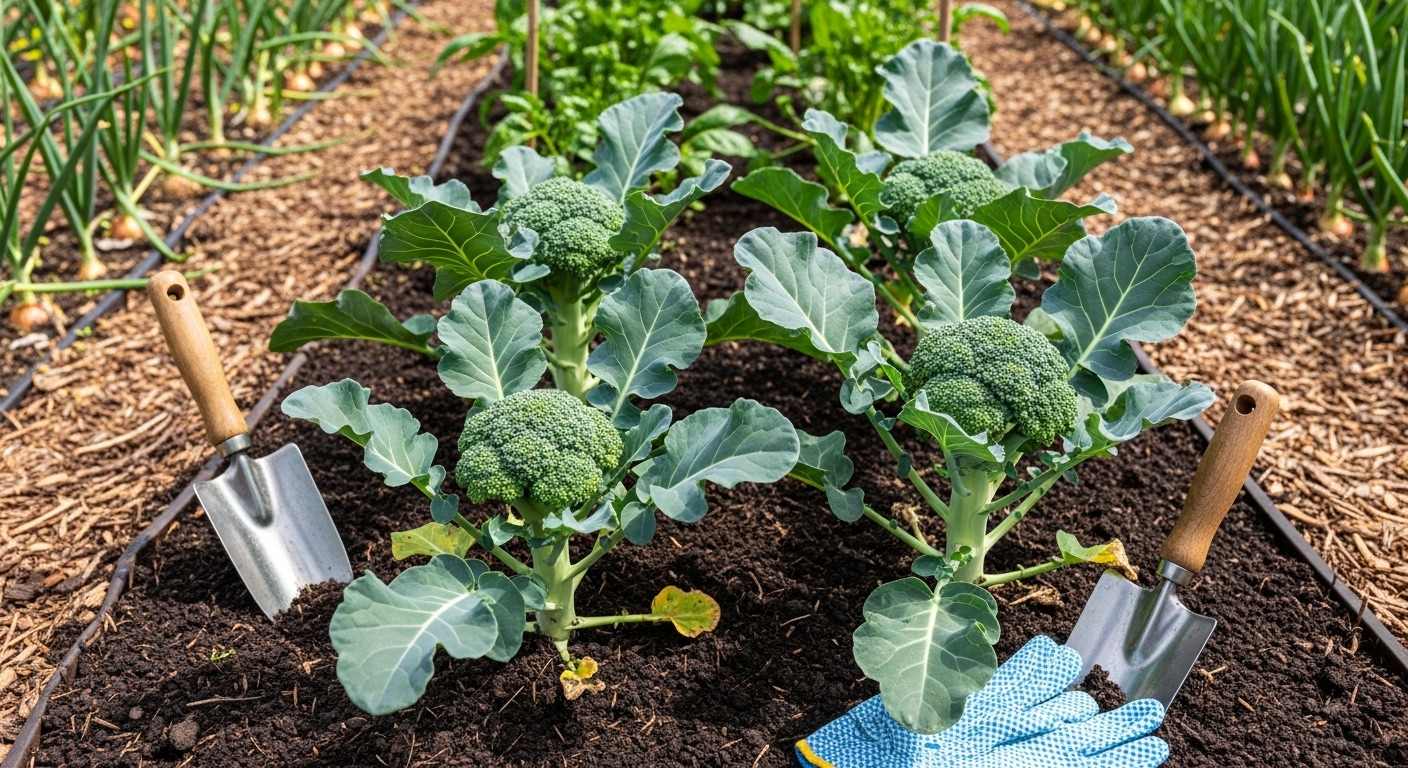
Is Broccoli Easy to Grow?
When it comes to cultivating a healthy, productive garden, avoiding common broccoli growing mistakes can make all the difference between a lush harvest and a disappointing yield. Broccoli is one of the most popular vegetables among home gardeners, prized for its rich nutritional profile—it’s packed with vitamins C, K, and A, as well as fiber, antioxidants, and even a fair dose of protein. Its ability to boost immunity, support heart health, and add vibrant green to daily meals makes it a favorite choice in both backyard plots and kitchen gardens. But despite its reputation as a cool-weather crop that’s relatively hardy, many first-time growers underestimate the quirks that make broccoli both rewarding and challenging to grow.
Part of broccoli’s appeal is its adaptability. It thrives in many climates during spring and fall, and for beginner and intermediate gardeners, seeing those tight, green heads form after weeks of patience can be incredibly satisfying. Yet, broccoli has its fair share of pitfalls. Too much heat, poor soil quality, inconsistent watering, or timing missteps can all sabotage an otherwise promising crop. Overcrowding, neglecting pest control, or choosing the wrong variety for your region are classic errors that stunt growth or yield bitter heads.
Still, with thoughtful planning and attention to details like spacing, fertilization, and planting time, broccoli becomes a worthwhile project that delivers crisp, delicious results. By learning from others’ experiences and sidestepping broccoli growing mistakes, gardeners set themselves up for success—enjoying a hearty harvest that boosts both their kitchen menus and gardening confidence.
Choosing the Right Time and Place to Plant Broccoli
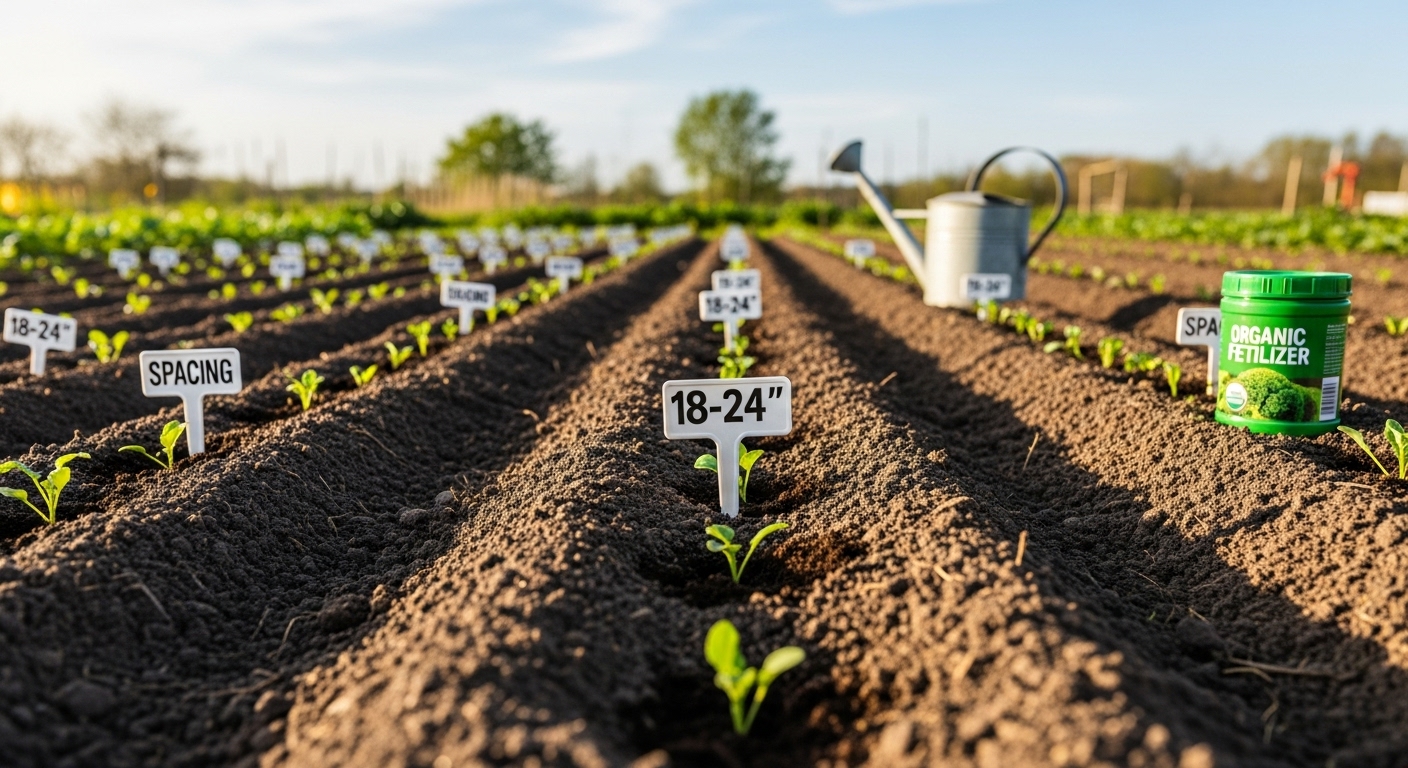
Broccoli thrives when planted at the right time and in the right location, so planning ahead makes all the difference for this cool-season vegetable. For most regions, broccoli does best when started early in the spring, a few weeks before the last expected frost, or in late summer for a fall harvest, taking advantage of its natural tolerance for light frost, which can even improve its flavor.
In warmer regions, like USDA Zones 7 to 11, fall planting is often preferable since hot summer temperatures can cause bolting, making the heads bitter and loose. Broccoli typically matures in about 60 to 100 days, so count back from your desired harvest window to select your planting date.
Choose a garden spot that receives at least six hours of full sun each day, as too much shade can result in smaller, less flavorful heads. Space plants 18 to 24 inches apart—crowding stresses them and encourages disease. If you’re short on space, broccoli grows well in large containers (at least 5 gallons), so consider patio or balcony gardening as an option.
When it comes to soil, broccoli needs rich, well-drained earth with a slightly acidic to neutral pH (6.0 to 7.0). Mix in plenty of compost or well-rotted manure to ensure consistent moisture and fertility—these plants are heavy feeders, and dry soils can lead to tough stalks and smaller heads. Mulching around the base of plants helps retain moisture and keeps the roots cool, which broccoli loves.
By matching broccoli’s needs with your local conditions and tending to these essentials, you’ll set the stage for big, delicious harvests all season long.
How to Start Broccoli: Seed or Transplant?
Starting broccoli can be done in two main ways: sowing seeds directly in the ground or starting seeds indoors and transplanting the seedlings later. Growing from seed indoors is a favorite for many gardeners in cooler climates. Plant seeds about 6-8 weeks before your last spring frost date, using shallow trays filled with seed-starting mix. Once seedlings have two true leaves, move them to individual containers until they’re big enough to go outside.
Starting seeds indoors gives you a head start on the season, lets you control early growth conditions, and often results in healthier, sturdier seedlings. On the other hand, direct seeding outdoors is simpler—just sow seeds ½-inch deep into prepared soil 2–4 weeks before your last frost date. This method works well in areas with longer cool springs, although it leaves seedlings vulnerable to fluctuating weather and pests.
Transplanting Broccoli
Transplanting gives you a jump on harvest but comes with some downsides, like the risk of transplant shock if seedlings aren’t hardened off properly. If you choose to transplant, gradually acclimate your plants to outdoor conditions over a week. Start with a few hours in filtered light, increasing to a full day in the sun.
When planting out, space seedlings at least 18-24 inches apart to prevent overcrowding—this improves airflow and reduces disease. Water thoroughly after planting and consider mulching with straw or compost to retain moisture and suppress weeds.
Direct Seeding Tips
With direct seeding, thin your seedlings to the same 18-24 inch spacing once they have a couple of true leaves. Whichever method you pick, keep soil moist and watch for pests like cabbage worms.
Choosing the Right Method
Ultimately, transplants are great for gardeners wanting a head start or dealing with short growing seasons, while direct seeding can be more straightforward and budget-friendly. Choose the method that fits your climate and schedule, and you’ll be on your way to healthy broccoli heads.
Broccoli Plant Care: Watering, Feeding, and Sunlight
Proper care is crucial for a healthy broccoli harvest, starting with tailored watering routines for each growth stage. When seeds first sprout and seedlings establish, keep the soil consistently moist but not soggy—watering lightly every 2 to 3 days helps roots develop without causing rot.
As plants mature, they need deeper, less frequent watering: aim for about 1 to 1.5 inches of water per week, either from rainfall or irrigation. Focus on watering during the morning hours so leaves dry early, reducing the risk of disease.
Feeding broccoli also demands attention since it’s a heavy feeder. Prior to planting, enrich the soil by mixing in a balanced fertilizer rich in nitrogen, phosphorus, and potassium, following the manufacturer’s label for quantities.
Once plants have settled in, side-dress with a nitrogen-heavy fertilizer—such as fish emulsion or blood meal—every 3 to 4 weeks. Scratch it lightly into the soil about six inches from the stems and water afterward to distribute nutrients.
Don’t forget sunlight: broccoli thrives with at least 6 hours of direct light per day, so pick a spot with full exposure. If late spring or summer brings heat waves, consider using shade cloths during the hottest afternoon hours, since broccoli prefers temperatures between 60°F and 70°F (16°C and 21°C).
Mulching around plants not only helps even out soil moisture but also moderates soil temperature, protecting roots during unexpected swings.
With attentive watering, thoughtful feeding, and the right mix of sun and temperature, your broccoli plants will reward you with lush growth and flavorful heads.
Protecting Broccoli from Common Problems
Keeping your broccoli healthy starts with recognizing its most common enemies: pests like cabbage worms and aphids, along with diseases such as clubroot and downy mildew. Cabbage worms—those small, green caterpillars—chew holes through leaves and can quickly devastate a crop. Hand-pick them early in the morning, or consider spraying the plants with a natural Bacillus thuringiensis (Bt) solution, which targets caterpillars but leaves other insects unharmed.
Aphids, those tiny green or gray insects, feed on plant sap and spread diseases. Blast aphids off with a strong spray of water or introduce beneficial predators, like ladybugs, to help keep populations in check. For fungal diseases like downy mildew, avoid wetting leaves when watering, space your plants to encourage airflow, and clear any plant debris from the soil. Clubroot, which causes swollen, misshapen roots, is best prevented by rotating crops each year and maintaining neutral soil pH, as the fungus thrives in acidic conditions.
Avoiding Common Growing Mistakes
Besides pests and diseases, avoid common growing mistakes to give your broccoli the best start. Overcrowding is a frequent issue—when plants are too close, airflow is restricted, increasing the chances for disease and stunted growth. Leave at least 18 inches between plants, and weed regularly to reduce competition for nutrients.
Timing is critical; broccoli prefers cool weather and struggles in heat. Plant seeds or seedlings in early spring or late summer, ensuring they’ll mature before high summer temperatures hit. Planting at the wrong time can result in bolting, where broccoli rushes to flower and the edible heads turn bitter.
Lastly, consider your broccoli’s neighbors—avoid planting near crops in the cabbage family (like cauliflower and kale), as they attract similar pests and diseases, and try companions like onions or dill, which can help repel unwanted insects.
By keeping an eye out for pests, practicing smart watering, spacing, and timing, and choosing the right plant partners, you can protect your broccoli and ensure a healthy, harvest-ready crop.
Harvesting and Storing Broccoli
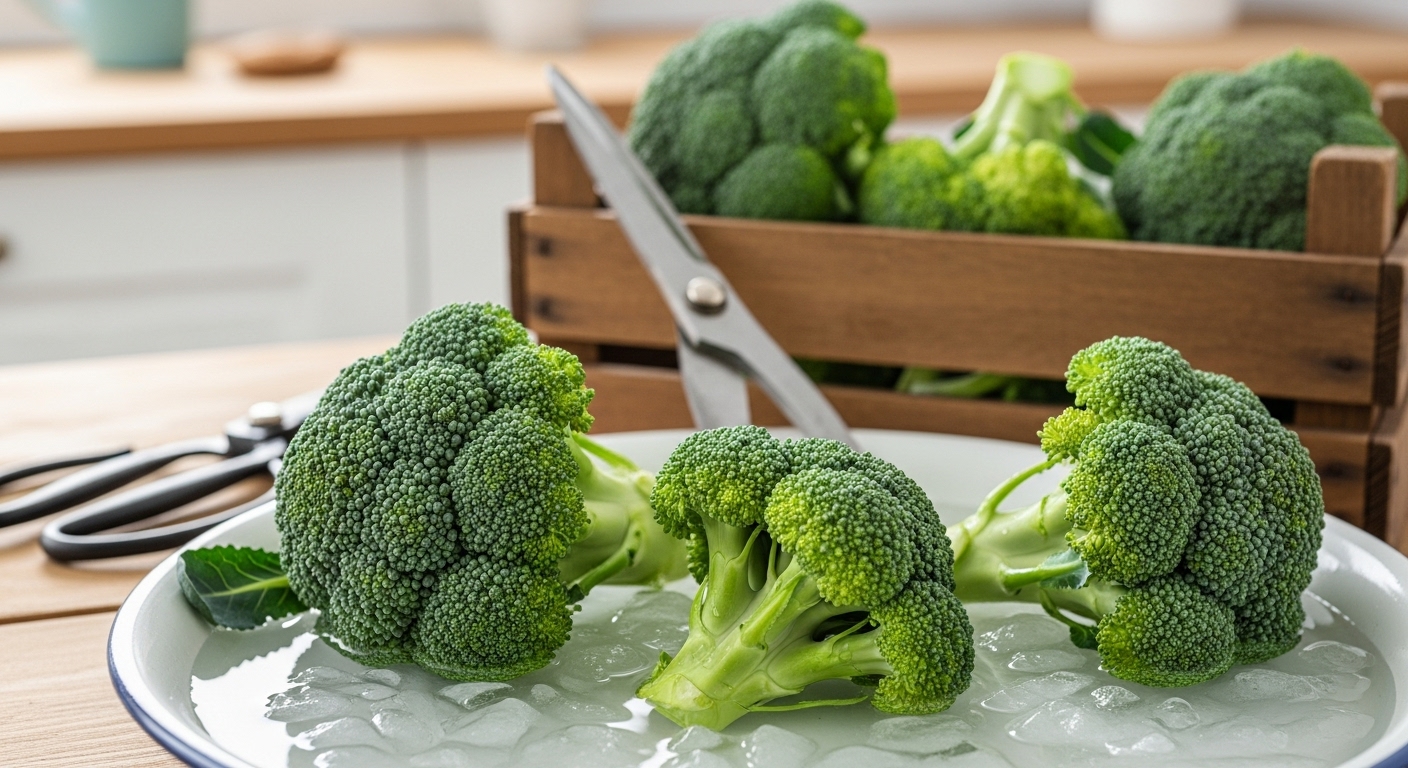
Knowing the perfect time to harvest broccoli can make all the difference in flavor and texture. Start checking your broccoli once the central head is roughly 4 to 7 inches across, with tight, firm florets and a deep green color. Don’t wait until the buds begin to loosen or show hints of yellow—this means it’s over-mature and can turn bitter.
For harvesting, use a clean, sharp knife or garden shears and cut the main head off at a slant, about 5 to 6 inches down the stalk. Leave as much of the plant and side shoots intact as possible—this encourages the plant to send up smaller side heads for a second harvest in a few weeks.
Once picked, immerse the heads immediately in cold water to remove field heat and any insects hiding between the florets. Dry thoroughly before storing. For best freshness, keep your broccoli unwashed in a perforated plastic bag in the refrigerator’s crisper drawer; it should stay crisp for up to a week.
If you have more than you can use fresh, blanch the broccoli in boiling water for a couple of minutes and freeze it to retain its texture and nutrients.
Beyond the usual steamed or roasted dishes, try tossing broccoli florets into stir-fries, adding raw pieces to salads for crunch, or whipping up a quick broccoli pesto for pasta or sandwiches. Even the trimmed stalks can be peeled and sliced for soups, slaws, or as a crunchy snack.
Broccoli Growing Quick Tips & Troubleshooting
Broccoli thrives in cool weather, so plant seeds or seedlings early in spring or late summer for a strong harvest. Make sure the soil drains well and is rich in organic matter—mix in compost before planting for the best results.
Keep your broccoli consistently watered, aiming for about an inch of water per week, and mulch around the plants to retain moisture and keep weeds at bay. If your broccoli looks limp, check that it’s not underwatered or overheated; shade cloth can help during unexpected heat waves.
For yellow leaves or stunted growth, feed your plants with a balanced vegetable fertilizer and test your soil for nutrient deficiencies. If pests like aphids or cabbage worms show up, handpick them or use insecticidal soap sprayed directly onto the leaves.
Don’t let lumpy heads stress you out—uneven heads often just mean temperature fluctuations, and they’re still tasty! Remember, every garden comes with trial and error, and learning from hiccups is part of the journey.
Give broccoli a try—nothing beats the fresh flavor of homegrown, and with a bit of patience, you’ll be harvesting proud, crisp heads in no time.