Introduction
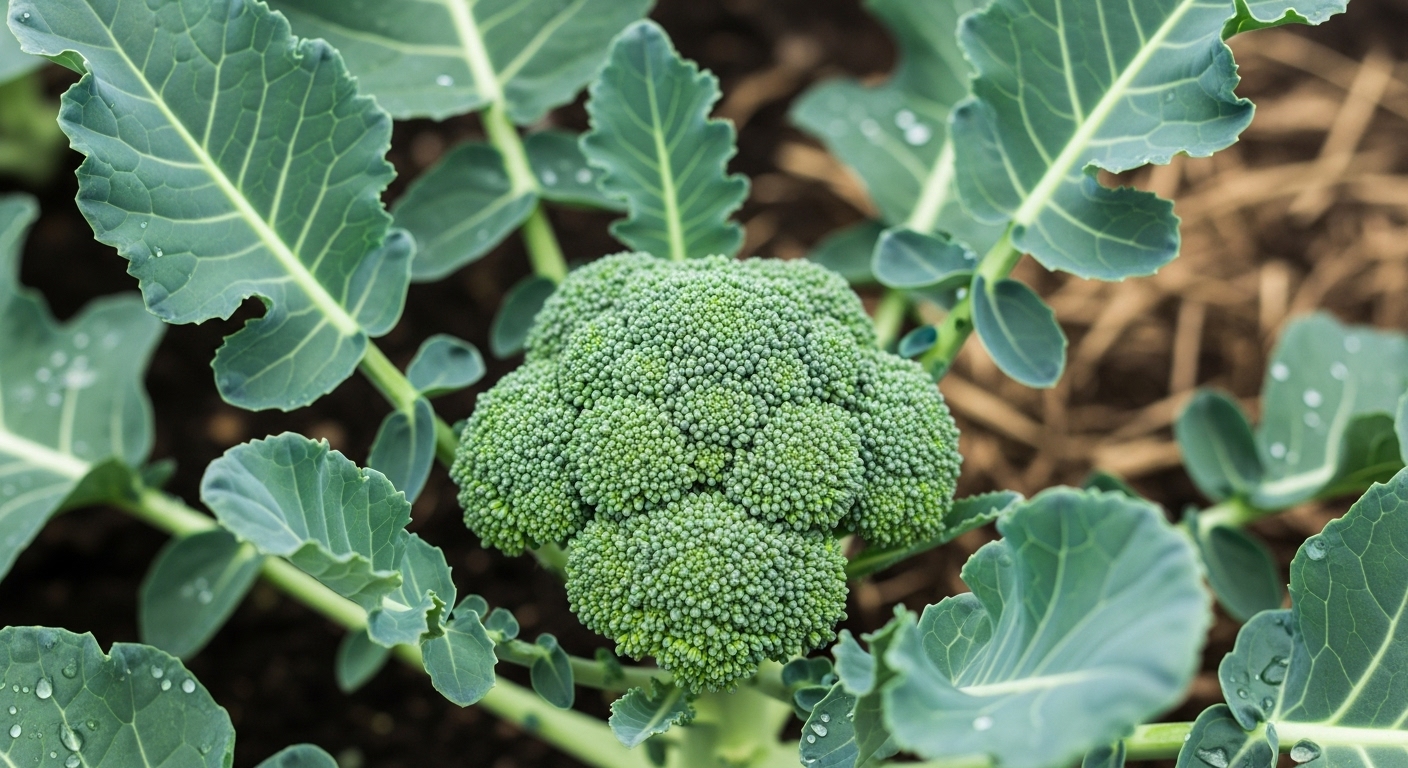
If you’ve noticed your broccoli bolting just as you were hoping for a fresh harvest, you’re not alone. Growing broccoli can be especially frustrating in hot weather, where rising temperatures trigger the plants to flower prematurely. Instead of those tight green heads you’re aiming for, you might see long stalks and yellow blooms—signs your broccoli is bolting and turning bitter.
The good news? With the right strategies, you can outsmart these challenges and enjoy delicious broccoli, even in warm climates. In this guide, we’ll explain exactly why broccoli bolts, identify the warning signs early, and share actionable tips—like choosing heat-resistant varieties, timing your planting more carefully, and optimizing watering. By the end, you’ll have practical solutions tailored for gardeners who contend with summer heat, giving you the confidence to grow better broccoli in any weather.
Understanding Hot Weather Effects on Broccoli
Broccoli is a cool-season crop, and when temperatures climb above 80°F (27°C) during the day or stay above 70°F (21°C) at night, the plants can quickly become stressed. One of the first signs of heat stress is bolting—when the plant rapidly sends up flower stalks and starts to bloom well before the edible heads have matured.
This rush to flower often results in smaller, looser heads and a sharp, unpleasant bitterness that makes the broccoli less tasty. You might also notice yellowing or drooping leaves, especially if the soil dries out faster in the heat. Sometimes, the central head will develop unevenly or open up instead of forming tight clusters.
If you’re growing broccoli and the weather forecast predicts several hot days in a row, consider:
- Providing shade during the hottest part of the day
- Watering early in the morning
- Harvesting heads a bit earlier than usual
Keep an eye on your local temperatures; if your area frequently surpasses 75–80°F during the broccoli season, you’re at higher risk for these issues. You can adjust your planting schedule to early spring or fall for better results.
Choosing Bolt-Resistant Varieties and the Right Location
When growing broccoli in warmer regions, selecting bolt-resistant and heat-tolerant varieties is key to a successful harvest. Popular options like Green Magic, Belstar, Arcadia, De Cicco, and Santee are bred to withstand higher temperatures and resist bolting—the process where broccoli shoots up flowers and turns bitter.
But variety is only part of the solution. The spot you choose in your garden can make or break your crop. Aim for an area that gets morning sunlight but is shielded from the harsh afternoon sun, as excess heat is the main trigger for bolting. Partial shade—such as from a fence, trellis, or even a strategically placed row of taller crops—helps keep plants cooler.
Good airflow is also vital, as stagnant air can stress plants and invite pests. To give your broccoli an extra edge, take advantage of your yard’s microclimates: a north-facing bed or a spot shaded by a shed or leafy tree will naturally be cooler.
Soil is another piece of the puzzle; broccoli prefers rich, loose soil that drains well. Amend your soil with compost and avoid clay-heavy spots where water tends to pool after rain. If your garden tends to be hot and dry, mulching with straw or wood chips helps keep the soil cool and moist.
By combining smart variety selection, thoughtful siting, and proper soil care, you’ll greatly improve your chances of enjoying crisp, flavorful broccoli even during the hottest months.
Timing: When to Sow and Plant Broccoli
Timing is everything when it comes to growing healthy, full-flavored broccoli. To get the most out of your crop, start by sowing seeds indoors about 6-8 weeks before your area’s last expected spring frost. This helps avoid the stress of summer heat, which can stunt growth or cause premature flowering.
If you’re aiming for a fall harvest, sow seeds in late summer, around 85-100 days before your first expected autumn frost. This allows maturing heads to develop in cool, crisp conditions.
Starting seeds indoors gives you control over temperature and lighting, resulting in sturdy transplants that are less susceptible to heat stress once moved outside. When it’s time to transplant, aim for seedlings that have at least two sets of true leaves and are about 4-6 weeks old. These established, but not overgrown, young plants handle temperature swings better than large, mature seedlings, which can bolt or suffer shock if exposed to late cold snaps or sudden heat waves.
For best results, check your local frost calendars and use a soil thermometer. Set out your transplants when soil temperatures are consistently above 50°F, usually 2-3 weeks before the last frost in spring or as summer heat starts waning in late August or September.
By syncing your sowing and transplanting with local weather patterns—rather than the calendar—you’ll ensure that your broccoli has the cool, steady conditions it needs to thrive, helping you avoid disappointment when the heat is on.
Soil Preparation, Mulching, and Watering Techniques
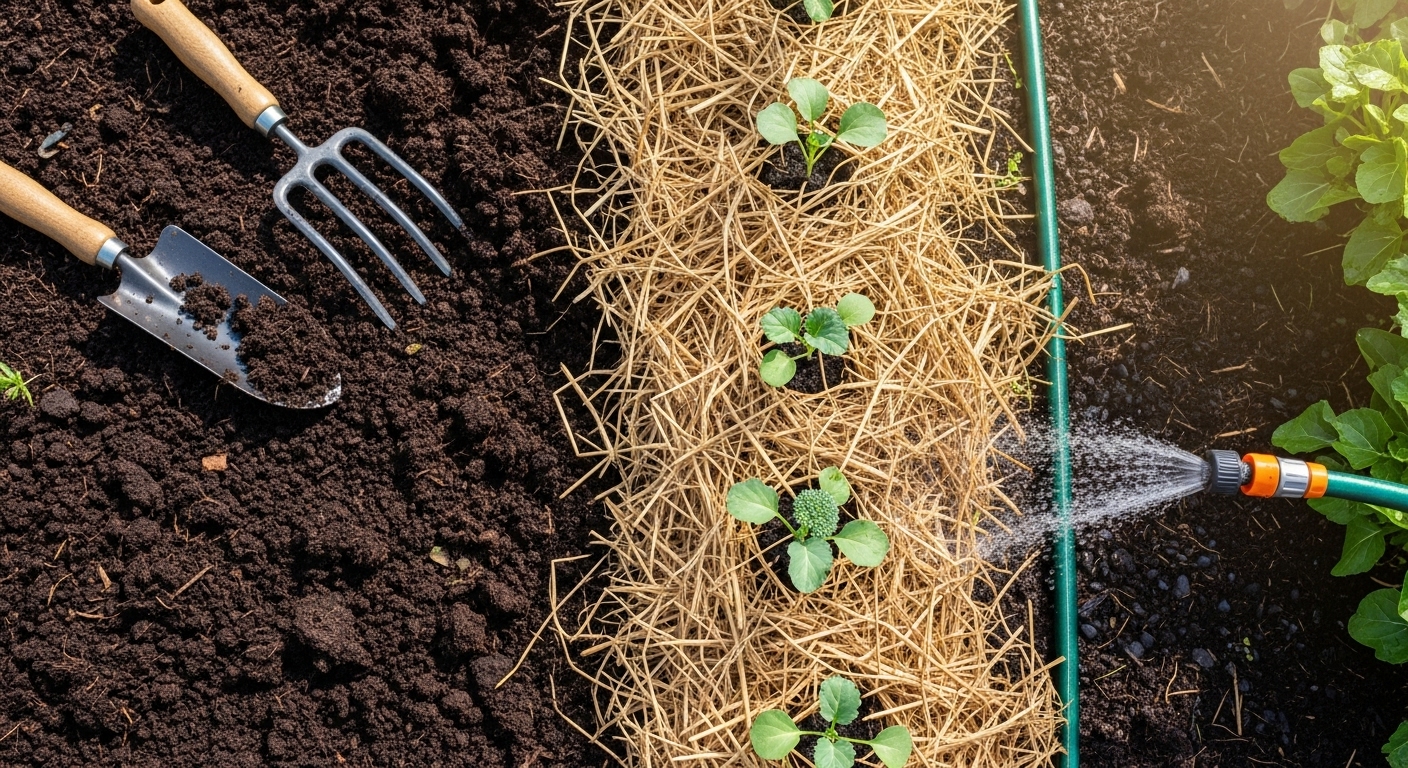
Getting your garden started on the right foot begins with preparing rich, fertile soil that drains well and feeds your plants. Start by loosening the soil to at least a foot deep, breaking up clumps, and mixing in plenty of organic compost—this boosts nutrients and encourages beneficial microbes.
After planting, consider mulching your beds with a two-to-three-inch layer of shredded leaves, straw, or bark. Mulch acts like a natural insulator; it helps keep the soil cool on hot days, suppresses weeds, prevents evaporation, and reduces the need for constant watering.
Speaking of watering, aim to soak your plants deeply but less often, rather than giving them frequent light sprinkles. This encourages roots to grow deeper and makes your garden more resilient. Early morning is the best time to water, as leaves dry off faster (reducing disease risk), and moisture isn’t lost quickly to evaporation.
Try to target water at the base of the plants and avoid overhead spraying, which wastes water and can spread plant diseases. To make sure you’re getting it right, check soil moisture by poking your finger into the ground near the roots—soil should feel damp but not soggy or bone-dry.
Wilting leaves during the day that perk up by evening often mean plants just need some shade or mulch, while limp leaves that don’t recover, yellowing, or moldy smells could signal overwatering or poor drainage. Paying attention to these small cues ensures your plants thrive all season long.
Protecting Broccoli from Heat and Pests
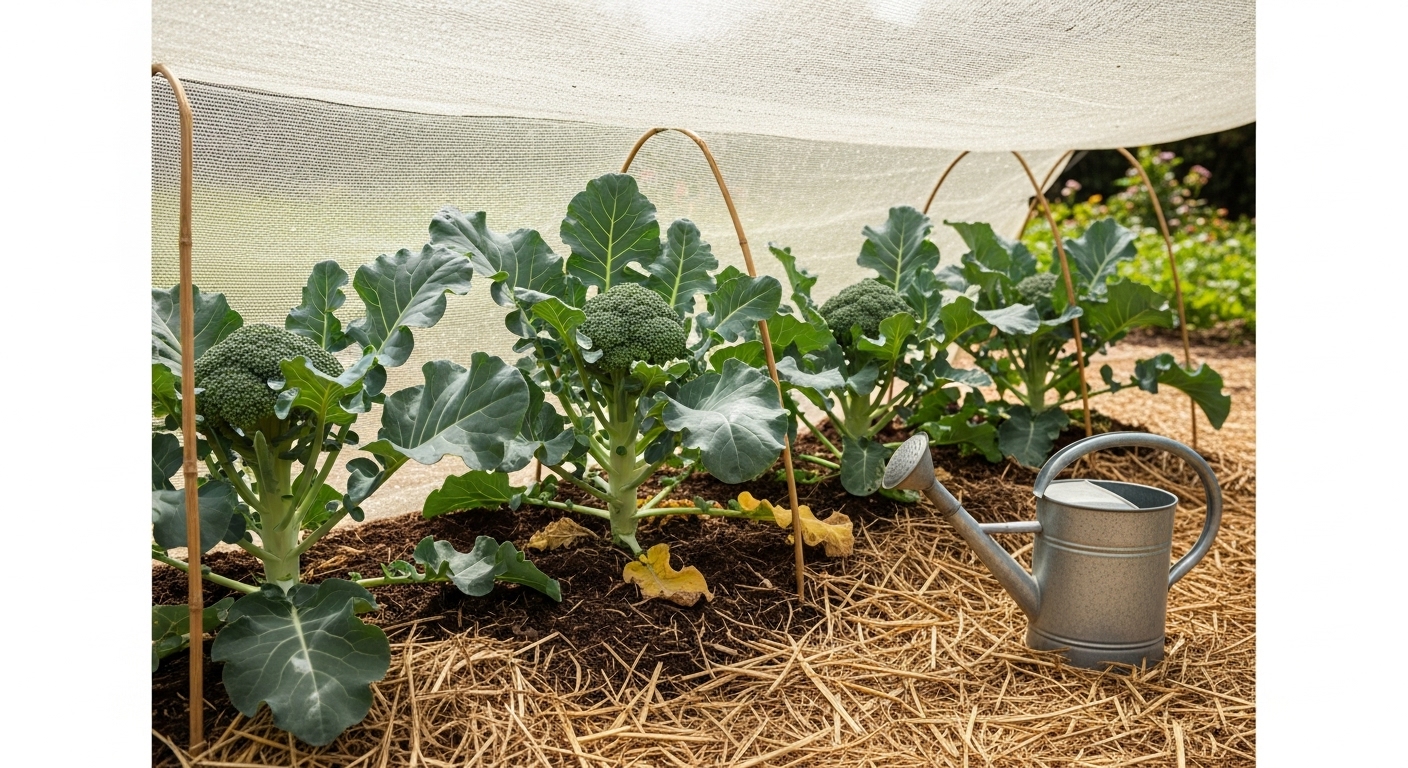
Keeping broccoli healthy during hot weather and pest-prone seasons demands a few smart strategies. First, stretch shade cloth over your beds to shield plants from harsh sun, reducing heat stress and helping broccoli heads develop tightly.
Row covers—whether lightweight fabric or mesh tunnels—also help by cooling plants and creating a barrier against insects like cabbage loopers and aphids.
Staggered plantings—sowing new seeds every two weeks—ensure you always have broccoli maturing at the optimal time, avoiding periods of peak heat.
For pest management, companion planting is invaluable; grow broccoli alongside aromatic herbs like dill, basil, or thyme, which repel common pests such as cabbage worms and flea beetles.
Rotate crops each year—avoid planting broccoli or other brassicas in the same spot, as this confuses pests and disrupts disease cycles in the soil.
Natural deterrents like neem oil sprays or a dusting of diatomaceous earth are effective in hot weather, keeping bugs at bay without harming your plants or beneficial insects.
With this blend of protection and planning, your broccoli is much more likely to thrive all season long.
Timely Harvesting and Post-Harvest Handling
Knowing when to harvest broccoli is crucial for both taste and nutritional value. Look for firm, tight heads with densely packed florets—broccoli is ready when the main head measures 4 to 7 inches across and before any yellow flowers appear.
Waiting too long can cause bolting, where the plant sends up flower stalks and the florets start to open, resulting in a woody texture and a bitter, less appealing flavor.
Harvest in the cool morning using a sharp knife to cut the main stem about five to six inches below the head; leave some stem and side shoots to encourage a second, smaller crop.
Immediately after harvesting, plunge the heads into cold water or refrigerate them right away to halt deterioration and retain that fresh, crisp texture. Handle gently to avoid bruising the florets, which can speed up spoilage.
If your broccoli bolts and flowers, it’s still edible but expect a tougher texture and intensified bitterness. Some gardeners use bolted broccoli in stir-fries or soups, where strong flavors and longer cooking times can help offset the bitterness. However, for the best eating experience, timely harvesting is always your best bet.
Conclusion
Growing broccoli in hot climates can be a rewarding challenge if you follow a few key tips: choose heat-tolerant varieties, start seeds indoors or provide afternoon shade, and keep soil consistently moist with mulch to help cool the roots. Water deeply in the early morning to minimize evaporation and monitor your plants for signs of heat stress, like wilting or yellowing leaves.
Don’t forget to harvest early before heads begin to flower, as broccoli matures faster in the heat. Every garden is different, so experiment with planting dates and techniques to see what works best in your backyard. Stay flexible and adjust as you learn from each season.
Have you tried growing broccoli in a warm climate? Share your stories, tips, or questions in the comments below—I’d love to hear about your experiences!