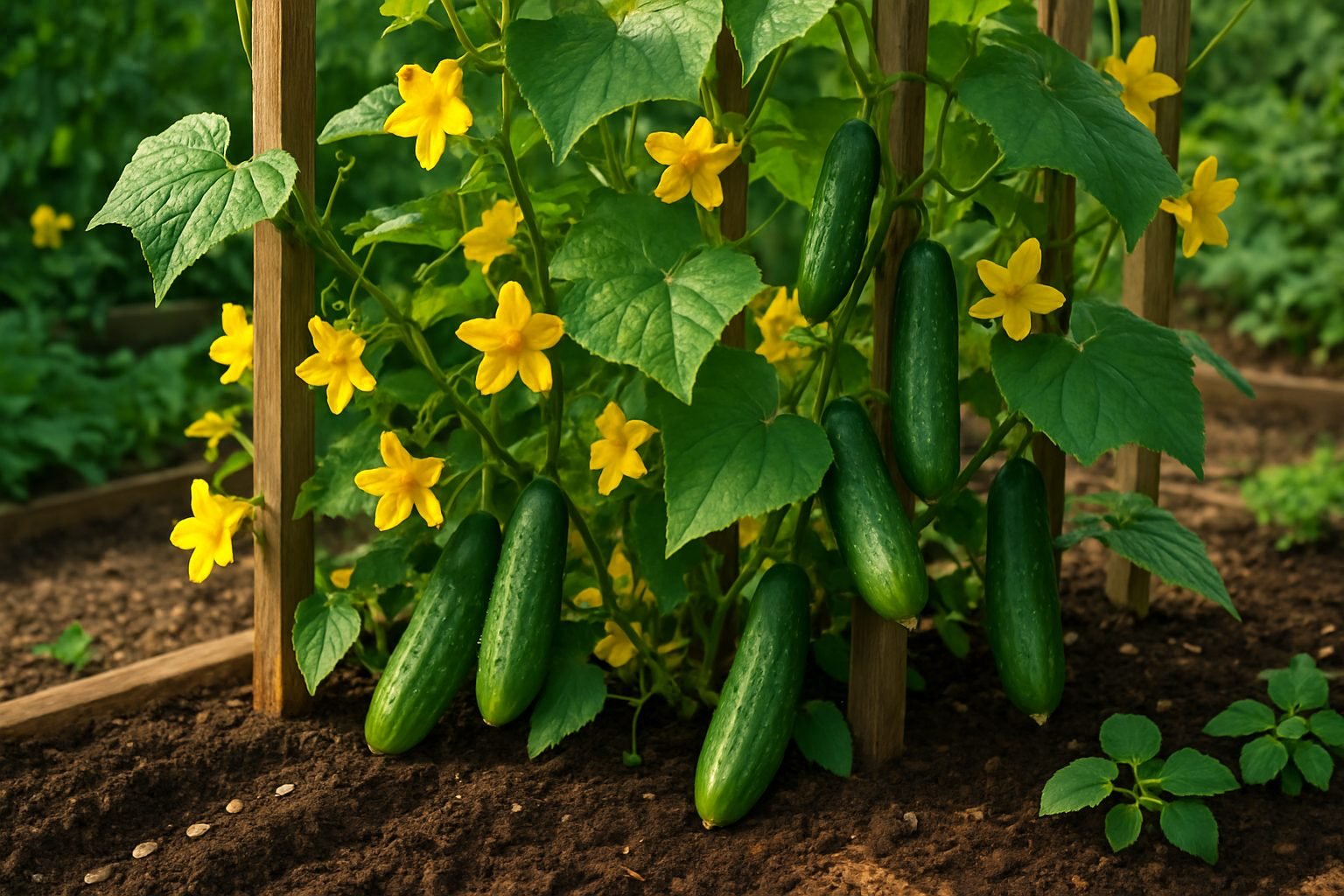
The Life Cycle of a Cucumber Plant
If you’ve spent weeks checking your garden only to wonder, “Why are my cucumbers not growing?”, you’re not alone. Many new gardeners are surprised to find that growing cucumbers involves more than simply planting seeds and waiting for fresh produce. Understanding the life cycle of a cucumber plant—from humble seed to bountiful harvest—can make all the difference in overcoming challenges and growing healthy, productive vines.
The journey starts with seed germination, where warmth and moisture spark life beneath the soil. Soon, tiny seedlings emerge, hungry for sunlight and nutrients. As these seedlings develop true leaves, they enter a period of rapid vegetative growth, stretching out their iconic vines.
Next comes a crucial and exciting stage: flowering. Cucumbers produce both male and female flowers, and pollinators like bees must visit for fruit to set. Proper watering and feeding are essential now, as stress can halt development or cause blossoms to drop.
When pollination succeeds, small cucumbers begin to form, maturing over the next couple of weeks. Harvesting isn’t just the final step; it’s your reward for patient, attentive care through every stage.
By recognizing each phase—germination, seedling, flowering, fruit formation, and harvest—you can spot issues early, adjust your care, and enjoy the satisfaction of homegrown cucumbers. Tuning in to the plant’s needs at each point in its cycle is the real secret to transforming “cucumbers not growing” from a frustration into a flourishing success story.
“`html
From Seed to Seedling: Germination Basics
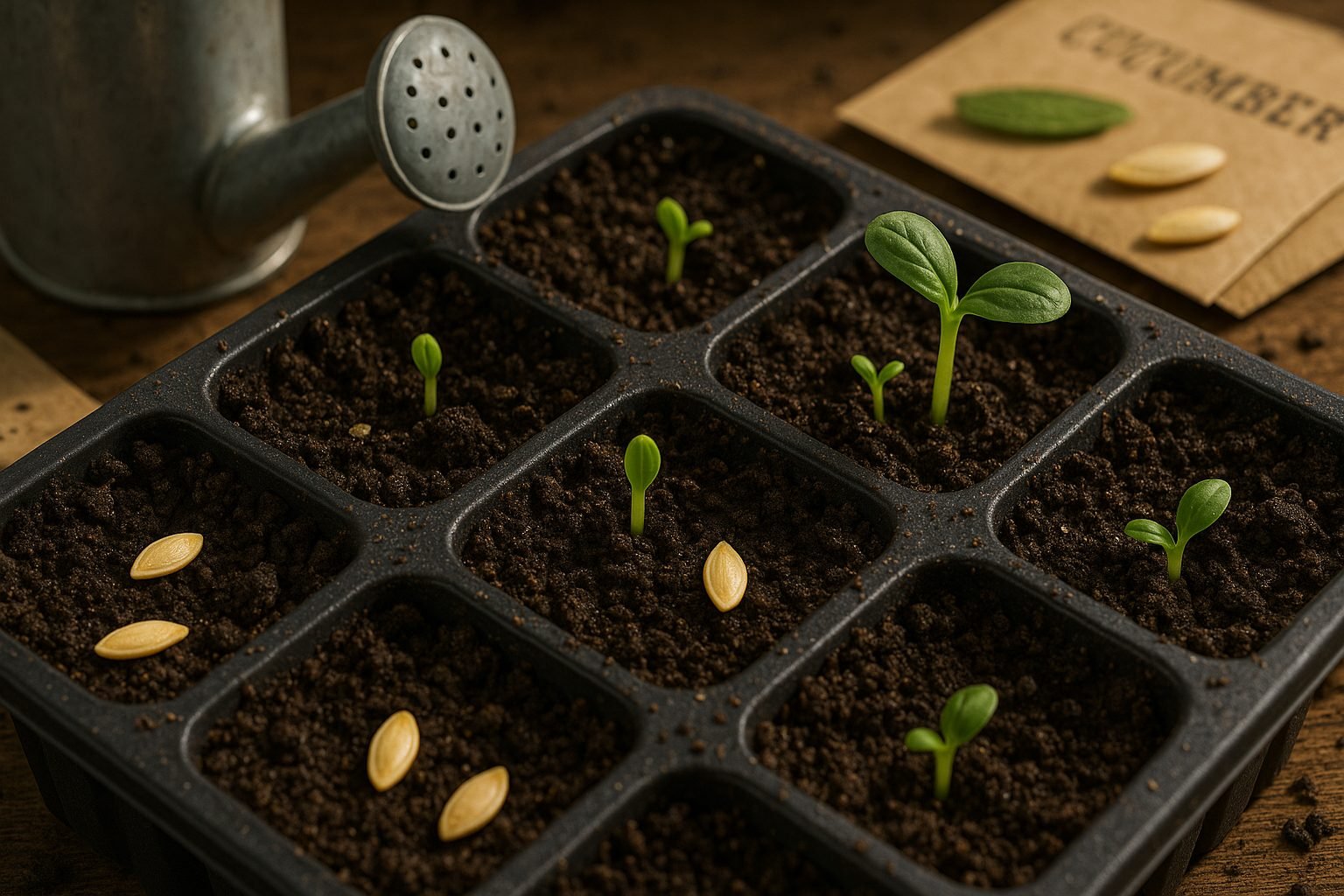
Getting your cucumber seeds off to a strong start begins with creating just the right germination conditions. Cucumber seeds thrive in warm, consistently moist (but not waterlogged) soil, with temperatures ideally between 70°F and 85°F (21°C to 29°C). Anything colder, and they may struggle or fail to sprout.
Use a high-quality, well-draining seed-starting mix, and water it until it’s damp like a wrung-out sponge before planting your seeds about half an inch deep. Place your seed trays or pots in a sunny window or under grow lights to maintain both warmth and consistent light.
Over the first few days, the dry cucumber seed absorbs water, waking up enzymes inside that trigger growth. The seed’s coat softens, and the embryonic root (radicle) soon pushes downward, anchoring your future plant. This is followed by a green shoot (hypocotyl) that grows upwards, eventually breaking the soil’s surface as your first visible sprout.
Typically, under these optimal conditions, cucumber seeds germinate within 3 to 10 days. If seeds take longer, don’t panic — cool soil, insufficient moisture, or old seeds are often the culprits. Try using a heat mat to warm the soil, ensure you’re watering evenly, and check that your seeds are fresh (seeds older than three years may have reduced viability).
Watch for signs of fungal growth or rot, which can signal too much moisture — cut back and provide more airflow if needed. By carefully fine-tuning these early steps, you’re setting the stage for healthy cucumber seedlings and, ultimately, a bountiful harvest.
“`
Early Growth: Seedling to Vigorous Vine
Watching your seedlings transition from tiny sprouts to vigorous vines is one of the most rewarding stages for any gardener. After the seeds germinate, you’ll see small, delicate shoots breaking through the soil, soon followed by the appearance of the first true leaves—distinct from the initial rounded seed leaves, these have a more defined shape characteristic of the mature plant.
At this stage, it’s crucial to provide plenty of bright, indirect sunlight or use a grow light for at least 12–14 hours a day; leggy, pale seedlings stretch for light, showing they’re not getting enough. Keep the soil consistently moist but not soggy—use your finger to check that the top inch is just damp, watering when it begins to dry out.
Overcrowding can lead to weak, spindly plants, so thin seedlings by snipping the weaker ones at soil level, leaving the healthiest to grow strong. Once the seedlings establish four to six true leaves, you’ll start to notice a rapid change: some species, like cucumbers or beans, send out vines searching for support. This is the time to introduce stakes or trellises, setting them up early to avoid disturbing the roots later on.
Healthy seedlings stand upright, have vibrant green leaves, and show steady new growth. In contrast, yellowing, drooping, or streaked leaves may signal overwatering, poor nutrition, or disease. Regularly rotating your trays can ensure even growth, and keeping a close eye out for pests helps you act early if any problems arise.
By giving your seedlings attentive care during these crucial early weeks, you’ll set the stage for a thriving, productive vine garden.
Bloom and Pollination: The Flowering Stage
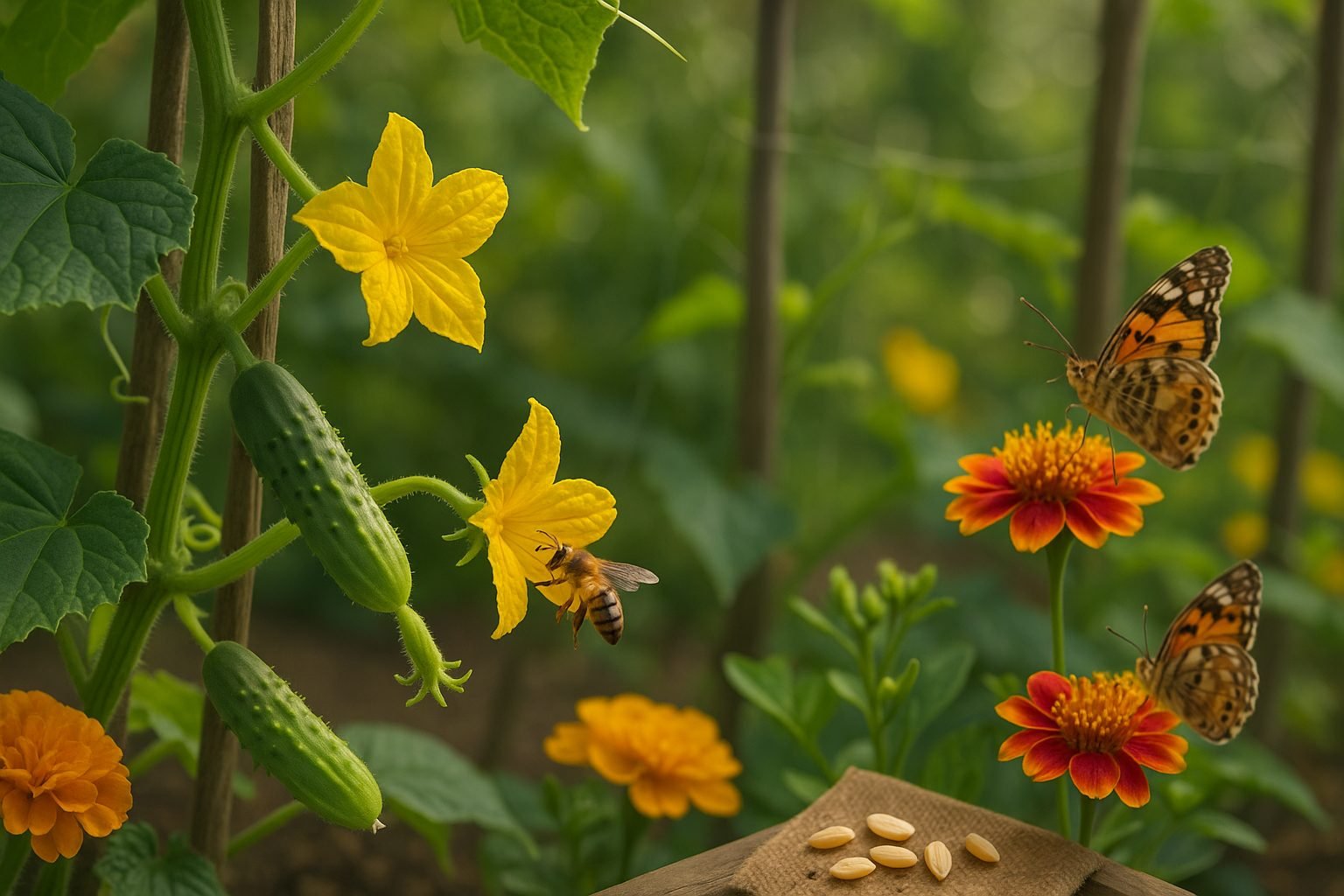
During the flowering stage, cucumber plants produce two types of yellow blooms—male and female flowers—each playing a crucial role in fruit development. Male flowers usually appear first, often a week or two before the females, and mainly serve to provide pollen. You can easily spot the difference: male flowers grow directly on the stem, while female flowers have a small, baby cucumber (the ovary) at their base.
This early flush of male flowers is perfectly normal, so don’t worry if you don’t see fruit right away. Pollinators such as bees and butterflies are key to transferring pollen from male to female blossoms, which is how cucumbers start to form.
To attract pollinators, try:
- Planting nectar-rich flowers like marigolds or sunflowers nearby
- Avoiding the use of pesticides during bloom
- Hand-pollinating with a soft brush if insect activity is low
Sometimes, gardeners notice flower drop or small fruits that shrivel up, usually signs of poor pollination or extreme weather. If your garden struggles with these issues, try:
- Watering consistently
- Providing afternoon shade during heat waves
- Gently shaking the plants to aid pollen transfer
Bush cucumber varieties tend to produce more flowers at a time but on compact plants, making them suitable for smaller spaces and containers. Vining types, on the other hand, flower more gradually as they grow and spread—meaning they often need a longer season and more space but may yield over a longer period.
Understanding these flowering differences and supporting pollination can help ensure a plentiful cucumber harvest, whether you’re growing in a sprawling bed or a balcony pot.
Fruit Formation and Rapid Growth
Once cucumber flowers are successfully pollinated—by bees, wind, or hand—the fertilized ovary at the base of the flower begins transforming into a tiny, immature fruit. At this point, growth is rapid if conditions are right; with adequate support, cucumbers can nearly double in size every few days.
To encourage healthy, speedy fruit development, focus on three essentials: nutrients, consistent watering, and mulching.
- Fertilize your plants with a balanced or slightly potassium-rich fertilizer just as fruits set to give them the energy needed for expansion.
- Water deeply and regularly, at least one inch per week, to maintain steady soil moisture, but be careful not to create soggy roots—cucumbers are thirsty, but they hate wet feet.
- Applying a 2-3 inch layer of organic mulch helps retain moisture, moderate soil temperature, and suppress weeds, allowing cucumbers to channel energy into growing even, crisp fruits.
Despite your best efforts, you might spot common issues like deformed or stubby fruits—usually caused by incomplete pollination, irregular watering, or a sudden nutrient imbalance. Pests like cucumber beetles or aphids, and diseases such as powdery mildew, can also strike quickly during this vigorous growth phase.
To prevent problems, inspect plants daily; pick off pests by hand, use organic soap sprays, and ensure good airflow. Support vine growth with a trellis to keep fruits off the soil, reducing the risk of rot and helping cucumbers grow straight.
For even fruit development, harvest cucumbers regularly so the plant keeps producing and puts energy into growing the remaining fruits. With attentive care—monitoring moisture, fertilizing appropriately, and troubleshooting early—you can look forward to a bountiful harvest of plump, healthy cucumbers.
When and How to Harvest Cucumbers
Knowing when to harvest cucumbers can make all the difference in taste and texture. Cucumbers are ready to pick when they reach their mature length—often six to eight inches for slicing varieties and about three inches for pickling types. Look for vibrant, deep green skins and a firm, crisp feel when gently squeezed.
Avoid waiting for yellowing, which is a sign of overripeness and bitterness. Check your vines regularly since cucumbers mature quickly, sometimes in just a few days.
To harvest, use clean garden shears or a sharp knife, cutting the stem about a quarter-inch above the cucumber. Refrain from twisting or pulling, as this can damage the delicate vines and reduce future yields.
After harvesting, bring cucumbers indoors promptly and rinse off any dirt. Pat them dry and store unwashed in the crisper drawer of your refrigerator, ideally wrapped in a paper towel and placed in a perforated plastic bag. This keeps them crisp and fresh for up to a week.
If you leave cucumbers on the plant beyond their peak, they will become oversized, tough, and seedy. This not only impacts their taste but also signals the plant to stop producing new fruits. Regular, timely harvesting encourages more cucumbers to grow and gives you sweeter, crunchier produce all season long.
Troubleshooting and Common Problems
Cucumber plants can run into several common issues, but with a bit of observation and timely action, most problems can be managed. Pests like cucumber beetles, aphids, and spider mites often cause yellowed or misshapen leaves—try encouraging natural predators such as ladybugs, spraying with insecticidal soap, or using floating row covers early in the season to protect young plants.
Fungal diseases like powdery mildew or downy mildew are also frequent culprits; prevent these by watering at the base of the plant early in the day and ensuring plenty of airflow through proper spacing and occasional pruning.
Poor fruit set may result from insufficient pollination—attract more bees and beneficial insects to your garden with companion plants like marigolds or basil, or gently hand-pollinate flowers using a small paintbrush.
If you spot wilted vines or persistent growth issues, rotate crops each year and amend soil with compost to keep it healthy.
When the usual fixes aren’t working, don’t hesitate to reach out to local agricultural extension services or master gardener programs; many universities offer free advice tailored to your area.
Most importantly, try not to get discouraged. Each season brings new lessons, and even experienced gardeners face setbacks. Keeping a garden journal helps you learn what works in your unique space, setting you up for better results each year. Gardeners who stick with it often find the sweetest cucumbers come after a few challenges.