Introduction
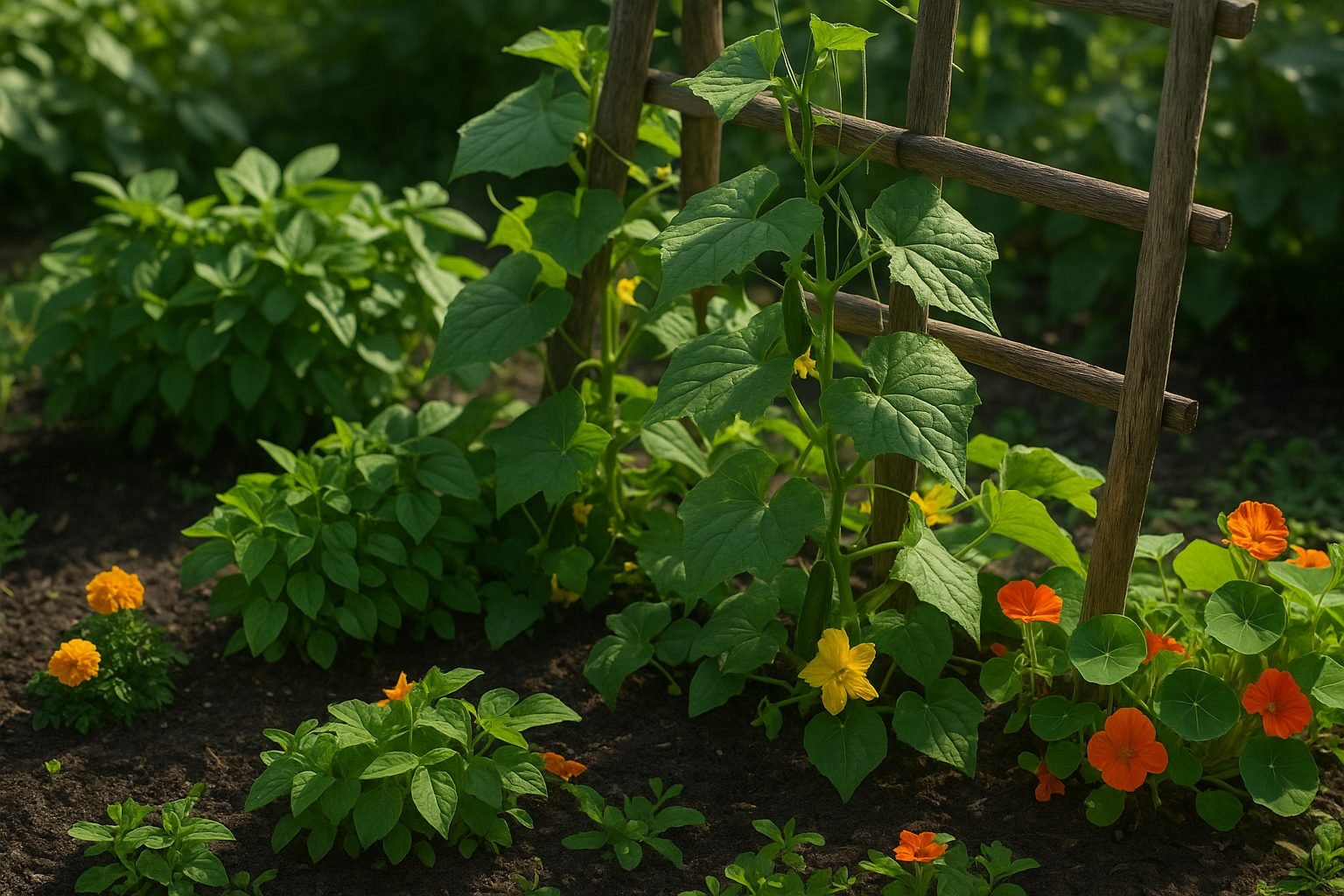
If you’ve ever wondered about growing cucumbers alongside beans or herbs like basil and lettuce, you’re making a smart choice for a healthier and more productive garden. Companion planting—a time-tested gardening method—pairs certain plants together so they help one another thrive. It’s more than just tradition: by carefully selecting which vegetables and herbs grow side by side, home gardeners can naturally repel pests, boost yields, and even improve the flavor of their harvest.
Cucumbers, for example, flourish when teamed up with some plants and may struggle when grown near others. Beans add vital nitrogen to the soil, supporting lush cucumber growth, while aromatic herbs like basil help ward off unwanted insects. On the other hand, pairing cucumbers with plants like potatoes might stunt their progress due to competition or shared pests.
The goal? To help you make the most of your cucumber patch by understanding which companions—like beans, basil, or lettuce—will encourage robust vines and crisp, tasty fruit. Read on for simple tips and proven pairings to optimize your cucumber crops and enjoy a thriving, naturally balanced garden.
Understanding Companion Planting for Cucumbers
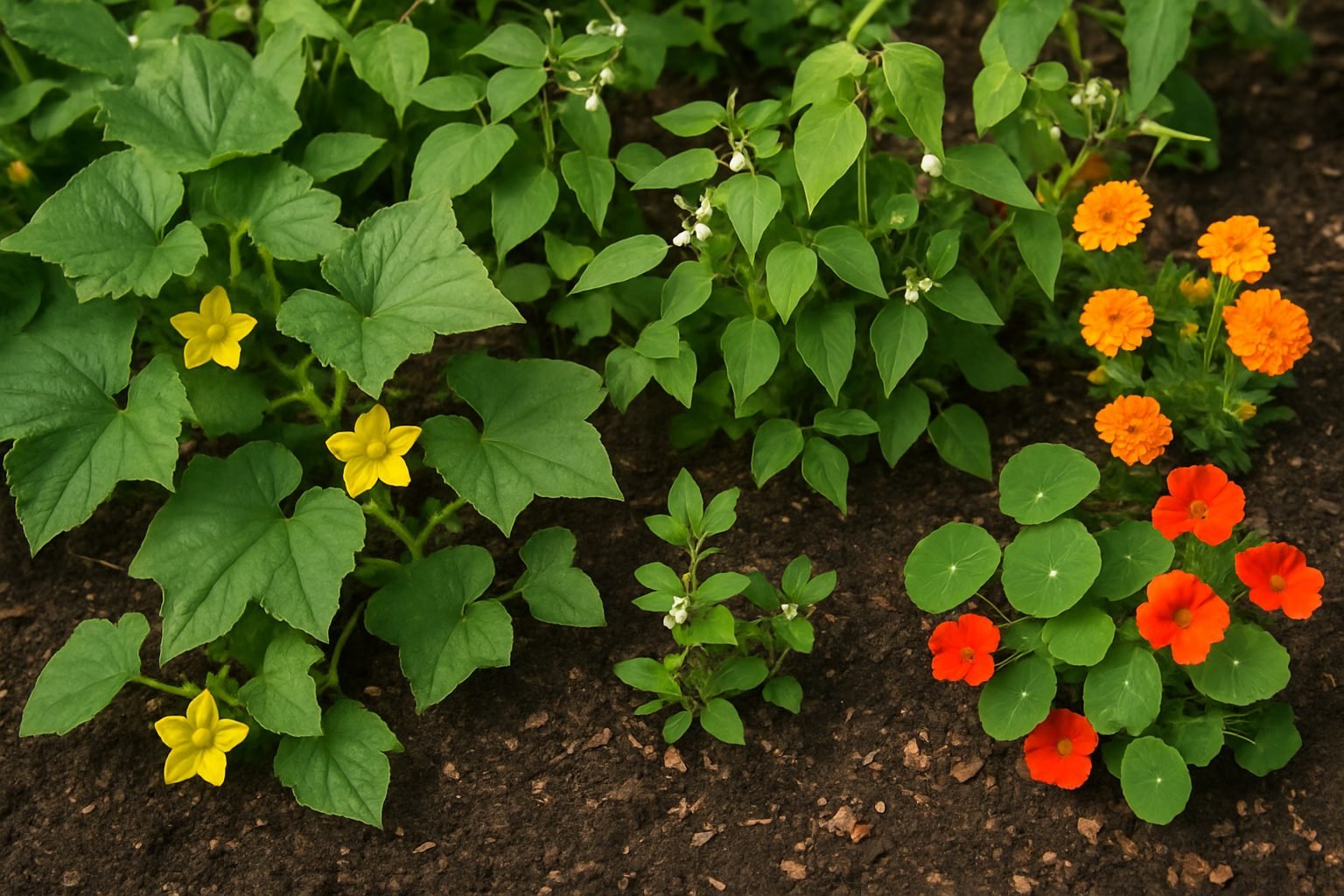
Companion planting is the practice of growing different plants near each other to maximize growth, deter pests, and improve yields—a technique rooted in both gardening tradition and modern science. For cucumbers, companion planting means strategically placing certain herbs, flowers, or vegetables nearby to boost their health and productivity.
For example, marigolds and nasturtiums are commonly grown alongside cucumbers because they help repel harmful insects like aphids and cucumber beetles, reducing the need for chemical pesticides. Legumes such as beans can also be beneficial; they fix nitrogen in the soil, which supports cucumber growth naturally.
In terms of disease prevention, planting crops like dill or oregano near cucumbers can help ward off fungal infections through the release of natural compounds, keeping your cucumber patch healthier with less intervention.
However, achieving successful companion planting involves more than pairing plants with beneficial effects. It’s essential to consider environmental needs—cucumbers require full sun, regular watering, and space to sprawl. Planting companions with similar requirements prevents overcrowding and competition for resources, ensuring each plant has room to thrive.
For instance, avoid pairing cucumbers with potatoes, as they compete for nutrients, or with aromatic herbs like sage, which may stunt cucumber growth. By paying close attention to the needs and interactions of plants, companion planting becomes a smart, low-maintenance way to nurture your garden and enjoy healthy, abundant cucumbers throughout the season.
Top Companion Plants for Cucumbers
If you want healthier cucumber plants and a bigger harvest, pairing them with the right companions in your garden can make a huge difference. Beans and peas are top partners because they fix nitrogen in the soil, enriching it for cucumbers. Their climbing vines also create some shade that keeps cucumber roots cool during hot weather.
Lettuce is another easy win; it grows quickly and can be tucked between cucumber vines, leaving more space while shading the soil and helping with weed control. Radishes work double duty—they mature before cucumbers get large, and their scent helps repel cucumber beetles.
Nasturtiums are a favorite among gardeners for attracting aphids away from cucumbers, essentially acting as a “trap crop.” They also encourage pollinators into your vegetable patch with their bright flowers. Dill not only attracts beneficial insects like predatory wasps that feed on cucumber pests but may subtly improve the flavor of cucumbers when grown nearby.
Marigolds are great natural defenders, releasing chemicals into the soil that deter nematodes. Their strong scent also confuses pests like aphids and beetles.
Planting Tips for Best Results
- Plant beans and peas alongside your cucumbers as soon as the danger of frost has passed, spacing them about 6–12 inches apart.
- Lettuce and radishes can be planted even earlier, with lettuce kept in the partial shade of growing cucumbers.
- Interplant nasturtium and marigold seedlings at intervals around cucumber beds about every 12–18 inches to maximize their protective effects.
- Sow dill near, but not too close—about a foot away—to give both herbs and cucumbers room to grow and avoid overcrowding.
As your garden fills in, keep an eye out for overcrowding; companion planting works best when each crop has good air circulation and enough sunlight. By combining these companion plants, you’ll not only protect your cucumbers from pests but also boost yield and create a more beautiful, diverse garden space.
Plants to Avoid Near Cucumbers
When planning your vegetable garden, it’s important to know that some plants just don’t get along with cucumbers and can lead to poor yields or unhealthy plants. One key example is potatoes—planting them near cucumbers can increase the risk of blight and root competition, stunting the growth of both crops.
Similarly, sage and other strong aromatic herbs like rosemary or basil can secrete natural chemicals that may inhibit cucumber growth, making both parties less productive.
You’ll also want to keep melons—including cantaloupe and watermelon—separate from your cucumber patch. Although they’re cousins, they compete for the same nutrients and are prone to similar pests and diseases, which can quickly jump from one crop to another.
Additionally, avoid planting cucumbers near tomatoes, as both attract aphids and can easily pass on fungal diseases.
If you’re working with a small plot or raised bed, try separating conflicting crops using containers or vertical gardening solutions. These allow you to make more efficient use of space while keeping unfriendly neighbors apart.
Even a simple row of marigolds or borage can act as a buffer to minimize pest and disease transmission.
Always check the labels and spacing recommendations on your seed packets. If you’re unsure about plant compatibility, keep a small diary of what works well together season after season—real-life experience can help you make better decisions for next year’s planting.
By avoiding these common pairing mistakes, you’ll give your cucumbers the best possible conditions to thrive, even in tight quarters.
Reducing Pests and Disease with Smart Plant Pairings
One of the easiest ways to reduce pests and diseases in your cucumber patch is by harnessing the power of companion planting. For instance, planting fragrant herbs like dill, nasturtiums, or marigolds near cucumbers can repel common pests such as cucumber beetles, aphids, and thrips. These herbs release natural scents or chemicals that deter invaders, making your garden less attractive to unwanted bugs.
Radishes are another smart partner—when sown around cucumbers, they can act as sacrificial plants, drawing beetles away from your main crop. To tackle fungal issues like powdery mildew, choose companions like calendula or chives; both are believed to have antifungal properties and can improve airflow when spaced well, reducing humidity around cucumber leaves.
Additionally, beans or peas planted nearby enrich the soil with nitrogen, bolstering cucumber vigor and disease resistance. For example, one gardener noticed a sharp decline in beetle damage after introducing marigolds and saw healthier, mildew-free vines when she trained cucumbers up trellises with chives planted beneath.
By mixing in these strategic plant allies, you not only defend against pests naturally but also create a healthier, more balanced ecosystem—making cucumber growing simpler and more rewarding.
Rotation and Succession: Keeping Your Soil and Cucumbers Healthy
Crop rotation is a simple yet powerful way to keep your cucumber plants healthy and productive year after year. Instead of planting cucumbers (or other members of the squash family) in the same spot every season, try moving them to a different part of your garden each year, ideally on a three- or four-year cycle. This practice helps break the life cycles of soil-borne diseases and pests that specifically target cucurbits, like wilt and cucumber beetles. It also prevents nutrient depletion in the soil since different plant families have varying nutritional needs.
For home gardeners just starting out, try sketching a rough map of your garden beds and tracking where you plant each crop each year—this can be as simple as jotting notes in a notebook or snapping photos on your phone every season.
Integrating companion planting can boost your cucumber yields and garden diversity. Consider planting nasturtiums, radishes, or marigolds nearby to naturally repel pests.
To maximize your garden space and harvest, pair crop rotation and companion planting with succession planting. Succession planting means sowing new seeds or seedlings as soon as one crop finishes, so the soil never sits idle. For example, follow early spring lettuce with cucumbers, then plant leafy greens in their place the next year.
By using these strategies together, you’ll keep your soil richer, your garden healthier, and your cucumbers crunchier—with less work and worry.
Sample Companion Planting Layouts for Cucumbers
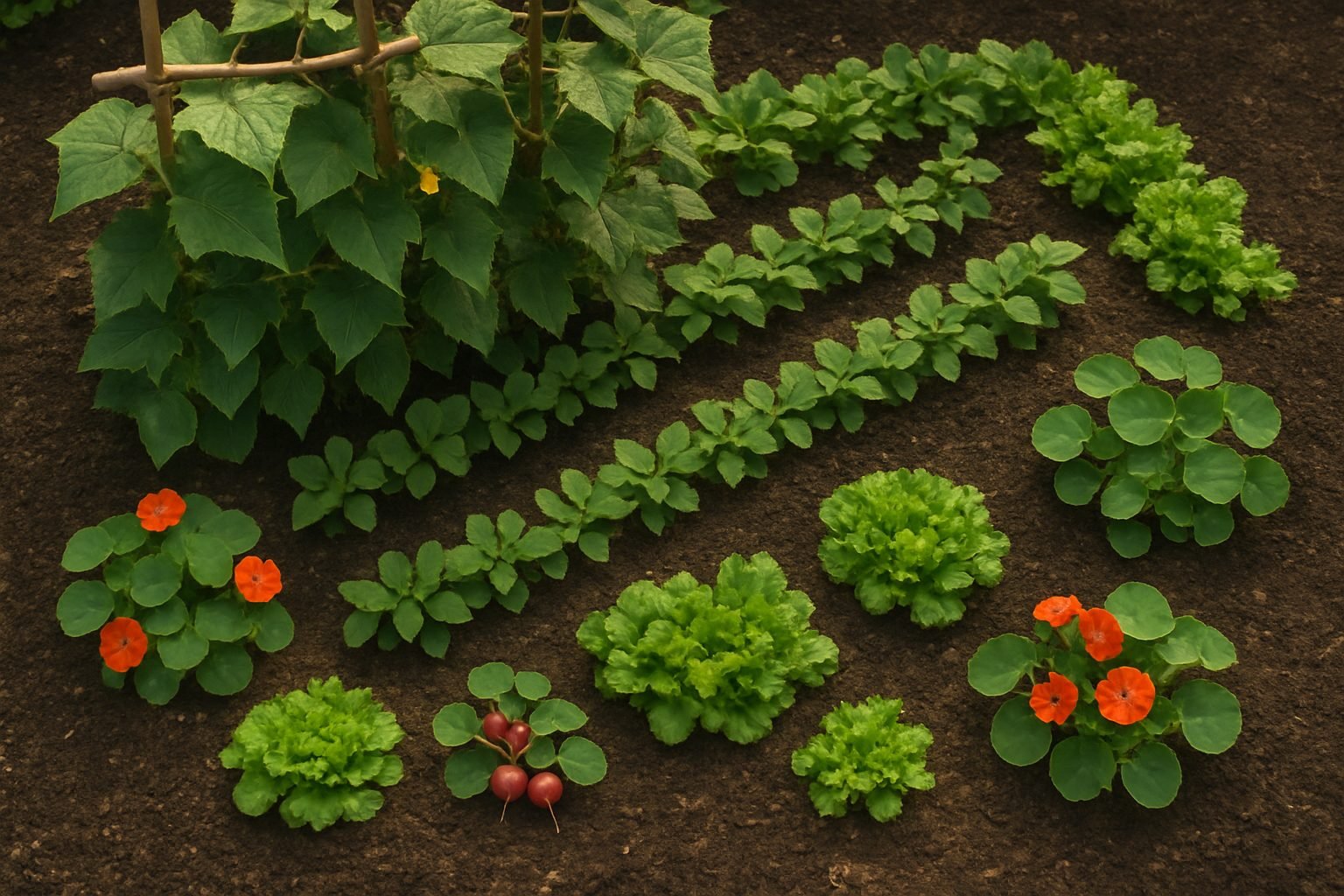
Designing a companion planting layout for cucumbers can be straightforward and rewarding, even for beginners. Start by placing your cucumbers in a sunny spot—ideally, they should get at least 6 to 8 hours of sunlight daily. Cucumbers can either climb on trellises or sprawl on the ground; if you have limited space, opt for a trellis to grow them vertically.
Around the base of your cucumbers, plant bush beans or peas, which help enrich the soil with nitrogen and can boost cucumber growth. Nearby, but outside of the cucumbers’ main root zone, you can tuck in radishes or nasturtiums. Radishes deter cucumber beetles, while nasturtiums repel aphids and attract helpful pollinators.
For spacing, keep cucumber plants about 12-18 inches apart if trellised, or 18-36 inches if allowed to spread on the ground. Make sure companion plants have enough room—beans need roughly 4 inches between seeds, and nasturtiums can be sown every 10-12 inches.
To maximize your space, try interplanting lettuce or spinach in the shadier spots underneath cucumber foliage. These leafy greens tolerate partial shade and will help soften soil compaction.
Always check your local climate and soil conditions—cucumbers don’t like wet feet, so well-drained soil is a must, and you may need to adjust plant combinations or spacing for your microclimate.
Use mulch around all your plants to retain moisture and keep weeds down. Don’t be afraid to adapt as your garden grows—successful companion planting comes from observing what thrives together in your unique setting and tweaking layouts for the next season.
Conclusion: Growing Happy Cucumbers with the Right Companions
Companion planting is a simple yet powerful way to boost your cucumber patch. Always pair cucumbers with helpful friends like beans, peas, or dill—these can improve growth and even naturally ward off pests. Avoid planting them near potatoes or aromatic herbs like sage and rosemary, as these can hinder their development.
Remember, marigolds and nasturtiums also work wonders by attracting beneficial insects. Try mixing up your garden bed by tucking cucumber vines under tall corn or sunflowers for natural shade. By choosing the right companions, you’ll end up with healthier plants, fewer pests, and a more bountiful harvest.
Don’t be afraid to experiment a little—each garden is unique! Have you tried companion planting before, or do you have questions about which plants pair best with cucumbers? Share your thoughts or experiences in the comments below; we’d love to hear from you and help you grow your happiest cucumbers ever!