Choosing the Right Cauliflower Variety
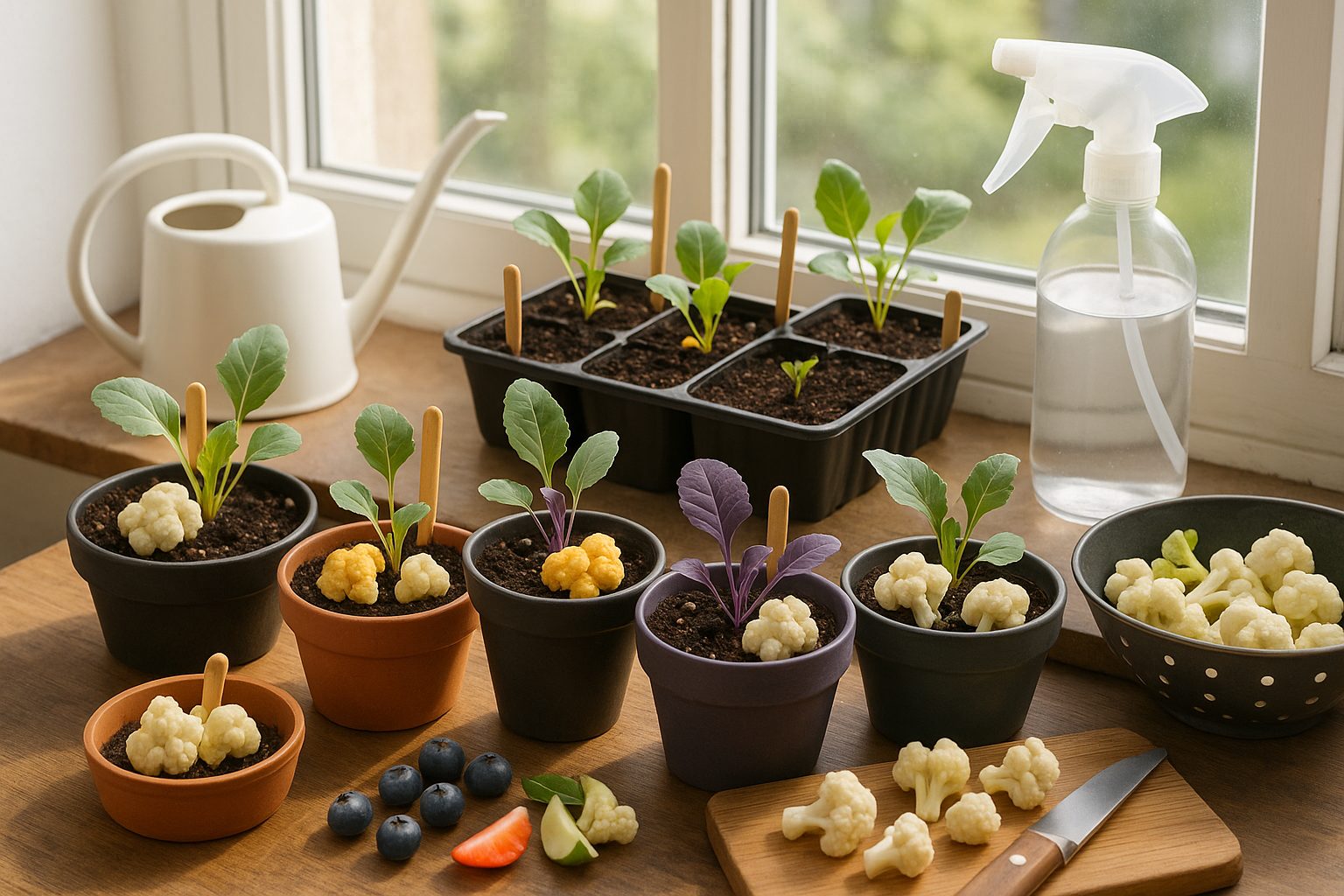
Growing cauliflower indoors can be a rewarding project for gardeners who want fresh produce year-round, but choosing the right cauliflower variety is key to your success. Not every type of cauliflower thrives in an indoor environment, so it’s important to consider factors like your indoor climate, available growing space, and how quickly you want to harvest.
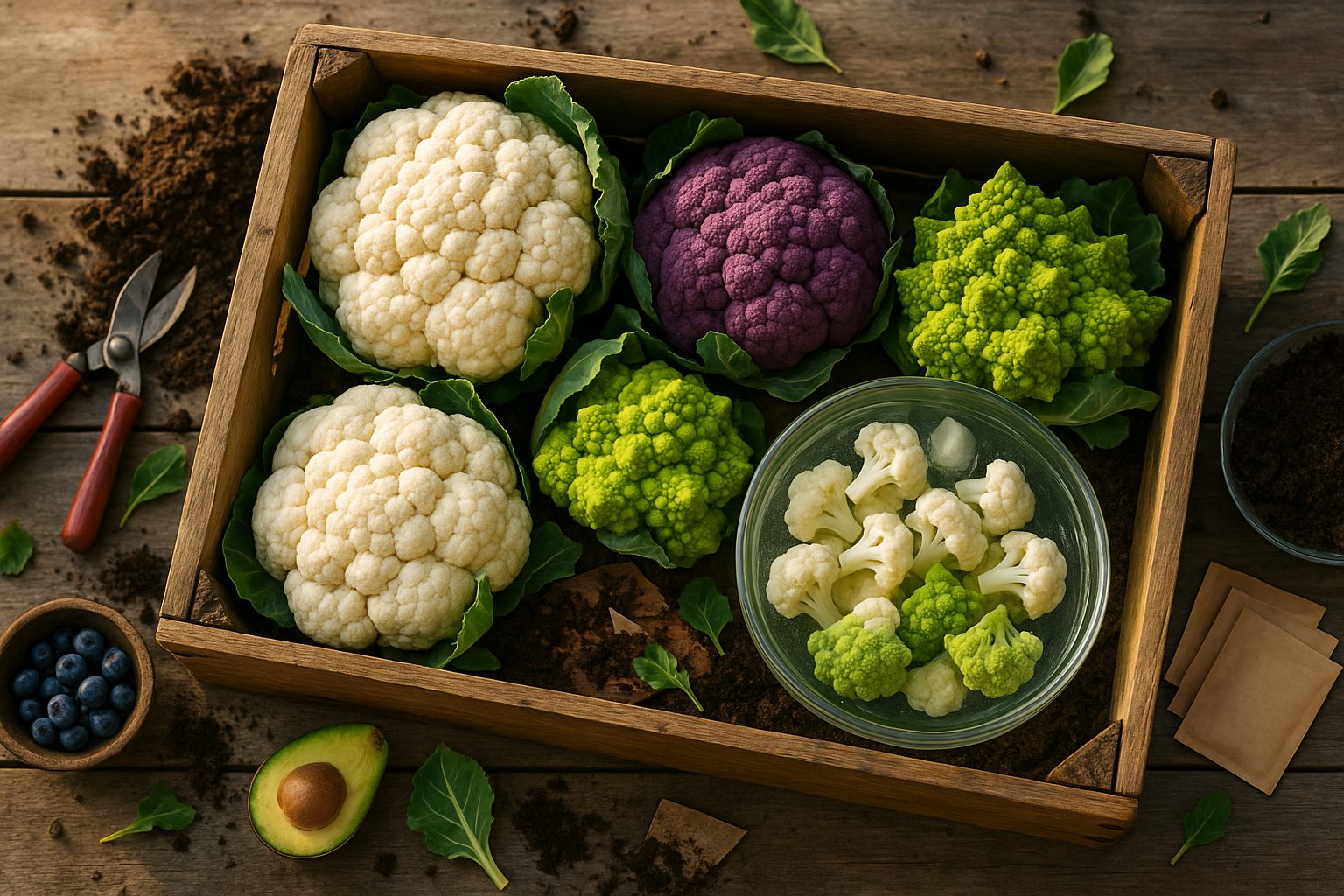
For instance, if your home tends to be warm, look for heat-resistant cultivars such as ‘Cheddar’ or ‘Fioretto’ mini cauliflower. These varieties are more forgiving of temperature fluctuations and require less space—perfect for small apartments or homes with limited windowsill real estate.
If you’re seeking bright colors to liven up your grow space, purple cauliflower is a fun choice, while the mesmerizing, fractal-like Romanesco adds both visual intrigue and delicious flavor. On the other hand, traditional white varieties like ‘Snowball’ are a timeless option, especially prized for their consistent growth indoors and adaptable nature.
Mini varieties are highly recommended for beginners, as they mature faster and take up less room to reach full size. In general, aim for cultivars with shorter maturity times (within 55–65 days) to ensure you see results within a reasonable period and can rotate your crops.
Finally, check seed packets or nursery advice for notes on indoor adaptability; some seeds are specifically bred for compact growth, making them ideal candidates when growing cauliflower indoors—even for those just starting their gardening journey.
When and Where to Plant Cauliflower
Choosing the right time and place to plant cauliflower makes a big difference in your harvest. In temperate regions, plant cauliflower in early spring or late summer, when daytime temperatures range between 60–70°F (16–21°C). This timing helps avoid the heat, which can cause heads to become loose or bolt.
If you’re in a cool region, late spring and early fall are ideal since cauliflower tolerates light frost but struggles in summer heat. For warm climates, start seeds indoors in late summer and transplant outdoors in early fall so they mature before winter sets in.
Cauliflower needs at least six hours of direct sunlight daily, so pick a spot that’s both sunny and sheltered from harsh winds. Raised beds are a great choice because they drain well and warm up faster in cooler months. You can also use large containers (at least 12–18 inches wide and deep) if space is limited—just be sure to leave 18–24 inches between plants for good air circulation and head growth.
The soil should be rich, loamy, and well-draining with a pH between 6.0 and 7.0. Mix in plenty of compost or well-rotted manure before planting to boost fertility. Since cauliflower’s roots are shallow, keep the soil consistently moist (but not soggy); a layer of mulch helps retain moisture and reduce weeds.
Before sowing or transplanting, loosen the soil at least 12 inches deep to encourage root growth, and remove any rocks or debris. A little careful planning leads to crisp, beautiful cauliflower heads, whether in a backyard plot or on your patio.
Starting Cauliflower: Seeds, Seedlings, and Stems
When growing cauliflower, gardeners can choose between starting from seeds or purchasing young seedlings, each with its own pros and cons. Starting from seeds is often budget-friendly and offers more variety, but it requires extra time and care.
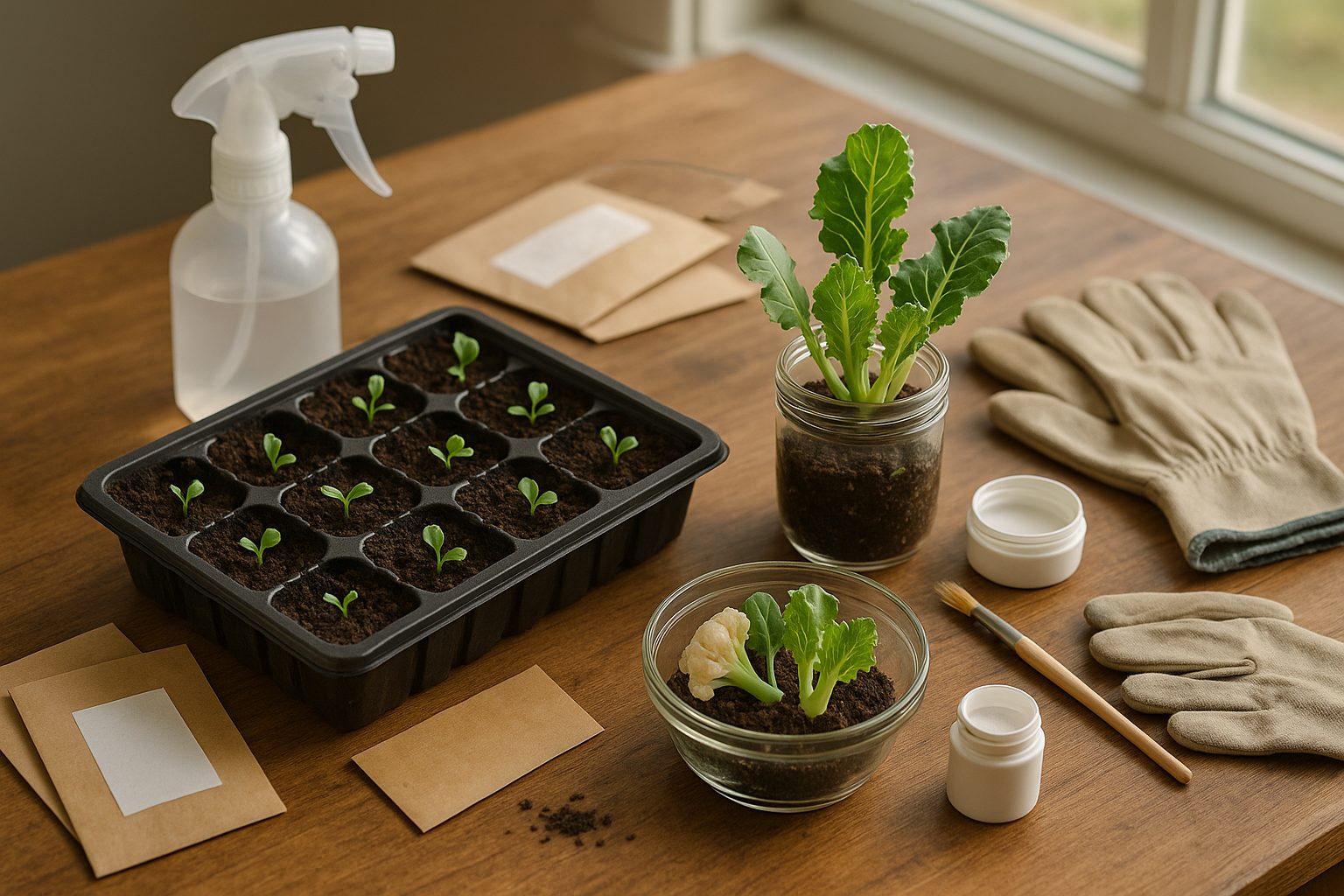
Plan to start seeds indoors 6-8 weeks before the last expected frost. This involves monitoring temperature (ideally around 70°F), planting seeds about ¼ to ½ inch deep in seed trays, and keeping the soil moist. Once sprouts appear and have two or more true leaves, thin them so each plant has about two inches of space.
When seedlings reach 4-6 weeks old and have at least four true leaves, gradually acclimate them to outdoor conditions before transplanting them into the garden—spacing them 18-24 inches apart.
Buying seedlings is faster, letting you skip the early nurturing and get a head start, but it limits variety and can be pricier. Seedlings are best set outside in early spring or late summer to avoid extreme heat.
For those interested in newer techniques, propagating cauliflower from stem cuttings is gaining popularity. Choose a healthy stem from a mature plant, snip a 4-6 inch section, and dip the cut end in rooting hormone before placing it in moist potting mix. Keep the cutting in indirect light and high humidity until roots form—a process that can take a few weeks.
While stem cuttings are less conventional, they’re a creative way to multiply favorite varieties or rescue plants from bolting.
Caring for Cauliflower Plants
Successfully growing healthy cauliflower starts with consistent care, especially when it comes to watering. These plants need regular moisture, so aim to keep the soil damp but not soggy—about 1 to 1.5 inches per week is ideal.
Mulching around your cauliflower not only helps retain soil moisture but also keeps temperatures steady at the root zone, which prevents the plants from bolting during hot spells. Applying a 2- to 3-inch layer of organic mulch like straw or crushed leaves also suppresses weeds, making it easier to keep your garden tidy without disturbing delicate roots.
Speaking of weeds, hand-pulling is the safest option for cauliflower, as hoeing can damage their shallow root systems. Fertilize with a balanced, slow-release fertilizer or compost at planting, then side-dress with a nitrogen-rich fertilizer when the plants are about half grown to support head development.
Cauliflower thrives in cool, stable temperatures (60–70°F). If you’re growing in midsummer or warmer climates, use shade cloth to protect plants from heat, or start your crops early enough to avoid the hottest months.
When the heads are about the size of an egg and still creamy white, it’s time to blanch—simply pull the outer leaves over the developing head and loosely tie them with soft twine. This shields the heads from sunlight, keeping them tender and preventing discoloration.
For container gardeners, select a 5-gallon or larger pot with drainage holes; use high-quality potting mix and water as soon as the surface feels dry. Place containers in a spot that receives at least six hours of sunlight each day.
Companion planting with onions or dill can naturally deter pests like aphids and cabbage worms.
To extend your harvest, try succession planting: sow a few cauliflower seeds every 2 to 3 weeks instead of all at once, so you’ll have a steady supply of fresh heads throughout the growing season.
Whether in the ground or in containers, these techniques will ensure your cauliflower is healthy, productive, and delicious.
Managing Pests, Diseases, and Common Problems
Keeping your cauliflower crop healthy starts with staying vigilant for pests like cabbage worms, aphids, root maggots, and slugs, which can quickly damage leaves and stunt growth. Regularly inspect the undersides of leaves for small green worms or clusters of aphids, and handpick them when possible.
For organic control, try applying neem oil or insecticidal soap to deter soft-bodied insects; laying floating row covers early in the season can also keep egg-laying adult moths and flies at bay. To manage slugs, scatter crushed eggshells or diatomaceous earth around plants, which create barriers pests avoid. Root maggots are best controlled by rotating crops and using row covers, since they’re tough to catch once they burrow underground.
Diseases like clubroot—marked by swollen, distorted roots—are best prevented by ensuring good drainage and rotating crops every few years. Downy mildew shows up as yellow spots with fuzzy white undersides; minimize its spread by watering at the base of plants and avoiding overhead irrigation. Viral infections, although rare, are typically carried by aphids or other insects; keeping pest populations low is your best defense.
Common cauliflower growing problems such as “buttoning” (where small heads form too soon) often result from transplant shock or inconsistent temperatures. To avoid this, only transplant seedlings once the soil warms up and keep them well-watered during any dry spells. Bolting, or premature flowering, is also triggered by sudden temperature shifts; using shade cloths during unexpected heat waves can help reduce stress.
Poor head development might happen if plants are too crowded, lack nutrients, or get uneven watering—ensure proper spacing and regularly feed with a balanced fertilizer. Lastly, yellowing leaves may signal a nitrogen deficiency or root stress; try side-dressing with compost or aged manure, and check soil pH to keep everything in the optimal range.
With some prevention and prompt intervention, these problems can be managed organically, leaving you with robust, healthy cauliflower heads.
Harvesting and Storing Cauliflower
Picking cauliflower at the right time is crucial for the best taste and texture. Aim to harvest when the heads are tight, compact, and white—about 6-8 inches across—before they begin to loosen or discolor. Check your crop daily as maturity approaches, since heads can open quickly, especially in warm weather.
When you’re ready to harvest, use a sharp knife to cut the head from the main stem, leaving a few of the large outer leaves attached to protect the florets. Handle cauliflower gently to avoid bruising.
Short-Term Storage
For short-term storage, wrap the unwashed head in a damp paper towel, place it in a perforated plastic bag, and refrigerate. This way, it stays fresh for up to a week.
Long-Term Storage
For longer storage, blanch the florets by boiling them for three minutes, then cooling quickly in ice water. Drain well and spread the florets on a tray to freeze individually before transferring them to airtight containers or freezer bags. Frozen cauliflower can last up to a year.
Additional Tips
- Keep harvested heads out of direct sunlight to extend shelf life.
- Avoid washing cauliflower until just before use to prevent spoilage.
- Always remove any sections that show signs of mold or soft spots.
By following these steps, you’ll enjoy garden-fresh cauliflower far beyond its peak season.
Cauliflower Nutritional Value and Uses
Cauliflower is a powerhouse vegetable packed with nutrients and surprisingly low in calories, making it a favorite among health-conscious eaters. Rich in vitamin C, vitamin K, fiber, and antioxidants, it supports immune function, bone health, and digestion, while fitting easily into low-carb and gluten-free diets.
Its mild flavor and satisfying texture make it incredibly versatile in the kitchen. Enjoy it raw as crunchy florets for dipping, toss it into salads, or add it to veggie platters for a refreshing snack.
When cooked, cauliflower transforms beautifully. Try roasting it with olive oil and spices, steaming it for a tender side dish, or blending it into creamy soups. For a popular low-carb swap, pulse cauliflower in a food processor to create “riced” cauliflower—perfect in stir-fries or as a base for grain-free pizza crust. Pickling cauliflower is another tasty, tangy option that adds zip to sandwiches and salads.
For best storage, keep whole cauliflower heads in the crisper drawer of your fridge, wrapped in a plastic or perforated bag to maintain freshness for about a week. If prepping ahead, cut florets and store them in an airtight container with a dry paper towel to reduce moisture. For longer storage, blanch and freeze cauliflower to keep it ready for future meals.