Introduction
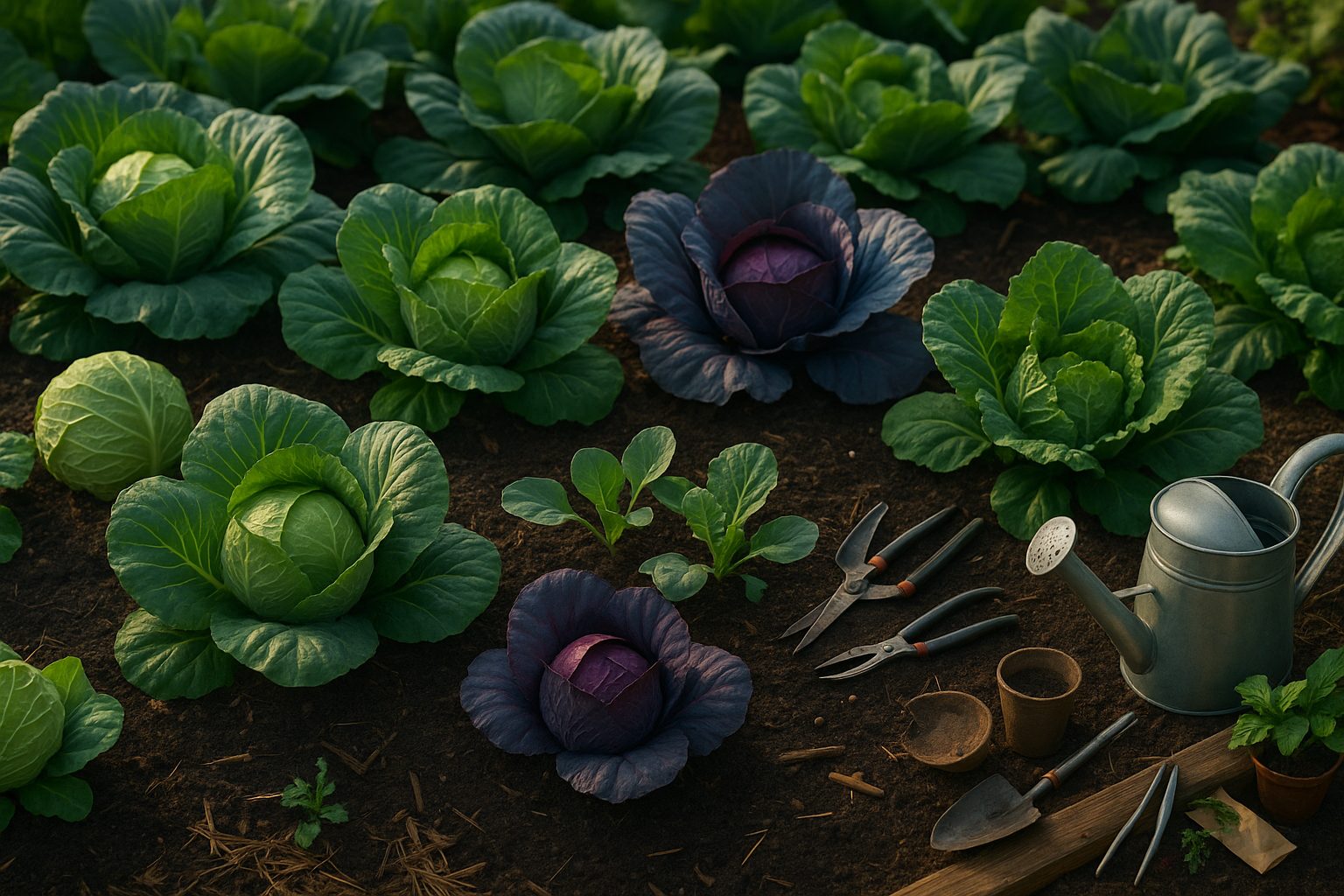
When planning your vegetable patch, understanding the ideal number of cabbage plants per square foot can make a world of difference. Cabbage is a popular and versatile crop, beloved by home gardeners for its crisp leaves and hearty yields. This leafy vegetable is especially rewarding to grow—you don’t need years of gardening experience to succeed, yet even seasoned gardeners enjoy experimenting with different varieties and planting methods.
In this guide, we’ll walk you step-by-step through how many cabbage plants to grow per square foot and share practical advice for nurturing your plants throughout the season, ensuring a thriving harvest.
Choosing and Planting Cabbage
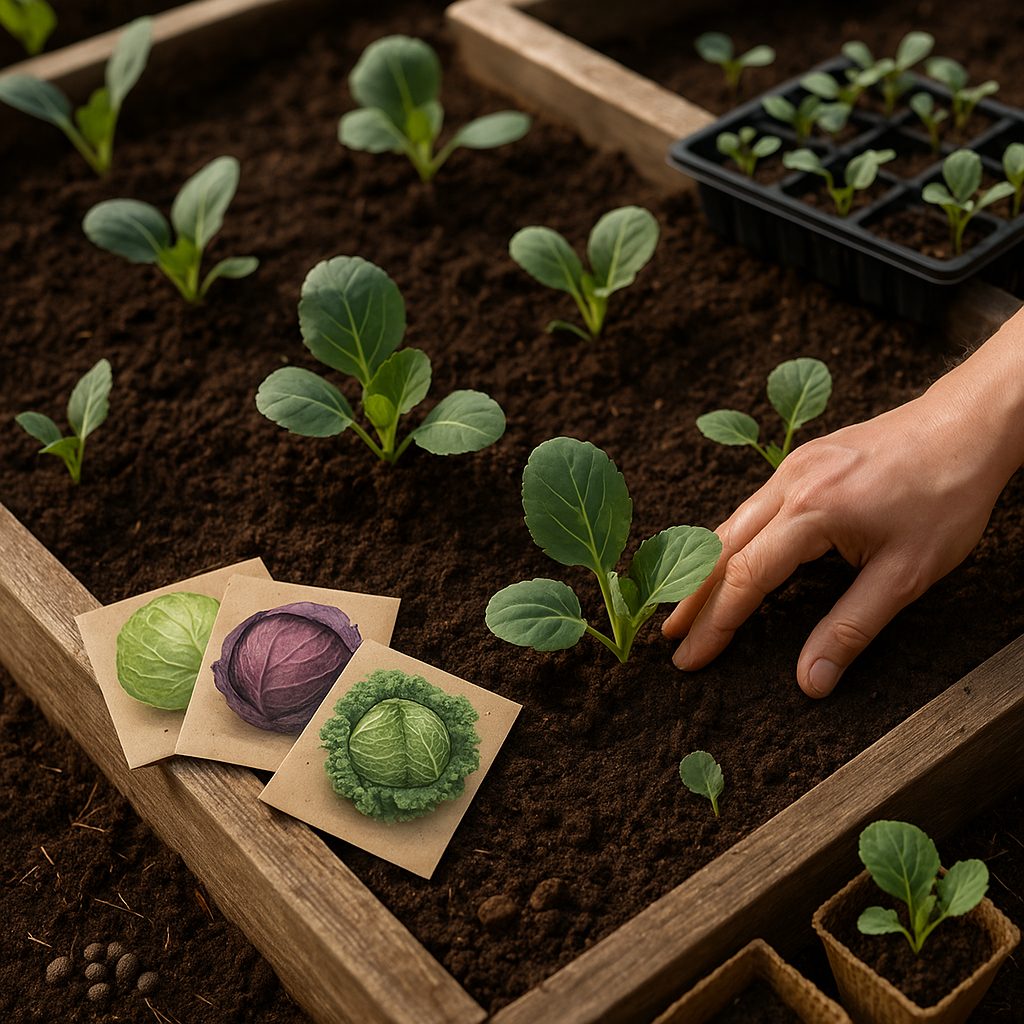
Selecting the right cabbage variety is the first step to a successful harvest. Green cabbage is the classic choice for slaws and stir-fries, thriving in most climates. Red cabbage adds vibrant color and a slightly peppery flavor, making it great for salads and pickling. Savoy cabbage, with its crinkly leaves and milder taste, is perfect for wraps and soups and does best in cooler regions.
When planning your garden, check local frost dates. If your growing season is short, start seeds indoors 6-8 weeks before the last expected frost. In mild climates, direct sowing outdoors is an option once soil temperatures consistently reach 45°F (7°C).
Prepare the soil by working in compost or aged manure to improve drainage and fertility. Cabbage prefers a slightly acidic to neutral pH, between 6.0 and 7.0. Plant seeds or seedlings about ½ inch deep, spacing them 18-24 inches apart to allow for full growth and good airflow, which helps prevent disease.
Caring for Growing Cabbage
Cabbage thrives when its growing conditions are just right, so keep a close eye on a few key factors. Aim to provide your cabbage with consistent moisture—about 1 to 1.5 inches of water per week—so the soil never fully dries out but also doesn’t get soggy. Morning watering is ideal, helping leaves dry before nightfall and reducing disease risk.
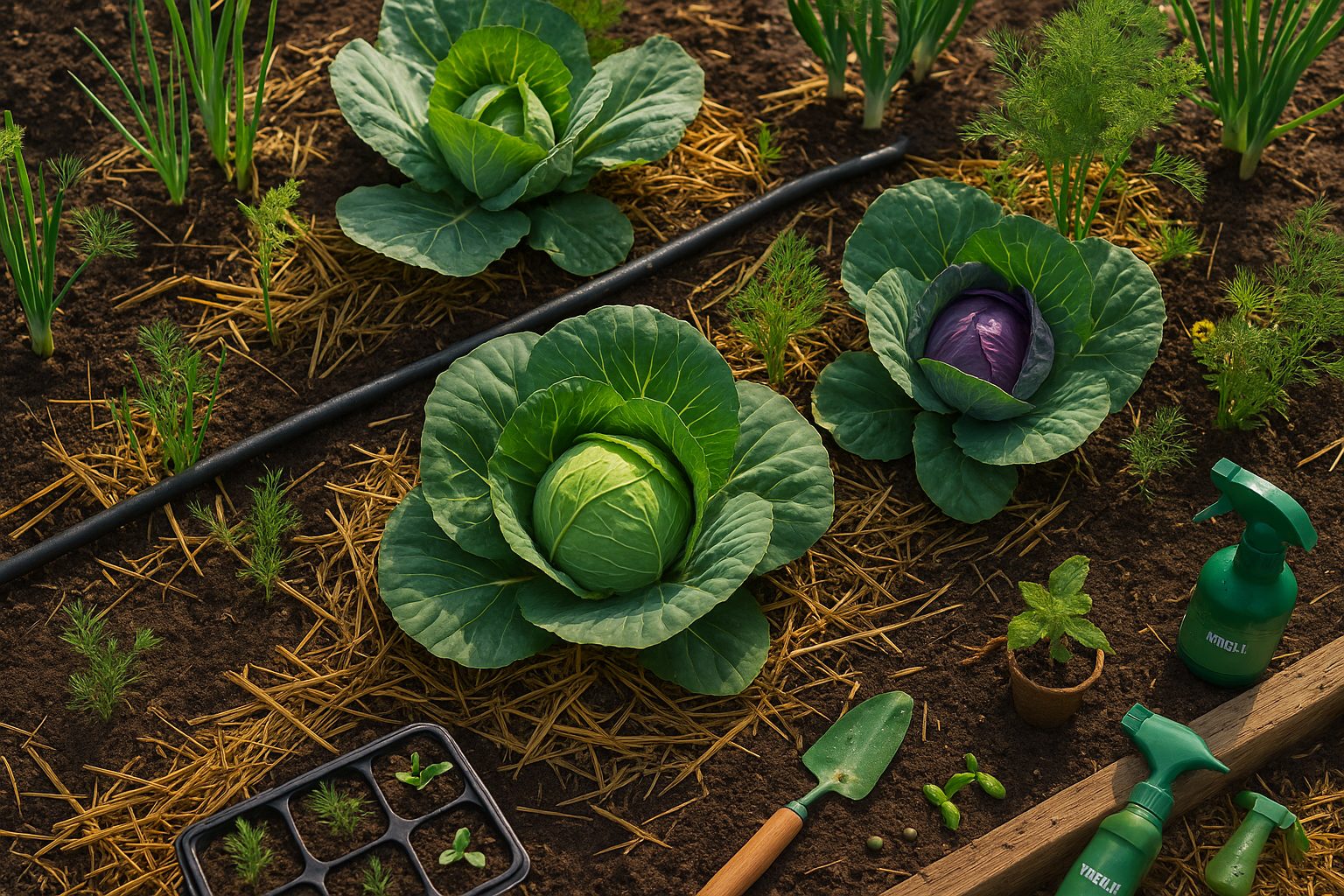
Cabbages love sunlight and will do best in a spot that receives at least 6 hours of direct sun daily. To keep soil temperatures steady and discourage weeds, lay down a layer of organic mulch such as straw or shredded leaves around your plants.
Proper spacing is crucial; give each plant about 18 to 24 inches of room. If you start from seed, thin seedlings so the strongest are the ones left standing. Fertilize your cabbage regularly with a balanced vegetable fertilizer, especially after the seedlings take root and start growing rapidly.
To boost growth and reduce pests, try companion planting; cabbage gets along well with onions, dill, and spinach, but keep it away from other Brassicas to prevent nutrient competition.
With these practices, your cabbage patch will stay healthy and productive all season long.
Common Cabbage Problems (and Solutions)
Cabbage often faces attacks from pests like cabbage worms and aphids, which can quickly damage leaves and stunt growth. To control them safely, check leaves regularly for tiny green worms or clusters of aphids, and pick them off by hand or use a gentle, homemade spray with soapy water. For stubborn infestations, consider neem oil as an organic option.
Diseases such as black rot and clubroot are common, but you can help prevent them by practicing crop rotation each season and planting cabbage with enough space between plants to boost airflow.
If your cabbage heads aren’t forming well, make sure the plants get enough sun and water, and add a balanced fertilizer to support healthy growth. Prompt attention keeps your cabbage crop thriving.
Harvesting Cabbage
Cabbage is ready to harvest when the heads feel firm and dense, and have reached the size typical for the variety—usually between 4 to 8 inches across. Check your seed packet for the expected maturity days, which generally range from 70 to 100 days after transplanting.
To harvest, use a sharp knife to cut the head at the base, leaving the outer leaves and roots intact so that small side heads can continue to grow. For the best flavor, pick cabbage in the morning when it’s crisp and cool.
Store freshly harvested heads in the fridge, wrapping them loosely in plastic to help preserve moisture and crunch.
Storing and Preserving Cabbage
For short-term storage, keep cabbage heads unwashed in your refrigerator’s crisper drawer, loosely wrapped in a plastic bag. They’ll stay fresh for up to two weeks.
If you have a root cellar, store cabbages with their outer leaves intact in a cool, humid spot to extend their shelf life for months.
For longer-term solutions, freezing works well: blanch cabbage wedges for two minutes, then freeze them in airtight bags.
Fermenting is another great option. Making sauerkraut only requires salt and shredded cabbage, and it can preserve your harvest for months.
To prevent spoilage, check regularly for signs of wilting and remove any damaged leaves.
Summary and Extra Tips
To grow healthy cabbages, start with rich soil, provide ample sunlight, water regularly, and keep an eye out for pests. Try planting different varieties to discover new flavors and textures.
For more detailed advice, visit local gardening centers, join online forums, or explore trusted gardening websites for hands-on tips and inspiration.