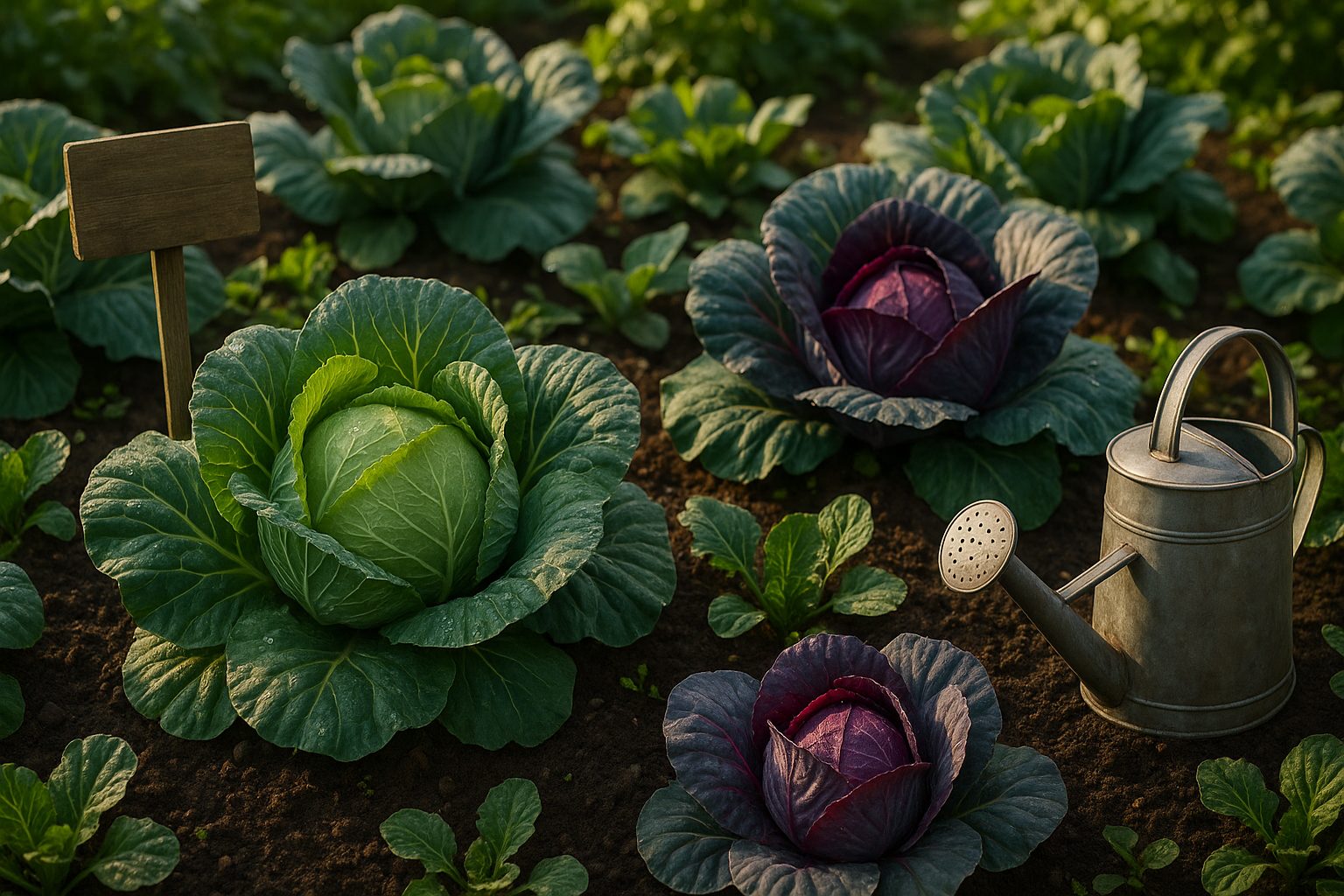
Why Grow Cabbage at Home?
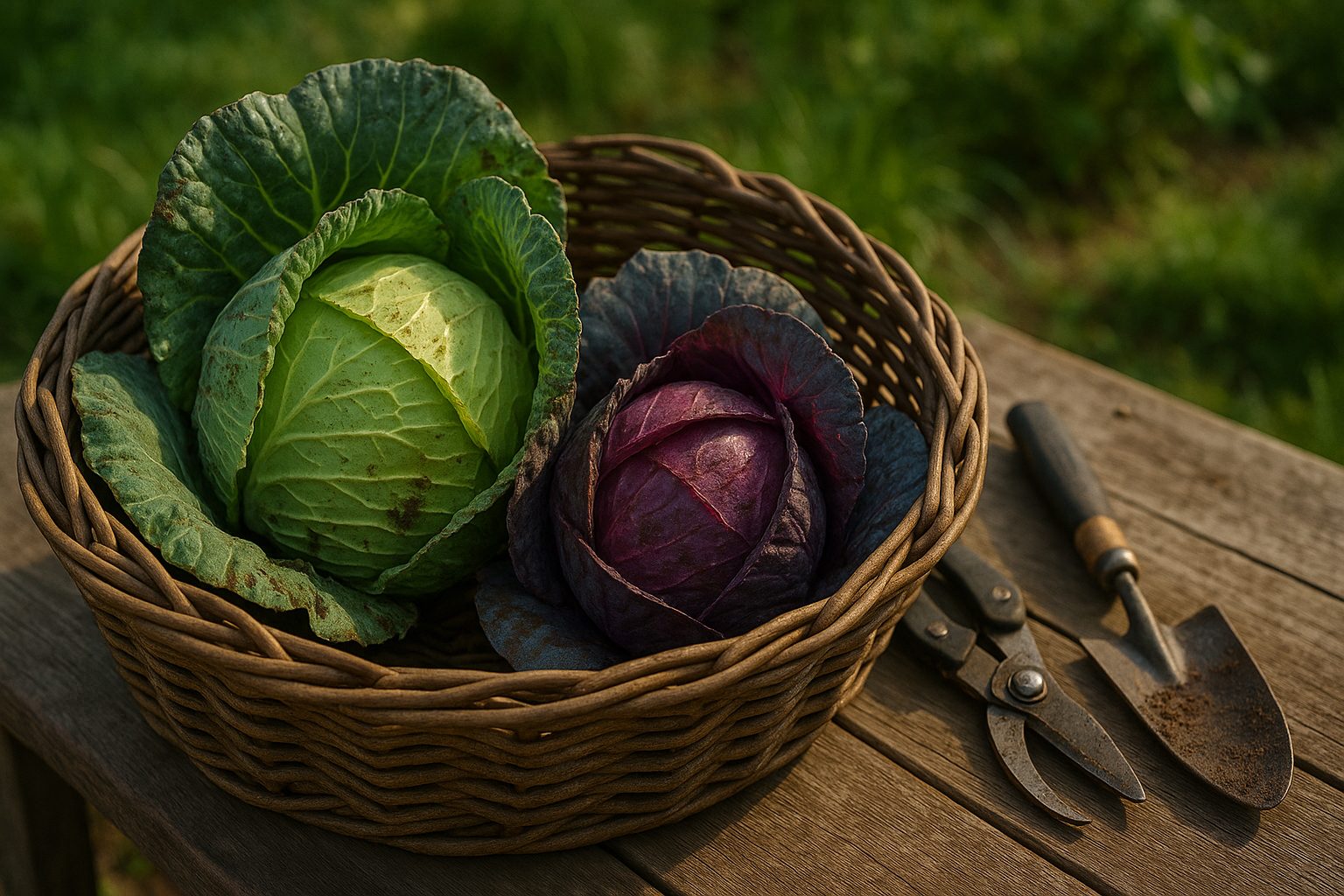
If you’ve been thinking about growing organic cabbage, there’s no better time than now to start cultivating this leafy powerhouse right in your backyard. Growing cabbage at home isn’t just about saving a few dollars at the grocery store (though you absolutely will!)—it’s about enjoying vegetables that are fresher, more flavorful, and free of unwanted chemicals.
Homegrown cabbage lets you skip the pesticides and embrace healthier eating, delivering crisp, sweet leaves packed with vitamins C and K, fiber, and valuable antioxidants. Imagine the satisfaction of harvesting your own cabbage to use in everything from crunchy coleslaw and stir-fries to hearty soups and traditional sauerkraut.
Unlike the varieties sitting for days on shelves, your homegrown heads retain more nutrients and taste miles better. Plus, cabbage is a versatile kitchen staple: it can be shredded raw, sautéed, steamed, fermented, or even roasted, adapting to cuisines from around the world.
For families seeking to stretch their food budgets and eat better, organic cabbage growing is a rewarding, low-cost, and sustainable solution. Not only does it lead to a more self-sufficient lifestyle, but it also allows you to experience firsthand the simple joy of gardening—all while providing a steady supply of a nourishing, delicious vegetable for your meals.
Choosing the Right Cabbage Variety
When choosing the right cabbage variety for your garden, start by considering the four most popular types: green, red, Savoy, and Napa. Green cabbage is the classic, reliable choice for coleslaw and stir-fries, while red cabbage offers a vibrant color and slightly peppery taste that’s great in salads or pickled. Savoy cabbage features crinkly, tender leaves perfect for stuffing or using in soups, and Napa cabbage, commonly used in Asian dishes and kimchi, has a mild, sweet flavor.
Think about your climate when picking a variety—some like ‘Early Jersey Wakefield’ (green) or ‘Golden Acre’ mature quickly in cooler weather, while heat-tolerant types like ‘Flat Dutch’ hold up better in warmer regions. If you’re after a sweeter flavor, try Savoy or Napa; for crunch and longer storage, opt for traditional green or red types.
When shopping for seeds or seedlings, buy from reputable nurseries or seed catalogs with good reviews, and look for disease-resistant labels to boost your chances of a healthy crop. Check packaging dates for the freshest seeds, and, if possible, choose certified organic options for cleaner, chemical-free produce.
When & Where to Plant Cabbage
Planting cabbage at the right time is crucial for a successful harvest, as this cool-season crop is sensitive to heat. In regions with mild winters, like the southern U.S., you can start seeds indoors in late summer and transplant seedlings outdoors in early fall; this allows cabbage to mature during the cooler months.
In colder northern climates, start seeds indoors about 6-8 weeks before the last expected spring frost, then move young plants outdoors as soon as the soil can be worked. For gardeners in areas with short springs, consider direct seeding in early spring or opt for fast-maturing cabbage varieties if summers heat up quickly.
Choosing the Right Site
Look for a location with full sun—cabbage needs at least 6 hours of direct sunlight daily to form firm heads. Select soil that drains well and is rich in organic matter; amending with compost before planting can improve both texture and nutrient content. Keep the soil slightly acidic to neutral (pH 6.0–7.0) for best results.
Spacing and Planting Tips
Give each plant room to grow by spacing seedlings 18-24 inches apart and keeping rows about 24-36 inches apart. Good airflow helps prevent diseases. For those with limited space, cabbage does quite well in large containers—choose pots at least 12-16 inches deep and wide to accommodate the root system.
Just remember to water container-grown cabbage consistently and ensure the pots drain well to avoid root rot. With a bit of planning around your local climate and site, you’ll set the stage for healthy, productive cabbage plants.
How to Plant and Grow Cabbage
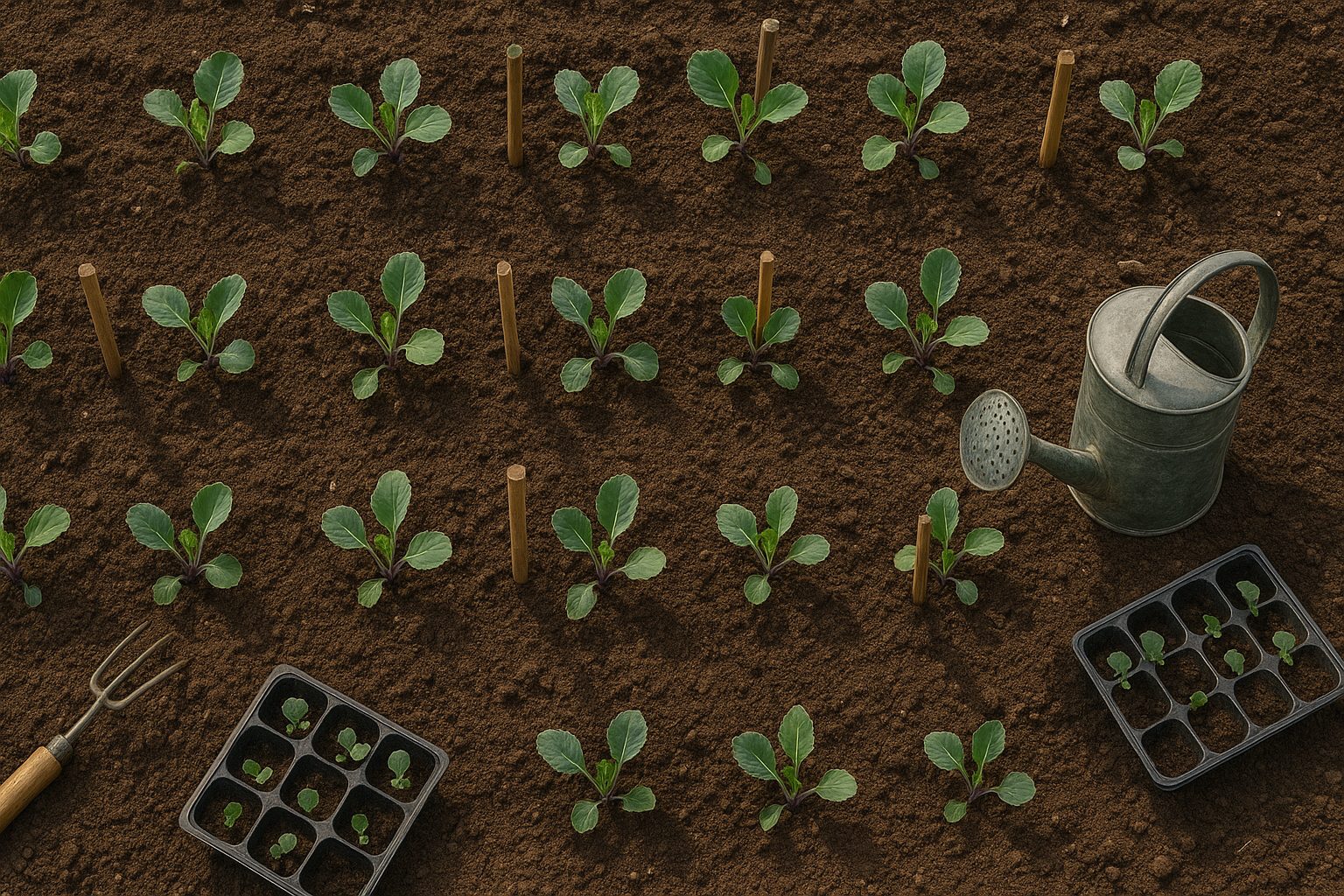
When deciding how to start your cabbage, you have two main options: seeds or transplants. Starting from seeds gives you more variety choices and can be done indoors about 6-8 weeks before your last expected frost. Simply sow seeds ¼ inch deep in seed trays or small pots filled with quality seed-starting mix, keeping the soil consistently moist and placing the trays in a sunny spot or under grow lights.
Once seedlings have two true leaves and your outside temperatures are reliably above 45°F, harden them off for a week before transplanting outdoors. If you’d rather not start from scratch, buy healthy transplants from a local nursery and plant them outdoors once the soil can be worked.
Prepare your garden bed by mixing in plenty of compost or well-rotted manure to create fertile, loose soil with good drainage and a neutral pH. Space your cabbage 12-24 inches apart in rows about two feet apart to make sure each plant gets enough sunlight and room to grow big, firm heads.
Water seedlings and transplants right after planting, then aim for about 1-1.5 inches of water per week, using soaker hoses or watering at the base to prevent disease. Applying a 2-3 inch layer of organic mulch helps retain moisture, keep roots cool, and suppress weeds.
During the growing season, feed plants with a balanced fertilizer after a few weeks, and side-dress with compost or slow-release fertilizer as heads start to form. Thin out any crowded seedlings so the strongest survive—crowding can lead to small or deformed heads.
If you’re growing in a windy area or in soil that tends to stay wet, lightly stake taller varieties to keep them upright and prevent splitting. Keep an eye out for cabbage worms and aphids; picking them off by hand or using row covers can help.
Consistent care is key: keep the patch weed-free, water regularly, and your cabbages will reward you with crisp, fresh heads ready for harvest in 70–100 days, depending on the variety.
Managing Pests & Problems
Cabbage is a hardy crop, but it can attract persistent pests and face some common issues. Watch out for caterpillars like the imported cabbageworm and cabbage looper—they chew holes in leaves and can quickly damage young plants. Aphids tend to cluster on the underside of leaves, sucking sap and spreading disease.
Other frequent offenders include flea beetles, which leave small round holes, and harlequin bugs, which cause wilting and yellowing. Cabbages are also prone to diseases such as black rot (which causes yellow, V-shaped lesions on leaves), downy mildew (fluffy white patches), and clubroot (swollen, deformed roots).
Organic Pest Control
Floating row covers work wonders by physically keeping out moths and beetles. Handpicking caterpillars or spraying a mild solution of dish soap and water can help manage aphids. Beneficial insects like ladybugs and parasitic wasps are excellent allies—plant flowers such as dill or yarrow nearby to attract them.
Disease Prevention
To prevent diseases, rotate crops each year and choose resistant varieties when possible. Water at the base of the plant early in the day to keep leaves dry and discourage mildew.
Other Common Issues
- If you notice slow growth, check for root damage from clubroot or poor soil fertility. Amending soil with compost or well-rotted manure can help.
- Split heads often result from uneven watering, so keep moisture consistent, especially as cabbage heads mature.
- Pale leaves or stunted growth may signal nutrient deficiencies—side-dress with organic fertilizer or add a handful of blood meal for a nitrogen boost.
Keeping a close eye on your cabbages and acting quickly at the first sign of trouble will help ensure a healthy, productive harvest.
Harvesting & Storing Cabbage
Knowing when to harvest cabbage is key to getting the best flavor and texture. Mature cabbages are typically ready when their heads feel firm and dense to the touch, usually between 4 to 10 inches across depending on the variety. Check the outer leaves for a healthy green color and avoid heads that look cracked or split, as this means you’ve waited too long.
To harvest without damaging the plant or neighboring cabbages, use a sharp knife to cut the head at the base, leaving some of the outer leaves and the stem behind. This can sometimes encourage a smaller second crop from the same plant.
Short-Term Storage
For short-term storage, remove only the loose outer leaves, place the heads in perforated plastic bags, and keep them in your refrigerator’s crisper drawer. This way, cabbage can stay fresh for up to two weeks.
Long-Term Storage
If you want to store cabbage for months through the winter, choose only unblemished heads, wrap them loosely in newspaper, and store them stem-side-up in a cool, damp root cellar at about 32–40°F with high humidity. Avoid washing your cabbage before long-term storage, as excess moisture can encourage rot.
With these simple steps, you can enjoy your home-grown cabbage well past the harvest season.
Using Your Cabbage: Recipes & Nutrition
Cabbage is a powerhouse vegetable loaded with nutrients, making it a smart choice for any meal. It’s rich in vitamin C for immune support, vitamin K for bone health, and plenty of fiber for healthy digestion. Cabbage also provides unique antioxidants that may help protect your body against disease.
One of the easiest ways to enjoy cabbage’s benefits is to shred it into a fresh salad or crunchy slaw. Try adding grated carrots, sliced apples, and a light vinaigrette for extra flavor. If you prefer cooked dishes, toss chopped cabbage into a quick stir-fry with garlic, ginger, and your favorite protein—this transforms the humble vegetable into a satisfying main or side.
Don’t forget about fermented classics like sauerkraut and kimchi, which not only preserve cabbage but also offer gut-friendly probiotics. With its mild flavor and crisp texture, fresh cabbage is endlessly versatile, making it easy to sneak extra nutrition into tacos, soup, or even wraps.
Next time you bring home a cabbage from the farmer’s market or your own garden, get creative and try incorporating it into new, healthy recipes—you might discover a new family favorite.