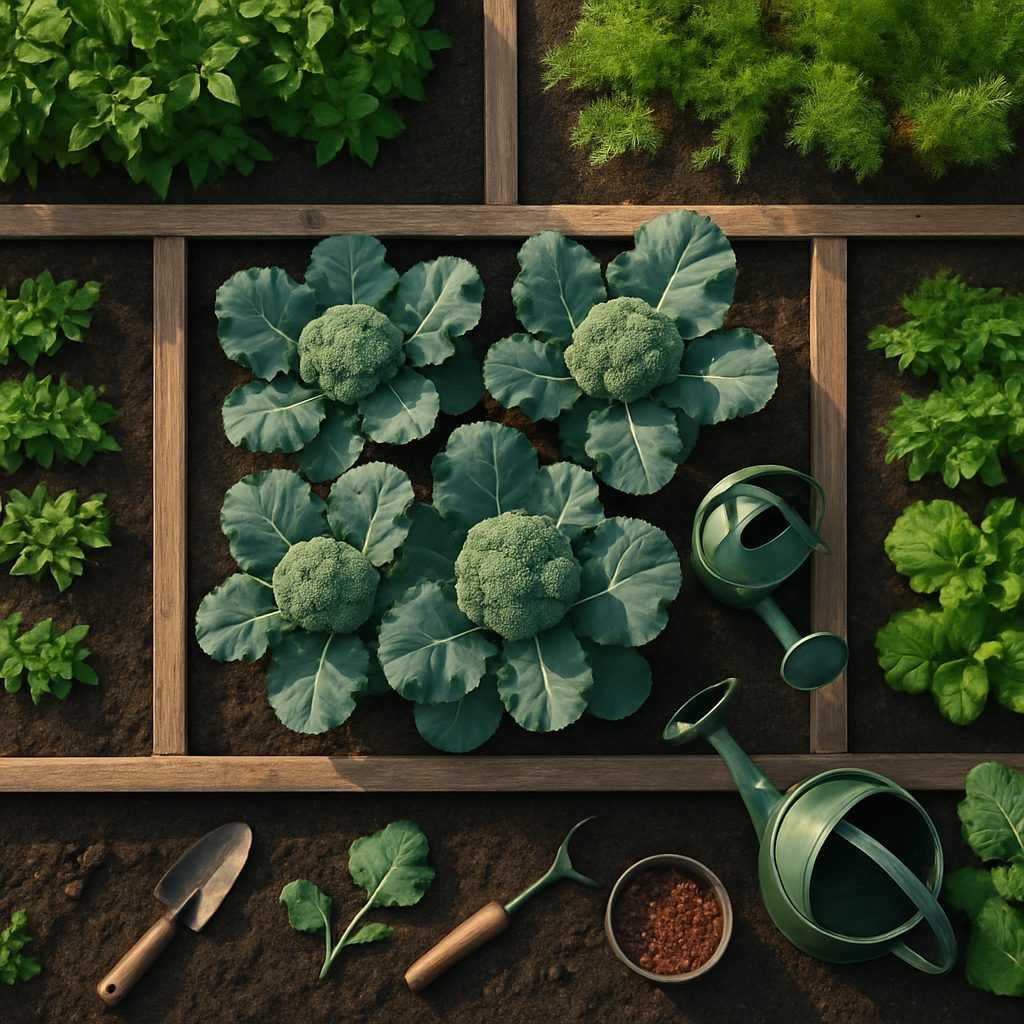
Understanding Crop Rotation and Why It Matters
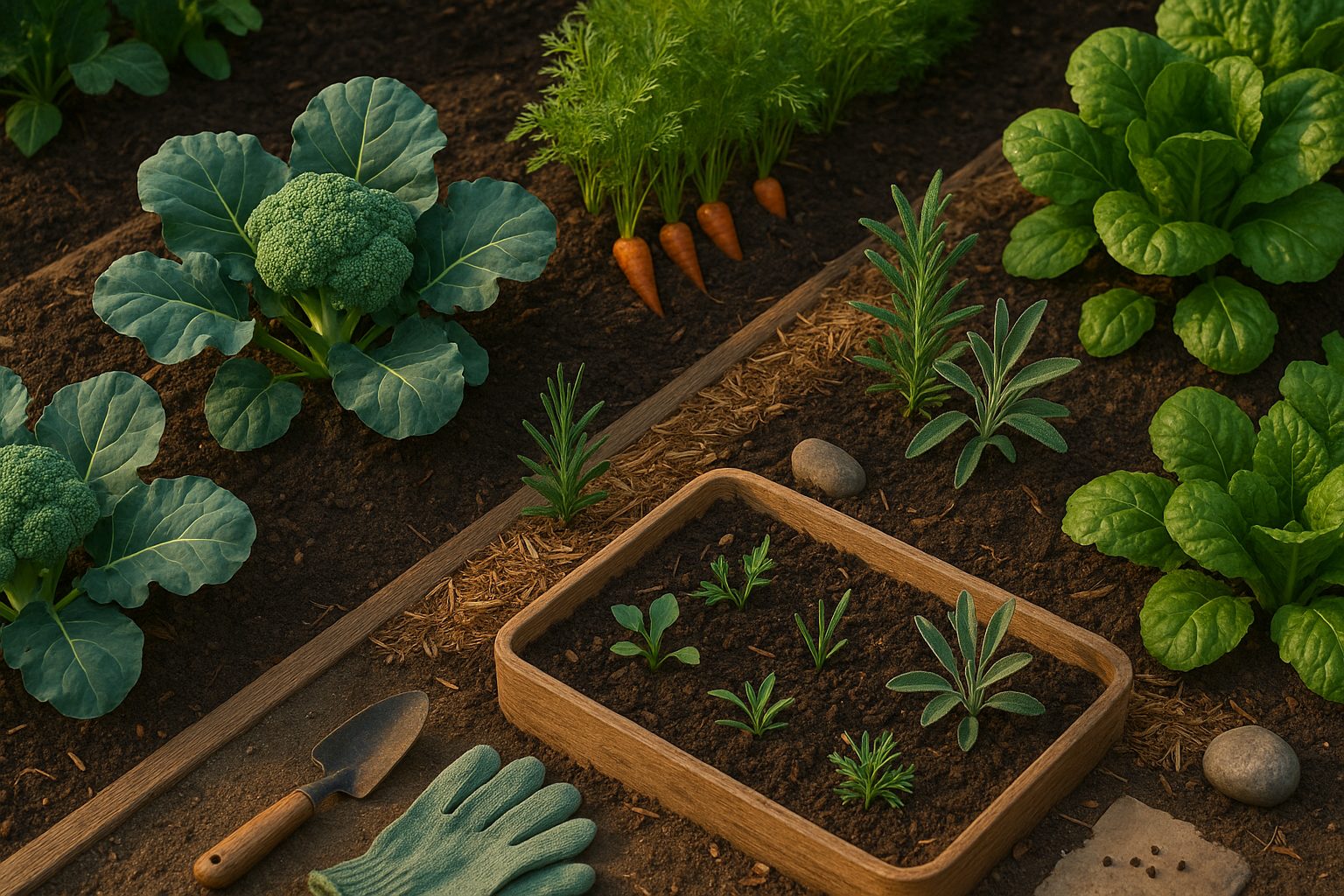
broccoli crop rotation is more than just a buzzword for home gardeners—it’s a simple yet powerful strategy that can dramatically boost your harvests. At its core, crop rotation means changing the type of crop you plant in the same area from one season to the next.
For broccoli and other members of the brassica family, rotating crops is especially important because these plants tend to attract the same pests and deplete similar nutrients from the soil. If broccoli is grown in the same spot year after year, diseases like clubroot and pests such as cabbage worms can quickly build up, leading to stunted growth and disappointing yields.
Imagine planting healthy broccoli in soil teeming with last year’s leftover fungi and bugs—the result is a guaranteed struggle. Rotating your broccoli patch with unrelated crops, like beans or carrots, helps break this cycle by disrupting pest and disease habitats while giving the soil time to recover lost nutrients, especially nitrogen.
Over time, continuous planting of broccoli in one spot will not only reduce your crop’s health but also speed up soil exhaustion, making it harder for any plant to thrive. By mixing up what you plant—and where—you give your garden a fresh start each season, naturally improving soil structure and fertility without relying on chemicals.
For the best results, aim for a 3- or 4-year rotation plan, and you’ll notice healthier plants, better productivity, and far less trouble with disease.
Planning a Rotation Schedule for Broccoli
When planning a yearly rotation schedule for broccoli, it’s essential to remember that broccoli belongs to the brassica family, which also includes cabbage, cauliflower, kale, Brussels sprouts, and collard greens. Rotating these crops is crucial because pests and diseases—such as clubroot and cabbage worms—can quickly build up in the soil if brassicas are grown in the same spot year after year.
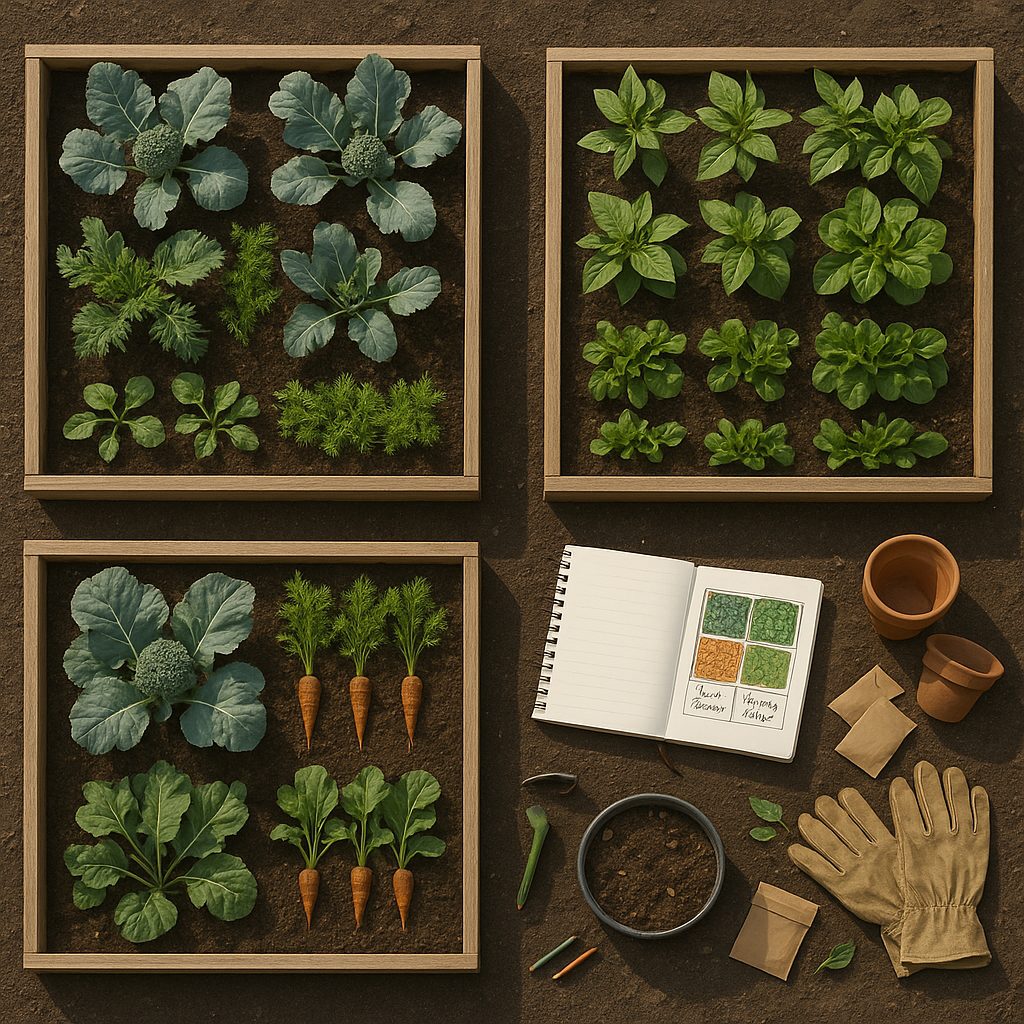
A simple four-year rotation works well for most home gardeners: divide your growing area into four plots and rotate broccoli with other crop families such as legumes (beans, peas), root crops (carrots, beets), and fruiting crops (tomatoes, peppers). For example, if you grow broccoli in Plot 1 this year, plant something from another family there (like beans) next year and move broccoli to Plot 2.
If your space is limited to small gardens or raised beds, you can still manage an effective rotation by grouping brassicas together and rotating them with other vegetable types each year—even moving containers if possible.
Consider keeping a garden journal with a simple sketch and notes to track what you plant in each spot; this makes planning future rotations much easier. In very tight spaces, try planting quick-growing crops (like lettuce or radishes) between longer-season plants to maximize space and keep the soil healthy as you rotate your main crops.
Best Companion and Successor Plants for Broccoli
Broccoli thrives when paired with certain companion plants, making your garden healthier and more productive. Aromatic herbs like dill, sage, and rosemary help repel pests that target broccoli. Growing onions, garlic, or shallots nearby can further deter unwelcome insects.
Root vegetables such as beets and carrots are also helpful partners, as they do not compete for the same nutrients and make efficient use of garden space. Leafy greens like lettuce or spinach enjoy the partial shade that taller broccoli provides, making these crops excellent neighbors.
After harvesting broccoli, it’s smart to rotate in crops that help renew soil nutrients and break pest cycles. Legumes such as peas or beans are ideal because they fix nitrogen and enrich the soil for next season’s crops. You can also plant fast-growing cover crops like clover or vetch, which protect the soil and add organic matter when turned under.
Importantly, avoid planting other brassicas—including cabbage, cauliflower, kale, or Brussels sprouts—in the same spot immediately after broccoli. Pests and diseases specific to this plant family can linger in the soil and challenge your future harvests. By thoughtfully selecting companions and successors, you’ll keep your garden thriving year after year.
Practical Tips for Planting and Maintaining Healthy Broccoli
Growing healthy broccoli starts with preparing nutrient-rich, well-draining soil. Aim for a pH between 6.0 and 7.0, and mix in compost or aged manure before planting to boost organic matter.
Space your broccoli plants about 18 inches apart in rows set 24 inches apart. This gives them room to grow while ensuring good air circulation, which helps prevent disease.
Fertilize with a balanced, slow-release fertilizer at planting and again when the heads begin to form. For best results, rotate your broccoli patch each year — avoid planting broccoli or other brassicas (like cabbage or cauliflower) in the same spot for at least three years to break pest and disease cycles.
Broccoli thrives with consistent moisture, requiring about 1 to 1.5 inches of water per week. Use mulch to help the soil retain moisture and keep roots cool.
Watch out for common pests like cabbage loopers and aphids. Regularly inspect leaves and use row covers or hand-pick insects as needed.
Between growing seasons, improve soil health by planting cover crops such as clover or rye to replenish nutrients and prevent erosion. Adding a fresh layer of compost each year also keeps the soil lively and rich, setting the stage for robust, pest-resistant broccoli crops year after year.
Common Crop Rotation Challenges and How to Overcome Them
Crop rotation can be tricky, especially for gardeners working with limited space or tight planting schedules. One major challenge is finding enough room to properly rotate crops, since each type of plant ideally needs a new spot every season to avoid soil-borne diseases and pest buildup. In small yards or community gardens, this can seem impossible.
A practical workaround is embracing container gardening: growing vegetables in pots or raised beds makes it much easier to switch their locations each season, even on balconies or patios.
Another common issue is overlapping crop cycles where one crop isn’t finished when it’s time to plant the next. Intercropping—planting fast-maturing veggies like lettuce or radishes between slower growers such as tomatoes or squash—can maximize harvests and keep soil covered.
If strict rotation isn’t feasible, try a flexible schedule; adjust your plan to swap families as much as possible and focus on soil health by adding compost, mulching, and using cover crops.
Urban and small-space gardeners shouldn’t get discouraged by traditional rotation guides—creativity and adaptability are your best friends. With some planning and a willingness to experiment, anyone can enjoy the benefits of healthier soil and better harvests, regardless of garden size.
Identifying and Preventing Broccoli Diseases through Rotation
Broccoli can fall prey to several soil-borne diseases and pests, with clubroot, black rot, and root maggots being among the most common threats. Clubroot causes swollen, misshapen roots and stunted growth, while black rot often appears as yellow, V-shaped lesions on leaves. Root maggots, small white larvae, tunnel through roots, causing the plant to wilt or yellow.
Over time, these problems can worsen if broccoli or other cabbage-family crops are grown continuously in the same spot since disease spores and insects can linger in the soil.
Rotating broccoli with unrelated crops, like beans or grains, every year or two helps break these cycles by removing the host plants that pests and diseases rely on.
Watch for warning signs like sudden wilting, discolored leaves, or abnormal roots. If you spot problems, remove and destroy infected plants quickly, and avoid composting them to prevent pathogens from spreading.
Consider solarizing soil (covering it with clear plastic during hot months) or planting disease-resistant broccoli varieties.
Combining rotation with good garden hygiene and prompt action helps keep broccoli thriving season after season.
Conclusion: Building a Resilient, Productive Garden
Practicing proper crop rotation brings lasting benefits to your broccoli and entire garden—reducing soil-borne diseases, minimizing pest issues, and boosting overall soil health for richer harvests. By moving broccoli and related crops to different spots each year, you break pest and disease cycles and prevent nutrient depletion, leading to stronger, more productive plants.
Keep a simple garden journal or use a digital app to track where you’ve planted each crop; this makes planning rotations much easier from season to season. Don’t be afraid to experiment and tweak your rotation plan based on what works best in your growing space.
Every garden is unique, and small adjustments can lead to bigger, healthier yields and fewer headaches over time. Investing time now in tracking and rotating gives you a more resilient, thriving garden that rewards your effort year after year.