Introduction to Mulching Broccoli
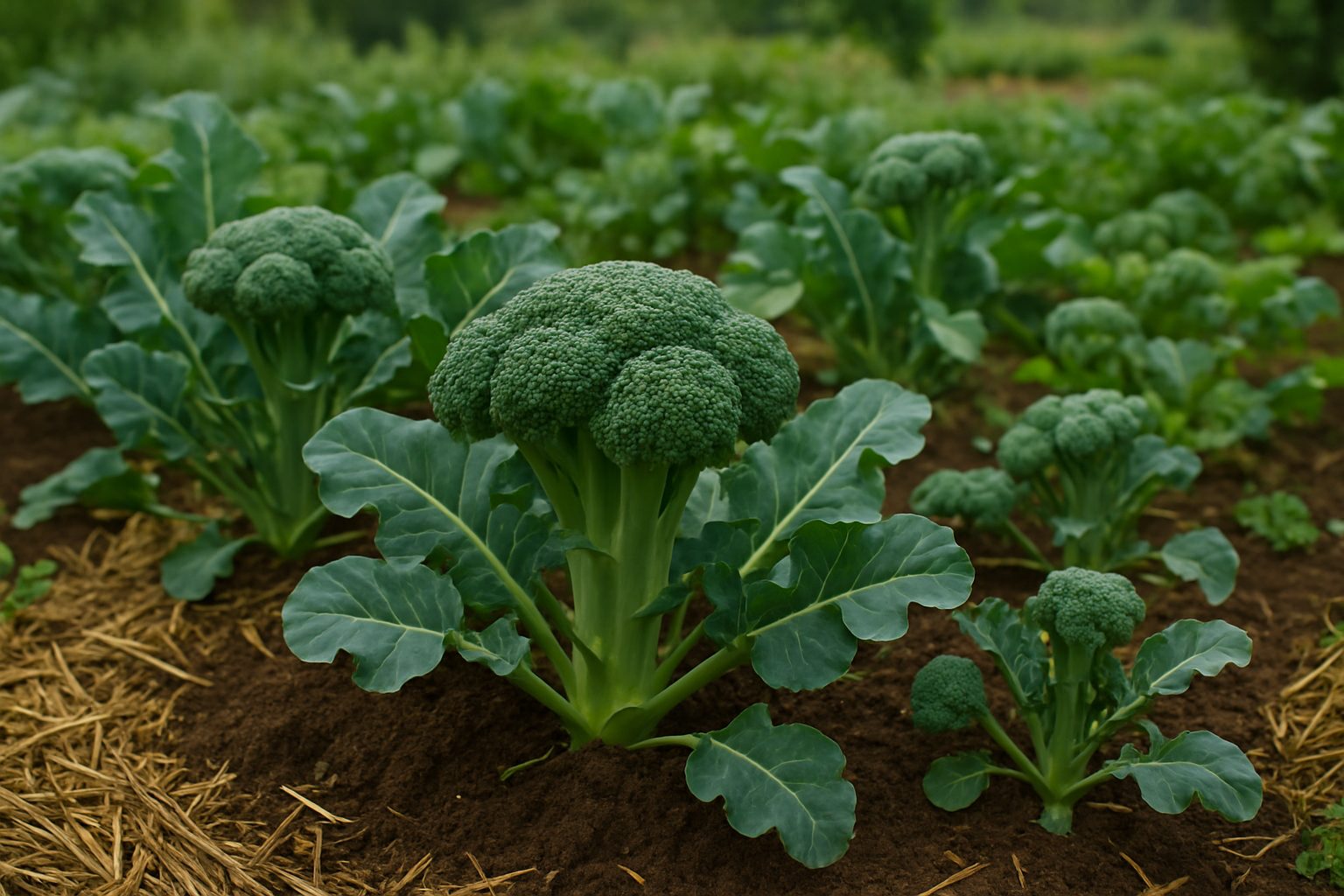
When it comes to mulching broccoli, gardeners often wonder which methods will keep their plants thriving throughout the season. Mulching is simply the act of covering the soil around your broccoli with a protective layer—such as straw, leaves, compost, or even plastic sheeting. Broccoli plants need stable moisture and cool root zones, and mulching provides real, noticeable benefits.
By acting as a barrier, mulch reduces moisture loss, meaning you won’t need to water as frequently. It also keeps persistent weeds at bay, saving you time and preventing valuable nutrients from being stolen away from your crop. Perhaps best of all, mulch helps maintain a steady soil temperature, protecting broccoli roots from extreme heat in summer and cold snaps in early spring or late fall—conditions that can make or break your harvest.
If you’ve struggled with wilting, bolting, or weed invasions, mulching can make a big difference. In this article, you’ll learn which mulch options—organic choices like straw and compost or synthetic types like landscape fabric—work best for broccoli, along with practical tips tailored to your garden’s unique needs.
Benefits of Mulching for Broccoli
Mulching broccoli offers several advantages tailored to the crop’s unique needs, making it a smart choice for gardeners aiming for healthy, high-yielding plants. One of the main benefits is effective weed suppression. Since broccoli grows relatively slowly, weeds can easily outcompete young seedlings for sunlight and nutrients. Applying mulch soon after transplanting—once the plants are sturdy but before weeds take hold—creates a natural barrier that reduces weeding and helps delicate broccoli starts establish.
Moisture retention is another important reason to mulch. Broccoli has shallow roots that are sensitive to dry conditions, especially during hot or windy weather. A 2-3 inch layer of organic mulch, such as straw or shredded leaves, helps retain soil moisture, reducing the need for frequent watering and preventing the stress that can cause bitter or stunted heads.
Mulching also helps regulate soil temperature, which is vital since broccoli prefers cool roots—temperatures above 75°F can cause stress or encourage bolting. By keeping the soil cool in spring and providing gentle insulation in fall, mulch extends broccoli’s productive season.
Finally, mulch can help limit soil-borne diseases. When watering or during heavy rains, mulch acts as a shield, preventing soil from splashing onto lower leaves and reducing fungal and bacterial problems common in brassicas.
The best time for mulching broccoli is after seedlings are established and the soil has warmed in spring or at transplanting for late-summer plantings. This timing ensures you get the full benefits when broccoli plants need the most support.
Organic Mulch Options for Broccoli
When mulching broccoli, choosing the right organic material can make a big difference in growing healthy, productive plants. Straw is a popular choice because it’s lightweight, easy to spread, and helps keep the soil cool and moist. It breaks down slowly, providing lasting weed suppression and enriching the soil over time. Just be sure to use seed-free straw (not hay) to avoid unintentionally introducing weeds.
Shredded leaves are another excellent mulch option, especially in the fall when they’re abundant and free. Leaves insulate the soil well, feed beneficial microbes, and add organic matter as they decompose. However, thick mats of leaves can sometimes block water absorption or encourage slugs. To prevent this, apply a thin, fluffy layer and avoid letting leaves mat directly against the broccoli stems.
Compost is a powerhouse mulch for broccoli, delivering nutrients right to the soil surface while improving soil structure and moisture retention as it breaks down. The downside is that unfinished compost can attract pests, so only use mature, well-rotted compost and keep it an inch or two away from the plant stem to prevent rot.
Grass clippings are easy to find in summer and offer a quick nitrogen boost. Always use untreated, pesticide-free clippings, and apply them in very thin layers to avoid matting, unpleasant odors, or overheating your broccoli.
For all organic mulches, aim for a layer 1–2 inches thick, replenishing as materials break down to maintain consistent coverage. Sourcing mulch can be simple: collect your own leaves and grass, ask a local farm for straw, or use garden-finished compost. Always ensure materials are clean and free of weed seeds or contaminants.
By rotating mulch types throughout the season—straw early on, leaves in fall, and compost to finish—you provide your broccoli with a variety of benefits while keeping pests, weeds, and watering challenges under control.
Inorganic Mulch Options: Pros & Cons
When it comes to mulching broccoli, inorganic mulch options offer some unique benefits compared to organic choices, but they also come with drawbacks. For example, black plastic sheeting is highly effective at suppressing weeds and conserving soil moisture. It also helps warm the soil, which is especially useful for early spring broccoli plantings.
Landscape fabric is another popular option that allows moisture to pass through while blocking most weeds. Gardeners often appreciate its neat appearance and long lifespan. Gravel and rubber mulch provide very low-maintenance alternatives, lasting for several seasons and almost completely eliminating weed growth.
However, these inorganic mulches have some downsides when used around food crops like broccoli. Unlike organic mulches such as straw or compost, they don’t improve soil structure, fertility, or microbial activity. Additionally, black plastic and rubber mulch can cause soil temperatures to rise too high under the summer sun, potentially stressing cool-loving broccoli plants.
Rubber mulch, made from recycled tires, may also leach chemicals, raising safety concerns around edible plants. While landscape fabric and plastic are less risky in this regard, they require careful installation to avoid water pooling or root suffocation. From an environmental perspective, inorganic mulches generate more waste when they wear out, and disposing of them can be challenging.
In summary, inorganic mulches can be effective for weed control and moisture conservation, but their environmental impact and lack of soil benefits often make them less ideal for food gardens. When mulching broccoli, consider inorganic options mainly for specific situations—such as heavy weed pressure—and weigh their pros and cons carefully.
How to Apply Mulch for Best Results
Start by preparing your broccoli bed—clear away weeds, rocks, and debris from the soil surface. If you can, lightly work in a balanced compost or slow-release fertilizer into the top few inches to boost soil fertility before planting or mulching. Once your broccoli seedlings are planted and watered, allow the soil to warm up a bit, especially in cooler climates, since mulching too early can slow their early growth.
When you’re ready, lay down your chosen mulch—straw, shredded leaves, untreated grass clippings, or bark all work great for mulching broccoli. Aim for a layer about 2 to 3 inches thick; this helps lock in soil moisture, suppress weeds, and regulate soil temperature.
Be careful not to pile mulch directly against the base of seedlings or mature stems, as this traps moisture and increases the risk of rot and pests. Instead, leave a two-inch gap around each stem. For mature broccoli, apply mulch the same way, gently tucking it around but not touching the main stalk.
Throughout the season, keep an eye on your mulch layer—if it thins out from wind, rain, or decomposition, add more to maintain that 2-3 inch coverage. After heavy rains, gently fluff compacted mulch with a hand rake to prevent crusting, which can block water absorption. Remove any weeds that poke through, and top up with fresh clippings or leaves as needed.
When watering, direct water at the base of the plants under the mulch for better moisture efficiency. Avoid applying mulch thicker than 4 inches, as this can restrict airflow and attract slugs and other pests. With each season, proper mulching gets easier as your soil structure improves, leading to healthier broccoli with less effort.
Troubleshooting Common Mulching Issues
When mulching broccoli, gardeners sometimes encounter problems that can undermine their efforts. One common issue is mold growth, especially when the mulch layer is too thick or the material (like grass clippings or leaves) is very damp. Mold appears as fuzzy white, gray, or black spots on top of the mulch. If you notice this, simply rake back the mulch to improve airflow and reduce watering until the area dries out.
Pests also love hiding beneath mulch, particularly slugs and pill bugs. If you see chewed broccoli leaves or slimy trails, try switching to coarser mulch materials, scatter crushed eggshells around the base, and check for pests early in the morning.
Another concern is nitrogen tie-up, which happens when high-carbon mulches like straw or wood chips steal nitrogen from the soil as they break down. Broccoli may show pale leaves or slowed growth as a result. Avoid this by using well-aged compost as mulch or supplementing with a high-nitrogen fertilizer periodically.
Over-mulching is another pitfall; a layer thicker than 2-3 inches can suffocate roots, promote root rot, or keep soil too cool. These conditions can make broccoli wilt, yellow, or seem stunted. Regularly check under the mulch to ensure the soil isn’t soggy or sour-smelling. If it is, remove some mulch.
The best sign your mulching broccoli technique is working: plants should have vibrant leaves, strong stems, and steady growth. If not, tweak your mulching approach for a healthier harvest.
Conclusion & Quick Tips for Successful Mulching
Mulching broccoli is one of the simplest yet most effective ways to boost your harvest. The best mulch options—such as straw, untreated grass clippings, and shredded leaves—offer an ideal balance of moisture retention, weed suppression, and soil health benefits. Avoid heavy wood chips, as they can tie up soil nitrogen, and always use organic mulches free from pesticides or diseases.
Apply mulch 2–3 inches thick around your broccoli plants, keeping a small gap at the base to prevent rot. Refresh or top up the mulch as it breaks down, especially after heavy rain or thorough weeding. Here are some quick tips:
- Mulch right after planting or transplanting for the best results.
- Water thoroughly before applying mulch if the soil is dry.
- Monitor soil moisture regularly — mulch reduces watering needs, but the soil should remain consistently damp.
Beginner gardeners can start with easily available materials like straw or grass clippings, while experienced growers might try integrating compost or using cover crops as living mulch. For more guidance, check out tips on mulching other brassicas like cabbage or cauliflower, as their needs are very similar.
With these simple practices, you’ll see how mulching can improve both the health of your broccoli and make garden maintenance easier.