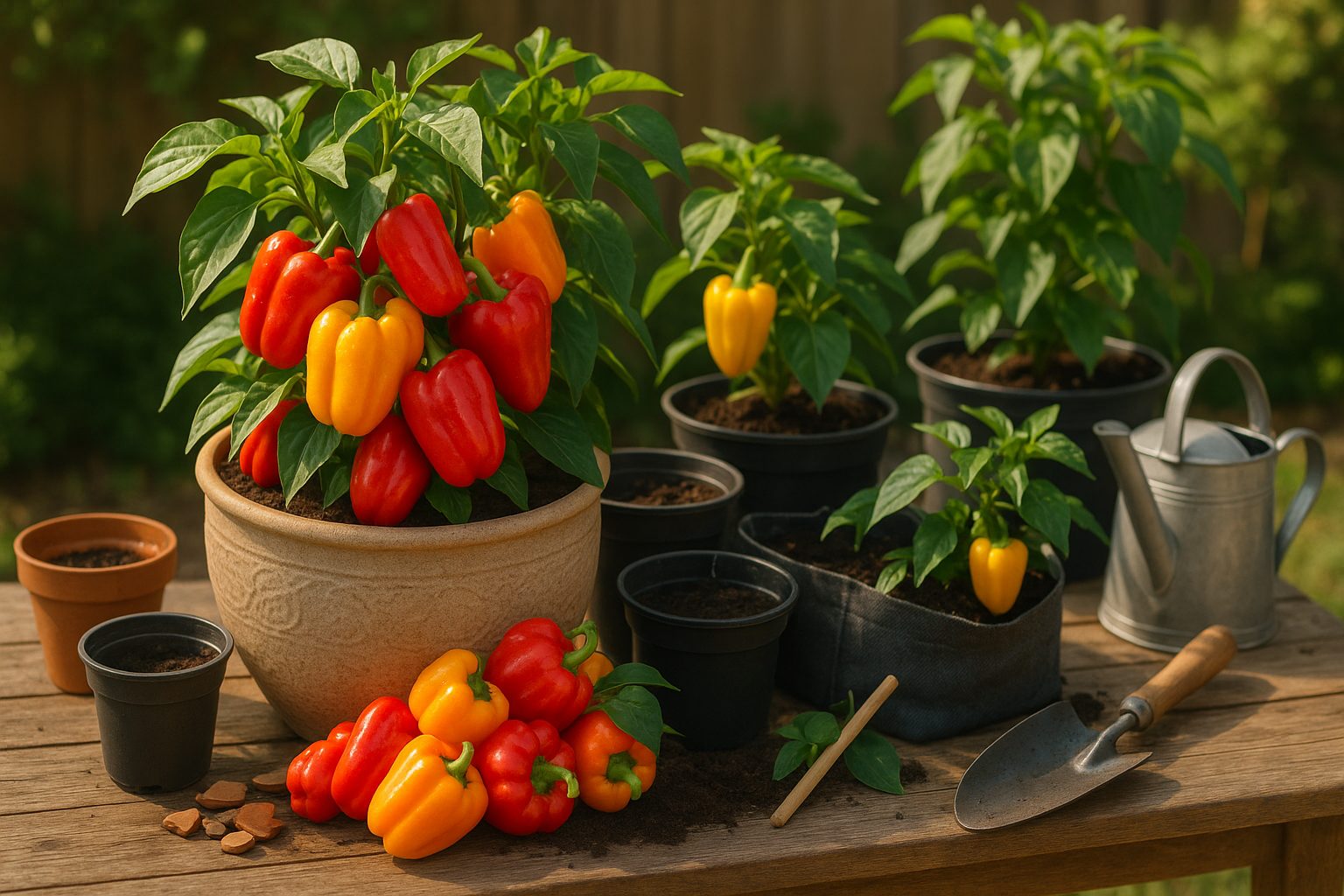
Choosing the Right Containers and Supplies
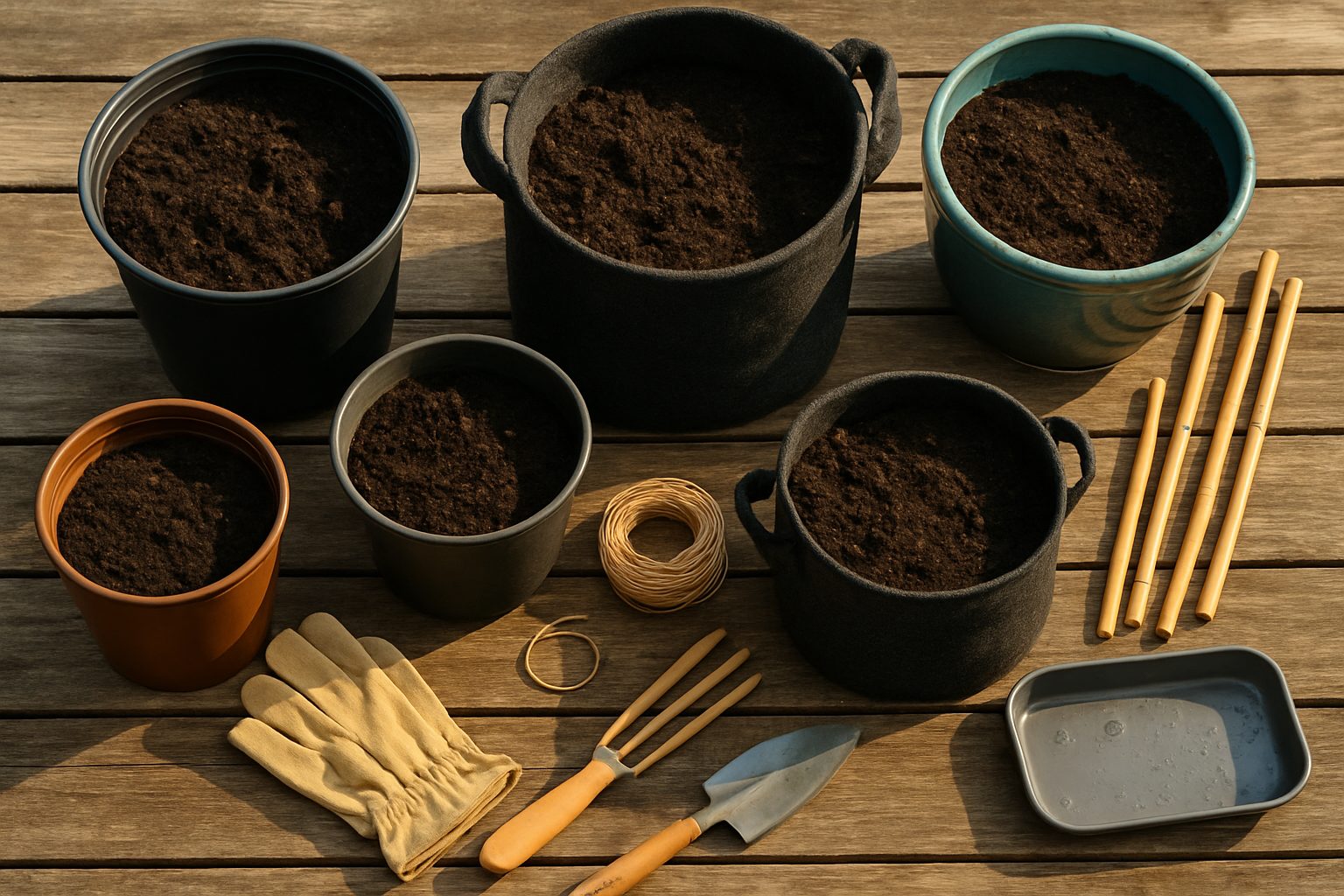
Wondering how many bell peppers you can successfully grow per pot? You’re not alone—container gardening is booming, and knowing the right number of plants can make all the difference between healthy, productive peppers and weak, crowded stems. The size of your pot isn’t just a minor detail; it dictates how much space roots have to spread, anchor, and access nutrients. For the best results, choose a container that’s at least 3 to 5 gallons per bell pepper plant. Trying to squeeze two or more plants into one pot often leads to root competition, causing stunted growth and a disappointing harvest.
Container material matters, too. Sturdy plastic pots are lightweight and retain moisture well, while ceramic pots look attractive but can be heavier and sometimes restrict drainage. Fabric grow bags are a smart, breathable option that help prevent waterlogging and root rot. Whatever you choose, focus on drainage—make sure every pot has multiple holes in the base, or add a layer of gravel to avoid soggy soil.
Basic supplies to start your bell pepper container garden include:
- A well-sized pot
- Rich potting mix (look for soil that includes compost or slow-release fertilizer)
- Sturdy stakes or tomato cages to support tall stems and heavy fruit
- A drip tray to catch excess water
If you live in a particularly hot climate, consider adding mulch to retain moisture and dissipate heat.
Set yourself up for success by positioning your pots in a well-lit spot—aim for at least 6 to 8 hours of direct sun daily for the best fruiting. Water deeply, letting the soil dry slightly between watering, and fertilize every few weeks to keep nutrients topped up. Rotate pots occasionally if sunlight is uneven, and keep an eye on drainage after heavy rain. With careful planning, the answer to “how many bell peppers per pot?” is usually one—giving each plant the best chance to thrive, fruit, and fill your kitchen with sweet, homegrown peppers.
Container Gardening with Peppers: Choosing and Growing the Right Varieties
When it comes to container gardening with peppers, choosing the right variety makes all the difference. Compact and mini pepper types like Cayenne, Jalapeño, Lunchbox, and Mini Bell are star performers in pots, offering robust flavors without sprawling growth. Larger bell pepper varieties can also work if you provide a deep, roomy container—at least 3 gallons per plant.
For anyone new to growing peppers, buying healthy nursery transplants saves weeks of time and eliminates the guesswork of germination. However, starting from seed lets you pick from a rainbow of unique and heirloom varieties not often sold in stores.
Starting Peppers from Seed
Seeds demand patience: sow them indoors 8–10 weeks before the last expected frost. Use a seedling tray or small pots filled with moist seed-starting mix, planting each seed about ¼ inch deep. Keep trays warm (70–80°F) and cover with plastic to maintain humidity until seedlings emerge in 7–14 days.
Once seedlings develop two sets of true leaves, transplant them into slightly larger pots. Be sure to provide bright, indirect light to prevent legginess.
Transplanting Nursery-Bought Plants
When transplanting nursery-bought plants, choose short and stocky specimens with deep green leaves, avoiding any leggy or yellowing starts. Before moving any plant outdoors, harden it off over a week by gradually exposing it to sun and wind for longer periods each day—this reduces shock and helps peppers thrive in their final containers.
Potting and Planting Tips
Fill the pot with a rich, well-draining potting mix, then dig a hole deep enough to bury the root ball up to the first set of leaves. Gently firm the soil around the stem and water thoroughly.
For both seedlings and transplants, wait to move peppers outside until nights stay above 55°F and the danger of frost has passed. Peppers love warmth, and chilly soil can stunt growth.
Following these steps will give you a head start on a container pepper patch bursting with vibrant color and flavor.
Ideal Growing Conditions
Peppers are sun-loving plants that thrive with at least six to eight hours of direct sunlight daily, so place your containers in the brightest, sunniest spots available. If you’re growing indoors, a south-facing window or supplemental grow lights will help ensure your peppers receive enough light for healthy growth and fruit production—without it, you’ll notice leggy stems and fewer peppers.
When it comes to temperature, peppers prefer warmth but not extreme heat. Ideal daytime temperatures range from 70°F to 85°F, with nighttime temps staying above 55°F. Chillier nights (below 50°F) or sudden cold snaps can stunt growth, especially in young plants, so keep containers portable if possible. Move them indoors or cover them when temperatures drop unexpectedly.
Outdoors, position containers on patios, balconies, or against a sunny wall that radiates warmth and blocks harsh winds. Avoid areas prone to puddling or deep shade. Indoors, place plants near unblocked windows or under LED grow lamps, rotating regularly for even growth.
As your pepper plants mature and begin bearing fruit, their branches can become heavy and sprawling, which risks breakage. Simple supports like stakes, bamboo sticks, or small tomato cages work wonders to keep stems upright and prevent the plant from tipping over, especially in windy spots or when the peppers get large.
By fine-tuning light exposure, moderating temperatures, selecting the best location, and providing a little structural support, you’ll grow sturdy, productive pepper plants that reward your care with abundant, colorful harvests.
Caring for Pepper Plants: A Guide to Healthy Growth
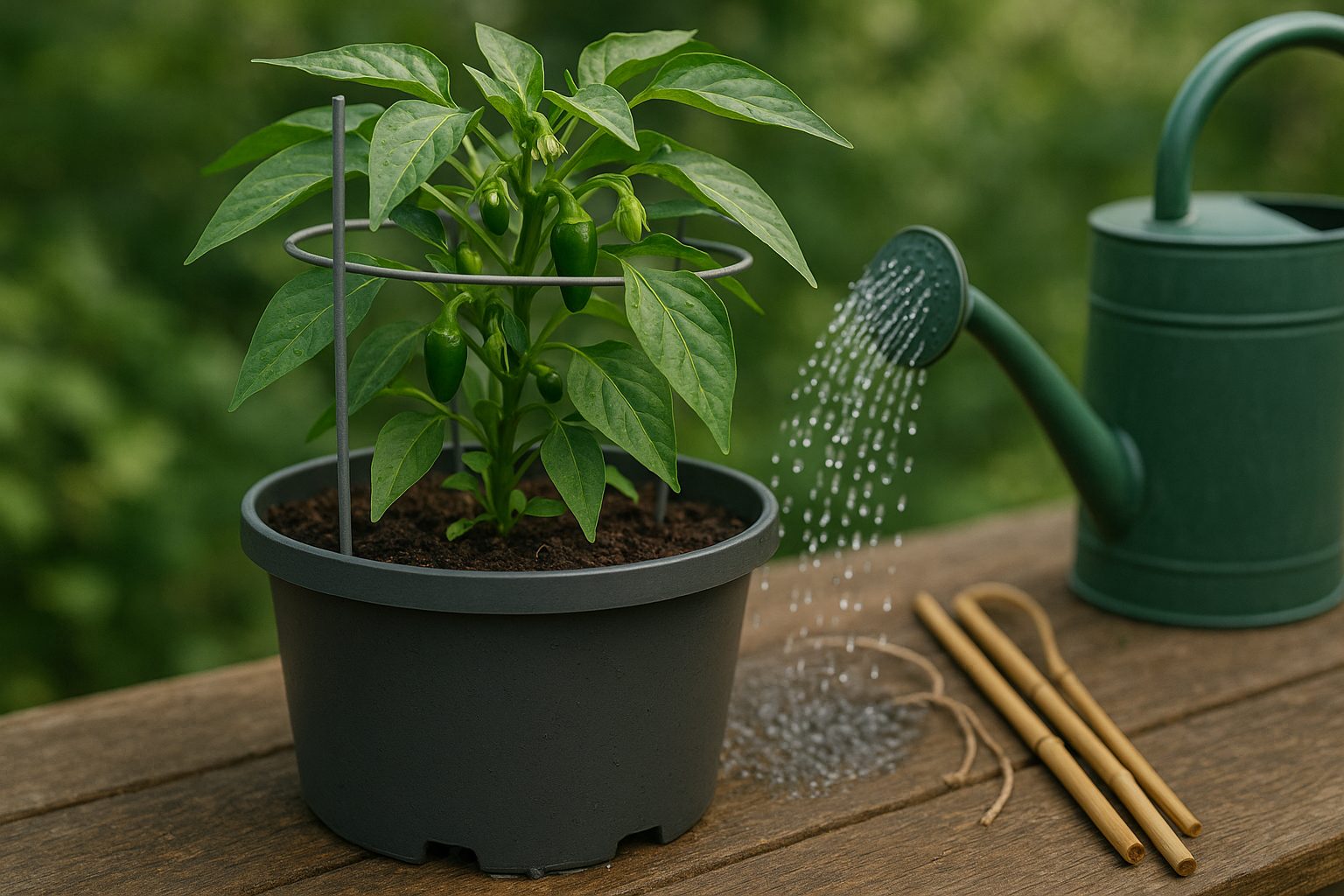
When it comes to caring for pepper plants, understanding their needs at each stage is key to a healthy, productive garden.
Watering Tips
Watering frequency depends on where your peppers are growing. In containers, the soil dries out much faster—expect to water every day or every other day during hot weather. For in-ground peppers, watering two to three times per week is usually enough, but always check the soil first.
The goal is to keep the top inch of soil moist but never soggy. To test this, poke your finger into the soil—if it feels dry at your knuckle, it’s time to water. Overwatering shows up as limp, yellowing leaves and a musty smell, while underwatering leaves your plants wilted and dry to the touch.
Good drainage is essential, so make sure garden beds and pots have holes at the bottom and use well-draining soil mixes.
Fertilizing Your Peppers
Fertilizing peppers keeps them vigorous throughout the growing season. Start with a balanced, slow-release fertilizer at planting, then feed every three to four weeks with a fertilizer that has slightly more phosphorus and potassium than nitrogen—something like a 5-10-10 NPK mix—for stronger blooms and fruit.
Too much nitrogen can make plants bushy but produce fewer peppers, so always measure according to package instructions and avoid overdoing it. Top-dressing with compost or liquid seaweed every few weeks can also naturally boost nutrients.
Pruning for Better Growth
Pruning is another way to get the most from your pepper plants. Once plants are well-established and about a foot tall, pinch off the growing tips to encourage branching—this helps create a bushier shape and more sites for fruit.
If you see flowers forming very early, snip them off; young plants need time to grow strong before producing peppers. Throughout the summer, trim away any yellow or damaged leaves, and consider removing lower leaves that touch the soil to prevent disease.
For heavy-yielding varieties, thinning overcrowded stems and snipping back suckers (side shoots at the base) can increase airflow and sun exposure, leading to healthier, more productive plants.
Summary
With regular watering, smart feeding, and a little targeted pruning, your pepper patch will be set for a season of vibrant growth and flavorful harvests.
Tips for Growing Healthy Container Peppers
Container peppers are generally easy to grow, but they can still encounter a few hiccups. One of the most common issues gardeners face is yellowing leaves, which might be caused by overwatering, poor drainage, or nutrient deficiencies. Make sure your pots have drainage holes, let the soil dry out a bit between waterings, and consider using a well-balanced organic fertilizer if yellowing continues.
Another frequent challenge is root rot, which often occurs when soil remains too wet. Always empty saucers after watering and use a loose, well-draining potting mix. If your peppers look stunted or aren’t growing well, check for overcrowding or compacted roots by gently sliding the plant out of its pot—repot into a slightly larger container if it’s root-bound.
Pest infestations, like aphids and spider mites, can also quickly take hold in containers. Look for curled or sticky leaves and tiny insects, then wash them off with a strong spray of water or use an organic insecticidal soap. Fungal diseases can appear as well, especially if plants don’t have enough air circulation. Space pots apart and remove any affected foliage to help prevent this.
Blossom drop (when flowers fall off before fruiting) can be another frustration, often triggered by temperature swings, underwatering, or too much fertilizer. Keep peppers evenly moist and avoid high-nitrogen feeds once they begin flowering.
If your container peppers aren’t setting fruit, ensure they’re getting at least six hours of direct sunlight per day. You can also hand-pollinate flowers with a small brush if needed—sometimes potted plants indoors don’t get enough wind or insects for pollination.
Healthy container peppers thrive with a watchful eye: check your plants daily, adjust care as the seasons change, and act early using organic remedies like neem oil, beneficial insect releases, or compost teas. With a bit of attention, you’ll keep problems at bay and harvest a rewarding crop—even in small spaces.
Knowing When to Harvest Your Peppers
Knowing when your peppers are ready to pick is key to getting the best flavor and texture from your harvest.
Harvesting Sweet Peppers
Most sweet peppers, like bell peppers, can be harvested green or left to ripen fully to red, yellow, or orange for a sweeter taste. Look for firm, glossy skin and full size for the variety you planted.
Harvesting Hot Peppers
Hot peppers often signal ripeness by a deepening color, sometimes with a little wrinkling. It’s a good idea to check seed packets or online photos for your specific type.
How to Harvest
When it’s time to harvest, use garden shears or scissors to snip the pepper off with a short stem attached, rather than pulling, which can damage the plant and nearby fruit.
Plant Yield and Continuous Harvesting
On average, a healthy pepper plant can yield 5–10 large peppers or 20–50 smaller varieties per season, especially when picked regularly. Continuous harvesting encourages new blossoms and more fruit production.
Storage and Preservation
- Keep fresh peppers in the fridge’s crisper drawer for up to two weeks.
- Freeze them by chopping and sealing in airtight bags for quick stir-fries and stews later on.
- For longer preservation, try drying hot peppers on a string in a sunny spot.
- Or pickle sliced peppers in vinegar with garlic and herbs.
Quick and Easy Ways to Enjoy Your Harvest
- Toss sliced peppers on the grill.
- Stuff them with cheese and bake.
- Chop them fresh into salads and salsas for a burst of homegrown flavor.
FAQs
When it comes to growing peppers in pots, many people wonder which varieties work best and how to keep plants thriving all season.
Compact, bushier pepper types like jalapeños, mini bells, and Thai chilies are perfect for containers since they won’t outgrow your space but still yield lots of colorful fruit. Choose pots at least 12 inches wide and deep to give roots room to spread—larger containers help keep soil from drying out too fast and support robust growth.
Use high-quality potting soil formulated for vegetables. If reusing soil from a previous season, refresh it by mixing in compost and removing any old roots or debris. Be sure to scrub containers with a mild bleach solution before each new planting to prevent disease.
If your pepper plants wilt, check first for dry soil. Peppers like consistent moisture, but make sure pots drain well to avoid soggy roots. If blossoms fall off or few fruits form, it could be due to temperature extremes—peppers usually set best between 70°F and 85°F—or a need for extra nutrients. Feed them with a balanced fertilizer as buds appear.
Don’t get discouraged by a slow start; peppers take their time maturing but reward patience with months of harvest. Try growing a few different varieties to discover new flavors and colors right on your patio or balcony. Growing peppers in pots is easy to customize and brings delicious satisfaction season after season.