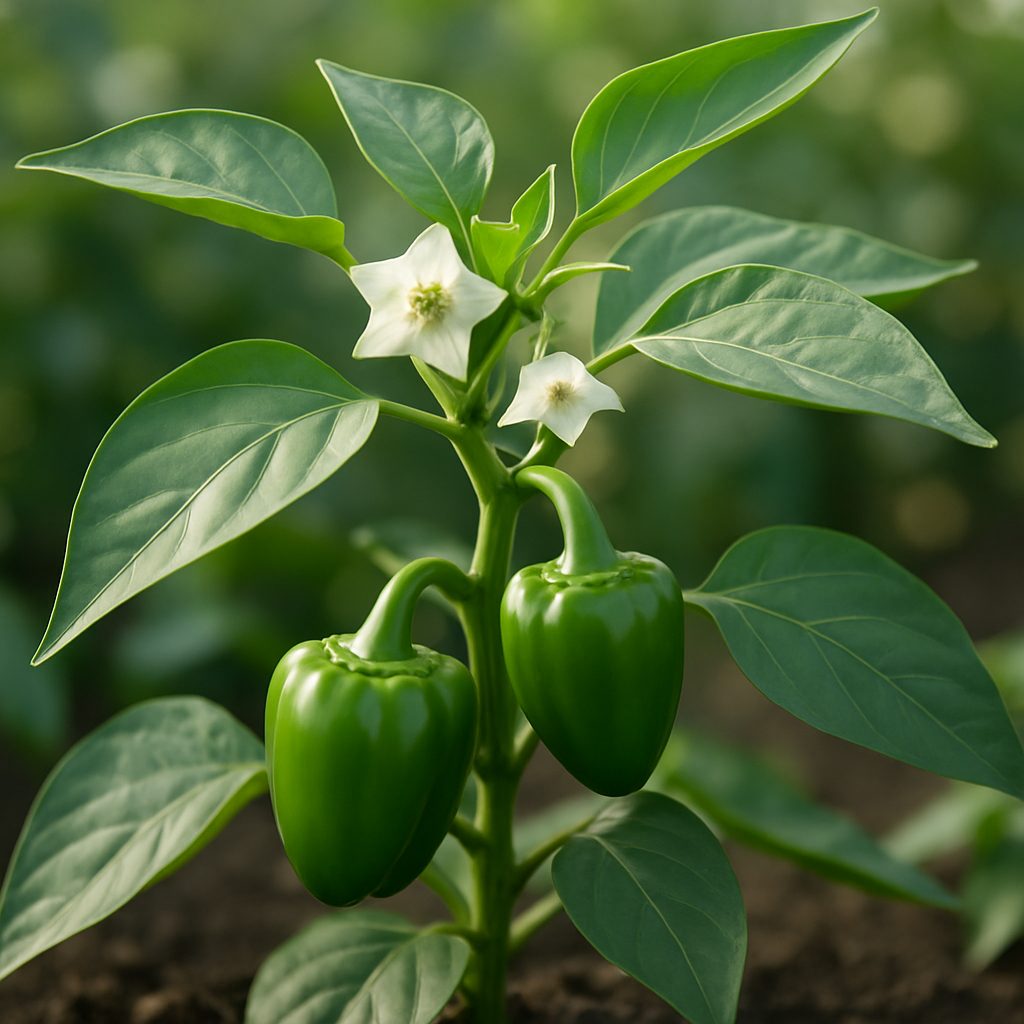
Understanding Flowering and Fruiting in Pepper Plants
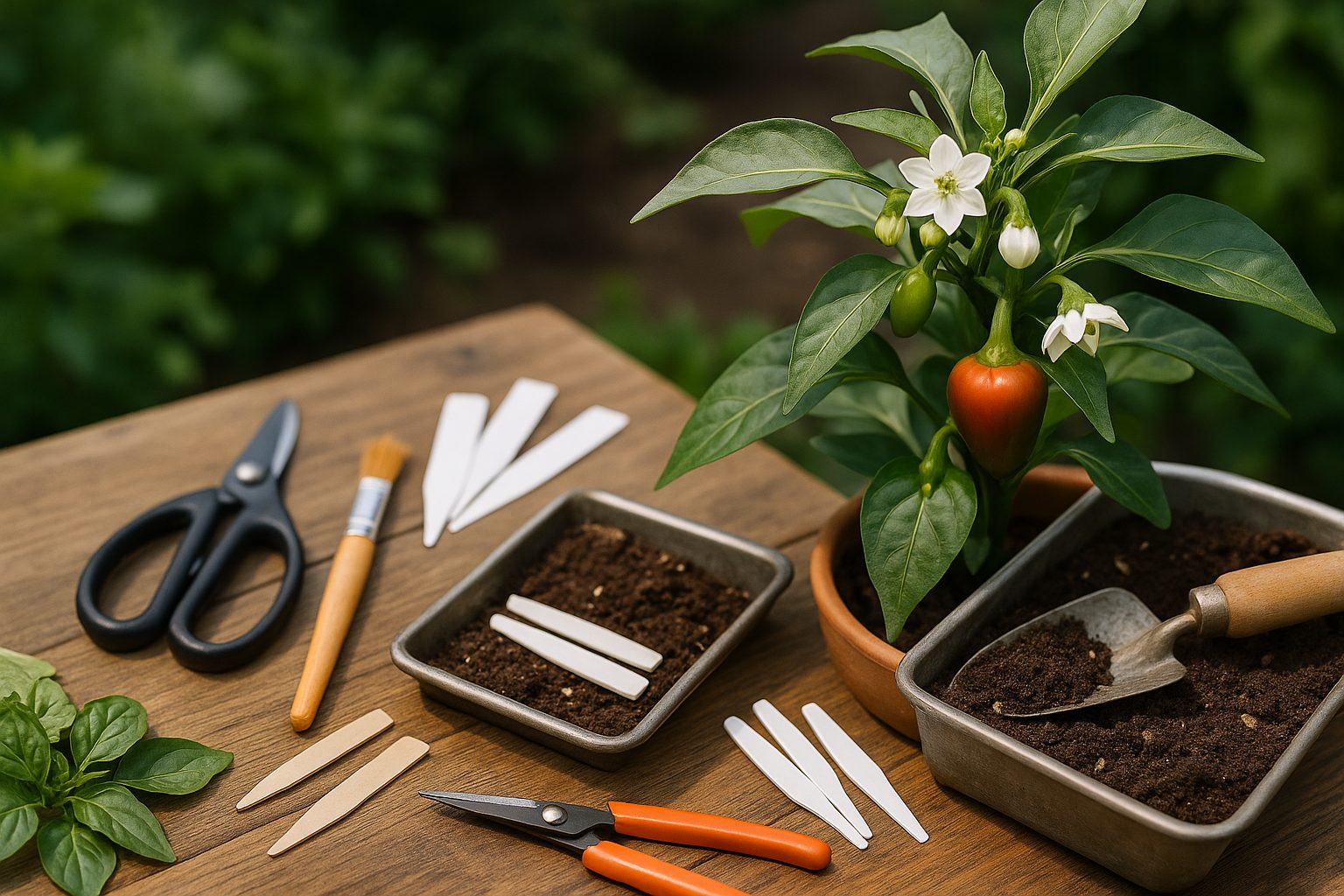
If you’re frustrated by bell peppers not fruiting in your garden, you’re not alone. Bell peppers follow a clear growth pattern: they first focus on lush, leafy vegetative growth, then shift to producing delicate white flowers, which—if all goes well—develop into crisp, colorful fruits.
This progression involves key biological stages, including the formation of flower buds, successful pollination, and the transition from flower to young pepper pods. Any hiccup in this process can halt fruit development. Factors like inconsistent temperatures, lack of pollinators, improper watering, or nutrient imbalances often interrupt the normal flow from flowering to fruit set.
Sometimes, your peppers might flower but fail to produce fruit entirely, leaving you scratching your head. Understanding these stages and what can disrupt them is the first step toward a thriving pepper harvest.
In this article, we’ll break down the possible reasons behind bell peppers not fruiting, so you can troubleshoot, adjust your care routine, and finally enjoy the fruits of your labor.
Temperature Troubles: How Climate Affects Peppers
Pepper plants thrive best when daytime temperatures range between 70°F and 85°F (21°C to 29°C), with nighttime lows staying above 55°F (13°C) but below 75°F (24°C). When temperatures drop too low, especially below 55°F (13°C) at night, pepper flowers may fall before they can be pollinated, resulting in little or no fruit.
On the flip side, high daytime temperatures above 90°F (32°C) or hot nights over 75°F can stress the plants, causing flower drop, reduced fruit set, or misshapen peppers.
To help your peppers handle temperature extremes, consider the following tips:
- Plant after your region’s last frost and early enough to avoid the hottest part of summer.
- Use row covers or cloches on cool nights to provide a quick boost of warmth.
- Employ shade cloth or garden umbrellas to lower leaf temperatures during heat waves.
- In container gardens, move pots to the shadier part of your patio during extreme heat.
- Choose pepper varieties bred for your local climate, such as heat-tolerant or early-maturing types.
By following these strategies, you can dodge temperature troubles and keep your pepper harvest plentiful.
Pollination Problems: When Flowers Don’t Turn Into Fruit
Pepper plants are mostly self-pollinating, meaning each flower has both male and female parts and can usually set fruit on its own. However, a few environmental hiccups can interfere with successful pollination, leaving you with plenty of blooms but no peppers.
Issues like very high or very low humidity can prevent pollen from sticking where it needs to go, while strong winds or a lack of moving air—especially in greenhouses—can stop pollen from transferring between flower parts. Additionally, if the plant isn’t getting enough water or is getting too much, flowers may drop before pollination happens.
Even though you don’t need bees for peppers, attracting a few pollinators with nearby blooming flowers or giving your plants a gentle daily shake can encourage pollen movement. Another helpful tip is to use a soft paintbrush to lightly dab the inside of each flower, which works great when growing indoors.
Keeping your pepper plants healthy with consistent watering and placing them where there’s good airflow are also key to giving your flowers the best chance of turning into crisp, homegrown peppers.
Nutrition and Soil Health: Feeding Successful Peppers
Getting the right soil nutrition is key to growing healthy, productive pepper plants. Peppers need a balance of nutrients to encourage strong flowering and fruit development. If your soil is high in nitrogen, you may notice your pepper plants are lush and full of leaves but produce few flowers or fruits—this is a common sign of excess nitrogen.
On the other hand, if your peppers are flowering poorly or setting little to no fruit, they may be lacking phosphorus and potassium, both crucial for blooms and fruiting.
To support your peppers, look for a fertilizer with a balanced ratio or one slightly higher in phosphorus and potassium, such as a 5-10-10 or 10-10-20 formula. Apply fertilizer according to package instructions, and watch for symptoms like yellowing leaves (a sign of nitrogen deficiency) or weak stems and small, misshapen peppers (which can signal potassium or phosphorus shortages).
Testing your garden soil at the start of the season is a smart way to tailor your feeding plan, ensuring your peppers get exactly what they need for a successful harvest.
Watering and General Care: Avoiding Stress and Setbacks
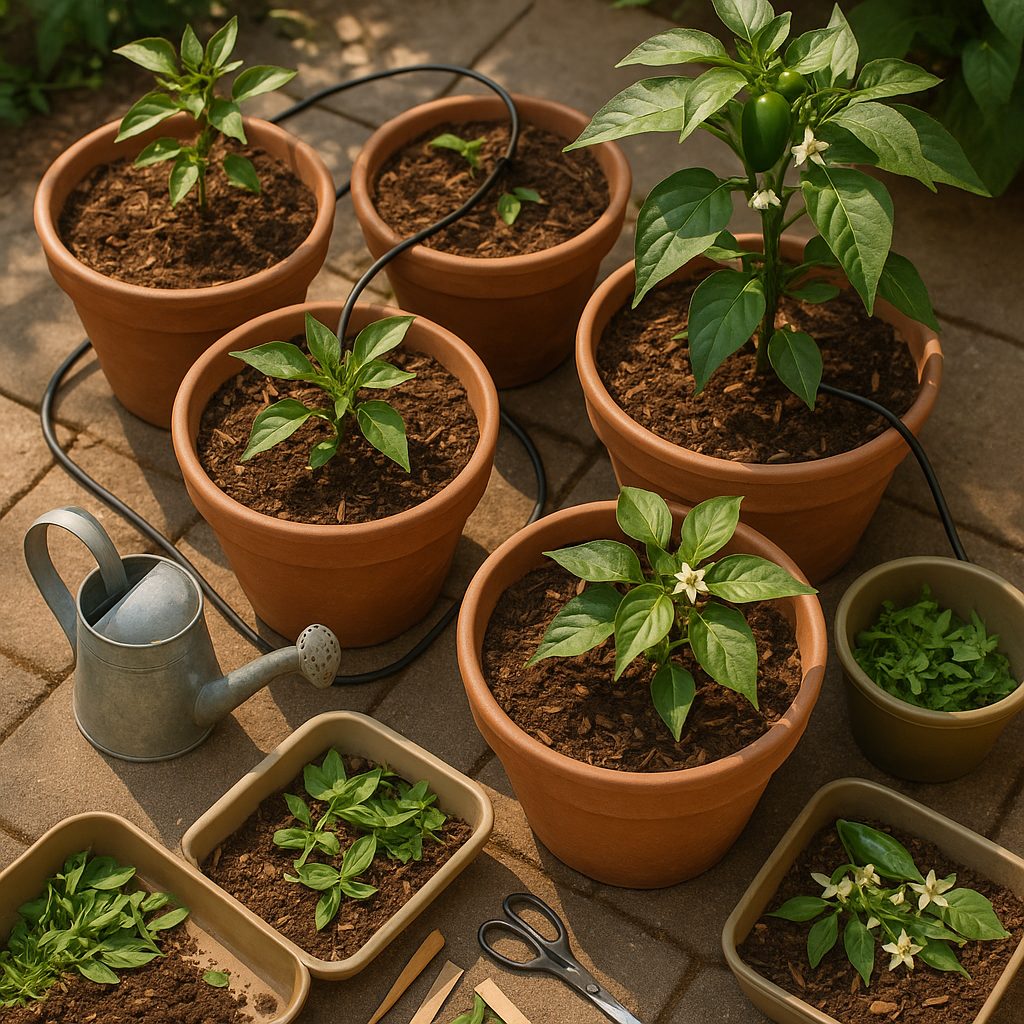
Inconsistent watering is one of the most common causes of plant stress and flower drop. When soil swings between bone dry and soggy, roots struggle to absorb nutrients and oxygen, leading to weakened plants and fewer blooms. Overwatering can be just as damaging, suffocating roots and promoting diseases like root rot.
To avoid these issues, check the top inch of soil before watering—if it feels dry, it’s time to water. Use mulch to help retain moisture and regulate soil temperature, especially during hot spells.
Beyond watering, avoid planting too closely together, as overcrowded plants compete for light, nutrients, and airflow. This stress can invite pests or fungal issues.
If you’re growing in containers, remember that pots dry out more quickly than garden beds, so monitor them more closely and choose containers with drainage holes. Pruning spent flowers and dead leaves encourages more growth and better air circulation, keeping your plants happy and productive.
Create a simple care routine: water regularly based on weather and soil checks, prune lightly every couple of weeks, and give plants enough space to thrive. These steps help avoid common setbacks and keep your garden flourishing all season.
Troubleshooting Other Causes: Pests, Diseases, and Environment
Beyond the basics of sunlight, water, and nutrients, less obvious issues like pests, diseases, and poor air circulation can also affect your pepper plant’s ability to flower and set fruit. Check leaves and stems regularly for tiny aphids, spider mites, or subtle holes and spots—early detection is key.
If you see sticky residue, webbing, or yellowing, try spraying plants with a gentle blast of water or a mild insecticidal soap. Diseases like powdery mildew or bacterial leaf spots often show up as unusual leaf discoloration or fuzzy patches; prune affected areas promptly and avoid wetting the foliage to keep issues from spreading.
Make sure your plants aren’t packed too closely—good airflow helps keep disease at bay and gives flowers room to form. Rotate your planting spots each season to help break pest and disease cycles.
Remember, even with perfect care, peppers sometimes need extra time and stable weather before they’ll bloom or fruit, so patience and consistent checking are essential. Many gardeners find that just observing plants a few minutes each day keeps problems from getting out of hand.