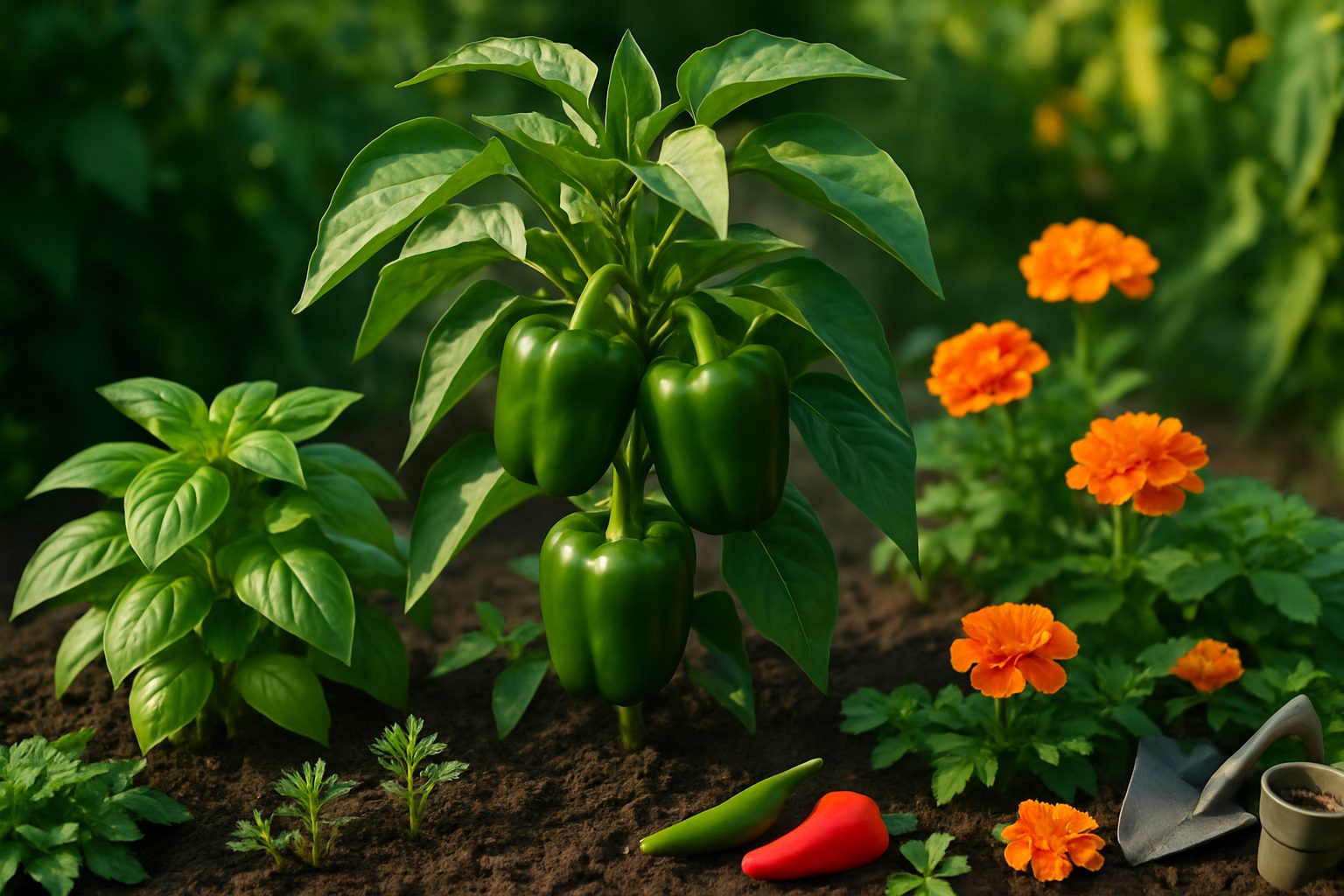
Introduction to Companion Planting with Peppers
Figuring out what not to plant near bell peppers can make all the difference between a healthy harvest and a less-than-stellar yield. Companion planting—growing certain plants together for mutual benefit—is a time-tested technique home gardeners use to boost growth, repel pests, and make the most of their space. While bell peppers are a backyard staple thanks to their sweet flavor, versatility, and colorful varieties, not every garden neighbor is a friend. Combining the right plants can help peppers thrive, while unwise pairings can lead to stunted growth, increased pests, or poor soil health.
Whether you’re starting your first vegetable bed or looking to fine-tune your current setup, understanding which companions play nicely with peppers is key. This article will uncover the best and worst plants to share space with bell peppers, including real-life tips for keeping your crops robust and healthy. We’ll shine a light on common mistakes, like planting peppers next to plants that attract similar pests, and offer practical advice for organizing your garden layout for maximum success. Let’s dig into how the right planting choices can transform your pepper patch from average to exceptional!
Best Companion Plants for Peppers
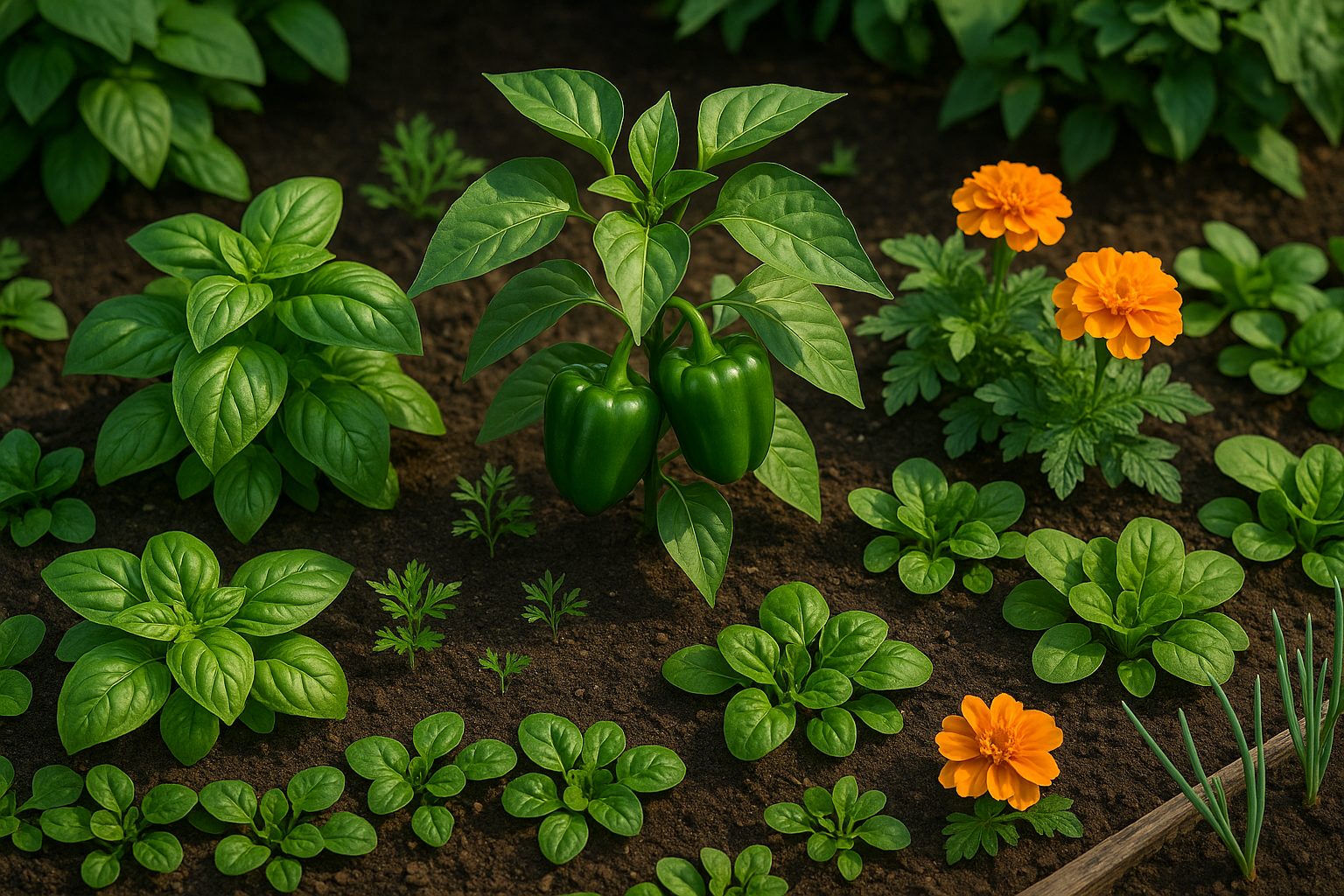
Pairing your pepper plants with the right companions can make a big difference in their health and productivity. Among herbs, basil stands out as a classic partner—its aromatic leaves repel troublesome insects like aphids, spider mites, and mosquitoes, while also supposedly improving pepper flavor. Cilantro offers similar pest-resistant benefits, deterring harmful beetles and attracting beneficial predatory insects.
When it comes to vegetable companions, carrots are ideal because they grow below ground and don’t compete with peppers for sunlight or space, plus they help aerate the soil. Onions and spinach also fit in well: onions deter pests like aphids and beetles, while spinach acts as a beneficial ground cover that retains moisture and suppresses weeds.
Don’t overlook flowers—marigolds are famous for warding off nematodes and other soil-borne pests, while vibrant nasturtiums lure aphids away from your peppers and attract pollinators.
For easy pairing, try planting basil and marigolds in a ring around your peppers for all-around protection and visual appeal. Tuck a few carrot seeds between pepper plants, and add a border of onions or a patch of spinach nearby for a full spectrum of support.
Remember to keep companion pairings within arm’s reach—this makes it easy to harvest and care for all your crops while maximizing the shared benefits that lead to healthier, more productive peppers.
Plants to Avoid Growing Near Peppers
When planning your pepper patch, it’s smart to steer clear of certain neighboring plants that can do more harm than good. Brassicas—like broccoli, cabbage, and cauliflower—compete fiercely with peppers for nutrients and water, often leaving your peppers stunted.
Similarly, fennel releases chemicals that inhibit pepper growth and should be kept in its own corner of the garden. Potatoes are another poor companion because they share vulnerability to the same fungal diseases as peppers, such as blight, which can quickly spread problems through the soil.
Corn isn’t ideal either; its tall stalks cast too much shade, robbing peppers of the sunlight they crave. Plus, both crops can attract corn earworm, increasing pest issues for both.
If you’re eager to grow these incompatible plants, consider separating them by several feet or dedicating completely different garden beds or containers to each.
For a thriving pepper garden, pair peppers with friendly neighbors like basil, onions, or carrots, which won’t compete as aggressively and can even help deter some pests. By giving peppers space away from their rivals, you’ll help ensure a healthier, more productive crop.
How Companion Planting Benefits Peppers
Companion planting can make a noticeable difference in your pepper patch, offering practical benefits that go beyond tradition. For starters, certain companion herbs and flowers can help control pests, reduce disease risk, and even boost pepper flavor or yield.
Marigolds are a classic example: their roots produce compounds that deter nematodes—microscopic worms known for attacking pepper roots and stunting plant growth. Research and generations of gardeners agree that marigolds act as a natural “force field” at a pepper’s side, keeping these soil-borne pests at bay.
Similarly, basil is another favorite companion; it’s believed not only to confuse or repel unwanted insects like aphids and thrips with its strong aroma but also to subtly enhance the flavor of nearby peppers—a bonus cited by both chefs and gardeners.
Even beyond pest control, companions like onions or spinach can maximize the use of limited garden space because their roots occupy different soil zones and they mature at different times, reducing competition for resources.
Some studies also suggest that healthy plant diversity above ground can make your pepper plants less conspicuous to pests searching for a single type of target. While science continues to unravel all the details, these time-tested planting strategies blend observation with research, giving your peppers a natural advantage that supports robust growth, higher yields, and tastier harvests—all through a thoughtfully arranged garden.
Tips for Planting and Caring for Peppers with Companions
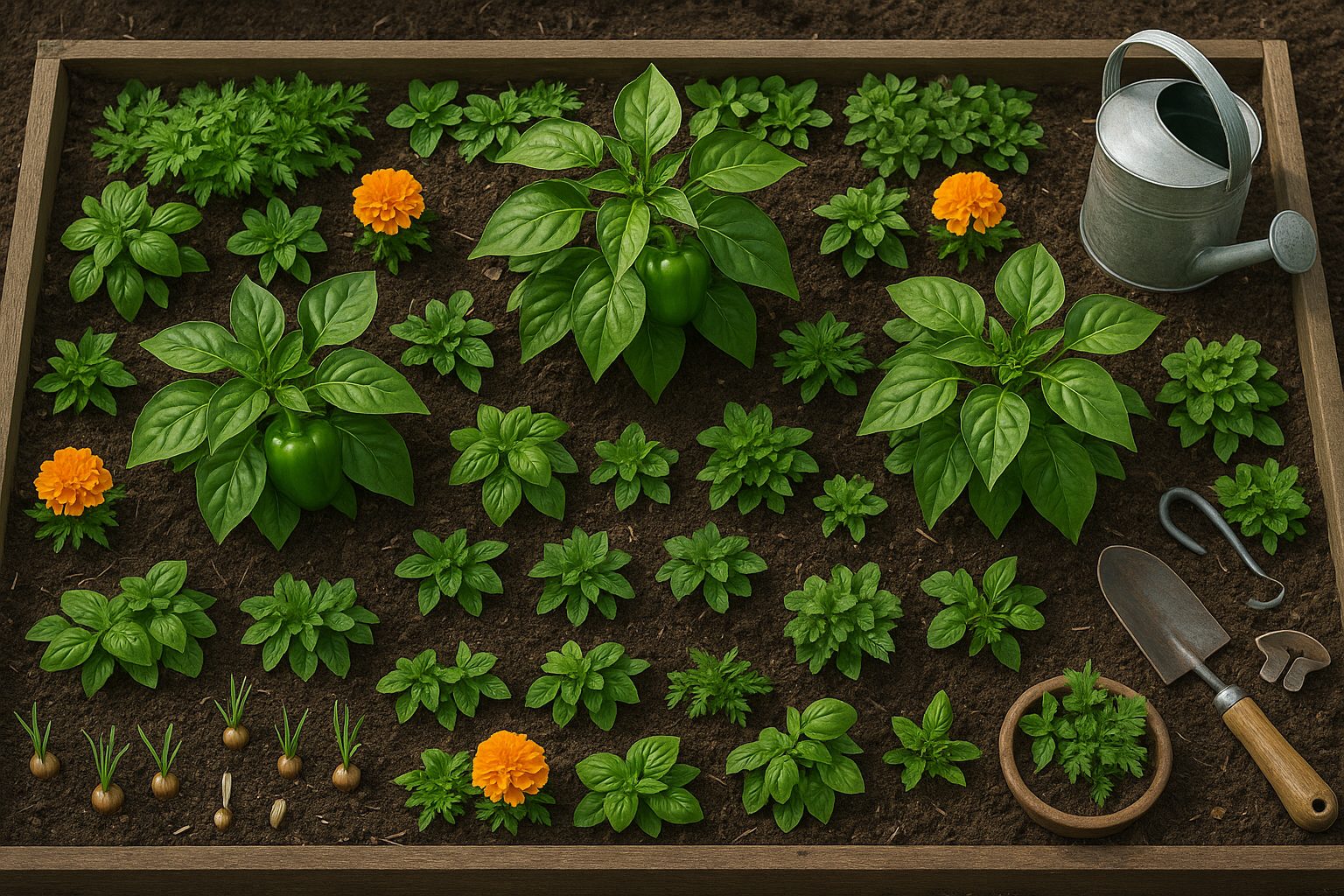
Planting peppers alongside helpful companions starts with smart planning. First, choose companion plants like basil, onions, or marigolds—these boost pepper growth by attracting pollinators or deterring pests. Time your planting after the last frost when the soil warms, as peppers are sensitive to cold.
Prepare a sunny garden bed with well-draining soil rich in organic matter; peppers prefer a slightly acidic to neutral pH (6.0–7.0). For companion spacing, plant peppers about 18–24 inches apart in rows, leaving enough room for airflow. Tuck companion plants like basil or marigolds around them, but not so close that they compete for root space—about 6–12 inches away is ideal.
Water the bed deeply and consistently, letting the soil dry slightly between watering sessions but never fully parched. Mulching helps maintain moisture and reduces weeds. Watch for signs of pests such as aphids on peppers or fungal issues caused by wet foliage—companion plants like marigold and chives can help repel these, making problem-spotting easier.
Rotate your crops each season: avoid planting peppers or their relatives (tomatoes, eggplants) in the same spot year after year to prevent soil-borne diseases. Consider mixing up your companions too—try planting leafy greens in early spring with peppers, then swap to heat-loving herbs as summer peaks.
A little attention to these details ensures your pepper patch thrives year after year, with fewer pests, healthier soil, and tastier harvests.
Common Mistakes and FAQs About Growing Peppers with Companions
When growing peppers with companion plants, a frequent mistake is overcrowding the garden bed. It’s tempting to pack in as many “good neighbors” as possible, but peppers need space for airflow and root growth. Crowding can stunt plants and increase the risk of diseases like powdery mildew.
Another common oversight is forgetting that even compatible companions have individual needs. For example, herbs like basil may require more frequent watering than peppers, while leafy greens might compete for nutrients if planted too close.
FAQs About Companion Planting with Peppers
- Can I mix multiple companion plants together? Yes, you can, but be sure to maintain proper spacing and ensure none of the companions aggressively compete with your peppers for light, water, or nutrients.
- What are the best companions for container gardening? Herbs like basil, chives, and oregano work well with peppers in pots. They don’t overtake the container and can help repel pests.
- Can I plant tomatoes and peppers together? While both belong to the nightshade family, they compete for resources and share similar pests. It’s best to separate them when possible.
For more detailed tips and planting charts, check out university extension websites or trusted gardening guides. These resources often break down the dos and don’ts of companion planting in easy-to-follow formats.