Introduction to Lovage and Its Benefits
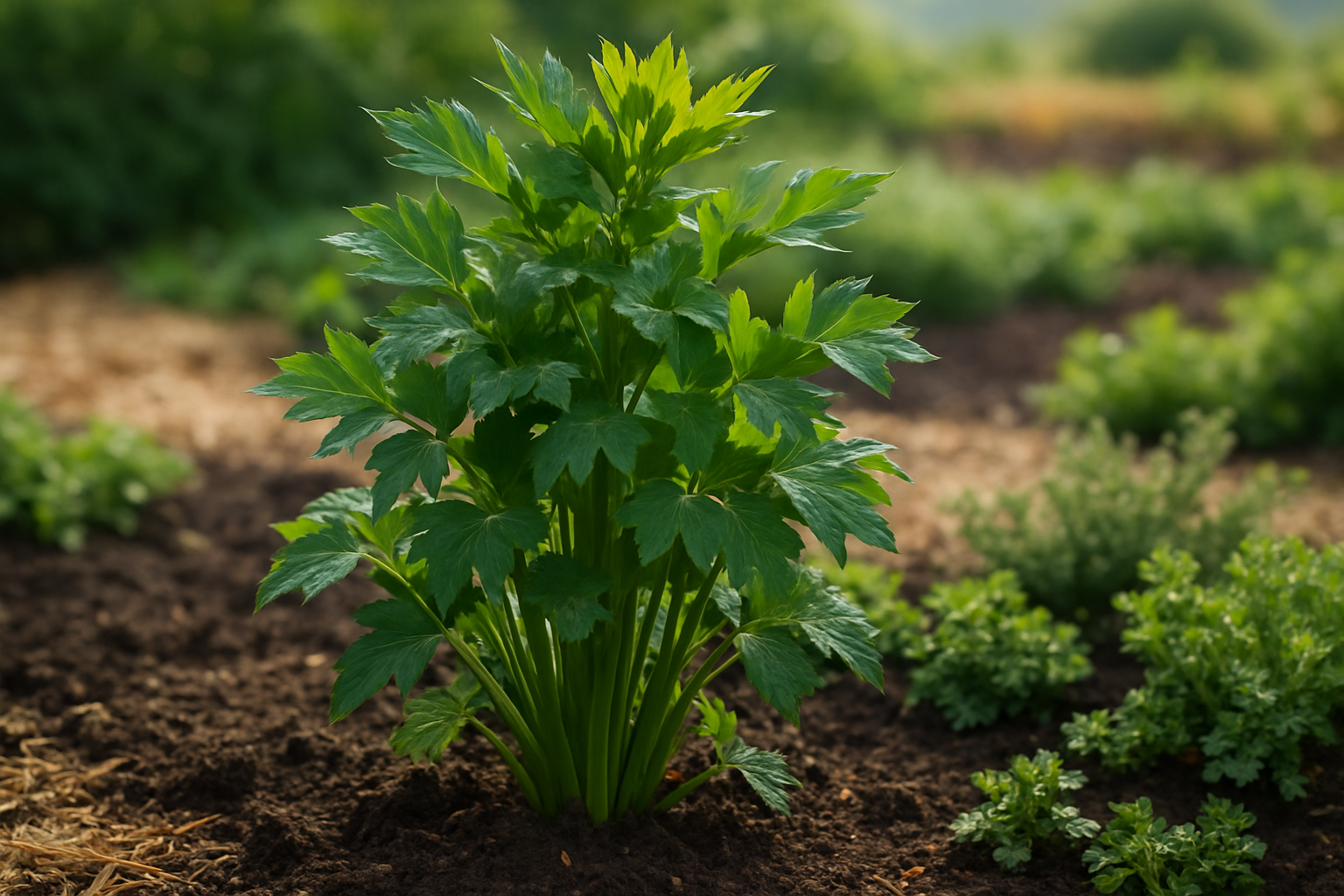
If you’re interested in adding a robust, long-lasting herb to your garden, perennial lovage care should be high on your list. Lovage is a tall, vigorous perennial with glossy, celery-like leaves and hollow stems that can grow up to six feet tall. Its flavor is often described as a cross between celery and parsley, with a hint of anise—making it a unique addition to soups, stews, and salads.
Lovage has long been revered not only as a culinary staple but also for its medicinal uses. Historically, people brewed its leaves and roots as teas for digestive support and as a natural remedy for inflammation. What really sets lovage apart, however, is its ability to thrive year after year with minimal fuss.
Once established in a well-drained spot and supplied with regular water, lovage proves remarkably hardy, shrugging off cold winters and coming back each spring—even in temperate or slightly colder climates. For gardeners looking to enrich their kitchen with fresh flavor while enjoying a virtually maintenance-free herb, lovage is a true standout.
Its lush foliage and resilience make it a must-have for anyone who loves fresh herbs without the work required by fussier plants.
Choosing and Starting Lovage
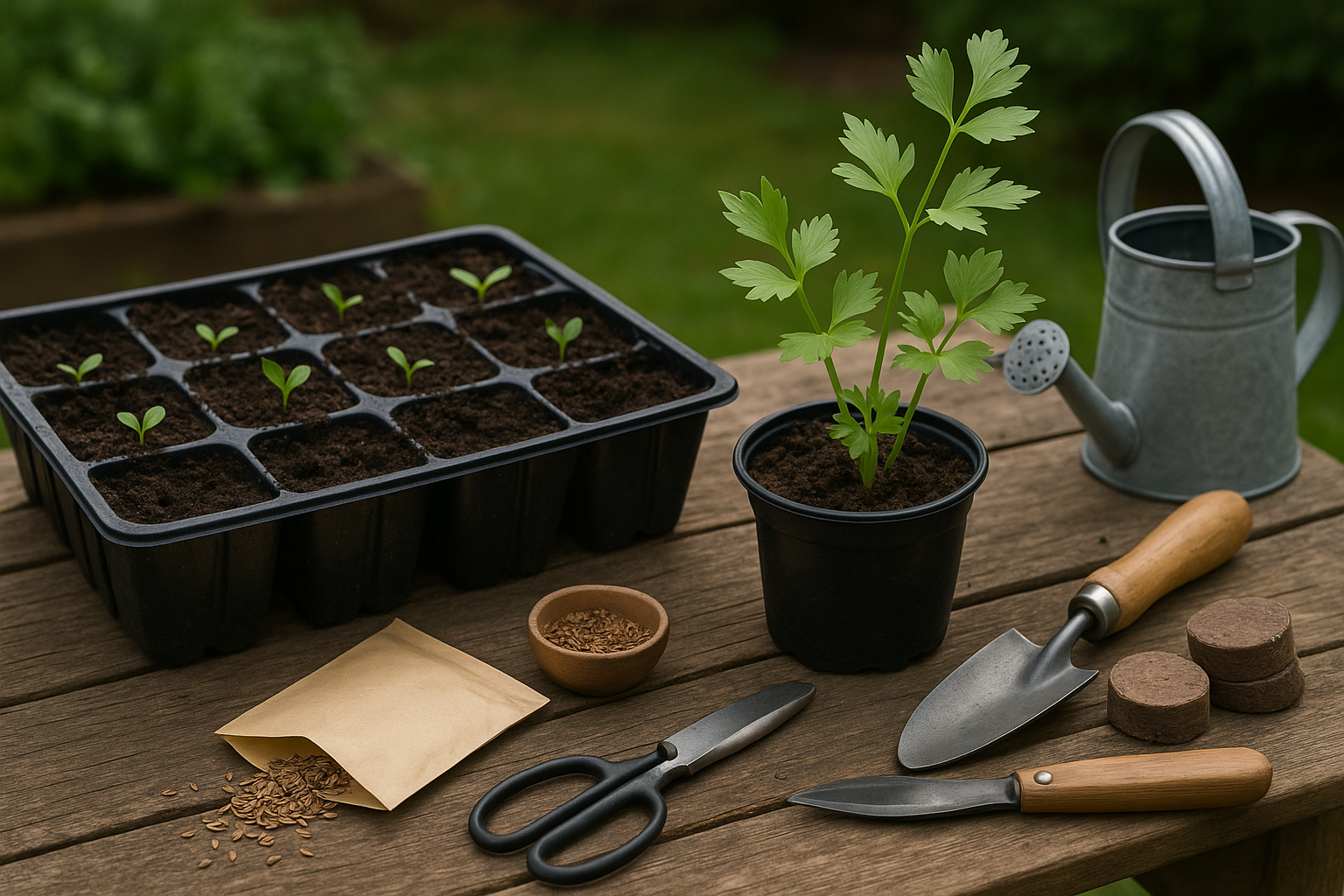
When deciding how to start your lovage patch, you can choose between growing from seeds, buying young seedlings, or purchasing mature nursery plants. Seeds are usually the most budget-friendly option, but lovage is known for slow and sometimes spotty germination, often taking up to three weeks to sprout—so patience is key.
If you opt for seeds, select fresh, high-quality seeds from a reputable supplier, as older seeds tend to have poor germination rates. Sow seeds indoors 6-8 weeks before the last frost in seed trays with a seed-starting mix, or direct sow once the risk of frost has passed. Lightly cover the seeds with soil and keep them moist but not soggy.
For gardeners seeking a head start or more instant gratification, established seedlings or nursery plants are convenient and reduce waiting time. However, they tend to be pricier and less common in some garden centers. When buying plants, look for robust, leafy specimens with no signs of yellowing or wilting.
Regardless of your method, site selection is crucial—lovage thrives in full sun to light shade and prefers rich, well-draining soil with plenty of organic matter. Choose a spot where your plants will have room to reach their mature height of up to six feet and won’t be crowded by aggressive neighbors.
Mulch well to retain moisture and suppress weeds, and plan for generous watering, especially during dry spells. With the right start and location, lovage can become a thriving perennial in your garden for years to come.
Planting and Establishing Lovage
To plant lovage from seeds, start indoors in early spring. Lightly sprinkle seeds on damp seed-starting mix, cover with about a quarter-inch of soil, and keep the trays consistently moist in a warm spot until seedlings appear, usually within two to three weeks. Once seedlings develop two sets of leaves, thin them out by keeping the strongest and transplanting them to individual pots.
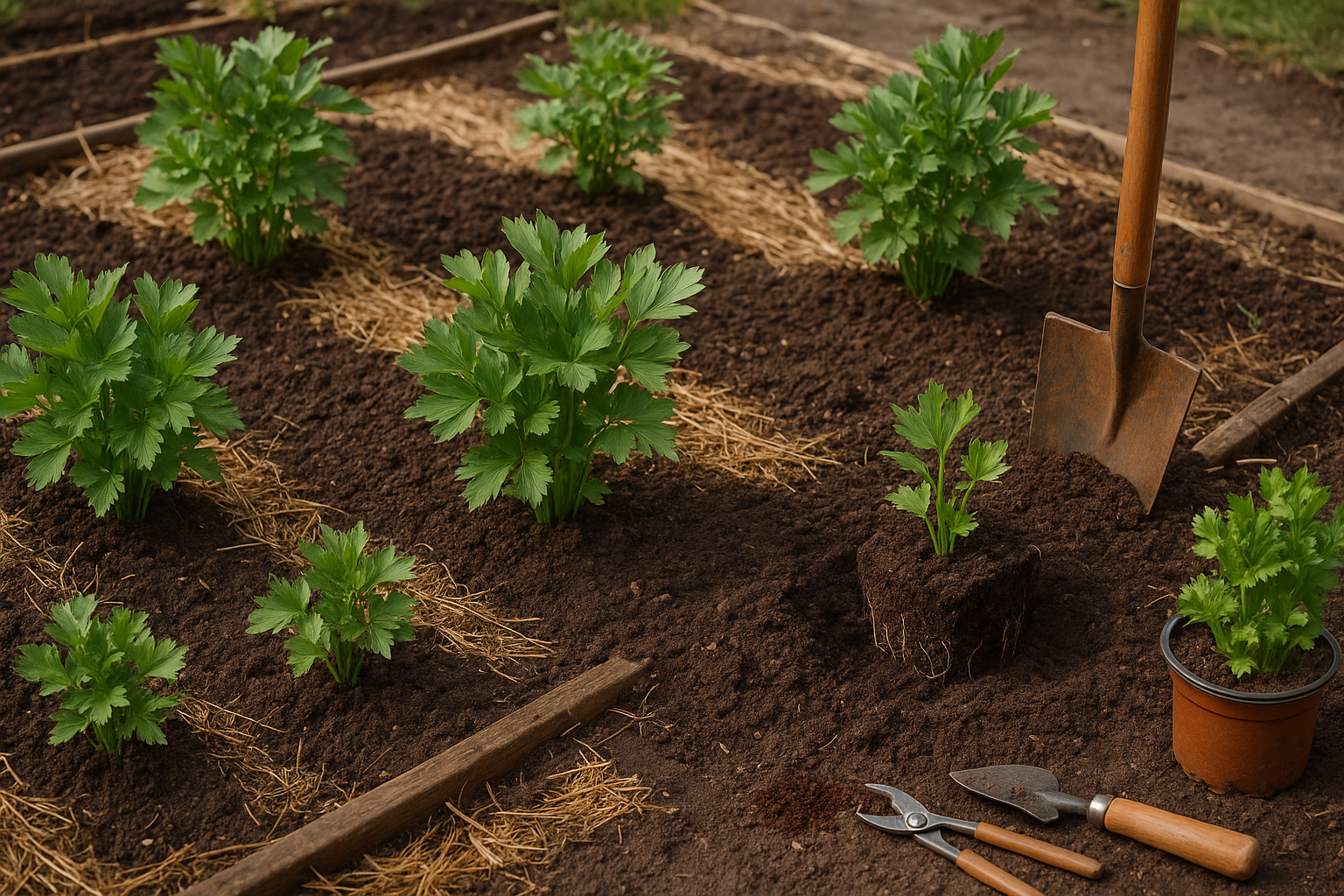
When the danger of frost has passed and your plants are about four to six inches tall, transplant them outdoors in a sunny or partially shaded spot. Space them at least 24 to 36 inches apart, as lovage can grow quite large.
If planting young nursery plants or divided clumps, dig a hole twice as wide as the root ball and at the same depth the plant was previously growing. Water well to settle the soil and help the roots establish.
For mature lovage that has become crowded, divide the clump in spring. Lift it with a spade, carefully separate the roots into a few large sections, and replant each section immediately. Water generously after transplanting to reduce shock.
Water newly planted lovage regularly but avoid waterlogging—aim for consistently moist soil, especially during dry spells. Mulching around the base will help retain moisture and suppress weeds.
In garden design, lovage works well at the back of herb beds or as a tall accent in a mixed border. It pairs nicely with shade-loving herbs like chervil or parsley and helps keep aphids away from neighboring plants such as tomatoes. Its large, leafy structure makes it a great companion in both formal herb spirals and informal cottage gardens.
With the right start, lovage will return for years, providing height, flavor, and natural pest control.
Caring for Perennial Lovage (Water, Feeding, & Maintenance)
Lovage is a resilient perennial, but giving it the right care ensures a lush, productive plant year after year. In its first year, keep lovage consistently moist without letting the soil become soggy—this helps young roots establish fully. As the plant matures, lovage can tolerate brief dry spells but still prefers regular watering during hot, dry weather; a deep soak once a week is ideal, especially if you harvest frequently.
Each spring, topdress the soil around your lovage with well-rotted compost or a balanced organic fertilizer, such as fish emulsion, to boost early growth. Mulching is especially helpful—apply a 2-3 inch layer of organic mulch (like straw, shredded leaves, or bark chips) to suppress weeds, conserve moisture, and add nutrients over time.
Regular weeding is important, especially when plants are young and competing for nutrients, but mulching should reduce this chore. Cut back flower stalks unless you want seeds; this redirects energy to leafy growth. Prune stems to about 6 inches tall in late fall once foliage dies back.
For overwintering, especially in harsher climates, add an extra layer of mulch such as straw or shredded leaves to protect roots from freeze-thaw cycles. In spring, pull back mulch as new shoots appear to prevent rot.
With these simple routines, your perennial lovage will thrive year after year, offering a bounty of fresh flavor for your kitchen.
Harvesting and Using Lovage
Harvest lovage leaves and stems in early to mid-morning, once the dew has dried but before the midday sun hits—this is when the oils (and flavors) are most concentrated. Snip the outer stems first, leaving the inner stalks and core to encourage fresh growth. This way, you can harvest regularly throughout the season without weakening the plant.
For seeds, wait until the flower heads turn brown and dry on the plant in late summer. Then gently clip and invert them into a paper bag to finish drying indoors.
To preserve lovage, chop fresh leaves and freeze them in ice cube trays with water or oil, or dry them in a single layer away from direct sunlight and store in an airtight jar.
Lovage adds a punchy, celery-like zing to homemade stocks, soups, and stews—just toss in a few leaves or stems. You can also blend dried lovage into herb salt or garnish potato salads, roasted vegetables, or even infused butter for bread.
The seeds themselves lend a mild, warming spice—try sprinkling them on rolls or adding them to pickling blends for a unique flavor twist.
Common Pests, Diseases, and Problem Prevention
Lovage is a robust herb, but like most garden plants, it can occasionally attract pests like aphids and leaf miners or fall victim to fungal diseases such as powdery mildew or leaf spot. Aphids often cluster on tender new growth, leaving behind a sticky residue, while leaf miners create thin, winding trails on the leaves. Powdery mildew appears as a white, powdery coating, especially in humid conditions, and leaf spot shows up as small, dark lesions that can spread if left unchecked.
To control these issues organically, start by encouraging ladybugs and lacewings to your garden—these beneficial insects naturally hunt aphids. For leaf miners, remove and dispose of affected leaves to stop the spread. Combat fungal problems by watering lovage at the base to keep foliage dry and spacing plants to promote good airflow. A simple homemade spray of baking soda and water can help slow down powdery mildew.
Prevention is always best:
- Rotate your lovage crop each year and avoid planting it where celery or parsley have recently grown to reduce disease risk.
- Mulch around the base to suppress weeds and maintain even soil moisture.
- Consider companion planting with strong-scented herbs like chives or nasturtiums, which can help deter aphids.
By combining these cultural techniques and organic controls, you’ll keep your lovage healthy and thriving with minimal intervention.
Conclusion and Frequently Asked Questions
Growing lovage as a perennial is simple and rewarding: choose a sunny or partially shaded spot with rich, well-draining soil, keep it consistently moist, and feed it with compost each spring. Many gardeners wonder how long lovage lives—well-cared-for plants can thrive for up to a decade!
When your plant becomes crowded after a few years, simply dig it up in early spring or fall, gently divide the root clumps, and replant for fresh, vigorous growth.
Curious about indoor growing? Lovage can be started indoors, but it prefers space to stretch out, so large containers and plenty of light are essential for success.
By following these tips, you’ll enjoy robust lovage plants year after year. Give it a try, and don’t forget to share your lovage-growing experiences with fellow gardeners—your success might inspire someone else to plant their own herb patch!