Introduction
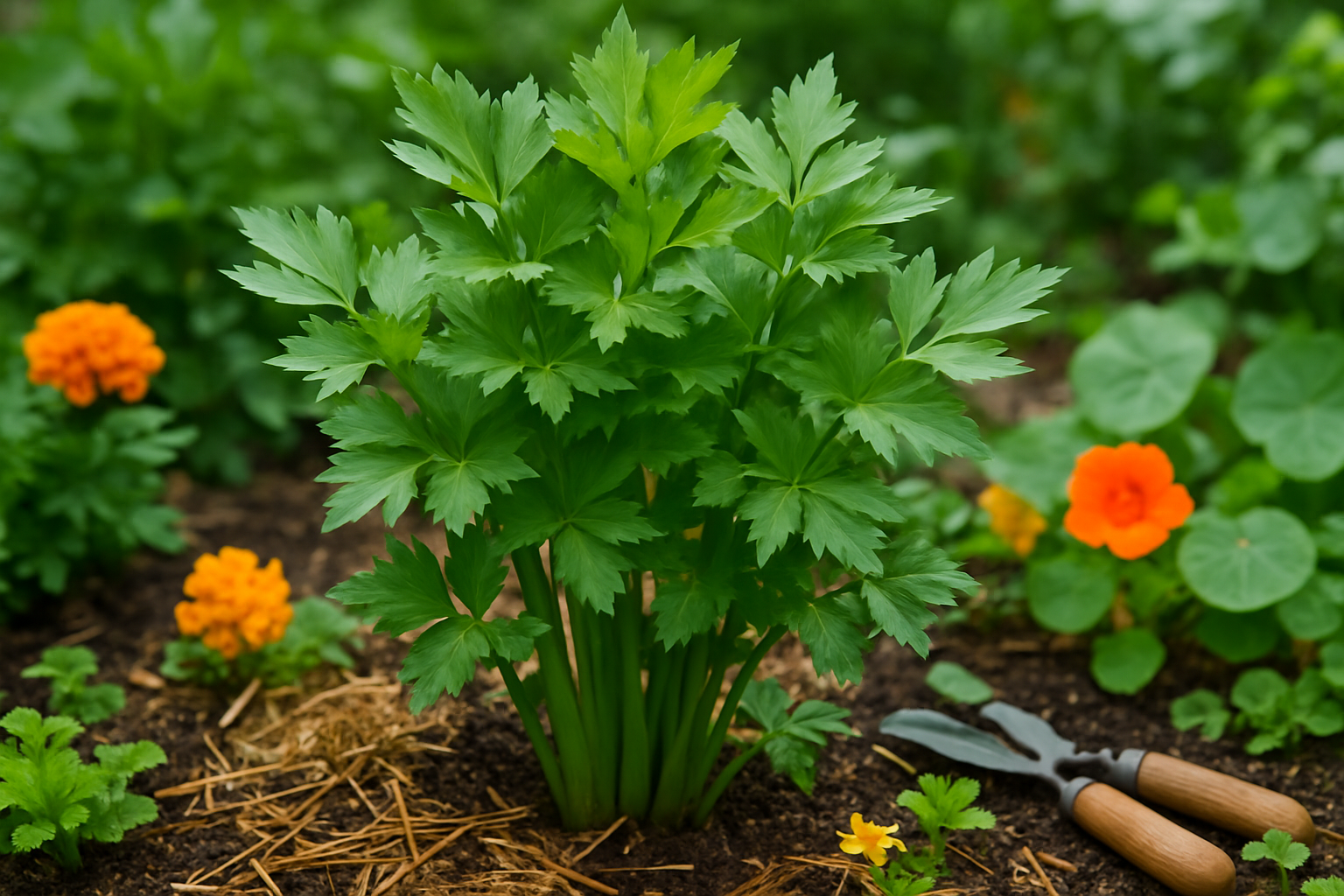
Lovage pests are a concern every gardener should keep in mind if they want to enjoy this aromatic and hardy herb in their garden. Lovage, with its lush celery-like flavor, is a favorite addition to soups, salads, and homemade broths, making it a staple for many herb enthusiasts. But like all cherished plants, lovage is vulnerable to a set of persistent pests that can stunt its growth or ruin its delicious leaves.
Healthy lovage plants reward you with robust yields and continuous harvests throughout the season, so taking steps to protect them isn’t just a good idea—it’s essential. Common culprits like aphids, leaf miners, and spider mites can quickly take hold if you’re not vigilant.
A few simple habits, such as inspecting foliage regularly, encouraging beneficial insects, and rotating garden beds each season, can make a big difference in keeping your lovage thriving. Some gardeners swear by gentle rinses with soapy water or introducing companion plants like marigolds to naturally deter unwanted visitors.
In this post, we’ll explore the most common lovage pests, how to spot them early, and practical strategies for keeping these intruders at bay, so you can continue enjoying fresh lovage from your own backyard.
Common Lovage Pests and How to Spot Them
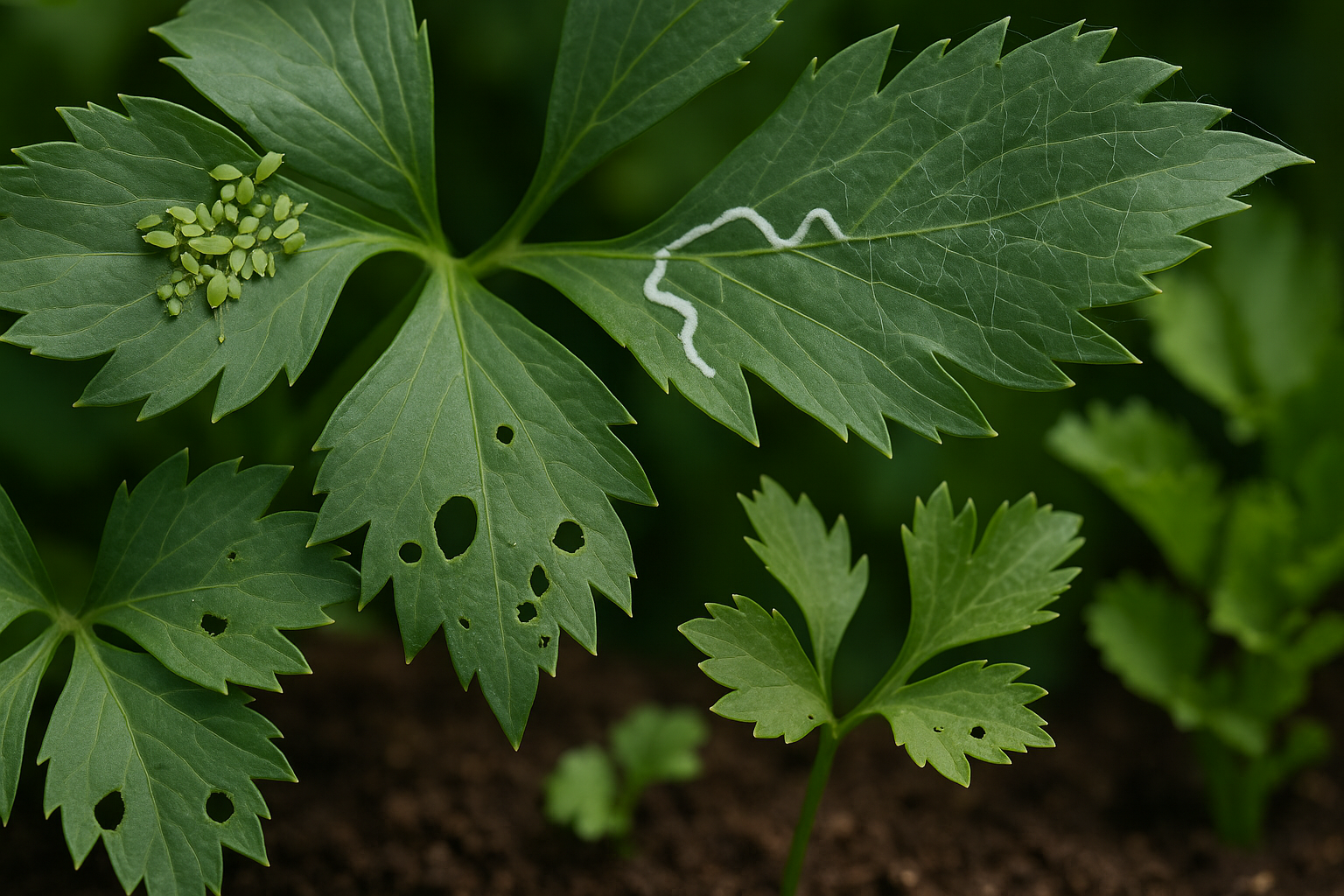
Lovage, while generally hardy, can still fall victim to several common garden pests that may hinder its growth. Aphids are perhaps the most frequent offenders. Look for clusters of these tiny green or black insects on tender stems and the undersides of leaves, often accompanied by a sticky residue known as honeydew, which can attract ants and lead to sooty mold.
Leaf miners are another threat—if you notice winding, white or translucent trails inside the leaves, you’re likely dealing with their hidden larvae burrowing between the leaf layers. Spider mites, which thrive in hot, dry conditions, may leave behind fine webbing on the plants and speckled or yellowed leaves as they suck sap from the foliage.
Slugs prefer cool, moist environments; spot their slimy trails and irregular holes in leaves, especially after rain or overnight. Caterpillars also munch on lovage, leaving behind large, ragged holes or partially eaten leaves—and sometimes their small, dark droppings. Watch for tiny eggs on the undersides of leaves, which can signal a soon-to-be infestation.
Pest problems often worsen in late spring and summer when warmth and humidity increase insect activity, or after heavy rainfall encourages slugs. Drought-stressed lovage is more susceptible to spider mites, while lush, rapidly growing plants can attract aphids.
Regularly inspect your lovage, especially during these riskier periods, and check under leaves and near the base of plants for early warnings. Spotting these signs early makes it easier to remove pests by hand, spray them off with water, or introduce beneficial insects like ladybugs to keep populations in check. Prompt action keeps lovage healthy and thriving in your herb garden.
Natural and Organic Pest Control Strategies
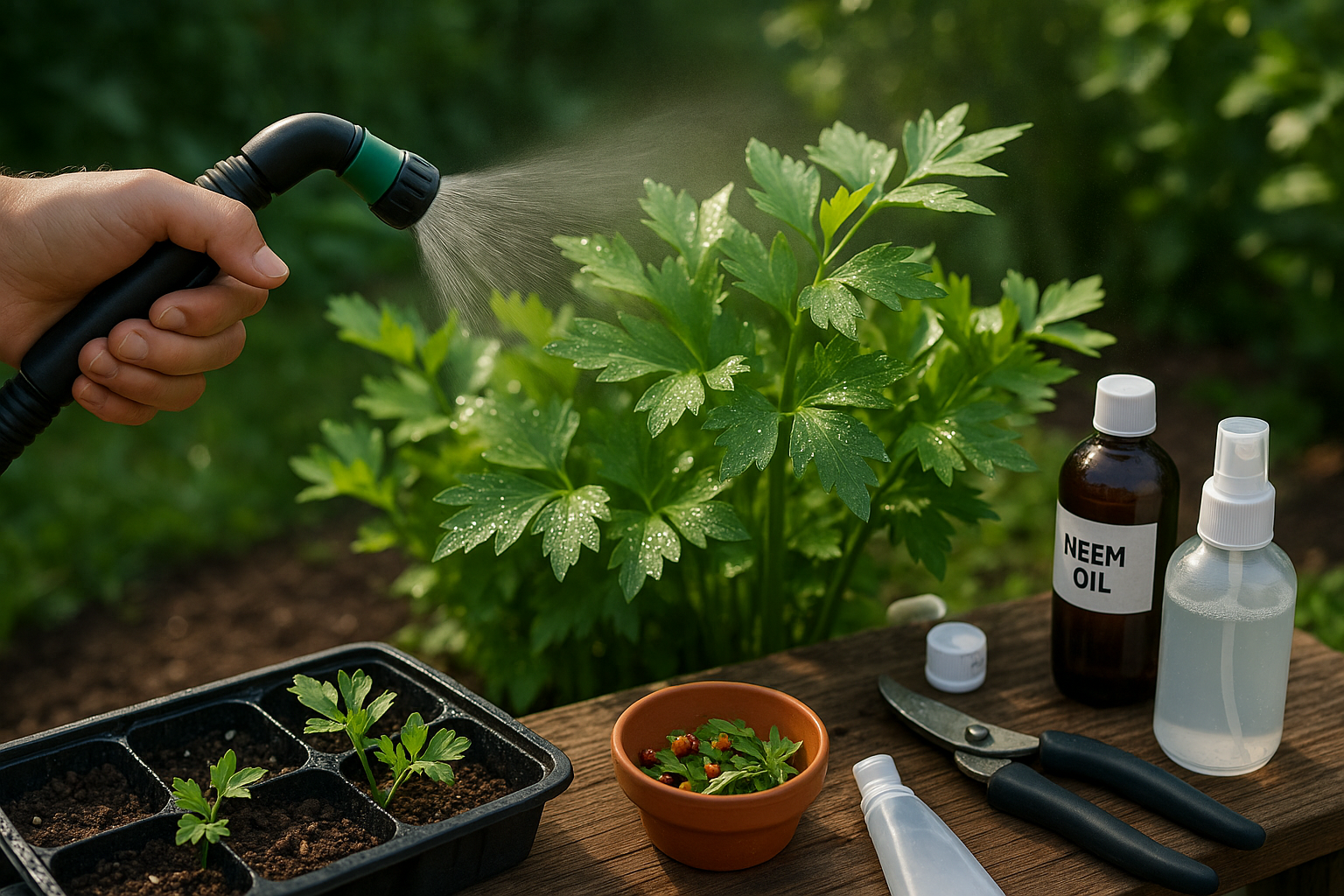
Managing pests on lovage can be both effective and eco-friendly with the right combination of natural and organic strategies. Start with the simplest methods, like hand-picking visible pests such as caterpillars, beetles, and aphids off your plants. Early morning is best since insects are sluggish and easier to remove.
For clusters of aphids or mites, a strong spray of water from a hose can dislodge and discourage pests without harming the plant. Homemade remedies, such as a mild soap and water spray (about one teaspoon of mild liquid soap per liter of water), can also suppress soft-bodied pests like aphids and spider mites; just remember to rinse your herbs thoroughly before use.
Introducing beneficial insects, like ladybugs and lacewings, is a smart way to combat aphids and small caterpillars, as these predators feed on common garden pests without harming your lovage.
If pest populations surge, organic commercial products provide extra help. Neem oil, derived from the neem tree, is a reliable, broad-spectrum option that disrupts pest life cycles while remaining safe for herbs when applied according to label directions—avoid spraying in direct sun or on very young seedlings.
Insecticidal soaps, made from natural fatty acids, are another gentle choice that target aphids, whiteflies, and spider mites; they break down quickly and don’t leave harmful residues, but always test on a small section of the plant first in case of sensitivity.
For leaf miners, remove infested leaves promptly and dispose of them far from your garden. Slugs and snails—drawn to moist soil around lovage—can be controlled with hand-picking at dusk or organic iron phosphate baits.
By mixing these methods based on which pest you’re facing, you can protect your lovage naturally, keep your harvest safe for the kitchen, and support a thriving garden ecosystem.
Prevention Techniques
Keeping lovage healthy and pest-free starts with building a strong foundation in your garden. Healthy soil, rich in organic matter, helps plants grow more resilient, making them less attractive to pests and diseases. Mixing compost into your lovage bed not only nourishes the roots but also creates an environment where beneficial soil organisms thrive and outcompete harmful pathogens.
Proper watering is crucial too—watering at the base in the morning keeps the leaves dry and plant stress low, discouraging fungal problems and making it harder for pests to establish. Good airflow is key; space lovage plants so their leaves don’t crowd each other, keeping the area breezy and less inviting for insects and molds.
To further discourage pests, mulch around the base of your lovage with organic materials like straw or shredded leaves. This suppresses weeds and maintains consistent moisture without splashing soil onto foliage, another trick to reduce disease risk. Make it a habit to inspect your plants regularly for early signs of trouble, and promptly remove any yellowing leaves or plant debris, since many pests and diseases overwinter in this material.
Rotating where you plant lovage each year helps break the cycle of soilborne problems. For added insurance, try companion planting: marigolds and nasturtiums are great at deterring aphids while attracting ladybugs that will snack on any that appear. Dill and fennel also draw beneficial insects, creating a natural pest-control system around your lovage patch.
These simple strategies, practiced consistently, will help keep your lovage thriving and largely free from pest issues.
When Chemical Controls Are Necessary
Chemical controls should only be considered when other methods have failed, and you’re facing a severe or fast-spreading pest or disease problem in your herb garden. For example, if you notice an infestation of aphids that has resisted natural predators or repeated manual removal, or if fungal diseases are quickly devastating multiple plants despite cultural changes, using a pesticide might become necessary.
However, it’s vital to choose products labeled as safe for edible plants and specifically for your type of herbs. Select pesticides that target the specific pest or disease affecting your herbs—broad-spectrum chemicals can harm beneficial insects and might linger on leaves, making herbs unsafe to eat. Always read and follow the label instructions regarding application rates, timing, and safe intervals before harvesting.
Consider spot-treating only affected areas rather than broadly spraying your entire garden. Remember, chemical controls carry risks such as contaminating your crops or impacting pollinators and soil health, so they truly should be a last resort after cultural, mechanical, and biological options.
Regularly monitor your herbs for early signs of trouble so you can address problems before they escalate to this stage.
Troubleshooting and Recovery
If your lovage plants have suffered pest damage, start recovery by pruning away all affected stems and leaves. Use sanitized garden shears to prevent the spread of disease. Removing damaged parts encourages fresh, healthy growth and reduces hiding places for lingering pests.
Next, apply a balanced, organic fertilizer to boost the plant’s resilience. Blend compost or a slow-release formula into the soil around the roots. Ensure your lovage is watered consistently but not overwatered, as stressed plants are more vulnerable to future infestations.
Keep a close eye on your garden for any signs of pests returning, such as chewed leaves or sticky residue. Early detection makes intervention much easier and less drastic. Sticky traps and handpicking can help manage minor outbreaks.
If a plant is severely infested, heavily wilted, or shows no signs of recovery after several weeks of care, it’s best to remove and dispose of it entirely. This tough decision helps protect nearby lovage and other herbs from further harm. When replanting, choose a different spot and use fresh soil to avoid lingering pests or diseases.
Ongoing vigilance—regularly checking plants, rotating crops, and encouraging beneficial insects—is your best defense for keeping your lovage healthy long term.
Conclusion and FAQs about Lovage Pest Control
Keeping lovage healthy starts with regular checks for common pests like aphids and leaf miners—catching issues early makes a big difference. Remove damaged leaves and use insecticidal soap when infestations appear. Rotate crops if possible, and ensure the soil drains well to reduce risk.
Wondering if lovage attracts many pests? Not usually, but occasional outbreaks can happen. Can you grow lovage organically? Absolutely—companion planting with strong herbs helps deter pests naturally.
Have your own pest-fighting tricks or questions? Share your experiences in the comments—your tip might help another gardener!