Introduction
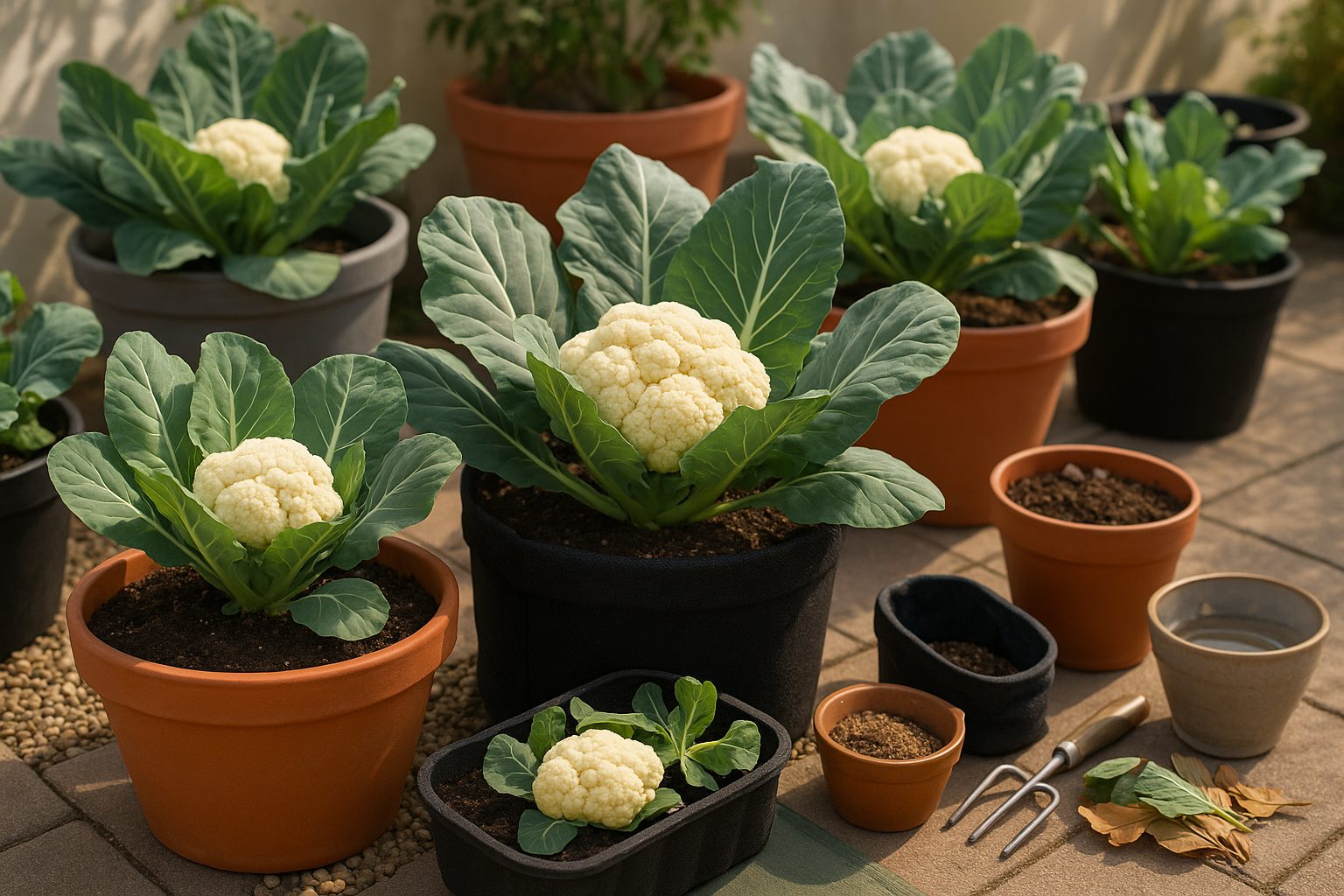
Thinking about growing your own vegetables at home? For many home gardeners, cultivating cauliflower in containers offers flexibility, space-saving convenience, and the joy of fresh produce just steps from your kitchen. However, one of the most important decisions you’ll make is choosing the right cauliflower pot size. The size of your container isn’t just about fitting on your balcony or windowsill—it directly affects the health of your plants, their root development, and ultimately, the size and quality of your harvest.
Too small a container can lead to stunted growth and poor head formation, while an oversized pot can cause issues with watering and nutrient absorption. In this article, we’ll share straightforward guidelines and practical tips to help you select the best container size for cauliflower, ensuring your plants have everything they need to thrive. By the end, you’ll know exactly what to look for in a pot and how the right choice sets your cauliflower up for a bountiful crop.
Why Container Size Matters for Cauliflower
Choosing the right cauliflower pot size is crucial for healthy, productive plants because cauliflower develops a surprisingly robust root system and grows into a sizable, leafy plant. The roots need enough space to spread out and access nutrients, so a cramped container can quickly lead to stunted growth, weak plants, and smaller heads.
When the pot is too small, the roots become root-bound, competing for limited soil and water. This often results in fewer leaves, smaller curds, and an overall struggling plant. Small pots also dry out faster, meaning you’ll need to water more frequently. It’s easy to miss the perfect watering balance—too little or too much water can stress the plant and reduce yields.
On the other hand, while it may seem that bigger is always better, oversized containers come with their own challenges. Large pots can hold excess moisture, which increases the risk of root rot during cooler seasons. They’re also heavier, making it difficult to move plants to catch sunlight or shield them from harsh weather. Additionally, watering large pots can be tricky since the soil may stay wet deeper down even when the surface appears dry.
Ultimately, matching the cauliflower pot size to the plant’s needs—generally at least 12-18 inches deep and wide—makes caring for your cauliflower easier. It helps you maintain optimal watering, allows the root system to flourish, and ensures your cauliflower gets a strong, healthy start for a bountiful harvest.
Recommended Container Dimensions for Cauliflower Pot Size
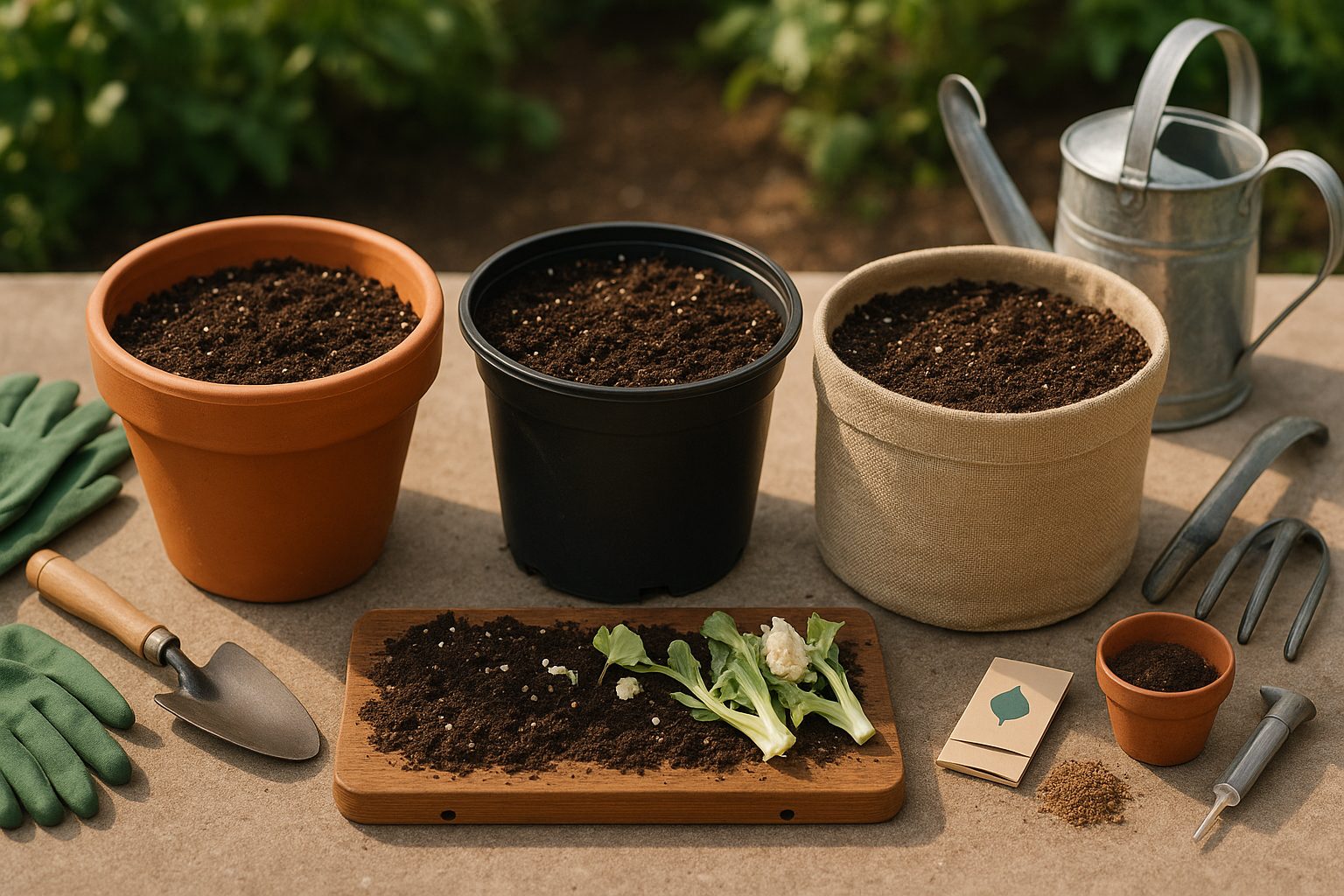
When selecting the ideal container for growing cauliflower, focus on depth and volume, as these plants develop large, deep root systems. For a single cauliflower plant, choose a pot that’s at least 12–14 inches deep with a diameter of 12–18 inches, providing a minimum soil capacity of 5 gallons. This ensures the roots have ample space to spread out and absorb nutrients.
If you’re growing multiple cauliflowers, opt for a rectangular planter or a raised bed with at least 12 inches of depth and a width of 18–24 inches per plant. For example, a 24- to 36-inch-long rectangular planter or a small 2’ x 4’ raised bed can comfortably fit 2–4 plants, spaced about 18 inches apart.
When it comes to materials, plastic pots are affordable, lightweight, and retain moisture well, reducing watering frequency—perfect for busy growers or hot climates. Ceramic containers are attractive and stable but can be heavy and sometimes lack sufficient drainage; be sure they have several drainage holes at the bottom. Fabric grow bags (like 7- to 10-gallon Smart Pots) offer excellent airflow and drainage, helping prevent root diseases and overheating, making them an increasingly popular choice for container cauliflower.
Shape also matters: round pots work well for a single plant, while rectangular planters and raised beds are much more space-efficient for growing a small crop. Some good options include the “Bloem Dura Cotta 14-inch planter” for single plants or “VIVOSUN 10-gallon fabric grow bags” for a lightweight, versatile solution. For group plantings, try a “Keter Urban Bloomer 12-gallon raised garden bed” or a similar size for robust harvests.
No matter which container style you choose, always ensure it has adequate drainage holes, as cauliflower roots are prone to rot in soggy soil.
Soil Volume and Drainage Considerations
When deciding on the ideal cauliflower pot size, understanding soil volume and drainage is key to a healthy harvest. For robust root growth and optimal nutrient uptake, aim for a container that holds at least 5 gallons of soil (roughly 19 liters) per plant—bigger is better if you have the space. This volume ensures cauliflower has enough room for its deep, spreading roots and provides a generous reservoir of nutrients and moisture, preventing roots from becoming cramped or deprived, which can stunt growth.
But soil volume is just half the story; drainage can make or break your crop. No matter how much soil you offer, poor drainage risks waterlogged conditions and dreaded root rot. Always use pots with several drainage holes at the base; for larger containers, add extra holes along the lower sides to boost airflow and allow excess water to escape. Start with a 1–2 inch layer of coarse stones, broken pottery, or gravel at the bottom to help water move freely and keep the soil from blocking the holes.
Choose a soil mix designed for vegetables, ideally a blend of potting soil, compost, and perlite or coarse sand—this keeps the growing medium fluffy, prevents compaction, and lets roots breathe. For plastic pots, extra holes can easily be drilled if needed. If using ceramic or metal pots, ensure holes are large and unobstructed—avoid setting the pot directly on the ground and elevate it with pot feet or bricks to enhance drainage flow.
Regularly check for clogged holes and replace or supplement soil with fresh organic matter each planting season to maintain both drainage and soil fertility.
Planting Tips for Cauliflower in Containers
When growing cauliflower in containers, choosing the right cauliflower pot size and using proper planting techniques can make all the difference. For a single cauliflower plant, select a pot that’s at least 12 to 18 inches wide and deep to give the roots and developing head plenty of room. If you’re growing multiple plants in a larger container or raised bed, space them 18 to 24 inches apart to prevent crowding, which can stunt growth and increase the risk of disease.
If starting seeds directly in the container, plant two or three seeds per spot, thinning to the strongest seedling once they reach a couple of inches tall. Many gardeners prefer to start seeds indoors in trays and transplant sturdy seedlings with two to four true leaves into containers, since cauliflower doesn’t tolerate root disturbance well. Transplant gently to minimize root shock.
Cauliflower needs consistent moisture but hates soggy soil, so ensure your pots have drainage holes. Check soil moisture daily and water when the top inch feels dry, keeping the soil evenly moist but not waterlogged. Fertilize every three to four weeks with a balanced liquid fertilizer or incorporate a slow-release organic fertilizer at planting, as cauliflower is a heavy feeder during head development.
As the plant grows, you might need to gently tie the outer leaves over the forming head—a process called “blanching.” This is especially important for white varieties to protect the head from sun exposure and help it develop a crisp, tender texture. By following these tips, your container-grown cauliflower will have the space, nutrients, and care it needs to produce nice, tight heads, even on a small patio or balcony.
Common Mistakes to Avoid with Container Size
Choosing the wrong cauliflower pot size can seriously hurt your harvest. One common mistake is overcrowding—planting multiple seedlings in a single pot might seem space-efficient, but it causes competition for light and nutrients, leading to weak, stunted plants. Another frequent error is selecting containers that are too shallow. Since cauliflower develops an extensive root system, it needs at least 12-18 inches of depth to thrive.
Many new gardeners underestimate how large mature cauliflower plants can grow. A standard 5-gallon pot is usually the minimum size needed for one healthy plant, so avoid anything smaller. Less obvious issues include using flimsy or lightweight pots, which can easily tip over when the leaves grow large or strong winds occur. Placement matters too: pots left on hard surfaces that heat up under the sun can stress roots, and placing containers too close together reduces airflow, increasing the risk of disease.
If you notice your cauliflower looking wilted, undersized, or pale, check if the roots are pot-bound or if the soil dries out too quickly—both are signs your plant needs a larger home. Always choose a cauliflower pot size that matches the plant’s mature needs, and don’t hesitate to repot if growth stalls partway through the season.
Conclusion: Choosing the Right Container for Bountiful Cauliflower
Selecting the correct cauliflower pot size is essential for healthy growth and a rewarding harvest. Cauliflower has a deep root system and needs ample space not only for roots but also for developing a full, compact head. Choosing a container with a minimum depth of 12–16 inches and a capacity of at least 5 gallons ensures your plant can access the nutrients and moisture it needs, reducing the risk of stunted growth or poor yields.
While these guidelines provide a solid starting point, don’t hesitate to experiment with slightly larger containers or creative raised beds to see what your space and climate allow. Every setup is a bit different, and sometimes small adjustments can produce big results.
If you’ve tried different container sizes or have questions about growing cauliflower in pots, please share your thoughts and experiences in the comments! Your input could help fellow gardeners grow their best crops, too.