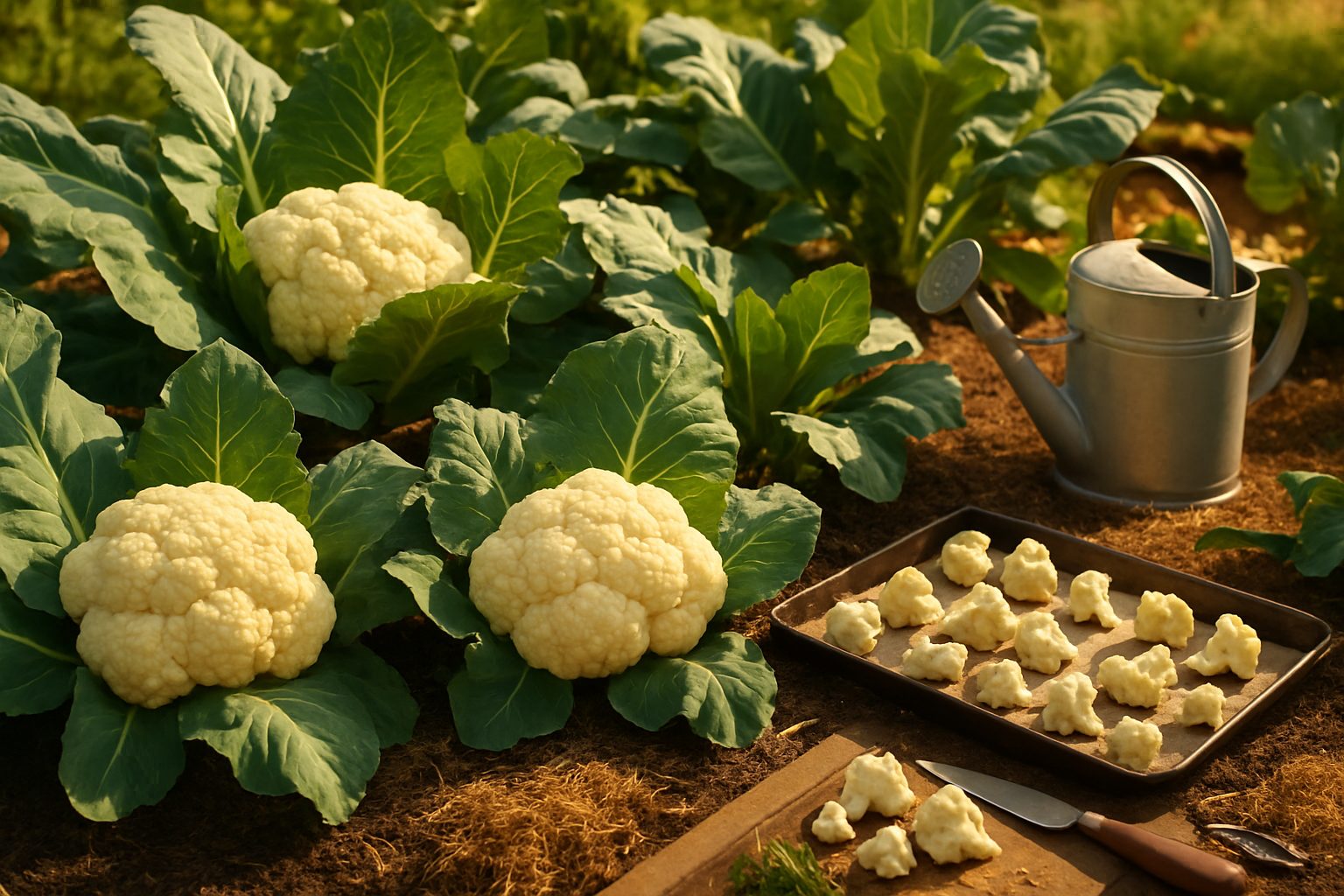
Understanding Heat-Tolerant Cauliflower
Growing cauliflower in hot weather can feel like a daunting task, especially since cauliflower is traditionally known as a cool-season vegetable. Many gardeners have experienced frustration when tender heads bolt, turn bitter, or fail to form under the intense heat of summer. That’s where heat-tolerant cauliflower varieties come in—a game-changer for anyone gardening in warmer climates.
Heat-tolerant cauliflower refers to specific cultivars bred or selected for their ability to withstand short bursts of high temperatures without compromising the quality of their curds. This is particularly important for gardeners in regions where spring quickly turns hot or fall cooling is delayed, making the usual growing window for cauliflower very narrow. Without these specialized varieties, even the most diligent care can’t always overcome climate challenges.
What Sets Heat-Tolerant Cauliflowers Apart?
First, many heat-tolerant types have a shorter time to maturity, helping them avoid prolonged exposure to temperature spikes. Look for varieties like ‘Amazing’, ‘Snow Crown’, or ‘Cheddar’, which are known for handling heat better than classic options. Another trait is a robust leaf canopy; larger leaves shade the developing head and keep it from overheating, supporting head formation even in intense sun. These types often have stronger root systems, too—accessing deeper moisture and withstanding heat stress.
Tips for Growing Heat-Tolerant Cauliflower Successfully
- Plant early enough so the cauliflower matures before the hottest weeks.
- Try late summer planting for a fall harvest.
- Provide afternoon shade to protect plants from the most intense sun.
- Use mulch to help retain soil moisture and cool the root zone.
With the right variety and a few strategic tweaks, growing cauliflower in hot weather can become a rewarding reality instead of a constant struggle against nature.
Choosing the Right Heat-Tolerant Cauliflower Varieties
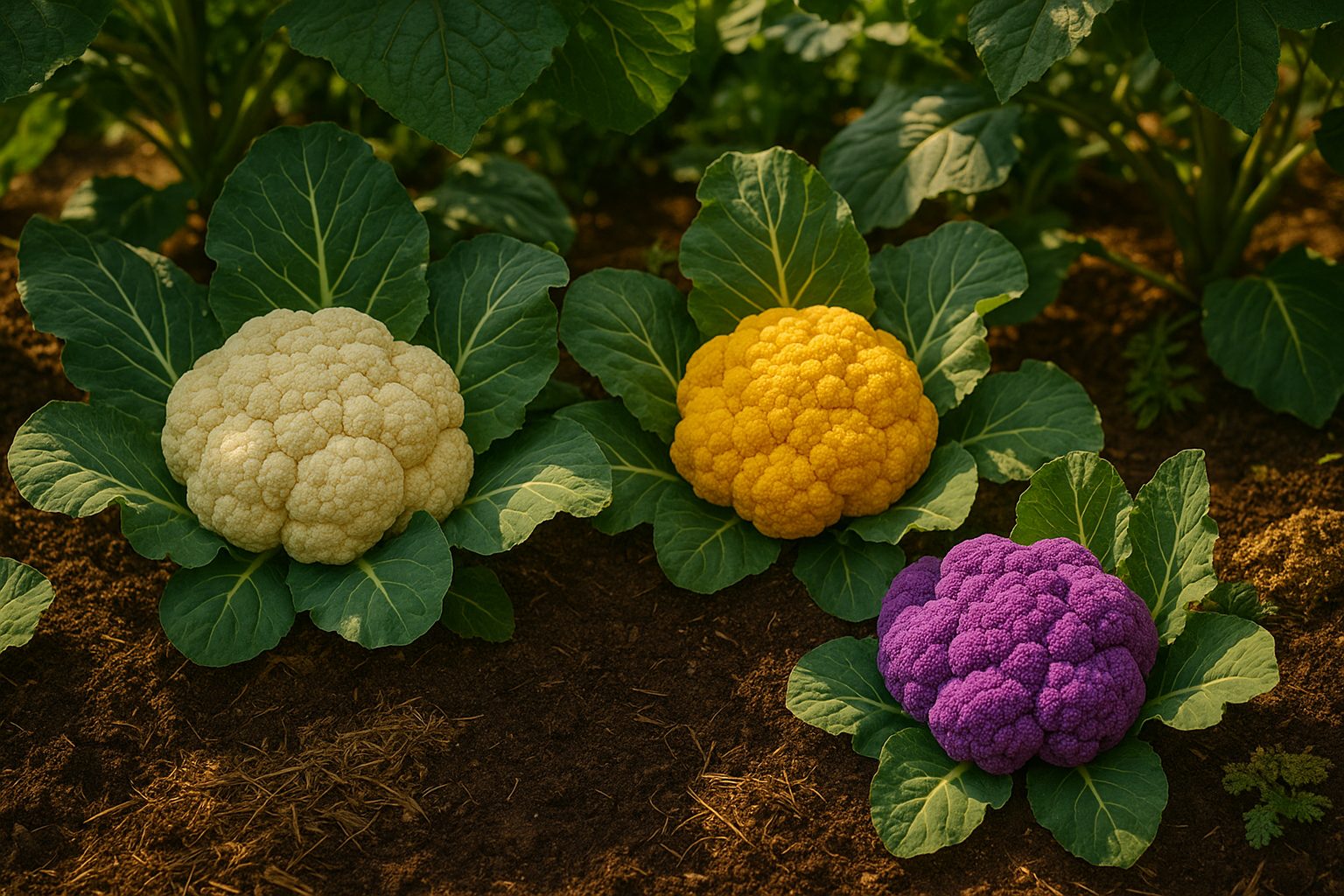
When it comes to growing cauliflower in hotter climates, selecting the right variety is key to a successful harvest. Popular heat-tolerant options like Snow Crown and Cheddar are common choices for home gardeners. Snow Crown matures quickly and reliably forms dense heads even in warmer temperatures, while Cheddar boasts an attractive orange color and is rich in beta-carotene.
If you’re interested in trying something unique, specialty varieties such as Fioretto—also called stick cauliflower—produce tender, elongated stems perfect for stir-fries. Meanwhile, Amaze offers deep purple curds that hold up well under heat. For compact urban spaces or container gardens, Mini White forms smaller heads but tolerates both heat and limited space.
When choosing which to plant, assess your local summer highs and days-to-maturity. Quick-maturing options like Snow Crown are ideal for regions with short, hot springs, while varieties with improved bolt-resistance such as Amaze are better for locations with sustained heat.
Also, think about your goals:
- If you want nutritional value, Cheddar and purple types are high in antioxidants.
- For ornamental appeal, specialty colors add a pop to garden beds.
No matter your choice, read seed packets for detailed climate recommendations, and consider staggering different types to discover which performs best in your garden’s microclimate.
Preparing Your Soil for Success
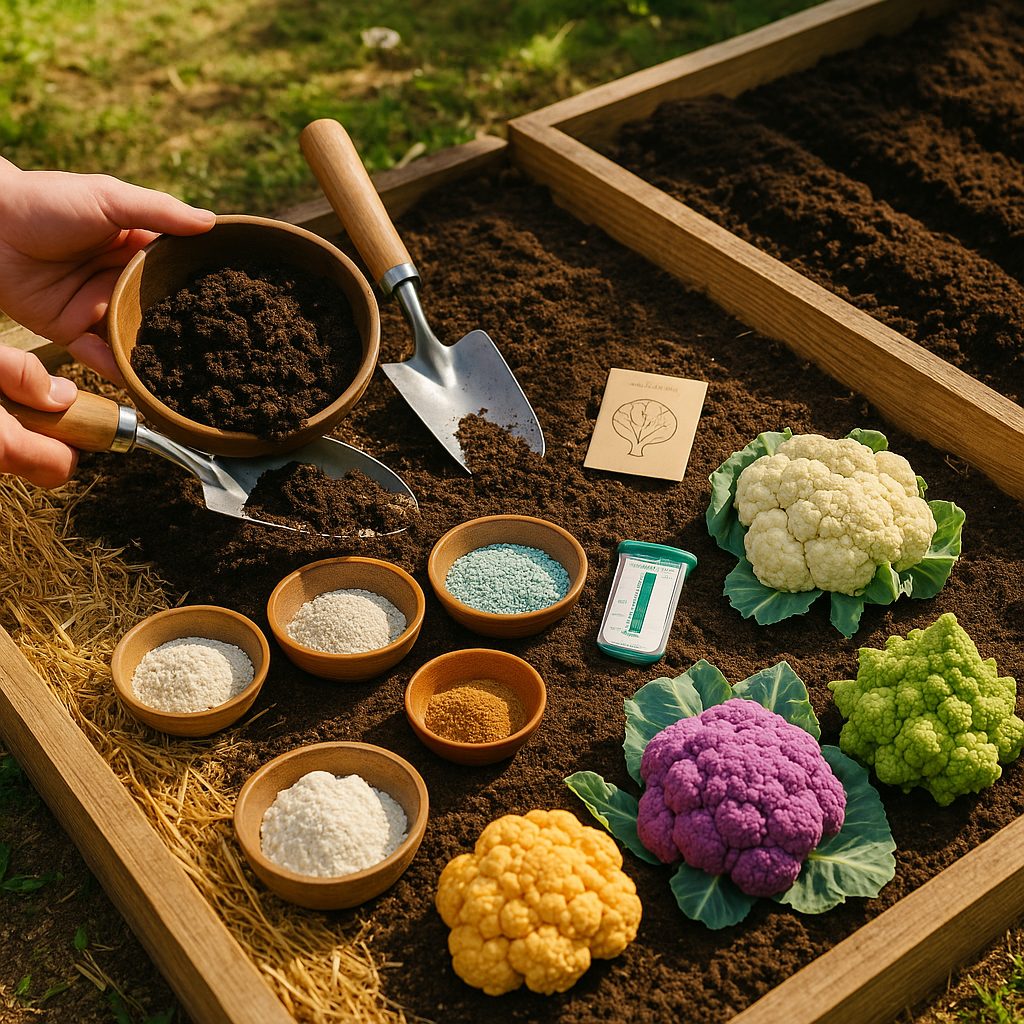
To grow healthy, productive cauliflower, start by ensuring your soil has the right pH and fertility levels. Cauliflower thrives in slightly acidic to neutral soil, ideally between 6.5 and 7.0 pH. If your soil is too acidic or alkaline, use a reliable soil test kit to check levels and adjust accordingly—agricultural lime raises pH, while elemental sulfur lowers it.
Beyond pH, cauliflower needs fertile soil rich in organic matter and nutrients. Before planting, incorporate 2–3 inches of compost or well-rotted manure into the top 6–8 inches of soil. Mix in a balanced fertilizer, like 10-10-10, to provide essential nitrogen, phosphorus, and potassium.
Drainage is critical too, as soggy soil can cause root rot. If your garden tends to hold water, build raised beds or rows to allow excess moisture to escape.
To retain soil moisture—especially important in hot climates—apply a 2–3 inch layer of mulch such as straw or shredded leaves around your plants. Mulch not only keeps the soil cool and moist but also suppresses weeds.
In very warm areas, consider planting cauliflower where it will get morning sun and afternoon shade to reduce stress. Enrich sandy soils with extra compost or coconut coir to improve water retention. Regularly check the soil for dryness, aiming for moist but not waterlogged conditions.
By investing a little time up front to fine-tune your soil’s pH, fertility, and structure, you’ll help your cauliflower plants grow strong and produce beautiful heads, even when summer temperatures climb.
Planting and Sowing in Warm Conditions
When growing heat-tolerant cauliflower in warm conditions, timing is everything. For regions with mild winters and hot summers, the best window for direct sowing is late summer to early fall, when daytime temperatures begin to drop below 85°F (29°C) and nights are cooler. This allows seedlings to establish before the harshest heat.
If you prefer starting seeds indoors, begin about 4–6 weeks before you plan to transplant, using seed trays placed in a cool, well-lit area. Transplant seedlings outdoors once they’re big enough to handle and nighttime temperatures stay above 60°F (16°C), but still ahead of any lingering heatwaves.
When sowing directly, plant seeds about half an inch deep and two inches apart. Once seedlings emerge, thin them to their final spacing: at least 18–24 inches apart in rows spaced 24–30 inches apart to give the large heads room to develop.
Starting seeds indoors lets you control germination temperature—ideal for cauliflower is 65–75°F (18–24°C)—and helps protect fragile seedlings from sudden hot snaps or pests.
Whichever method you choose, take these steps to protect your plants:
- Shield young plants from scorching midday sun using lightweight shade cloth or row covers.
- Mulch the soil heavily to preserve moisture and keep roots cool.
- Water consistently to prevent stress, which can impact head development.
- Regularly check for pests like aphids or flea beetles, which are more active in warm weather.
Taking these measures helps cauliflower thrive despite the heat, ensuring a healthy crop even in less-than-ideal conditions.
Keeping Cauliflower Plants Healthy in the Heat
During hot summer spells, cauliflower plants need some extra attention to thrive. Start by watering deeply and consistently—cauliflower prefers moist, not soggy, soil. Aim to water early in the morning or late evening to reduce evaporation and help plants recover overnight.
Applying mulch around the base of your plants is a game-changer; use straw, shredded leaves, or grass clippings to conserve moisture and stabilize soil temperature. If a heat wave hits, create shade using lightweight fabric, garden cloth, or even old bedsheets draped over stakes. This front-yard fix can keep delicate leaves from sunburn and reduce overall heat stress.
When it comes to fertilization, cauliflower is a heavy feeder throughout its growth. Use a balanced fertilizer or compost-rich soil, but avoid overdoing it with nitrogen once the heads start to form—too much can lead to leaf growth at the expense of the harvest. Supplement with a calcium-rich fertilizer if the leaves look distorted or you notice brown spots on developing heads, signs of a deficiency exacerbated by high heat.
Watch for common heat stress symptoms like leaf curling, wilting during the hottest part of the day, or dry, brittle leaves. If your plants show these signs, increase your watering frequency and provide extra shade until temperatures moderate.
With attentive care—watering, mulching, shielding from intense sun, and wise nutrient management—your cauliflower crop can weather the summer heat and produce crisp, healthy heads.
Managing Pests, Diseases, and Other Challenges
Growing cauliflower in warm climates presents unique challenges, with pests, diseases, and heat-induced disorders all threatening your crop. Common insect invaders like aphids, cabbage loopers, and flea beetles thrive in the heat, feeding on leaves and spreading viral diseases. Fungal threats such as downy mildew and black rot also become more aggressive with high humidity and temperature.
You may notice tiny, misshapen heads—a sign of “buttoning,” where heat stresses the crop and interrupts head development. Conversely, if cauliflower plants suddenly elongate and flower prematurely, this “bolting” is a classic heat response.
Integrated pest and disease management (IPM) is your best line of defense.
- Start with heat-tolerant, disease-resistant varieties suited for your region.
- Rotate crops yearly to break pest and disease cycles.
- Encourage natural predators with flowering herbs or neem oil sprays.
For severe pest problems, targeted insecticidal soaps can help, but always follow label instructions.
Heat-related disorders require preventive care:
- Provide shade cloth during the hottest part of the day.
- Keep soil evenly moist.
- Mulch to regulate temperature swings.
Watch plants closely—tiny heads or rapid stem growth usually mean it’s time to adjust watering or shading.
Regularly inspect the undersides of leaves for pests or signs of disease, and remove affected plants to stop the spread.
By staying vigilant and combining cultural, biological, and mechanical controls, you can keep your cauliflower crop healthy and productive, even in challenging warm weather.
Harvesting and Enjoying Your Crop
Knowing when your cauliflower is ready to harvest is key to getting the best flavor and texture. Look for firm, compact heads that are six to eight inches across and still tight. If the curds start to separate or the head becomes yellowish, you’ve waited too long.
Use a sharp knife to cut the main stem a couple of inches below the head, leaving a few leaves around the curd to protect it. In hot weather, cauliflower matures quickly and can go from perfect to overripe in just days, so check daily and harvest promptly.
Right after cutting, cool the heads quickly by rinsing them in cold water to stop any further softening or yellowing. Then store them in the fridge, wrapped loosely in paper towels to wick away extra moisture. If your kitchen is warm, try storing cauliflower in a cooler with ice packs to keep it crisp.
Ways to Enjoy Your Cauliflower
For summer meals, enjoy this heat-tolerant vegetable raw in salads, blended into a creamy dip, or flash-roasted on the grill with olive oil and your favorite seasonings. If you have an abundance, blanch florets for a few minutes and freeze them for future stir-fries, or try quick pickling with vinegar, garlic, and spices for a tangy snack.
By harvesting at the right moment and handling your cauliflower with care, you’ll preserve its sweet, nutty flavor all season long.