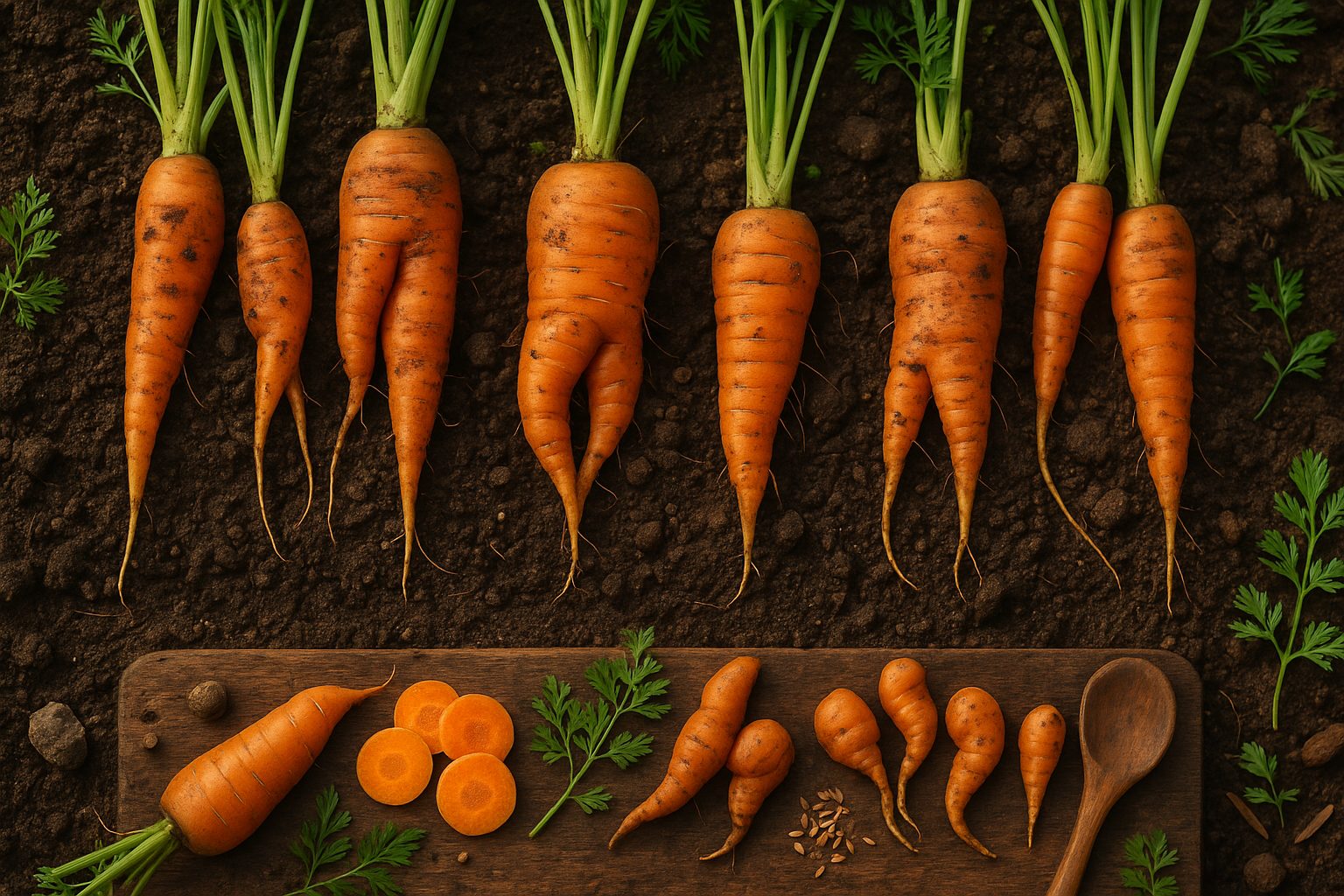
Common Causes of Deformed Carrots
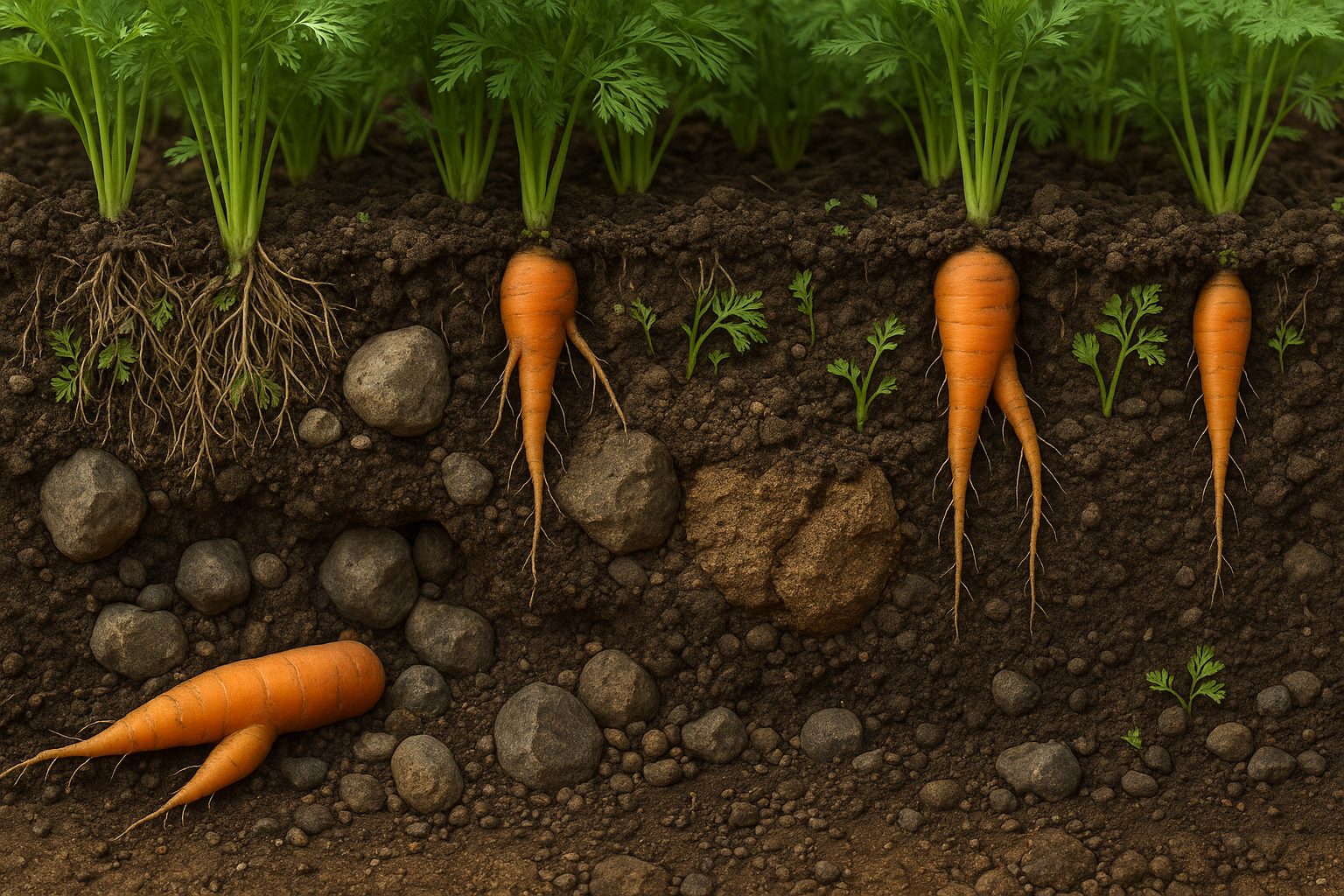
If you’ve ever pulled up your harvest to discover a bunch of twisted carrots, you’re not alone. These quirky, knobby, or forked veggies are surprisingly common in home gardens, often leaving gardeners both puzzled and amused. But behind every misshapen carrot lies a set of understandable causes—and most relate to what’s happening underground.
Whether it’s heavy or clay soil that stops roots in their tracks, hidden stones that redirect growth, or planting seeds too close together, many everyday garden factors lead to carrots growing in unexpected ways.
Real-life gardeners like Sarah, who found her carrots entwined “like dancers,” or Mike, who unearthed a three-pronged root thanks to forgotten rocky patches in his plot, know the struggle firsthand. Even overlooked steps—like skipping proper thinning, transplanting delicate starts, or battling stubborn weeds—invite more root oddities.
Other factors include planting with pelletized “nail-shaped” seeds, overdoing fertilizer (especially nitrogen-heavy feeds), or forgetting to water regularly, all of which can result in strange-looking harvests.
If you’re facing a crop of twisted carrots, understanding these causes can help you grow straighter, healthier roots next season.
How Soil Conditions Impact Carrot Growth
The condition of your soil can make or break your carrot crop, especially when it comes to getting those long, straight roots gardeners prize. Carrots do best in loose, well-drained soils because their tender roots need space to push down easily without obstruction.
If you plant in dense or compacted ground, your carrots may grow stunted or forked, often twisting around rocks or clumping together, making them difficult to harvest and less appealing to eat. Heavy clay soils, in particular, can slow root growth and retain too much moisture, leading to rot or deformities.
To test your soil’s texture, try the simple squeeze test: grab a handful of moist soil and squeeze it into a ball. If it breaks apart easily, your texture is in good shape; if it sticks together in a hard lump, it’s likely too clayey or compacted for carrots.
Improving your soil is straightforward—mix in sand and compost to lighten the texture, enhance drainage, and boost nutrients. Nab a garden fork and carefully sift out rocks or old roots before sowing your carrot seeds.
Regularly rotating your crops each year also helps; this prevents soil-borne diseases and avoids depleting the specific nutrients carrots need, so your garden stays healthy, season after season. A bit of groundwork upfront leads to bigger, better carrots at harvest time.
Best Practices for Planting and Thinning Carrots
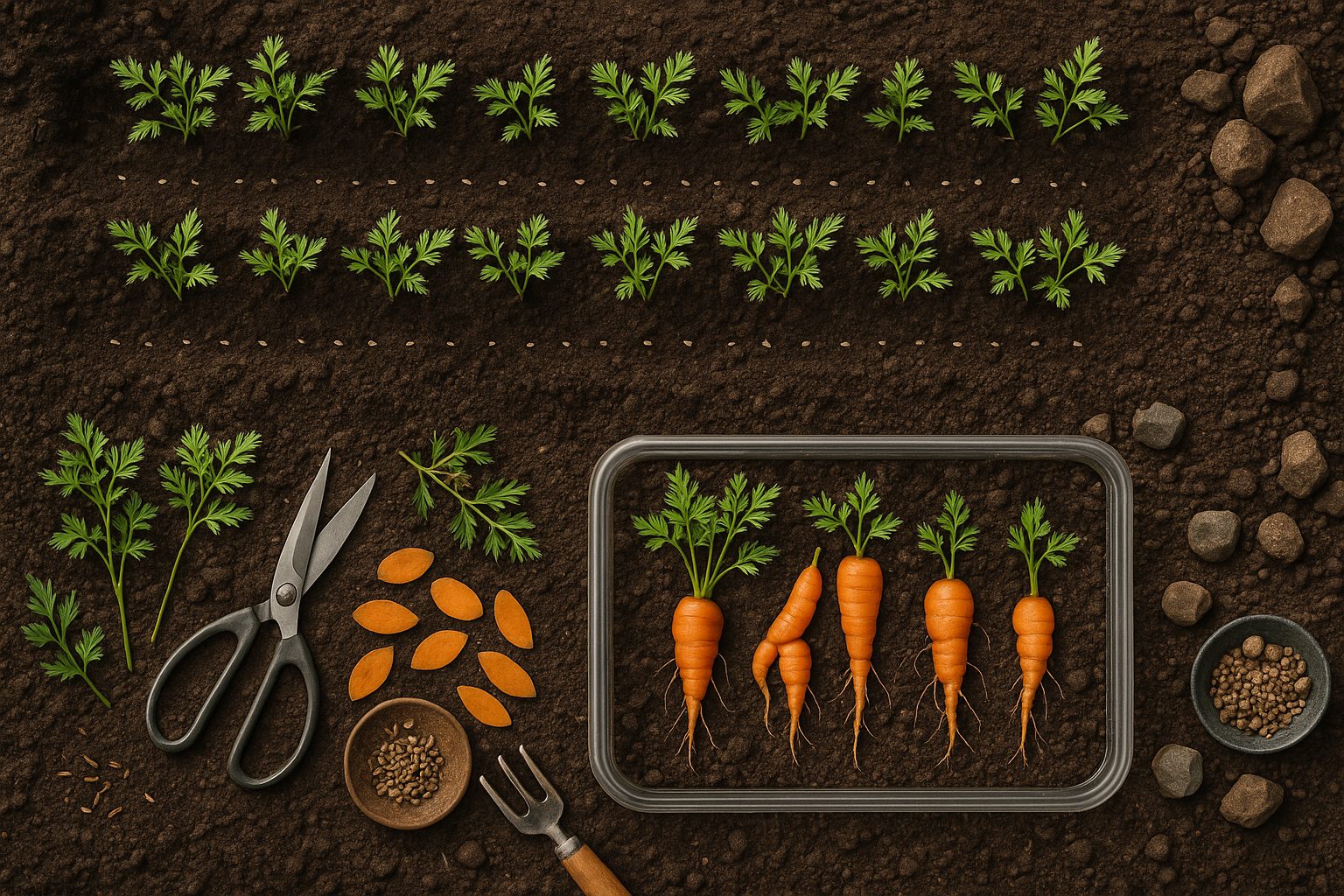
When it comes to growing carrots, direct sowing seeds into the garden is often far more successful than trying to transplant seedlings. Carrots develop long, delicate taproots that are easily disturbed—moving them from pots to soil can result in crooked or forked roots, or even stunted growth. So, it’s best to sow carrot seeds right where they will mature.
Once you’ve prepared a loose, stone-free bed—critical for those signature straight carrots—aim to sow seeds about half an inch apart in shallow rows. It’s tempting to scatter seeds more thickly, but avoid over-seeding to make thinning less painful later on. Seed packets often suggest generous sowing to account for lower germination rates, but with fresh seed, you can plant more sparingly.
After sowing, keep the soil consistently moist as carrot seeds are notoriously slow and erratic to germinate, often taking up to three weeks. Check daily, and don’t let the topsoil dry out. When tiny seedlings emerge and reach about an inch tall, the crucial job of thinning begins. Crowded seedlings compete for space and nutrients, leading to misshapen, undersized carrots.
For best results, thin seedlings in stages: start by gently removing the weakest plants so that the rest are about one inch apart. As the survivors grow taller—usually two to three inches high—go back and thin again so each remaining plant is spaced one and a half to two inches apart. Thinning is best done on a cloudy day or in the afternoon to reduce root disturbance and water stress.
If you find it hard to pull up the extras, remember you can use small scissors to snip them at soil level, which avoids disturbing the roots of those you keep. The young thinnings are edible and make a tasty addition to salads! Make thinning a routine task rather than a one-time event—crowded spots can be touched up as needed throughout the early weeks of growth. This staged approach ensures each carrot has enough room to swell in the soil, yielding those straight, sweet roots every gardener hopes for.
Don’t:
- Don’t transplant carrot seedlings—they rarely recover from root disturbance.
- Don’t let seeds dry out during germination; parched soil leads to patchy stands.
- Don’t skip thinning; crowded carrots will be stunted and twisted.
- Don’t sow too densely unless you’re prepared for extra thinning work.
Do:
- Do direct sow carrot seeds into well-prepared soil free of stones.
- Do keep the seedbed consistently moist until seedlings are established.
- Do thin seedlings gradually, aiming for final spacing of 1.5 to 2 inches apart.
- Do use scissors for thinning if you’re worried about damaging roots.
- Do enjoy the edible greens from your thinned plants as a bonus harvest.
By following these practices, your carrots will have the space and resources to grow deep, sweet, and uniform—whether you’re after crunchy snacks, juicing, or colorful additions to your kitchen dishes. With patience at every stage, from sowing to thinning, you’ll reap the rewards come harvest.
Watering, Feeding, and Ongoing Carrot Care
Consistent, even moisture is the secret to growing plump, sweet carrots, so make it a habit to check your soil regularly—carrots hate to dry out, but they’ll also rot in soggy ground. Aim for about an inch of water per week, either from rain or gentle irrigation; a soaker hose is ideal, keeping foliage dry and reducing disease.
Try the “finger test” by poking the soil an inch deep—if it feels dry, it’s time to water. Mulching with straw or shredded leaves not only helps lock in soil moisture but also keeps temperatures even and blocks sunlight to weeds, preventing overcrowding that can lead to misshapen roots.
Carrots are light feeders but do need some nutrients; focus on a balanced, low-nitrogen fertilizer or add compost before planting. Too much nitrogen spurs leafy tops at the expense of the root and can cause forked or hairy carrots. If you notice leggy greens and little root growth, ease up on feeding and skip high-nitrogen sources like manure.
Watch out for other common mistakes: watering too fast or too heavily might cause the soil to crust and push carrot tops above ground, making them bitter and tough. For best results, water slowly and evenly, and thin young seedlings so each carrot has breathing room.
With these simple care habits, your carrots are more likely to grow straight and flavorful, ready for your kitchen or lunchbox.
Recognizing and Preventing Pest & Disease Problems
Recognizing and preventing pest and disease issues in your carrot patch can make the difference between a bumper crop and a disappointing harvest. One of the most problematic pests is the root-knot nematode, a microscopic worm that invades carrot roots and causes bizarre, swollen, or forked shapes. If you dig up a carrot and notice small lumps or galls on the roots, or if the carrots look twisted and stunted, nematodes are likely the culprit.
Another common threat is carrot rust fly larvae, which tunnel through the roots and leave winding, rusty scars behind. On the disease side, keep an eye out for fungal issues like Alternaria leaf blight or cavity spot—these can show up as dark, water-soaked lesions on leaves or sunken areas on the carrot itself. Early symptoms might include yellowing leaves or wilting, often mistaken for watering problems.
To catch these problems early, regularly inspect both foliage and roots for changes in color, shape, or texture. Practicing crop rotation—planting carrots in a new spot each season—can interrupt pest life cycles and prevent a buildup of disease in the soil.
For root-knot nematodes, consider planting resistant carrot varieties or adding organic matter like compost to stimulate beneficial microorganisms that naturally suppress nematode populations. Covering newly seeded beds with floating row covers can block adult pests such as carrot flies, while mulching helps maintain consistent soil moisture and temperature, making the environment less inviting for pathogens.
Always remove and dispose of any diseased plants and deep-clean your garden tools to avoid spreading problems. Emphasize building healthy soil biology by regularly adding compost and avoiding chemical fertilizers, which can damage beneficial microbes.
Lastly, keeping your garden tidy by clearing plant debris at the end of each season cuts down on habitats for pests and diseases to overwinter, so you’ll start each year with a fresher, healthier growing environment for your carrots.
Salvaging and Enjoying Deformed Carrots
Misshapen or “ugly” carrots might not win any beauty contests, but rest assured, they’re just as safe and delicious as their perfectly straight counterparts. In fact, deformed carrots often pack the same sweet crunch and nutrients, making them a fantastic, affordable option for everyday meals.
If you’ve pulled some gnarly roots from your garden or spotted twisted carrots at the store, try tossing them into a hearty roasting pan with olive oil, salt, and herbs—no one will notice their odd shapes when they’re caramelized and golden. Deformed carrots also shine in blended soups, stews, and purees, where appearance doesn’t matter at all.
Get creative by shredding them into muffins, grating for salads and slaws, or chopping for stir-fries. If you have kids, try using funny-shaped carrots to spark their curiosity and snack-time fun.
Using these perfectly edible veggies not only minimizes food waste but can also save you money—many markets sell “seconds” for less. For home gardeners, embracing the quirks of your harvest is part of the joy; each unique carrot is a testament to natural growing and adds a little character to your meals.
Remember, imperfection never tasted so good—so celebrate every carrot, however it comes out of the ground.