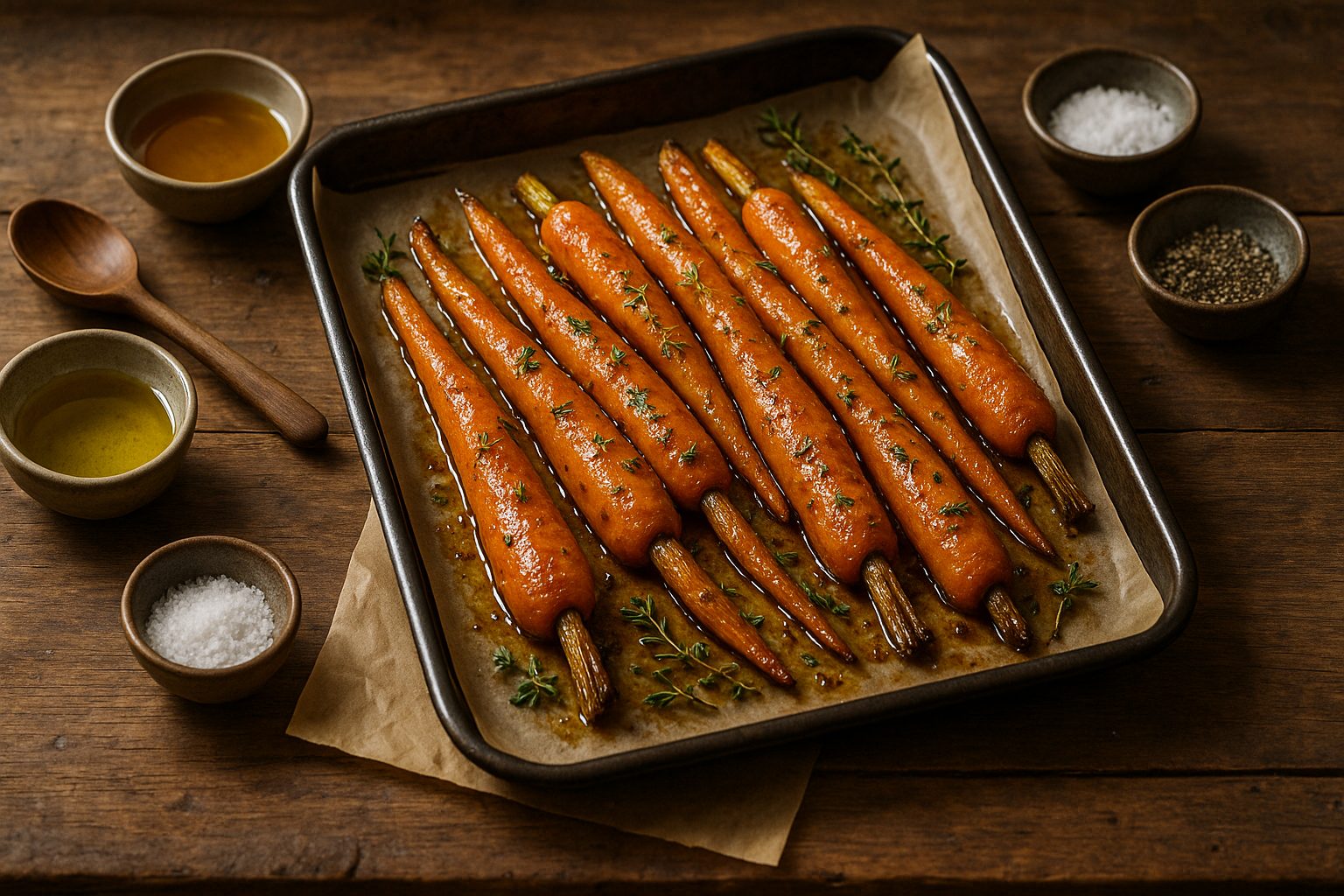
Introduction
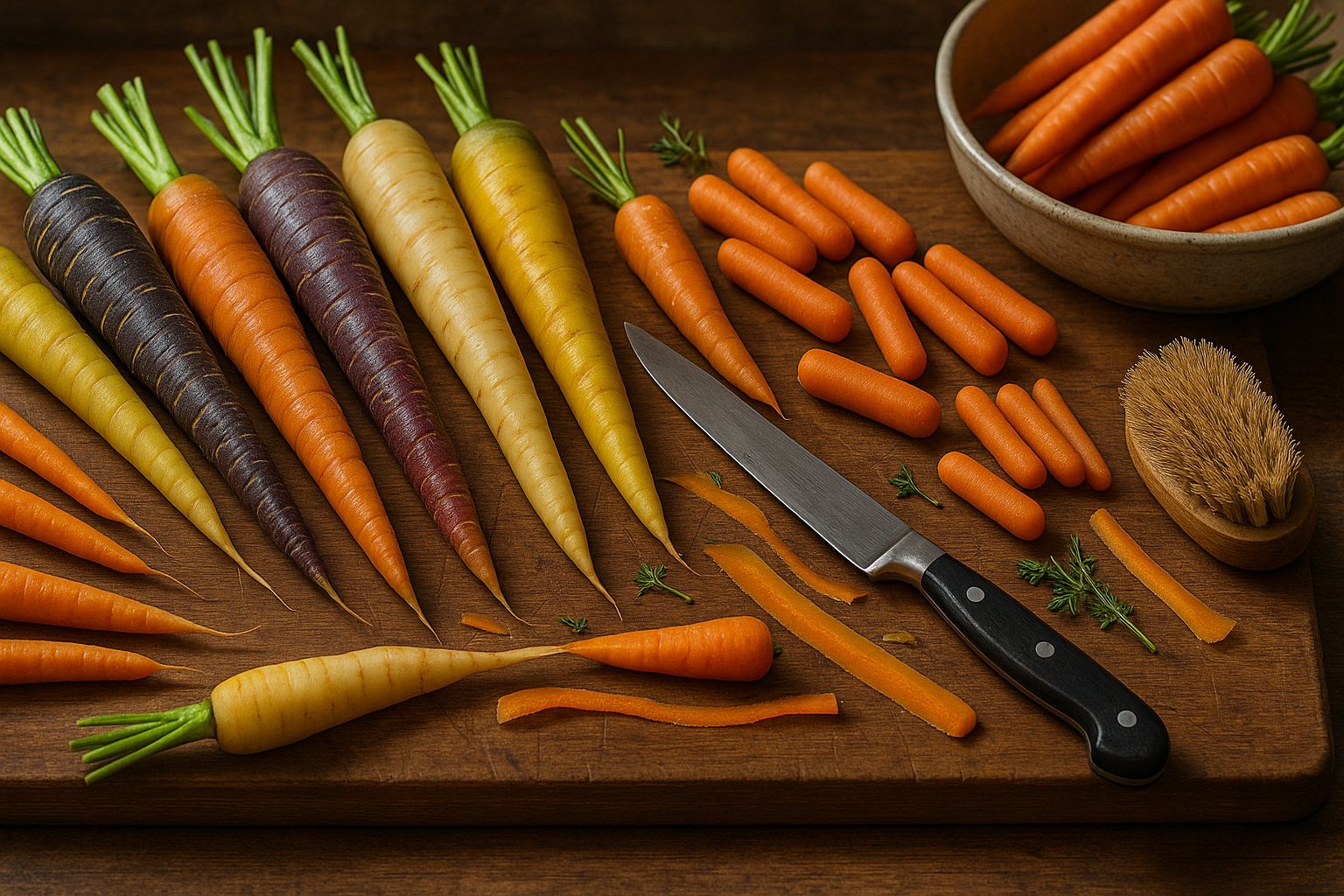
Roasting carrots is a favorite kitchen strategy for many home cooks, but have you ever wondered how it compares to the classic method of boiling? Garden carrots are one of the most versatile and healthy vegetables you can grow and enjoy, lending themselves to a variety of cooking styles—from quick steaming to slow oven roasting. Both roasting and boiling are popular for their simplicity and for highlighting different aspects of this vibrant root.
Maybe you love the caramelized edges that come from roasting carrots on a sheet pan, which perfectly brings out their natural sweetness. Or perhaps you prefer the quick, no-fuss tenderness that boiling provides—ideal for tossing into soups or mashing. In this article, we’ll take a closer look at the differences between roasting and boiling garden carrots. We’ll explore flavor, nutrition, and texture, and share practical tips to help you decide which method best suits your next meal—whether you’re aiming for a sweet glaze, a crispy salad addition, or a comforting side dish with dinner.
The Science Behind Roasting and Boiling
When you prepare garden carrots by roasting or boiling, you’re not just changing their flavor—you’re also altering their texture, color, and nutrition in distinct ways. Roasting carrots involves high, dry heat that promotes caramelization and the Maillard reaction, a process where natural sugars and amino acids in the carrots interact to create complex, browned flavors and appealing aromas.
As water evaporates during roasting, carrots become sweeter, denser, and develop crispy edges while retaining more nutrients like vitamin C, since they aren’t soaked in water that can leach out soluble vitamins and minerals. Boiling, on the other hand, means submerging carrots in hot water, which heats them gently and evenly but can cause water-soluble nutrients—especially vitamin C and some B vitamins—to leach into the cooking liquid.
This results in a softer, more uniform texture and milder flavor, but often at the cost of some nutritional value unless you use the cooking water in soups or sauces. Moisture plays a big role here: boiling adds water to the vegetable’s environment, while roasting pulls it away, concentrating flavors. Cooking time matters, too—longer boiling means more nutrient loss, while over-roasting risks burning and bitterness.
For the best of both worlds, some home cooks parboil carrots briefly to tenderize them, then finish with a quick roast for maximum flavor and texture. Understanding how these methods interact with the natural sugars and nutrients in garden carrots can help you choose the cooking technique that suits your taste and health goals—whether you’re craving a batch of sweet, caramelized roasted carrots or prefer the subtle softness of boiled ones for a classic side dish.
Flavor and Texture Differences
When it comes to flavor and texture, roasting carrots and boiling them produce distinctly different results, transforming fresh garden harvests in unique ways. Roasting carrots brings out deep, sweet, and slightly nutty notes, thanks to caramelization—the process where natural sugars brown under the oven’s high heat. This browning not only intensifies their flavor but also creates pleasantly crisp, golden edges with tender, almost creamy interiors.
Roasted carrots work beautifully as side dishes, in grain bowls, or winter salads, where their concentrated sweetness shines, pairing well with sharp cheeses or zesty dressings. In contrast, boiling carrots yields a milder, earthier flavor since they retain more moisture and lack the crisp caramelization that roasting creates. Boiled carrots have a soft, smooth, and uniform texture—ideal for purees, soups, or classic mixed-vegetable medleys.
Their mellow taste allows them to absorb surrounding flavors, making them perfect for hearty soups, stews, or summery cold salads where a gentle carrot presence is desired without overpowering other ingredients. While roasting draws out maximum sweetness and depth—think honey-glazed carrots as a festive side—boiling keeps carrots subtle and supple, perfect in comforting dishes like mashed carrot-potato blends or tender carrot coins in simple salads.
Each method highlights a different side of the humble garden carrot: roasting emphasizes bold, caramelized notes and texture contrast, while boiling showcases their natural softness and versatility in both hot and chilled dishes. Ultimately, the choice comes down to what you want on your plate—a sweet, bold bite or a delicately flavored component ready to complement any meal.
Nutritional Impact of Roasting Carrots
When comparing roasting carrots to boiling, it’s important to understand how each cooking method affects their nutritional content. Roasting carrots typically preserves more fat-soluble nutrients, such as beta-carotene—the compound that gives carrots their vibrant orange color and converts to vitamin A in the body. In fact, gently roasting carrots not only helps retain beta-carotene but also makes it more bioavailable, meaning your body can absorb it more easily.
In contrast, boiling carrots can cause water-soluble vitamins, particularly vitamin C and some B vitamins, to leach into the cooking water—especially if boiled for a long time or at high heat. While boiled carrots remain a healthy option, they may contain less vitamin C compared to their roasted counterparts. Minerals like potassium can also be lost in the boiling water, whereas roasting tends to preserve more minerals since it doesn’t involve water.
To maximize the nutritional benefits when roasting carrots, use moderate temperatures and avoid overcooking—they should be fork-tender but not scorched. Drizzling a small amount of olive oil not only enhances flavor but also improves absorption of fat-soluble nutrients. For boiling, keep cooking times short and use minimal water, ideally steaming rather than fully submerging, or repurpose the cooking liquid for soups or sauces to reclaim lost nutrients.
Whichever method you choose, cutting carrots into larger chunks can help preserve more nutrients. Overall, roasting carrots often offers a great balance of flavor and nutrition, but mindful preparation can make both methods part of a healthy diet.
Roasting Garden Carrots – Tips and Techniques
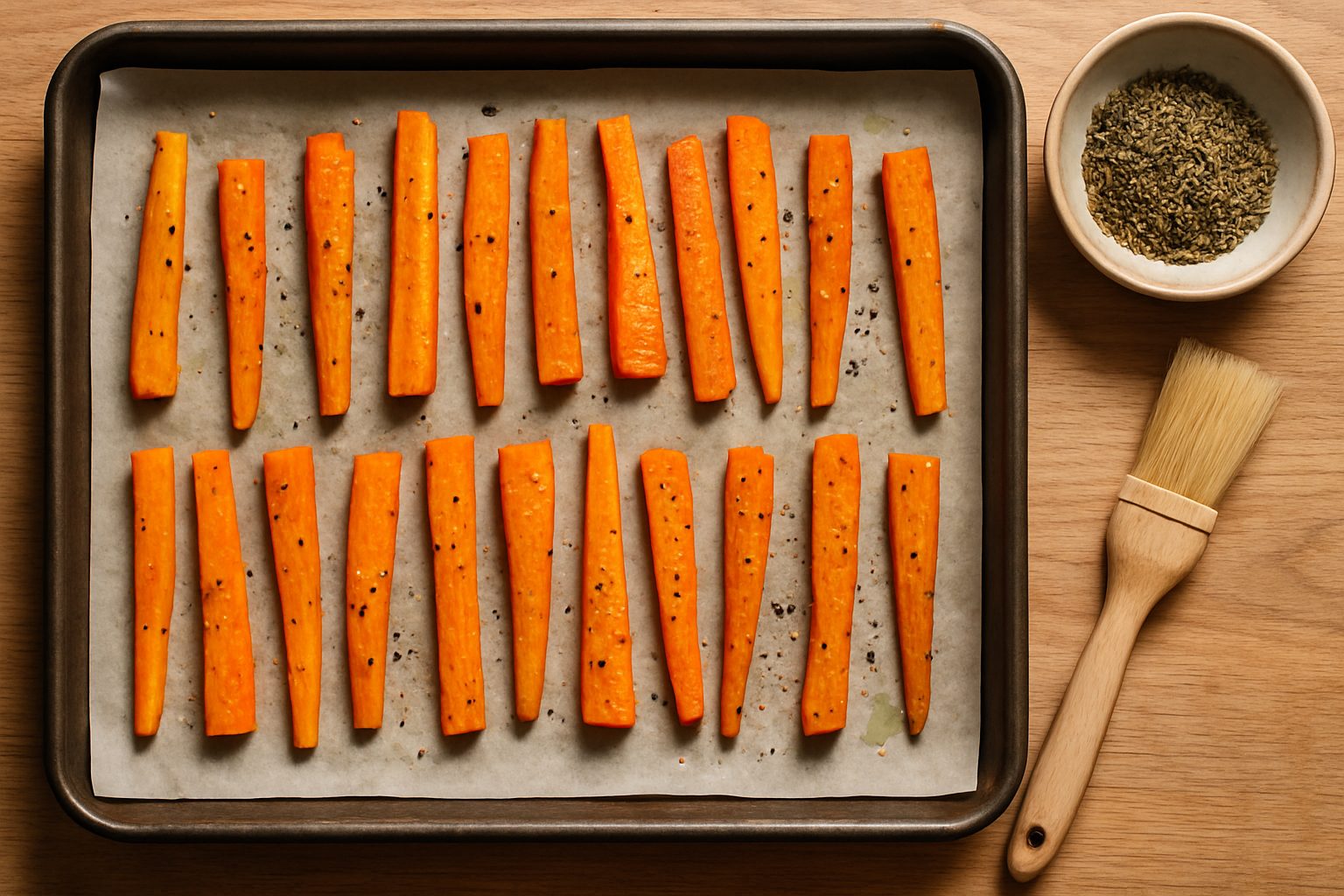
Roasting carrots is a fantastic way to bring out their natural sweetness and create a caramelized, crisp exterior with a tender interior. To get started, preheat your oven to 425°F (220°C)—a hot oven is key for browning and enhancing sweetness. Wash and peel your garden carrots, then decide whether to roast them whole, halved, or cut into even ½-inch thick sticks or coins. Smaller pieces roast faster and absorb more flavor, while whole or halved carrots retain a toothsome texture and make a dramatic presentation on the plate.
Toss the carrots in a generous drizzle of extra virgin olive oil or melted coconut oil, just enough to coat them lightly. Sprinkle with kosher salt and cracked black pepper as a base. For extra flavor, mix in dried or fresh herbs like thyme, rosemary, or dill. A pinch of smoked paprika or cumin adds warmth, while a drizzle of honey or maple syrup before roasting intensifies the caramelization.
Spread the carrots in a single layer on a rimmed baking sheet—avoid crowding for even roasting—and roast for 20–30 minutes, flipping halfway through. Test for doneness with a fork: the edges should be browned, and the inside tender. For a zesty finish, toss roasted carrots with lemon zest, chopped fresh parsley, or a splash of balsamic vinegar just before serving.
If you’re short on time, baby carrots or carrot chunks roast even faster. Experiment with golden and purple heirloom carrots for a colorful side that’s as visually appealing as it is delicious.
Boiling Garden Carrots – Tips and Techniques
Boiling garden-fresh carrots is a classic way to bring out their sweet, earthy flavor, but mastering the technique is key to avoiding soggy, bland results. Start by slicing your carrots into uniform pieces so they cook evenly. Fill a pot with just enough water to cover the carrots, bring it to a rapid boil, then add a generous pinch of salt—salting the water, just like with pasta, infuses the carrots with flavor as they cook.
Drop the carrots into the boiling water, then reduce the heat to a gentle simmer. Timing is crucial: for tender-crisp carrots, check them after 4–6 minutes; for a softer, mashable texture, let them cook up to 10 minutes, but be careful not to overcook. Test doneness by piercing a piece with a fork or knife—it should slide in easily yet still offer slight resistance.
To lock in color and stop the cooking process, drain the carrots immediately and plunge them into a bowl of ice water for a quick shock. To avoid blandness, toss the drained carrots with a knob of butter, a drizzle of olive oil, or a sprinkle of fresh herbs.
Boiled carrots are wonderfully versatile—you can mash them into a creamy puree with a touch of ginger and orange zest, toss chilled slices into couscous or green salads, or blend them with chickpeas and tahini for an orange-hued twist on hummus. These simple tweaks will make boiled garden carrots a tasty staple in your kitchen repertoire.
Which Method is Best for You?
When deciding between roasting carrots and boiling them, consider what matters most to you: flavor, nutrition, and convenience. Roasting carrots in the oven brings out their natural sweetness and creates a delicious caramelized exterior—perfect for a rich, slightly crispy side dish. This method takes a bit longer, usually 20 to 30 minutes, but the result is worth it if you want to impress at a dinner party or holiday meal.
On the other hand, boiling carrots is much quicker, often taking just 5 to 10 minutes, and produces a softer, milder vegetable that works well in soups, stews, or quick midweek dinners. While both methods preserve most nutrients, roasting may retain a bit more—especially if you don’t peel the carrots and use minimal oil.
If you’re after an easy, no-fuss addition to a family meal, boiled carrots are a great choice. But if you crave flavor and texture, or want your carrots to be the star side dish, roasting carrots is your best bet. Ultimately, the right method depends on your time, taste, and the type of meal you’re making. Don’t hesitate to experiment—try both and see which your family prefers.
Conclusion
Whether you love the sweet, caramelized flavor that comes from roasting carrots or prefer the tender, milder taste of boiled ones, each method highlights something special in your garden harvest. Roasting brings out natural sugars for a rich, crispy finish, while boiling keeps carrots moist and soft—great for a variety of dishes. Why not try both techniques and discover which you and your family like best? Share your results in the comments! For more ways to enjoy your carrots, check out our articles on steaming, grilling, and making carrot purees to expand your cooking skills.