Choosing the Best Carrots for Cooking
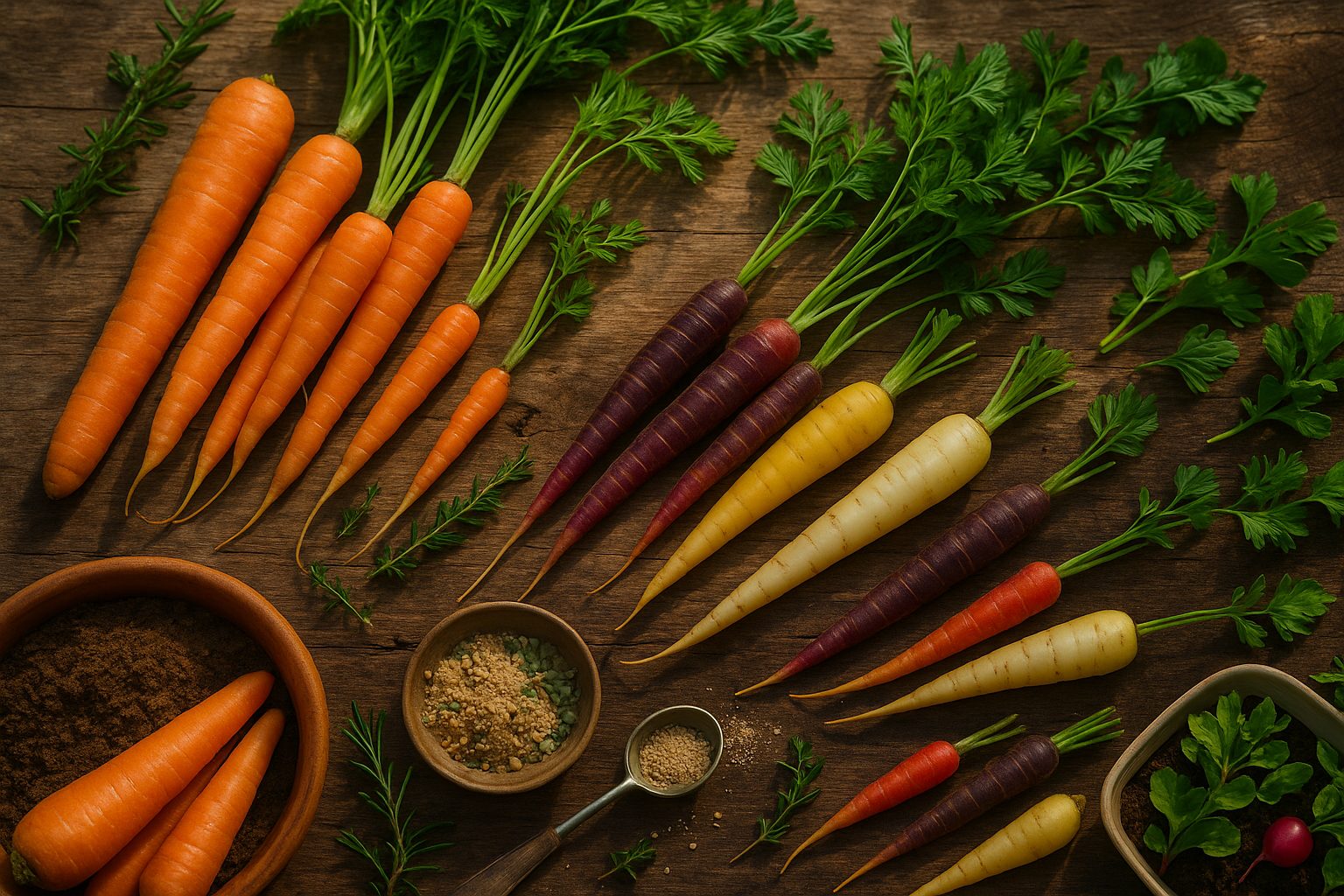
When it comes to cooking carrots, choosing the right ones can make all the difference in both flavor and texture. With so many varieties—regular orange carrots, multi-colored heirloom types, or tender baby carrots—your choice impacts how sweet, earthy, or crisp the finished dish will be. For example, heirloom carrots often have a pronounced sweetness and beautiful hues that stand out when roasted, while classic orange carrots are versatile for everything from soups to stir-fries. Baby carrots, typically peeled and trimmed, are convenient for quick snacks or steaming, but can sometimes be less flavorful than their larger counterparts.
To get the best results when cooking carrots, start by selecting ones that are firm to the touch, vibrantly colored, and free from cracks or blemishes. Avoid any carrots that feel limp or have spots, as these are signs of age and poor storage. If you have the option, go for carrots with their green tops still attached—bright, leafy greens mean the carrots are fresh and recently harvested. At farmers’ markets or in the produce section, seek out smaller, thinner carrots for a naturally tender bite and sweeter taste.
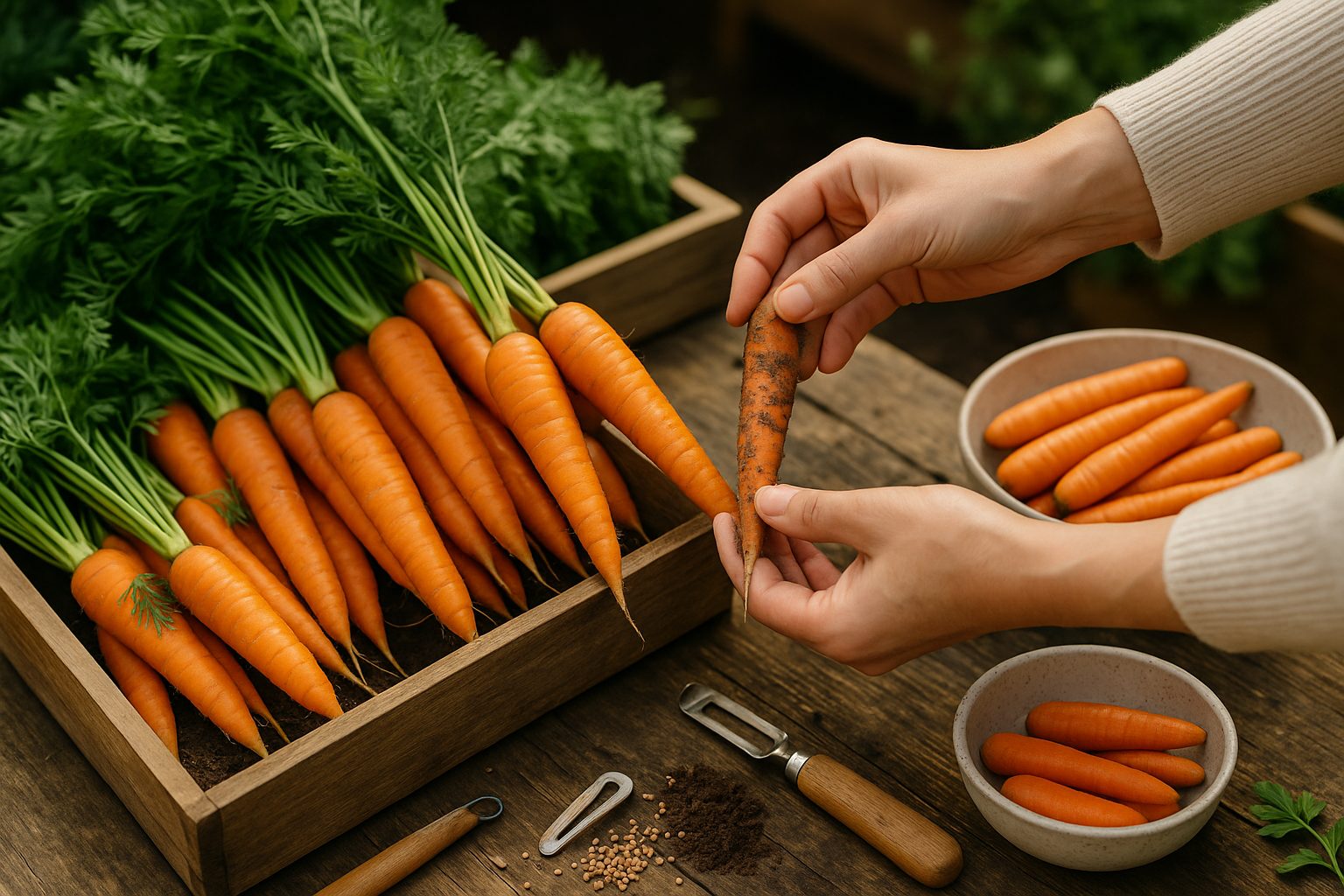
Once you’ve chosen your carrots, preparation is key. Gently scrub them under cold water to remove any soil—especially important for garden-fresh or organic varieties. Whether or not you peel your carrots depends on their thickness and your own preference: thin, young carrots often only need a good wash, while thicker, older carrots might have a tougher skin that’s best removed with a vegetable peeler. For even cooking, chop, slice, or julienne your carrots to consistent sizes. This step helps them roast, steam, or sauté evenly and ensures every bite brings out the unique, sweet flavor that makes cooking carrots so rewarding.
Essential Methods: Boiling, Roasting, and Steaming
Cooking carrots can transform their flavor and texture in remarkable ways, depending on the method you choose. Here’s a quick guide to three classic techniques:
Boiling
To boil carrots, start by peeling and cutting them into evenly sized rounds or sticks. Bring a pot of salted water to a rolling boil, add the carrots, and cook for about 6-8 minutes until just tender but not mushy. Boiled carrots are soft with a mild, clean flavor, making them perfect for picky eaters or as a simple side. Enhance their taste with a pat of butter, a sprinkle of salt, and fresh parsley.
Roasting
Preheat your oven to 425°F (220°C). Chop carrots into thick batons or diagonal slices, then toss them with olive oil, salt, pepper, and herbs like thyme or rosemary. Spread the carrots on a baking sheet in a single layer and roast for 20-25 minutes, flipping halfway through, until they’re golden-brown and caramelized. Roasted carrots develop a sweet, concentrated flavor and delightfully crisp edges—try finishing them with a drizzle of honey or balsamic vinegar for extra depth.
Steaming
Steaming is an easy way to preserve the carrots’ vibrant color and nutrients. Fill a pot with about an inch of water, insert a steamer basket, and once the water boils, add peeled, cut carrots to the basket. Cover and steam for 7-10 minutes, checking for fork-tender doneness. Steamed carrots boast a bright orange color and gentle sweetness, ideal for pairing with a squeeze of lemon, fresh dill, or a touch of garlic butter.
Each cooking technique brings out a unique side of this versatile vegetable, so experiment to find your favorite—whether you love the pure, comforting taste of boiled carrots, the complex sweetness of roasted, or the bright freshness of steamed.
How to Roast Carrots for Maximum Flavor
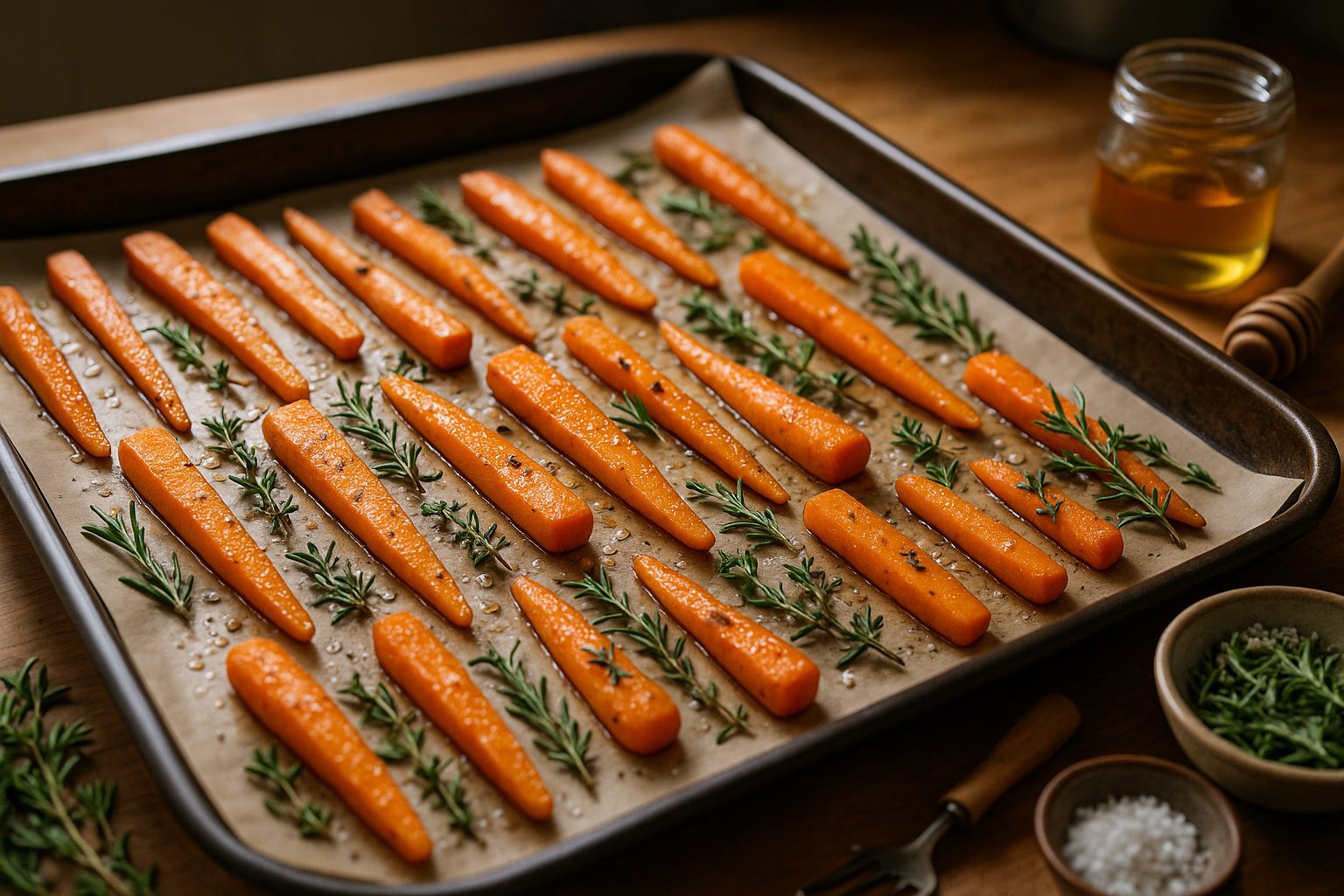
Roasting carrots is an easy way to bring out their natural sweetness and create irresistibly caramelized edges. Start by setting your oven to 425°F (220°C), which is hot enough to brown the carrots without drying them out.
Slice the carrots evenly—either into sticks or rounds about a half-inch thick—so they cook at the same rate. Toss them thoroughly with a high-heat oil like avocado or olive oil; use about one to two tablespoons per pound of carrots to coat them well and encourage browning.
Spread the carrots in a single layer on a rimmed baking sheet, making sure each piece has a little breathing room. Overcrowding leads to steaming instead of roasting.
For classic honey-roasted carrots, drizzle a tablespoon of honey and sprinkle some sea salt over the carrots before placing them in the oven. If you prefer a spicy kick, dust them with smoked paprika or chili flakes. For herb-infused carrots, toss them with chopped thyme, rosemary, or dill during the last five minutes of roasting to keep the flavors fresh and fragrant.
Roast for 20-30 minutes, flipping once halfway through, until they’re golden on the edges and fork-tender in the middle. If your carrots are burning before they’re done, check your oven rack position—middle is best—and consider loosely covering them with a sheet of foil.
Undercooked or uneven carrots are often the result of thick pieces or crowding, so trim large chunks and use multiple trays if needed. For the best texture, let the carrots roast undisturbed for most of the time to encourage crispy edges, then toss just once to avoid sogginess.
A final sprinkle of flaky salt, lemon zest, or crumbled feta right out of the oven can take your roasted carrots from everyday to spectacular.
Creative Ways to Season and Serve Cooked Carrots
Cooked carrots are a blank canvas for bold flavors, and you can easily transform them by playing with seasonings from different cuisines.
For a classic touch, toss warm carrots with a bit of melted butter, minced garlic, and fresh dill—an easy combo that’s both comforting and aromatic.
If you’re after something with more kick, try dusting cooked carrots with ground cumin and a splash of citrus juice; the earthy spice and bright acidity make for a surprisingly lively side dish.
Maple syrup or honey makes a simple glaze—just drizzle over roasted carrots and sprinkle with flaky sea salt for a sweet-savory finish that’s great for weeknights or holiday tables.
For an international twist, toss cooked carrots with a spoonful of curry powder, a dollop of yogurt, and a squeeze of lime.
When it comes to garnishes, try scattering over chopped pistachios or toasted sesame seeds for crunch, or a handful of fresh herbs like parsley, mint, or cilantro to add color and freshness.
Quick toppings like crumbled feta, orange zest, or even a sprinkle of za’atar can turn a plain carrot dish into something memorable in seconds.
Don’t be afraid to experiment—carrots play well with both sweet and savory partners, so mix and match your favorite dressings, glazes, and garnishes to keep things interesting meal after meal.
Tips for Cooking Baby Carrots and Pre-Cut Carrots
When it comes to cooking baby carrots or pre-cut carrot pieces, a few tweaks can help you get the most flavor and perfect texture. Baby carrots are naturally smaller and thinner, so they cook much faster than whole, regular-sized carrots—think 10-12 minutes for roasting instead of the usual 25-30 minutes required for large carrot chunks.
Whether you’re roasting, steaming, sautéing, or even grilling, it’s important to keep an eye on the size of your pieces and adjust the cooking time to avoid ending up with mushy carrots. For example, a quick steam or sauté (just 5-7 minutes) can keep baby carrots tender-crisp and vibrant.
When roasting, spreading them out in a single layer on your tray ensures even browning and caramelization. For added flavor, try tossing baby carrots with a blend of olive oil, garlic powder, smoked paprika, and a touch of honey or maple syrup before popping them in the oven. This brings out their natural sweetness—a tip that works especially well because baby carrots are usually milder than whole carrots.
If you’ve got time, marinating pre-cut carrots in a mix of balsamic vinegar, lemon juice, fresh dill, and a pinch of salt before cooking can infuse them with tangy, herbaceous flavor that pairs well with just about any meal.
Another easy idea is to toss hot, freshly cooked baby carrots with a sprinkle of za’atar or Everything Bagel seasoning for a trendy twist. The key is to experiment with seasonings and use shorter cooking times to ensure your smaller carrots are flavorful and perfectly cooked every time.
Meal Prep, Storage, and Reheating Tips
When it comes to prepping carrots, both raw and cooked varieties can be made ahead to save you valuable time during busy weeks. Raw carrot sticks or slices can be chopped up to five days in advance—just store them in an airtight container with a little bit of water to keep them crisp.
For cooked carrots, you can roast, steam, or sauté them up to three days ahead; let them cool completely before storing in a sealed container.
If you want to freeze carrots for longer storage, blanch raw carrots in boiling water for two to three minutes, plunge them into ice water, then dry and pack them into freezer-safe bags or containers.
For both refrigeration and freezing, glass containers with tight-fitting lids or BPA-free plastic containers work best, preventing moisture loss and keeping odors at bay.
When it’s time to reheat, avoid the microwave if you want to preserve that delightful carrot texture—instead, rewarm cooked carrots gently in a covered skillet with a splash of water or broth over low heat for a few minutes, or use an oven at 325°F for about 10 minutes.
For quick, on-the-go meals, try reheating a single serving in a microwave using short 30-second bursts, stirring in between to prevent overheating or mushiness.
These practical storage and reheating methods help ensure your carrots stay fresh, flavorful, and perfectly textured no matter when you’re ready to enjoy them.
Pairings and Serving Ideas for Cooked Carrots
Cooked carrots are surprisingly versatile, pairing beautifully with a wide range of main dishes and cuisines. Their natural sweetness enhances roasts like honey-glazed ham, baked chicken, or herb-crusted pork tenderloin, and they fit right in with beef stews or classic pot roast.
Internationally, cooked carrots shine alongside Moroccan lamb with cumin and coriander, French-style roasted chicken with thyme, or even a simple bowl of Japanese curry.
As a featured side, serve carrots tossed in olive oil and sprinkled with fresh herbs like dill or parsley for a colorful, appealing platter. A drizzle of balsamic glaze or a sprinkle of nuts adds texture and elegance for holidays and special gatherings.
Leftover cooked carrots needn’t go to waste—chop them and toss into salads for a pop of color, mix into grain bowls with quinoa and chickpeas, or blend into comforting soups with ginger and coconut milk.
For casual meals, try serving carrots “family style” in a rustic dish or mason jar, or fan them out on a wooden cutting board for a modern, farm-to-table vibe.
To up the visual appeal at festive events, cut cooked carrots into fun shapes using crinkle cutters or cookie cutters, mix yellow and purple carrots with standard orange for a rainbow effect, or top with a sprinkle of fresh chives or sesame seeds.
Whether you’re serving weeknight dinner or hosting a crowd, cooked carrots are easy to dress up and always a crowd-pleaser.