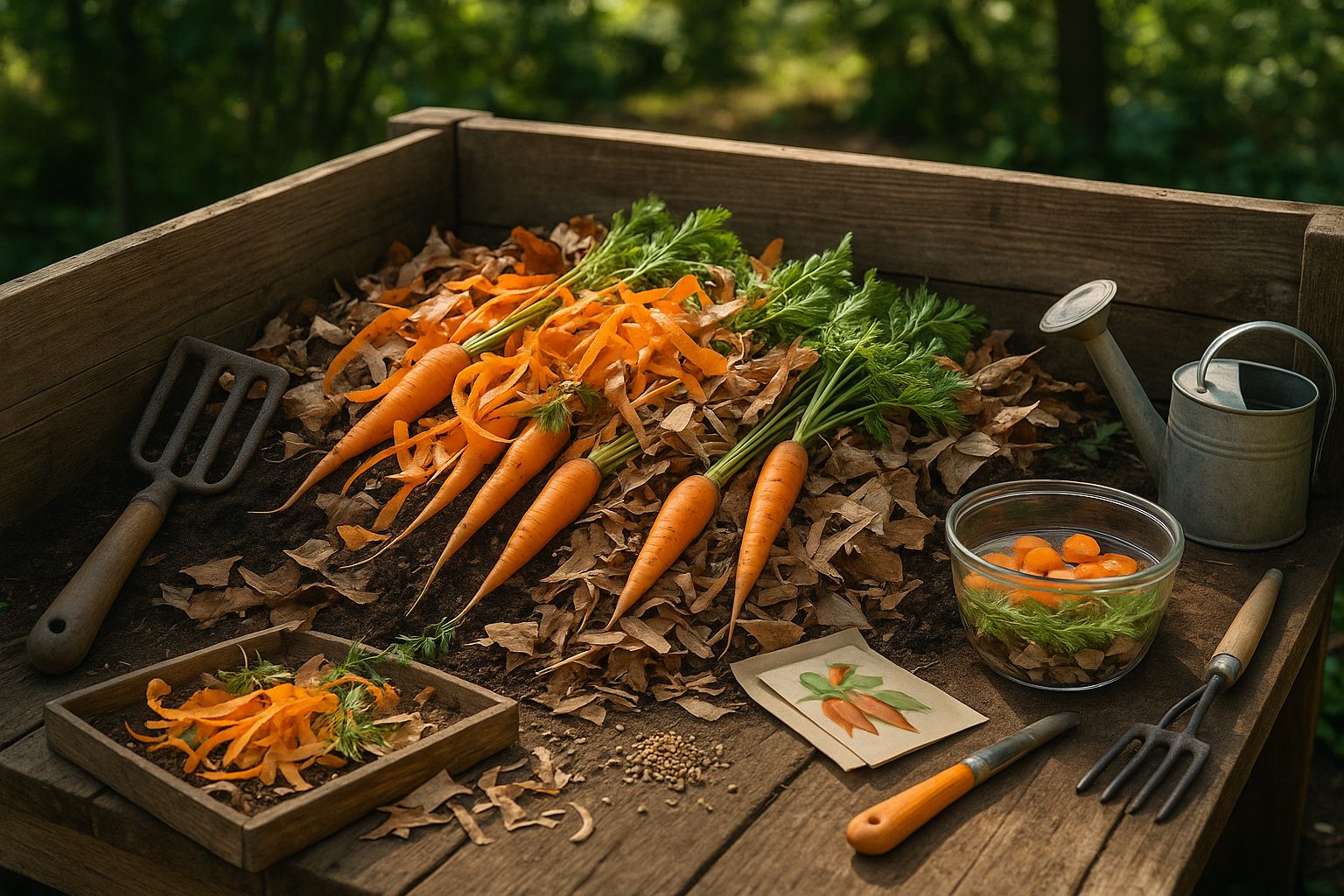
Why Compost Carrots?
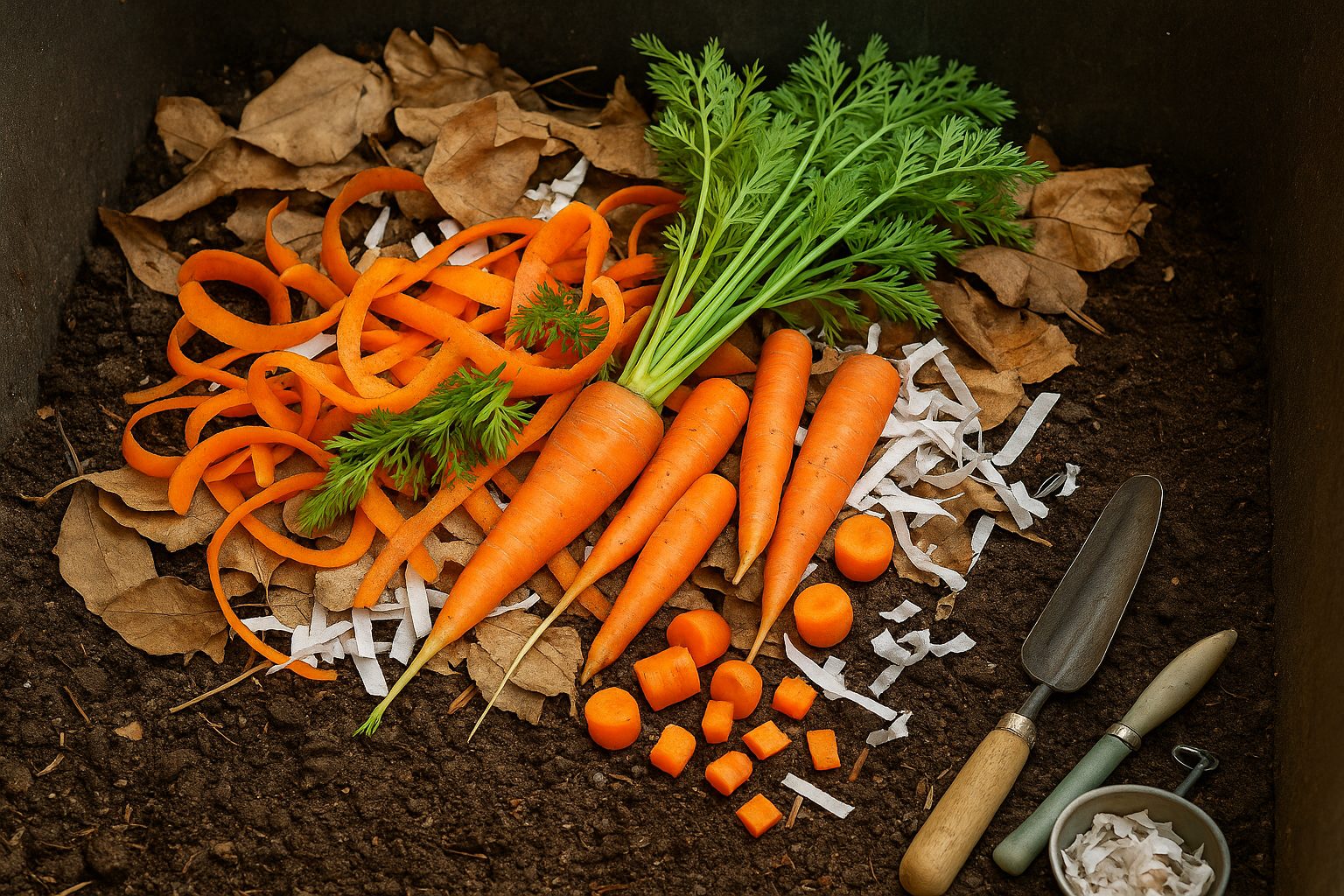
Composting carrots is one of the easiest ways to turn your kitchen scraps into nutrient-rich, garden-boosting soil. Whether it’s peels, ends, or leftover bits, carrots break down quickly due to their high moisture and nitrogen content, making them a great addition to any compost pile.
By composting carrot scraps, you’re not only cutting down on organic waste sent to landfills—where it would produce methane emissions—but also closing the loop in your home’s food cycle. The nutrients released from decomposed carrots enrich your compost, ultimately improving soil fertility for next season’s crops.
Some people worry that adding root vegetables to compost attracts pests or decomposes too slowly; however, carrots break down efficiently, especially when chopped into small pieces. Just be sure to balance your compost with enough “browns” like leaves or shredded paper to offset their moisture, and carrot scraps won’t cause any issues.
Composting carrots is a practical, eco-friendly way to recycle your kitchen waste—helping you create healthier soil while doing your part for a more sustainable planet.
How to Prepare Carrot Scraps for Composting
Carrot scraps—whether peels, tops, or small leftover pieces—are excellent “green” materials for composting because they add valuable nitrogen to your compost pile. To help these scraps break down faster, chop larger pieces and thick tops into smaller bits; this increases the surface area and speeds up decomposition.
If you have a lot of carrot peels or tops, mix them evenly into your compost instead of dumping them in a big clump. This prevents compacted, smelly piles. You can also compost cooked carrot scraps, as long as they’re not heavily seasoned with oils, butter, or dairy, which can attract pests and cause odors.
Balancing Greens and Browns
A key to successful composting is balance: greens like fresh carrot scraps provide nitrogen, but you also need carbon-rich “browns” like dry leaves, shredded paper, or cardboard. Every time you add a layer of carrot scraps, cover it with browns to keep the pile airy and odor-free.
Too many greens without enough browns can make the compost soggy and slow to process, so aim for roughly two parts brown to one part green. By preparing and layering your carrot scraps thoughtfully, you’ll create healthy, nutrient-rich compost in no time.
Composting Carrot Tops and Alternative Uses
Carrot tops are fully compostable and make a great addition to your compost bin, providing valuable nutrients for your garden. Before tossing them in, be sure to remove any rubber bands or packaging, and give the greens a good rinse to wash off any pesticide residues that could harm compost microbes.
However, don’t rush to discard carrot tops—these greens are edible and versatile. You can blend them into pestos, use them as a garnish, or add them to soups for a delicious, earthy flavor. They’re also handy as a mulch layer around other plants to help conserve moisture, or as occasional treats for herbivorous pets like rabbits and guinea pigs.
One word of caution: if carrot tops are still attached to a bit of root, they may sprout and start growing in your compost pile. To avoid this, chop the tops into small pieces before composting, ensuring they break down quickly and won’t regrow.
With these simple steps, carrot tops become a versatile resource instead of just kitchen waste.
What Not to Compost—And When “Forbidden” Items are Okay
When composting carrot leftovers, avoid tossing in any diseased carrot plants or roots, as these can spread harmful pathogens to your compost and future garden soil. Also, steer clear of oily carrot scraps, like those cooked in butter or salad dressings—they break down slowly and attract pests such as rodents.
However, if you’re using advanced or hot composting methods, where temperatures reach 130°F or higher, you can safely include small amounts of cooked or even oily carrot pieces. The heat helps kill off pathogens and speeds up decomposition.
To prevent common compost mistakes, always balance your “greens” (fresh carrot tops or peels) with enough “browns” (dry leaves, shredded paper) to avoid a soggy pile or unpleasant odors. Chop carrot scraps into small pieces to help them break down faster, and always bury kitchen waste inside the pile to discourage pests.
By following these simple tips, you’ll get the most from your carrot scraps while keeping your compost healthy and efficient.
Benefits of Composting Carrots (for Garden and Environment)
Composting carrots is a simple way to enrich your garden while making a positive impact on the environment. When you add carrot scraps or peels to your compost, they break down and release vital nutrients like potassium, phosphorus, and trace minerals. These elements help build rich, crumbly soil that retains moisture and supports healthy root systems for your plants.
For example, gardeners often find that compost containing carrot waste leads to fluffier, disease-resistant soil, resulting in bigger tomato harvests or more vibrant flower beds.
Composting carrots also reduces your environmental footprint. Food scraps that end up in landfills break down without oxygen, emitting methane—a potent greenhouse gas. By composting at home, you divert organic waste from landfills, cutting emissions while creating a natural fertilizer that supports a diverse ecosystem of worms, microbes, and insects vital to healthy soil.
Over time, these small steps can boost your garden’s productivity and resilience, all while making a real difference for the planet.
Frequently Asked Questions About Composting Carrots
Composting carrots often brings up a few key questions for beginners. Many wonder if carrot seeds can survive the composting process—good news: most seeds in kitchen scraps don’t sprout if your compost gets hot enough. However, it’s best to check your pile’s core temperature just in case.
Some fear that tossing carrots in the bin will attract pests. To minimize unwanted visitors, chop scraps into smaller pieces and keep them buried beneath brown materials like leaves or paper.
Carrots tend to break down within two to four months, but if you notice lingering scraps or a foul odor after weeks, your pile may need more balance. Mixing in extra dry materials and turning the pile regularly should help.
If you’re new to composting and aren’t sure where to start, try beginner guides like those from the EPA or your local extension office for step-by-step advice and troubleshooting support.
Get Started—Simple Guide for Composting Carrots at Home

Starting to compost carrot scraps at home is much easier than you might think. Begin by collecting your carrot peels, ends, and other veggie scraps in a countertop bin or simple bucket.
Balance these “greens” with “browns” like dry leaves, shredded cardboard, or newspaper to help break everything down. Use a garden fork or even a sturdy stick to turn your compost pile occasionally—this adds air and speeds up the process.
For beginners, a small compost bin or even a DIY pile in the backyard works well. Don’t wait—start composting today and turn kitchen waste into garden gold!