Introduction
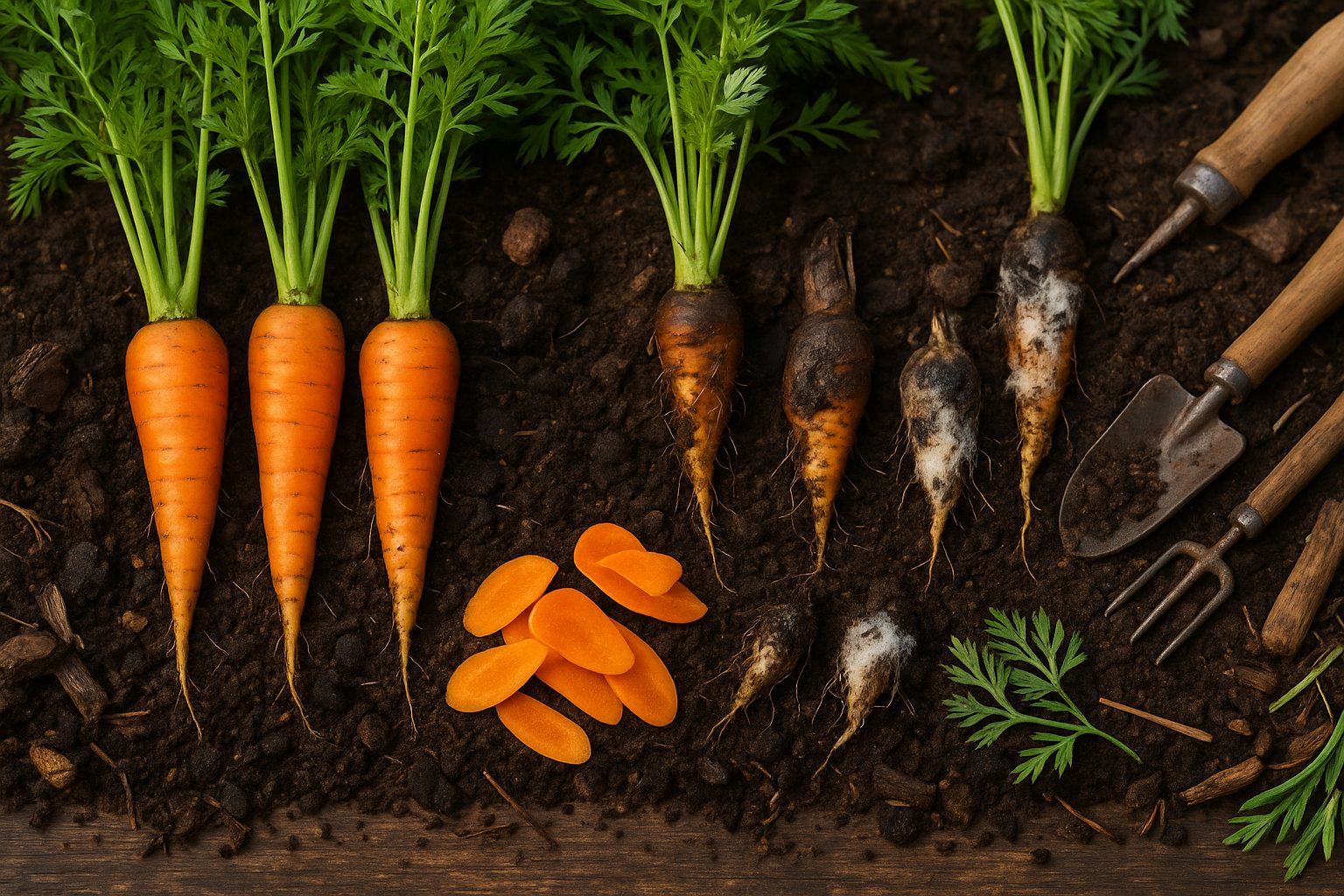
carrot root rot is a concern for many gardeners, especially when mysterious blemishes or decaying patches appear on what should be crisp, perfect carrots. You might be familiar with blossom end rot—a frustrating issue often seen in tomatoes and peppers where the bottom of the fruit turns dark and mushy due to calcium imbalances. But does this problem affect your carrot crop as well? In this article, we’ll clarify whether blossom end rot is something to worry about in carrots or if other, more likely causes are behind damaged roots.
Understanding the nuances of carrot root rot and recognizing its common symptoms is essential for every home gardener. This knowledge will help you diagnose problems accurately, make smarter gardening decisions, and grow healthy, harvest-ready carrots—without unnecessary guesswork or wasted effort. Whether you’re a newbie or an experienced grower, knowing how to spot and address root issues gives you a leg up on achieving a bountiful, trouble-free harvest.
What is Blossom End Rot? The Basics Explained
Blossom end rot is a common and frustrating plant disorder, especially familiar to gardeners who grow tomatoes, peppers, and sometimes squash. Unlike diseases caused by fungi or bacteria, blossom end rot is a physiological condition triggered mainly by a calcium deficiency in developing fruit. Plants absorb calcium from the soil through their roots, but when watering is inconsistent, soil moisture fluctuates, or calcium availability is low, the fruit—particularly its growing tip—can’t get enough of this vital nutrient.
As a result, affected fruits develop water-soaked, sunken spots at the blossom end (the end farthest from where the fruit attaches to the plant). These spots eventually turn dark and leathery and often invite secondary infections that cause further decay. Tomato and pepper growers dread blossom end rot because it can appear suddenly, ruining what seemed to be a healthy crop overnight.
What sets blossom end rot apart from fungal or bacterial diseases is that it’s not contagious; it doesn’t spread from fruit to fruit or from plant to plant. Instead, it’s directly related to the plant’s ability to transport calcium, which can be affected by erratic watering, root damage from nearby cultivation, or excessive fertilization with high nitrogen or potassium levels.
Unlike wilts, blights, or rots caused by pathogens, blossom end rot is characterized by brown or black sunken lesions located at the fruit’s blossom end, typically appearing while the fruit is still green and enlarging as it ripens.
Importantly, while blossom end rot doesn’t affect carrots the same way it does tomatoes or peppers, understanding its causes and symptoms helps root crop growers distinguish it from true carrot root rot diseases, which have different causes and require different management strategies.
Can Carrots Get Blossom End Rot?
Carrots do not develop blossom end rot in the traditional sense, unlike tomatoes, peppers, or squash. Blossom end rot is a disorder mainly seen in fruiting vegetables, caused by a localized calcium deficiency that creates black, sunken spots at the blossom end of the fruit. The main difference is anatomical: carrots are root vegetables, not fruits, so they don’t have a blossom end. Instead, carrot plants store energy in their taproot underground—the part we eat. Fruiting vegetables develop above-ground fruits with a distinct blossom end that is prone to calcium transport problems, which is why blossom end rot occurs there.
However, confusion arises because carrots can suffer from other issues—like blackened tips, root scars, or soft patches—that resemble blossom end rot. For example, carrot root rot, caused by fungal pathogens, often creates dark, mushy areas on the carrot’s surface. Environmental factors such as irregular watering, nutrient imbalances, or pest damage can also cause unsightly blemishes. Gardeners seeing these symptoms might mistakenly call them “blossom end rot” out of habit or confusion, especially since both carrot root rot and blossom end rot are associated with inconsistent or stressful soil conditions.
It’s important to correctly identify the problem in your carrots: true carrot root rot requires very different prevention and treatment methods than blossom end rot in fruits. When unsure, practice proper crop rotation, water consistently, and avoid injuring roots during cultivation to reduce the risk of carrot diseases.
Common Carrot Disorders that Mimic Carrot Root Rot
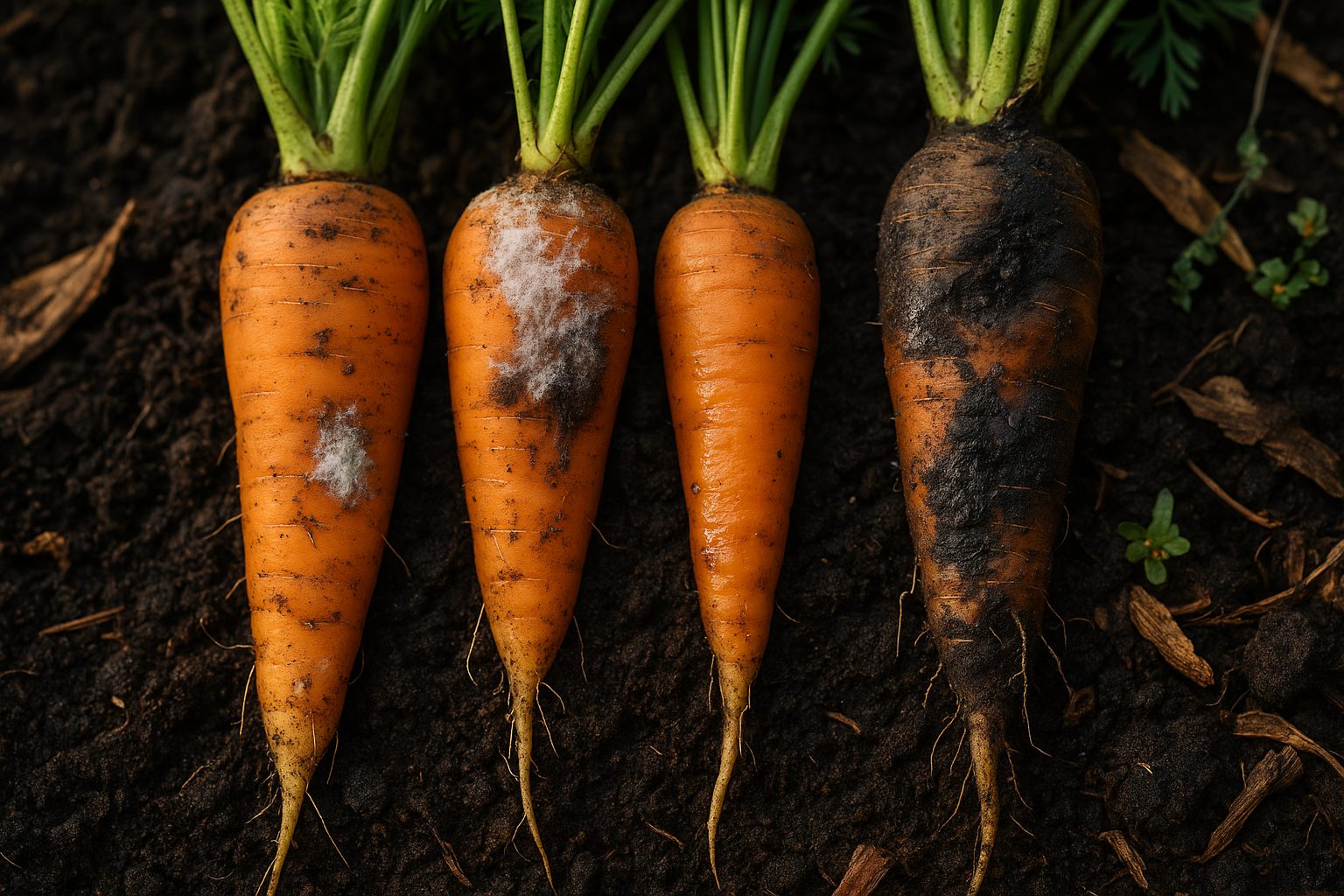
Blossom end rot is often linked with tomatoes and peppers, but when carrots develop black ends, soft spots, or root decay, these symptoms usually stem from different disorders. One of the most common is root tip rot, where the tip of the carrot darkens and softens—sometimes turning black or mushy. Root tip rot is typically caused by mechanical injuries or irregular watering. Unlike blossom end rot, which results from calcium deficiency and starts with a distinct sunken lesion at the ‘end,’ root tip rot causes a more generalized darkening and mushiness at the root tip.
Another frequent issue is cavity spot, caused by soil-borne pathogens like Pythium. Cavity spot appears as small, oval lesions along the surface of the carrot, usually slightly sunken and gray to brown in color—not restricted to the root end. These spots may merge as the problem worsens but lack the large, black, leathery patch seen in blossom end rot of other vegetables.
Bacterial soft rot is also a common problem. This disease often attacks damaged carrots in damp, warm conditions, causing sections of the root to become soft, watery, and foul-smelling. Soft rot spreads quickly and can affect any part of the carrot, resulting in a slimy texture rather than the firm, sunken area typical of blossom end rot.
Carrots may also suffer from black rot, characterized by dark, elongated lesions resembling ink stains that sometimes spread along the length of the root.
To accurately diagnose the issue, gardeners should observe whether the damage is confined to the tip or appears as isolated spots. They should also check for moisture conditions that promote bacteria or fungi and look for signs of soft, slimy decay versus leathery, sunken patches. Remember, true blossom end rot does not occur in carrots, so blackened tips or surface spots usually indicate one of these common carrot disorders rather than classic blossom end rot.
By assessing the pattern, location, and texture of the damage, you can identify the true cause and take appropriate steps—such as improving soil drainage, handling roots gently, and practicing crop rotation—to promote healthier harvests.
Causes and Prevention of Carrot Root Problems
Carrot root rot and related root issues are common frustrations for home gardeners, but understanding their causes is the first step toward healthier harvests. Unlike blossom end rot in tomatoes, which is mainly linked to calcium deficiency, carrots usually suffer from root problems due to several factors: nutrient imbalances, inconsistent soil moisture, and soilborne pathogens.
Poor soil preparation is a leading culprit—carrots thrive best in deep, loose, well-drained soil that’s free of stones and compacted layers. Heavy or clay-rich soils not only stunt root growth but also retain excessive moisture, increasing the risk of fungal diseases like Pythium and Rhizoctonia that cause carrot root rot. Another contributing factor is erratic watering; carrots need consistent moisture, especially during germination and early growth. Allowing soil to dry out and then watering heavily can lead to splitting, stunted roots, or conditions that promote rot.
Proper nutrient balance is also key. While calcium deficiency doesn’t cause blossom end rot in carrots as it does in tomatoes or peppers, calcium remains vital for overall root development and resilience against cracking and some physiological disorders. Conduct a soil test before planting and amend as needed, providing balanced, slow-release organic fertilizers. Excessive nitrogen—often found in fresh manure or overapplied chemical fertilizers—can encourage forked and hairy roots and increase susceptibility to certain diseases.
Rotate carrots with non-root crops each season to break pest and disease cycles, ideally waiting at least three years before planting carrots in the same spot again. Incorporate organic matter like finished compost prior to sowing; this improves drainage and introduces beneficial soil microbes, making roots less inviting to pathogens. After seedlings emerge, mulch to help regulate soil moisture and suppress weeds, but keep mulch thin to avoid persistent dampness that could encourage rot.
Stay vigilant for early symptoms of carrot root rot—such as yellowing foliage, wilting, or soft, discolored patches on roots—and remove affected plants promptly to prevent disease spread. Above all, a combination of careful soil preparation, consistent watering, crop rotation, and balanced nutrition provides the best defense against common carrot root issues. With these strategies, home gardeners can look forward to a robust and healthy carrot harvest each season.
What to Do If Your Carrots Have Black or Decayed Ends
If you notice black or decayed ends on your carrots, you’re probably dealing with carrot root rot rather than blossom end rot. Begin by assessing the damage on each carrot as you harvest. If only the very tip shows minor discoloration but the rest of the carrot is firm, you can salvage it by cutting off the affected portion and using the healthy part soon after.
However, carrots with extensive black, mushy, or foul-smelling rot should be discarded immediately, as they may contain harmful pathogens that aren’t safe to eat or compost. After removing affected crops, make sure to thoroughly clean all gardening tools to prevent spreading soil-borne diseases.
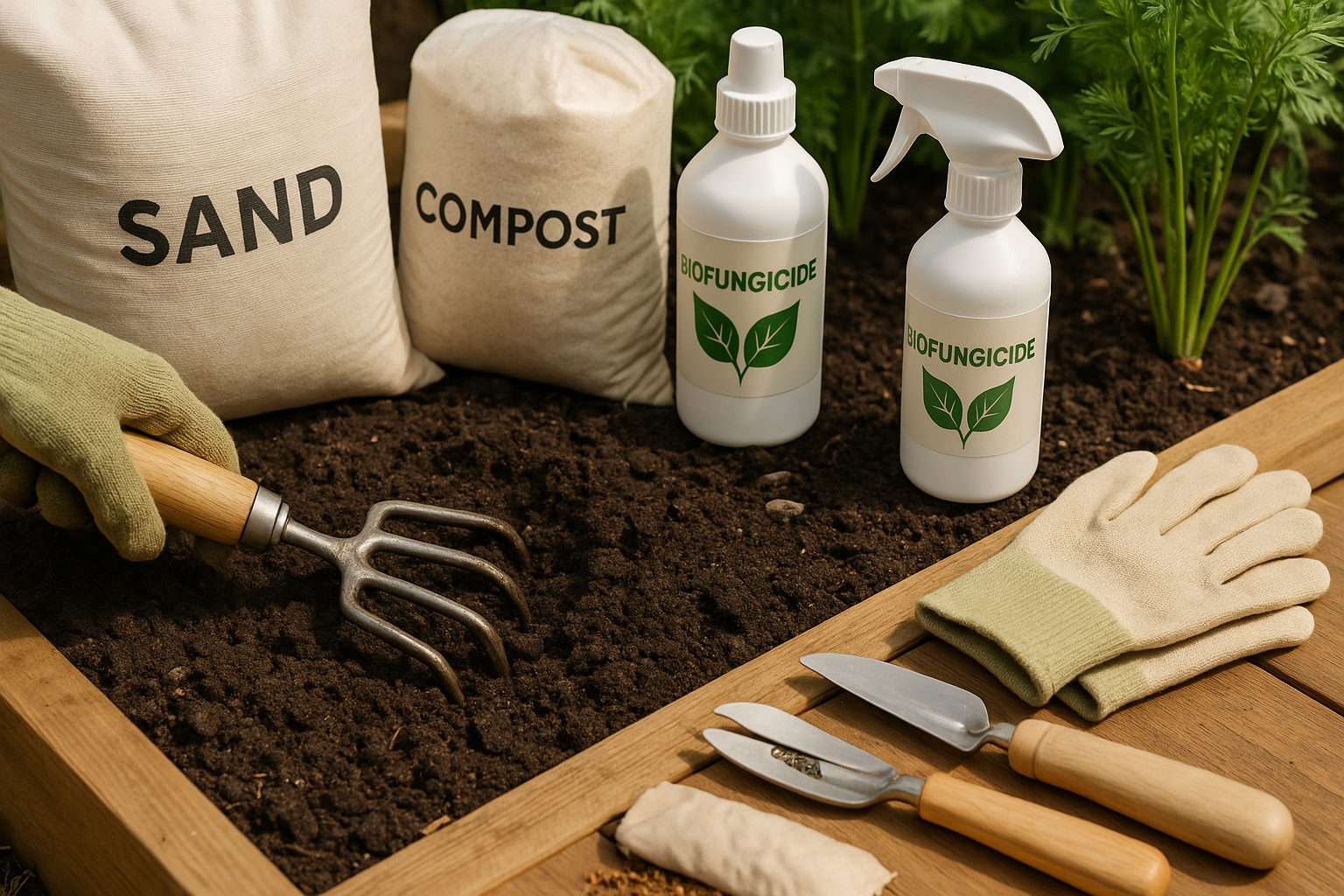
For a longer-term solution, consider testing your soil for issues like poor drainage, excess moisture, or nutrient imbalances, since many root rots thrive in wet, compacted soil. Based on the results, amend your soil with organic matter such as compost or well-rotted manure to improve texture and drainage.
Some gardeners find that raised beds help carrots grow better by making it easier to control moisture and soil quality. Adjust your watering routine to keep soil consistently moist but never soggy—deep, less frequent watering is usually better than shallow, frequent watering.
Rotate your carrot crops with unrelated plants each year to reduce the buildup of pathogens, and always remove plant debris at the end of the season. By combining these immediate steps with proper soil care, you can minimize carrot root rot problems and grow healthier crops in future seasons.
Conclusion & Key Takeaways
While blossom end rot is a common issue in tomatoes and peppers, it doesn’t affect carrots—since carrots don’t have a blossom end. However, similar symptoms, such as soft, darkened tips or rotting sections of carrot roots, often result from carrot root rot or other fungal infections. To keep your carrots healthy and prevent these problems, focus on providing loose, well-drained soil, properly spacing seeds, and avoiding overwatering.
Rot problems usually occur when soil remains soggy, so make sure your garden bed drains well and water only when necessary. Rotating carrot crops annually limits disease buildup, and practicing good garden hygiene—like removing plant debris—helps protect your harvest. Early detection is key: regularly pull a few carrots to check their health and catch issues before they spread. Watch for soft spots or unusual smells, and if you notice anything suspicious, promptly remove and destroy affected roots. Adjust your watering and cultivation habits accordingly.
Accurate identification is essential since confusing different root problems can lead to ineffective treatments. Stay proactive with monitoring, and your carrot crops will stay crisp, sweet, and healthy all season long.