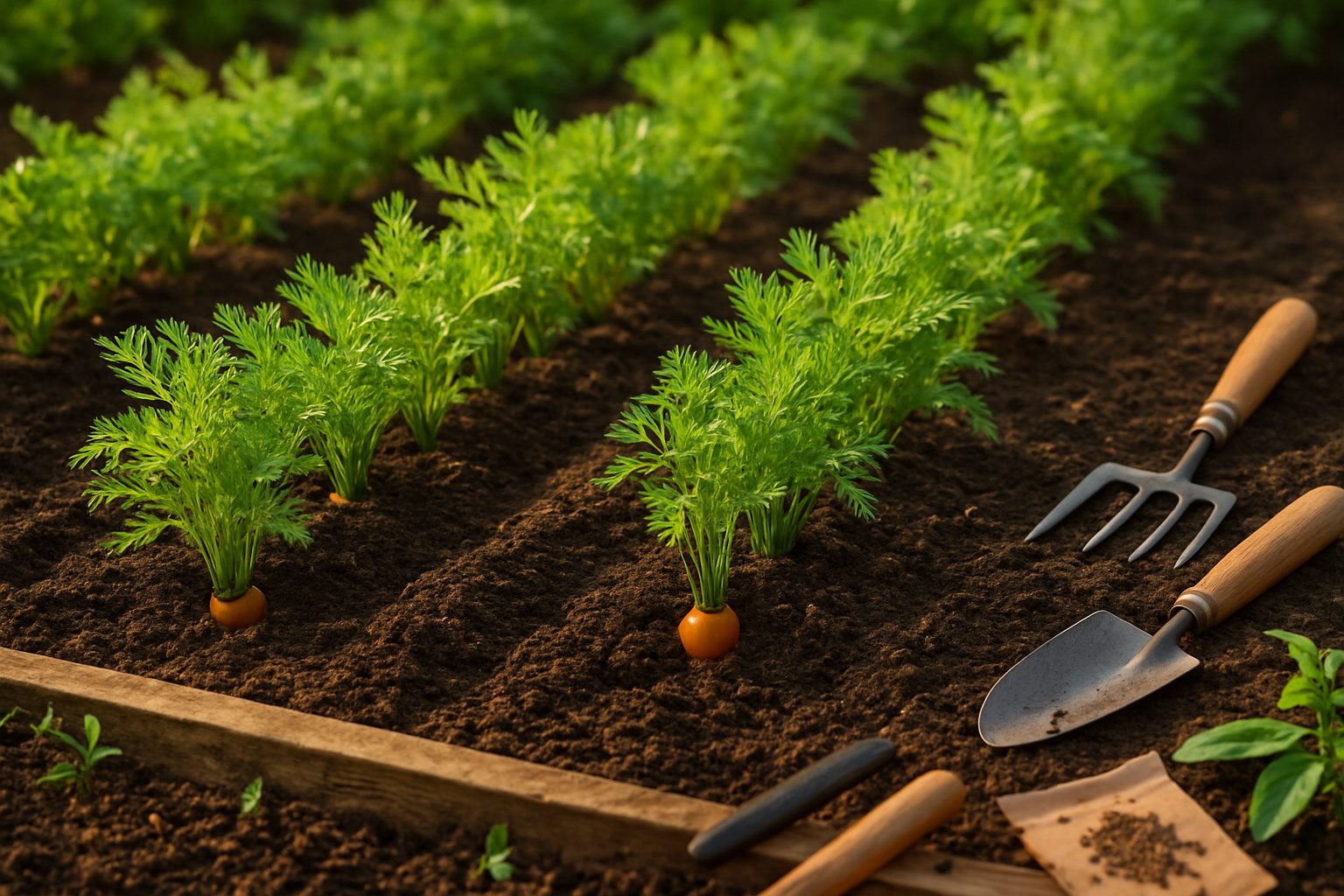
Understanding Carrot Growth Basics
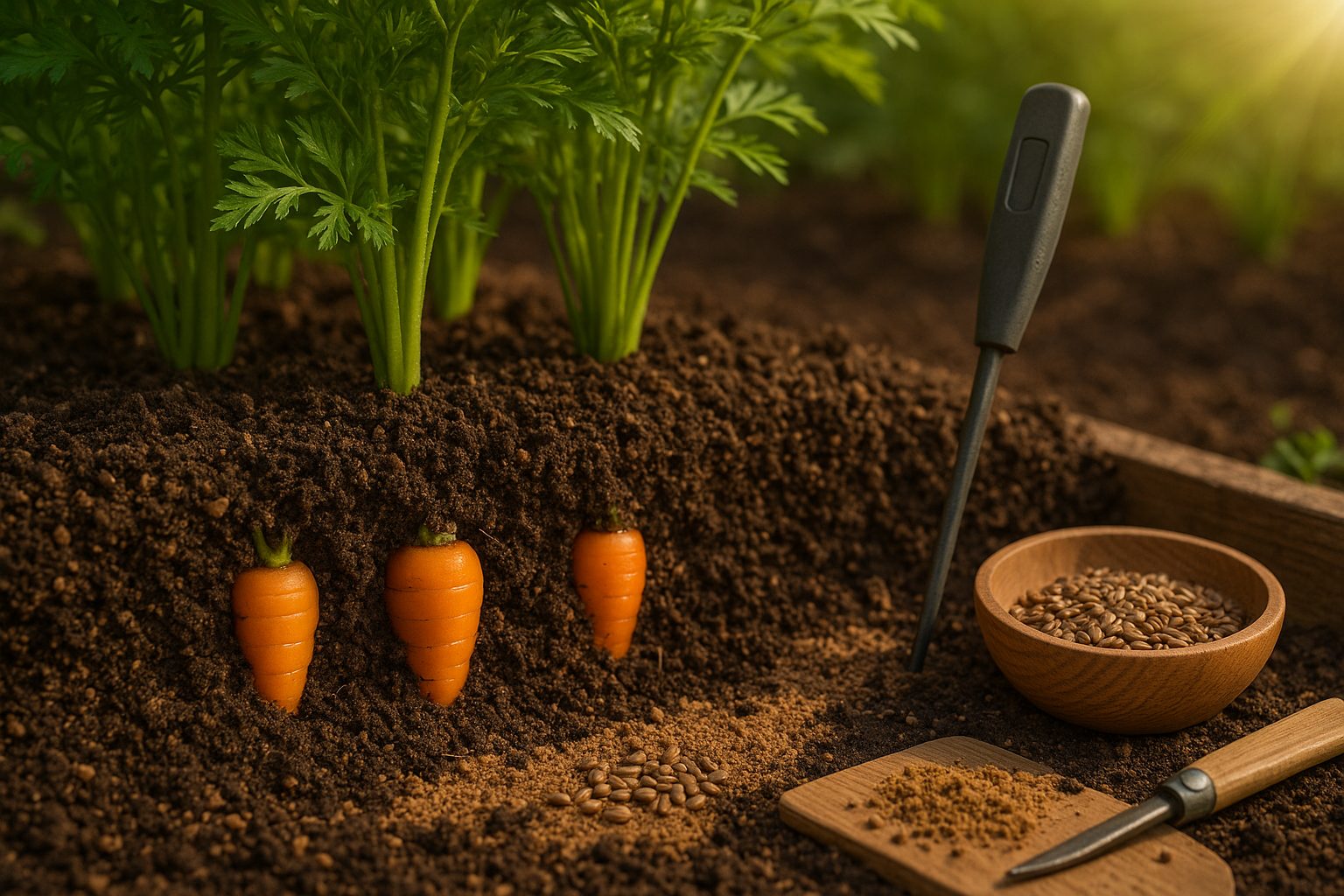
carrot germination problems can frustrate even experienced gardeners, often resulting in thin, patchy rows and wasted effort. To achieve a healthy stand of carrots, it’s crucial to understand the basics of carrot growth before jumping to solutions.
Carrots need loose, well-drained soil that’s free of stones to allow their delicate roots to penetrate and develop properly. Direct sunlight is essential—at least 6 hours daily—so choose a spot in your garden that isn’t shaded by taller plants or structures. Water is another make-or-break factor: carrot seeds require consistent moisture to sprout, but not so much that the soil becomes soggy.
Timing is everything; you’ll want to plant when soil temperatures are ideally between 50°F and 85°F (10°C to 29°C). Avoid both frosty and sweltering conditions, as extreme temperatures can prevent seeds from germinating or emerging healthy. Choosing high-quality, fresh seeds is equally important, since older or improperly stored seeds often have low viability.
Different climate zones also play a role. Sow in early spring in cool climates and late summer for fall crops in warmer areas, as hot weather can cause sporadic or failed germination. Understanding the carrot’s life cycle—from slow-sprouting seed, through the delicate seedling stage, to the swelling root beneath the soil’s surface—can help you time interventions and set realistic expectations.
When you know these essential requirements and stages, you’ll be better equipped to identify which part of the process might be causing trouble. This way, instead of guessing, you can troubleshoot based on informed understanding—an approach that leads to better harvests and a lot less frustration.
How to Get Your Carrot Seeds to Germinate Successfully
Carrot seeds can be notoriously finicky, and if your rows look disappointingly bare, you’re not alone—germination problems are common but often fixable. One culprit is seed dormancy: carrot seeds naturally take longer to wake up than some other veggies, sometimes up to three weeks. Don’t lose hope if you don’t see sprouts right away!
Another big factor is soil temperature and moisture; carrots prefer soil between 55°F and 75°F. If it’s too cold, seeds snooze; too hot or dry, and they dry out before sprouting. Try sowing seeds in early spring after the last frost, and keep the top inch of soil consistently moist with gentle watering or by laying a row cover over the bed to lock in moisture. Seed age also matters: older carrot seeds lose viability fast, so always buy fresh packets for the best results. Shallow planting is key—carrot seeds need to sit just 1/4 inch deep, so don’t bury them. If seeds are too deep, tiny sprouts can’t reach the surface.
Protecting Your Seeds from Pests
Pests like ants or birds can also be stealthy thieves, snatching seeds or nibbling off seedlings before you see them. To outsmart them, lightly cover your rows with row covers or even a thin board after planting to keep critters out and moisture in (just remember to remove the cover once you see sprouts).
Tips for Faster Germination
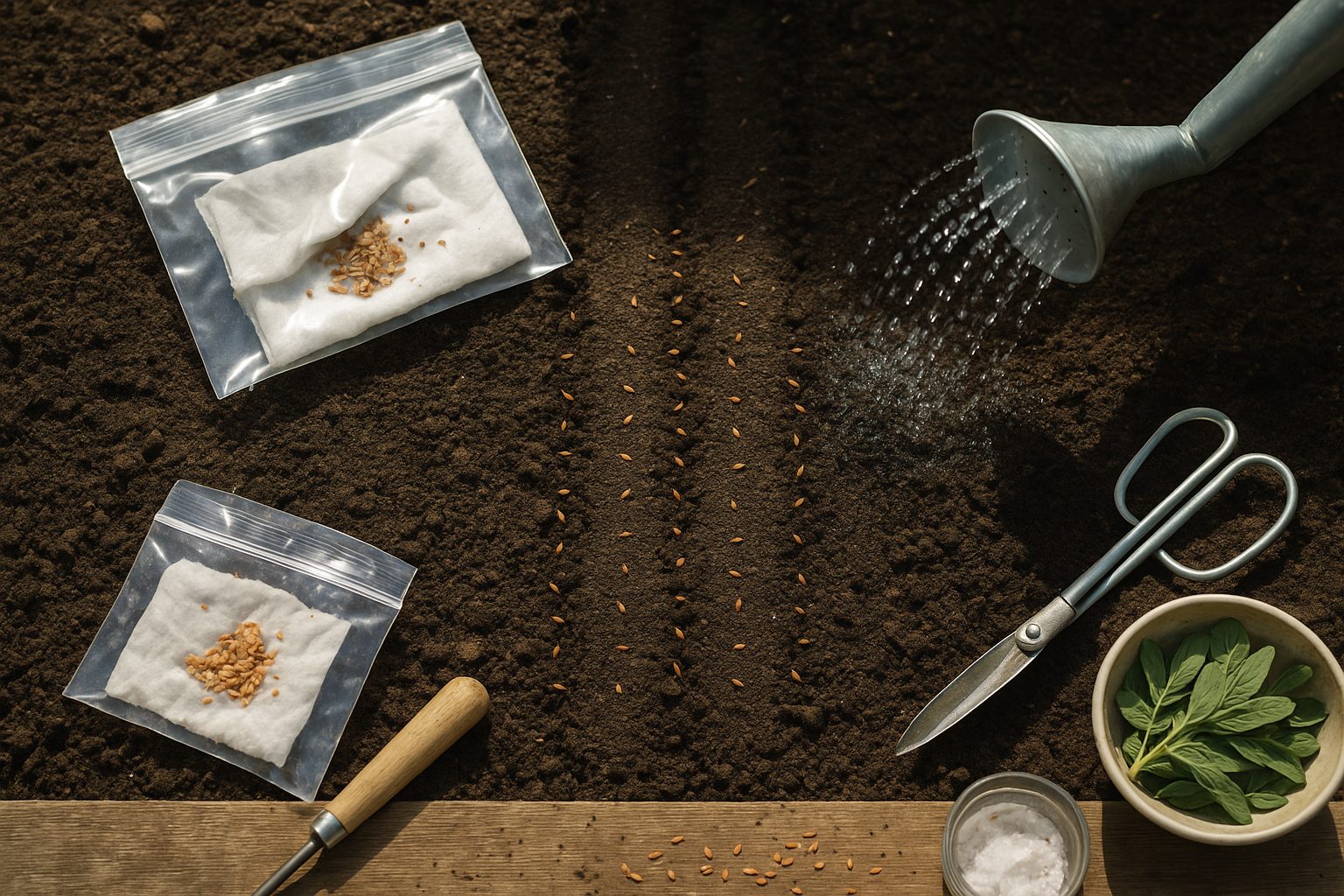
For rapid germination, try pre-sprouting seeds: place them between moist paper towels in a plastic bag for a week, then sow as soon as you see tiny roots. This head start can shave several days off the usual germination time.
Preparing the Soil
Good soil prep is vital, too: remove rocks and clumps, loosen soil at least 12 inches deep, and mix in some compost to create a fine, fluffy top layer.
Carrot Seed Germination FAQs
- How long do carrot seeds usually take to germinate? Typically 10 to 21 days.
- What do I do if nothing comes up after three weeks? Check soil moisture, temperature, seed depth, and try digging up a spot to inspect whether the seeds show signs of rot or are missing entirely.
- Can I speed things up? Yes, pre-sprouting or soaking seeds overnight before sowing helps, as does keeping the soil evenly damp and mulching lightly to prevent surface drying.
Final Tip
Sow carrot seeds every two weeks during the early season for a continuous harvest and to hedge your bets in case the first round runs into trouble. With a little troubleshooting and patience, your next carrot crop will be off to a strong, healthy start.
How to Care for Carrot Seedlings
Carrot seedlings are delicate in their early days, and growers often encounter issues like damping off, weak or spindly growth, and poor root formation.
Common Problems
- Damping off: This fungal disease causes seedlings to suddenly wilt and collapse, often thriving in persistently wet and cool soils.
- Weak or stretched seedlings: These usually indicate too little sunlight or soil that’s too rich in nitrogen, encouraging leafy growth at the expense of roots.
- Poor root formation: This can result from compacted soil or overcrowded seedlings competing for space and nutrients.
Contributing factors often include overwatering, lack of drainage, dense sowing, and forgetting to thin young plants.
Tips for Healthy Seedlings
- Sow carrot seeds in loose, well-drained soil—adding sand to heavy soil can help improve drainage.
- Water sparingly but regularly, aiming for moisture without saturation.
- Always use sterilized pots or trays when starting seeds indoors to prevent disease.
- Thin seedlings when they’re about two inches tall, leaving two to three inches between them so each plant has room to develop strong roots.
- Avoid fertilizers high in nitrogen; instead, opt for balanced compost worked into the top layer before sowing.
- In wet climates, use raised beds or ridges to prevent the soil from becoming waterlogged.
By focusing on proper spacing, drainage, and soil structure, you give your carrots the best chance to grow healthy, robust roots.
Why Your Carrots Are Misshapen, Split, or Stunted—and How to Fix It
Misshapen, split, or stunted carrots can be disappointing after months of care, but understanding why these issues happen helps you grow a better crop next time. Forking, twisting, or splitting usually occurs when young carrot roots hit physical barriers—like rocks, clay clumps, or compacted soil. The roots then grow around these obstacles, causing multiple “legs” or bent shapes.
Small or stunted carrots often point to incorrect planting depth, crowded seedlings, uneven watering, or poor soil nutrition. For example, sowing seeds too close together or not thinning seedlings early enough means roots compete for space and nutrients, leading to a tangled or undersized harvest. Inconsistent watering—letting soil dry out and then flooding it—can cause rapid growth spurts that split the carrots or make them tough and woody.
How to Prevent Carrot Problems
Start by preparing your soil properly:
- Use a garden fork to loosen the top 12–15 inches of soil.
- Remove stones, debris, and break up clumps to let roots travel freely.
- Carrots need loose, sandy, well-drained soil so roots can grow without resistance.
- Add compost to boost fertility, but avoid fresh manure or high-nitrogen fertilizers before planting—they encourage too much foliage and can deform carrots.
When sowing, thin seedlings to about two inches apart once they’re a couple inches tall. It might feel harsh, but cramped roots rarely develop well. Keep watering regular and even—set reminders to maintain consistently moist soil, not soggy or dry—especially early on. Adding a mulch layer helps regulate moisture and reduces soil crusting, which can choke developing roots.
Fixing Mid-Season Issues
If you notice underdeveloped or deformed carrots mid-season, it’s not too late to check what’s going on. Gently loosen soil around a few plants to see if roots hit hardpan or dense clay. If so, try double-digging or raised beds next season—carrots thrive in deep, loose soils. Improve soil texture and drainage by amending with sand or well-rotted compost for future crops.
If leaves look pale or growth seems slow, a balanced organic fertilizer or side-dressing with compost might help correct nutrient imbalances after roots are established—just avoid overfeeding. For persistent problems, crop rotation breaks cycles of diseases or pests that can stunt carrots year after year.
Keep Track to Improve
Document what works and what doesn’t each season. Successful gardeners rely on a bit of trial and error, and your observations will help fine-tune your carrot-growing technique over time. By prioritizing soil quality, steady moisture, and proper spacing, you’ll set up your next batch of carrots to grow straight, solid, and full of flavor.
How to Avoid Discolored, Bitter, and Woody Carrots
If you’ve ever pulled a carrot from your garden only to find green tops or a vibrant green core, you’re not alone—this discoloration is a common issue caused by sun exposure. When the upper parts of carrots are exposed to sunlight, they produce chlorophyll (the same pigment in leaves), resulting in green coloring and often a bitter taste.
This exposure happens when the shoulders of carrots peek above the soil, which is easy to prevent by mounding soil around them as they grow—a practice called “hilling.”
Another frustrating discovery is carrots that taste woody or overly bitter, which often means they stayed in the ground too long. Carrots are best harvested when they reach the recommended size for their variety—usually around two months after sowing—because leaving them to grow much longer leads to tougher tissues and stronger, less pleasant flavors.
Woody, misshapen, or split roots can also result from inconsistent watering or heavy, compacted soil. To avoid this, aim to keep the soil loose and provide steady, deep watering rather than shallow, frequent sprinkles.
Tips for Healthy, Tasty Carrots
- Check your seed packets for optimal harvest windows.
- Keep an eye on size by gently brushing away a bit of soil at the crown.
- Harvest in the cool early morning when carrots are at their crispest.
- Practice regular hilling to prevent sun exposure on the carrot shoulders.
- Maintain consistent watering with deep, steady moisture.
With these simple practices—consistent harvesting, regular hilling, and attentive watering—you can avoid discolored, tough, or oddly shaped carrots and enjoy sweet, crisp ones straight from your garden.
Keeping Your Carrot Crops Healthy
Keeping your carrot crops healthy means staying vigilant against common pests, diseases, and environmental stresses.
Common Pests
Carrot fly is a notorious pest; its larvae burrow into carrot roots, leaving rusty tunnels and causing plants to wilt or smell unpleasant. To identify it early, look for yellowing leaves and stunted growth. Prevent carrot flies organically by covering your crops with fine mesh or horticultural fleece right after sowing—these barriers block adult flies from laying eggs near your carrots. Try growing carrots alongside strong-smelling plants like onions and chives, as their scent confuses the flies and reduces attacks.
Another enemy to watch for is aphids; clusters of these small, green insects can weaken carrots by sucking sap. Hosing them off with water or introducing natural predators like ladybugs helps keep numbers down without chemicals.
Common Diseases
Diseases are another challenge, with damping off being especially destructive to seedlings. Damping off causes young plants to suddenly collapse, with dark, soggy patches at the soil line. This is often due to overly wet conditions and poor air circulation.
To prevent it, always use clean seed trays and fresh, sterile compost. Water seedlings at the base in the morning, allowing foliage to dry and minimizing fungal spread. Practice crop rotation to reduce disease buildup in the soil, and avoid crowding seedlings by thinning them early. If you notice any affected seedlings, remove and discard them right away to protect the rest of your crop.
Environmental Stresses
Environmental stresses can quickly undermine your efforts, particularly drought and temperature swings. Carrots grow best in consistently moist, loose soil—dry spells lead to split roots or stunted growth. Mulch your carrot beds with straw or leaf mold to lock in moisture and keep soil temperature steady, easing stress during hot or dry periods.
Water deeply but infrequently to encourage carrots to develop long, strong roots that are more resilient to temporary dryness. Sudden temperature drops or late frosts can also damage young plants; using cloches or cold frames provides extra protection during unpredictable spring weather.
Finally, ensure your garden soil is well-drained and free of stones, not only to prevent waterlogging but to help roots grow straight and stress-free. Regular monitoring, simple barriers, crop rotation, and organic care go a long way in safeguarding your carrots from pests, diseases, and the challenges of changing weather.
Growing Carrots: A Beginner’s Guide
If you’re new to growing carrots, start by sowing seeds directly in loose, well-watered soil as soon as the ground has thawed—usually a few weeks before your area’s last spring frost. Carrot seeds can be slow to germinate, often taking 2-3 weeks. To speed this up, keep the soil consistently moist but not soggy, and consider covering the seedbed with a thin board or burlap to retain moisture. Remove the covering once you see sprouting.
When seedlings are about two inches tall, thin them out so there are two to three inches between each plant. Crowding leads to stunted, twisted roots, so don’t skip this step—even if it feels wasteful, thinning is key for straight, healthy carrots.
For fertilizing, focus on well-balanced, low-nitrogen fertilizers. Too much nitrogen encourages leafy tops instead of robust roots: opt for a 5-10-10 blend or add compost, but avoid fresh manure, which can also cause carrots to fork or grow strange shapes.
If you do notice your carrots coming up forked, stubby, or oddly shaped, the most common culprit is rocky, compact, or clay-heavy soil—roots will split or turn to avoid obstacles. Next season, sift out rocks and loosen the bed to at least 12 inches deep.
Overcrowding and inconsistent watering can also stress carrots, so space seeds properly and aim for steady, moderate moisture throughout their growing cycle.
If all else fails, remember that even weird-looking carrots are perfectly edible, often sweeter than store-bought, and make for a great talking point at the dinner table.