Introduction
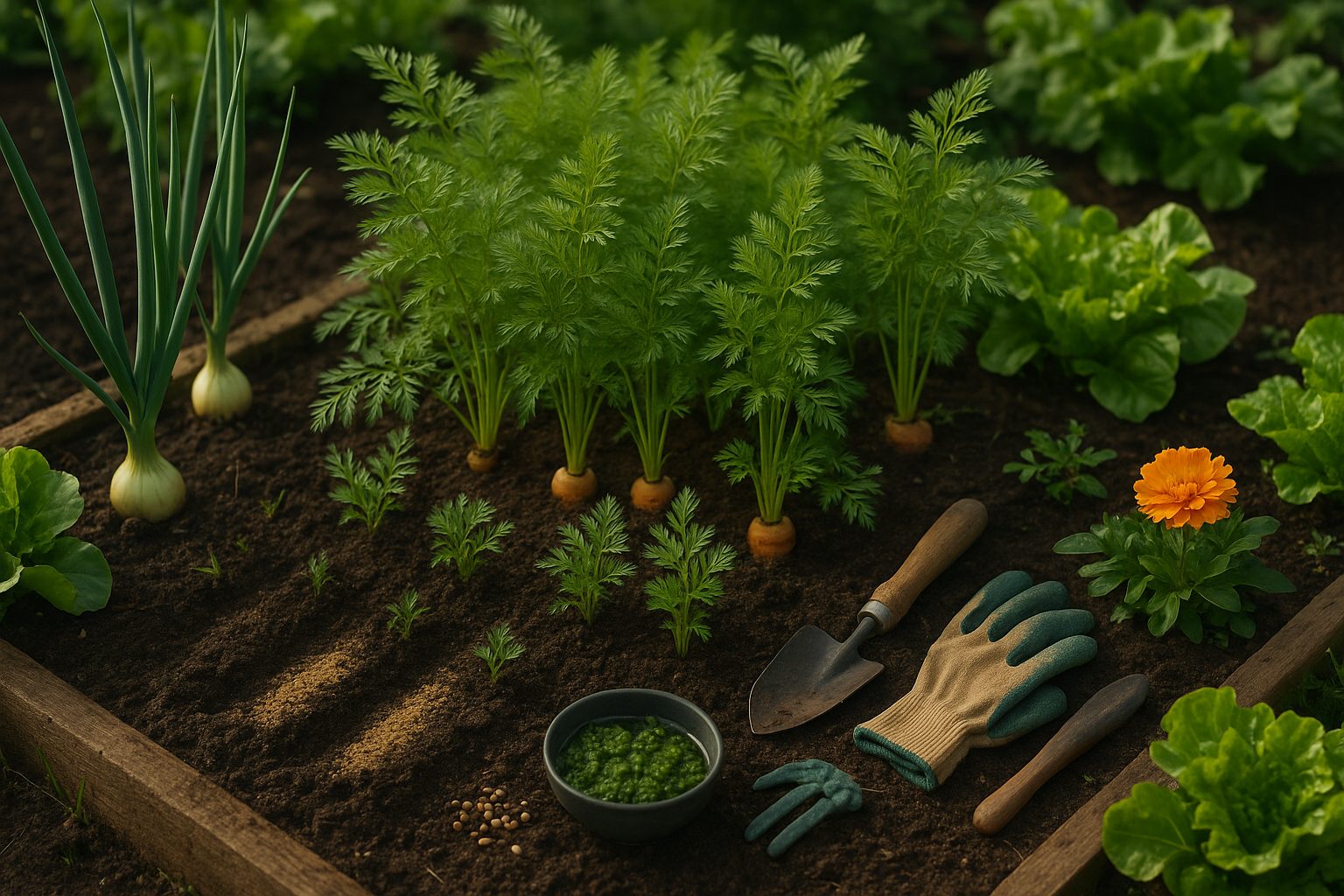
If you’re looking to get the most out of your veggie patch, understanding carrot companion plants can be a game-changer. Companion planting—pairing carrots with the right garden neighbors—boosts carrot growth while naturally deterring pests, improving soil quality, and making smart use of your garden space.
For example, planting carrots near onions or leeks helps keep carrot flies at bay, while pairing them with legumes can improve soil nutrients thanks to nitrogen-fixing bacteria. On the flip side, some plants, like dill or parsnips, can stunt carrot growth or invite more pests, so choosing the right companions really matters.
In this article, we’ll dive into the proven benefits of companion planting, then walk you through the best plants to grow alongside your carrots and the ones you should definitely avoid. Whether you’re a beginner or an experienced gardener, you’ll get practical tips and specific pairings that can help you grow healthier, tastier carrots—no chemical pesticides required.
By the end, you’ll know exactly how to set up your carrot patch for success using time-tested companion planting techniques.
Best Companion Vegetables for Carrots

Growing carrots alongside the right companion vegetables can boost their health, yield, and flavor, while naturally managing pests. Onions and leeks are especially smart carrot neighbors, as their strong scents mask carrot odors and deter pests like the notorious carrot fly.
Lettuce and radishes are also valuable partners. Planting quick-growing radishes or leafy lettuce between carrot rows creates living mulch that shades the soil, conserves moisture, and uses shallow root systems that don’t compete with your deeper-rooted carrots.
Bush beans enrich the soil by fixing nitrogen, providing nutrients that benefit hungry carrot plants. Tomatoes make good companions too—their bushy foliage can confuse pests and offer just enough dappled shade to keep carrots cool during hot spells.
For the best results, try planting carrots in single or double rows about 12 inches apart, interspersed with rows of onions or leeks. Lettuce or radishes can be broadcast or sown thinly between rows to maximize space.
Bush beans should be planted toward the edges or at the ends of carrot beds to avoid shading the roots, while tomatoes can be set at the sunny end of your patch, spaced about 18–24 inches apart.
Rotate positions seasonally to prevent soil-borne diseases and replenish nutrients. This thoughtful mix helps each crop pull its weight—onion family plants ward off pests, quick growers fill gaps before carrots mature, and beans nurture the soil—creating a thriving, diverse vegetable patch that’s far more resilient than carrots grown solo.
Top Herbs and Flowers to Grow with Carrots
When it comes to growing healthy, productive carrots, companion planting with the right herbs and flowers can make a big difference.
Marigolds are a top choice for bordering carrot beds because their vibrant blooms do more than add color—they also repel common carrot pests like nematodes, aphids, and carrot flies with their strong scent.
Rosemary and sage, with their woody stems and aromatic leaves, act as natural deterrents against carrot flies and other harmful insects that might threaten your crop. Planting these herbs near your carrots or in nearby containers can help keep pests at bay, and the added bonus is having fresh rosemary and sage just steps away from your kitchen.
Chives and oregano are also excellent carrot companions. Chives discourage aphids and improve the overall resilience of carrots, while oregano attracts pollinators and other beneficial insects that help maintain a healthy garden balance. Plus, planting chives near carrots is said to subtly enhance the carrots’ flavor, making your harvest even more delicious.
Try tucking chive or oregano clumps between carrot rows or using them as a living border at the edge of your beds.
For a functional and beautiful patch, mix marigolds throughout your carrot plot and alternate rows of carrots with strips of hardy herbs like rosemary and sage. This interplanting method saves space, maximizes benefits, and keeps your garden visually appealing all season long.
Whether you have a raised bed or a backyard plot, these companion plants are easy to grow and make caring for carrots simpler, offering natural pest protection, a boost for pollinators, and subtle enhancements to flavor and garden appeal.
Bad Companions: What Not to Plant with Carrots
When planning your carrot patch, it’s important to steer clear of a few common garden companions that can cause more harm than good. Dill, for example, secretes substances that inhibit carrot growth and stunt your harvest. Fennel competes heavily for nutrients and can overpower your carrots thanks to similar root structures. Coriander (cilantro) is known for attracting the same pests that plague carrots, such as the carrot fly, leading to bigger pest problems. Parsnips might seem like an obvious companion due to their close relation, but they’re actually a risky match: both plants are susceptible to similar diseases, which can quickly spread between them. Always double-check before planting to give your carrots the best chance to thrive.
Here’s a Quick Reference Chart for Harmful Carrot Companions:
| Plant | Reason to Avoid |
|---|---|
| Dill | Growth inhibition |
| Fennel | Nutrient competition |
| Coriander | Attracts carrot pests |
| Parsnips | Shared diseases and pest problems |
By keeping these combinations apart, you’ll help your carrots grow straighter, stronger, and healthier—resulting in better yields and much less hassle down the road.
Understanding Why These Combinations Work
Companion planting works thanks to several fascinating scientific principles that help plants grow healthier and more resilient together. One key concept is allelopathy, where certain plants release natural chemicals through their roots or leaves that can suppress pests or hinder the growth of unfriendly plants nearby.
For example, alliums like onions and leeks contain sulfur compounds that deter pests such as carrot flies; studies have shown these compounds mask the scent of carrots, making it harder for carrot flies to locate them.
Another principle involves shade and moisture interactions—plants with taller, bushier foliage can provide a living mulch, shading carrot tops, which keeps soil moist and suppresses weeds. Root behavior also plays a significant role, as pairing plants with different root depths, like carrots (deep-rooted) and lettuce (shallow-rooted), allows them to share soil resources without competing directly.
Specific companion options have demonstrated real pest-repellent abilities. Marigolds, for instance, are well documented for producing substances in their roots that deter nematodes harmful to carrots; a study by Ploeg and Maris (1999) showed that marigold root exudates suppress nematode populations in the soil. Similarly, planting sage or rosemary near carrots can help repel aphids thanks to their strong aromatic oils.
These scientific insights explain why diverse plantings aren’t just folklore—research supports that strategic plant pairings can naturally boost carrot growth, minimize the need for pesticides, and make your garden more productive and resilient. So, next time you plan your carrot patch, remember that choosing the right neighbors isn’t just good advice—it’s backed by plant science.
How to Plan and Plant a Carrot-Friendly Garden Bed
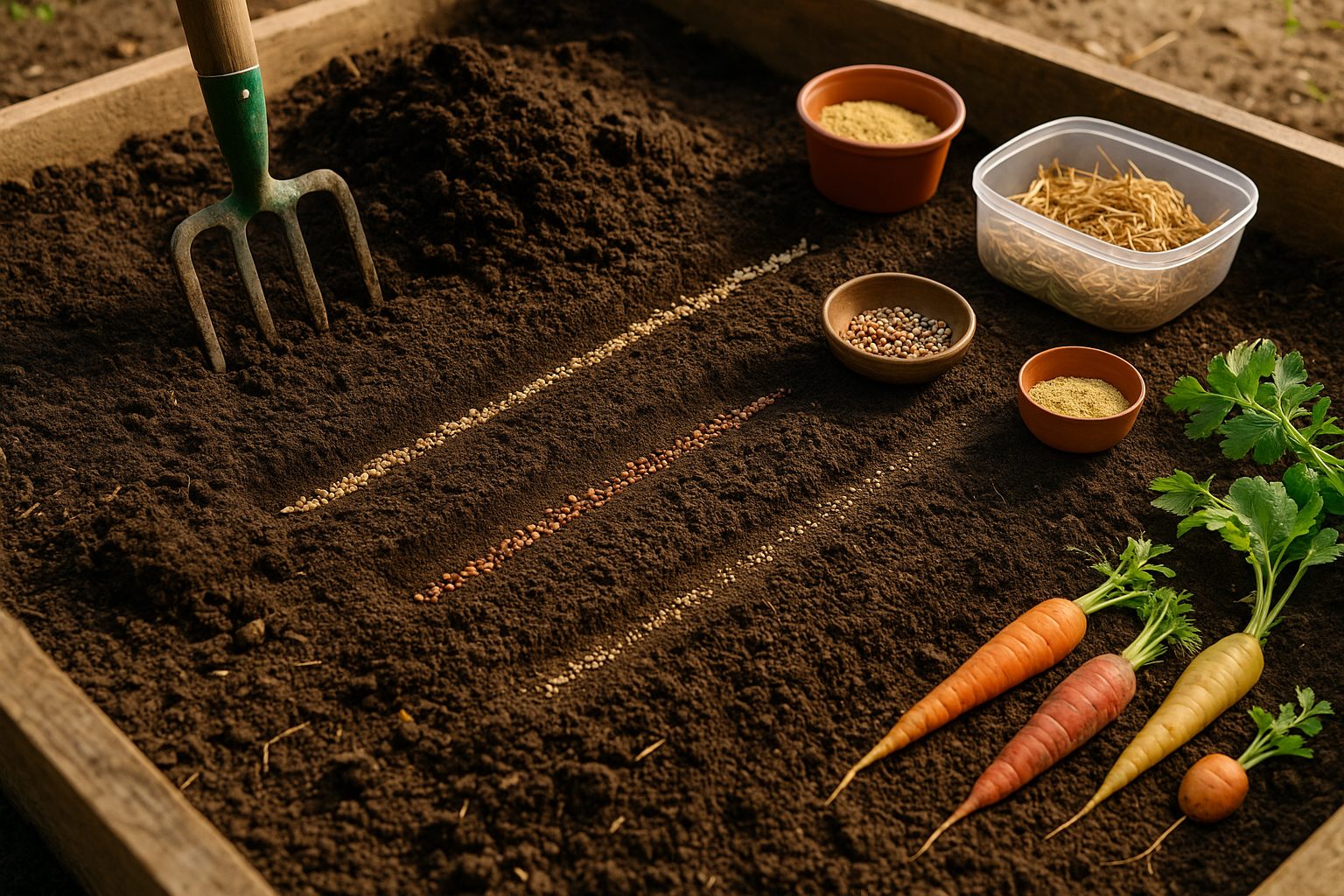
Start by selecting a sunny spot for your carrot bed, as carrots need at least six hours of direct sunlight each day to grow well. Look for an area with well-drained soil—heavy clay or stony soils can cause carrots to grow misshapen.
To prepare the bed, loosen the soil to a depth of 12 inches and mix in compost to boost fertility and improve drainage. Avoid adding fresh manure, as it can cause the roots to fork. Remove any rocks, roots, or debris that could obstruct carrot growth.
When planning your layout, keep in mind that carrots benefit from the company of certain companions, such as onions, leeks, and radishes, which can help deter pests and maximize your harvest. For example, interplant radishes among carrots; radishes germinate quickly and break up the soil, allowing carrots to grow straighter. Plus, their faster harvest time frees up space as carrots mature.
Sow carrots in thin rows, spacing seeds about 2 inches apart to reduce overcrowding and minimize thinning later on. Time your planting for early spring, as soon as the soil can be worked, or again in late summer for a fall crop. Carrots are frost-tolerant and often taste sweeter after cold spells.
Rotate your carrot bed each year to minimize disease and pest buildup. Avoid planting carrots where you recently grew other root crops like parsnips or beets.
To extend your harvest, consider succession planting by sowing small patches every two to three weeks until midsummer. This approach gives you a steady supply of fresh carrots instead of one big harvest all at once, allowing you to enjoy their crisp, sweet crunch well into the fall and early winter.
Care and Maintenance Tips for Carrot Companions
Caring for carrots alongside their companion plants means adjusting your maintenance routine to suit the unique needs of each neighbor. Start with watering: carrots prefer consistently moist soil, but overwatering can invite rot, especially if you’re growing moisture-loving companions like onions or leeks. Check the top inch of soil—if it feels dry, it’s time to water, aiming for a deep soak rather than frequent light sprinklings.
Keep weeds in check, as dense weeds compete with both carrots and companions for nutrients. A light mulch layer helps, but avoid piling it up around the stems of moisture-sensitive herbs like dill.
Fertilizing should be gentle—carrots thrive on phosphorus and potassium but don’t need much nitrogen. Use compost or a balanced organic fertilizer. If you’ve planted legumes such as beans nearby, they will naturally add nitrogen, benefiting the entire bed. Avoid supplementing with extra nitrogen-rich feeds, as this might cause carrots to fork or produce excess leaf growth.
Regularly inspect your garden for pests like aphids or carrot flies. Aromatic companions such as chives and rosemary can deter these pests, but be sure to check under leaves and at the base of stems for any telltale signs of trouble—wilting, browning, or stunted growth.
Look for positive indicators of successful companion planting, such as vigorous green foliage, uniform carrot tops, and fewer holes or bite marks on leaves. These signs suggest natural pest deterrence is working. If you notice some plants lagging while others thrive, it may signal overcrowding or incompatible pairings. Give struggling plants a little extra space and adjust watering as needed.
Adapting these tips according to your specific mix—maybe tomatoes with carrots for pest control, or radishes for early harvest—can lead to a healthier, more productive garden.
Harvesting Carrots and Their Companions
When it comes to harvesting carrots, timing is key for the sweetest flavor and best texture. Typically, carrots are ready about 70 to 80 days after sowing—once their shoulders peek out of the soil and reach your desired thickness. Gently tug at the greens to pull out a sample, making sure the root is at least as thick as your thumb.
Companion crops like onions, leeks, and lettuce often mature around the same time. They not only save space but also help repel pests that can damage carrots. For example, marigolds deter nematodes, while aromatic herbs like dill can subtly enhance carrot flavor by attracting beneficial insects.
When harvesting these companions, use a hand fork to avoid bruising roots. Lift lettuce and herbs on the same day for a fresh, garden-to-table feast. Store carrots in a cool, dark place with high humidity—keeping them away from ethylene-producing veggies like onions to extend their shelf life.
Enjoy a medley of freshly picked carrots, greens, and herbs in salads, roasts, or vibrant stir-fries, taking advantage of the flavors and nutrients that only a well-planned companion harvest can provide.
Conclusion: Growing Better Carrots Through Smart Companion Choices
Choosing the right companion plants for your carrots can make a noticeable difference in how well your garden thrives. Pairing carrots with allies like onions and leeks naturally deters common pests, while plants such as marigolds and cilantro attract beneficial insects, helping to keep your carrots healthy without harsh chemicals.
Some companions even improve soil structure or offer valuable shade, creating a more balanced garden ecosystem. Since every garden is unique, don’t be afraid to experiment with different combinations and keep notes on what works best in your planting space. Personal observation over a season or two often leads to surprising discoveries about plant partnerships that flourish in your specific plot.
If you want to explore companion planting further, resources like Carrots Love Tomatoes by Louise Riotte or university extension programs offer practical guidance and inspiring ideas to help your carrots—and your garden—reach their full potential.