Why Grow Brussels Sprouts Hydroponically?
If you’ve ever wondered whether growing hydroponic brussels sprouts is possible, you’re not alone. Brussels sprouts are a nutrient-rich vegetable, but in traditional soil gardens, they can be difficult to grow—often plagued by pests, diseases, and unpredictable weather. Many gardeners find these stubborn brassicas take up precious garden space and yield less than expected, making the effort seem hardly worth it.
Hydroponics is changing that narrative. By growing Brussels sprouts hydroponically, gardeners can sidestep common soil-based problems. Without soil, pests such as cabbage worms and soil-borne diseases become far less of a concern. Even better, the controlled environment of hydroponics allows you to grow Brussels sprouts in smaller spaces, and without being tethered to a certain season—you can enjoy fresh sprouts year-round, straight from your own kitchen or balcony.
The improvements aren’t just environmental, either. Many home growers report that hydroponic Brussels sprouts mature faster and taste sweeter, thanks to optimized nutrients and consistent conditions. Yields per square foot can be higher, making hydroponics a practical choice for urban gardeners or anyone short on space. With all these benefits, it’s no surprise that hydroponic Brussels sprouts are catching on among both hobbyists and serious foodies looking to level up their garden game.
Choosing the Right Hydroponic System for Brussels Sprouts
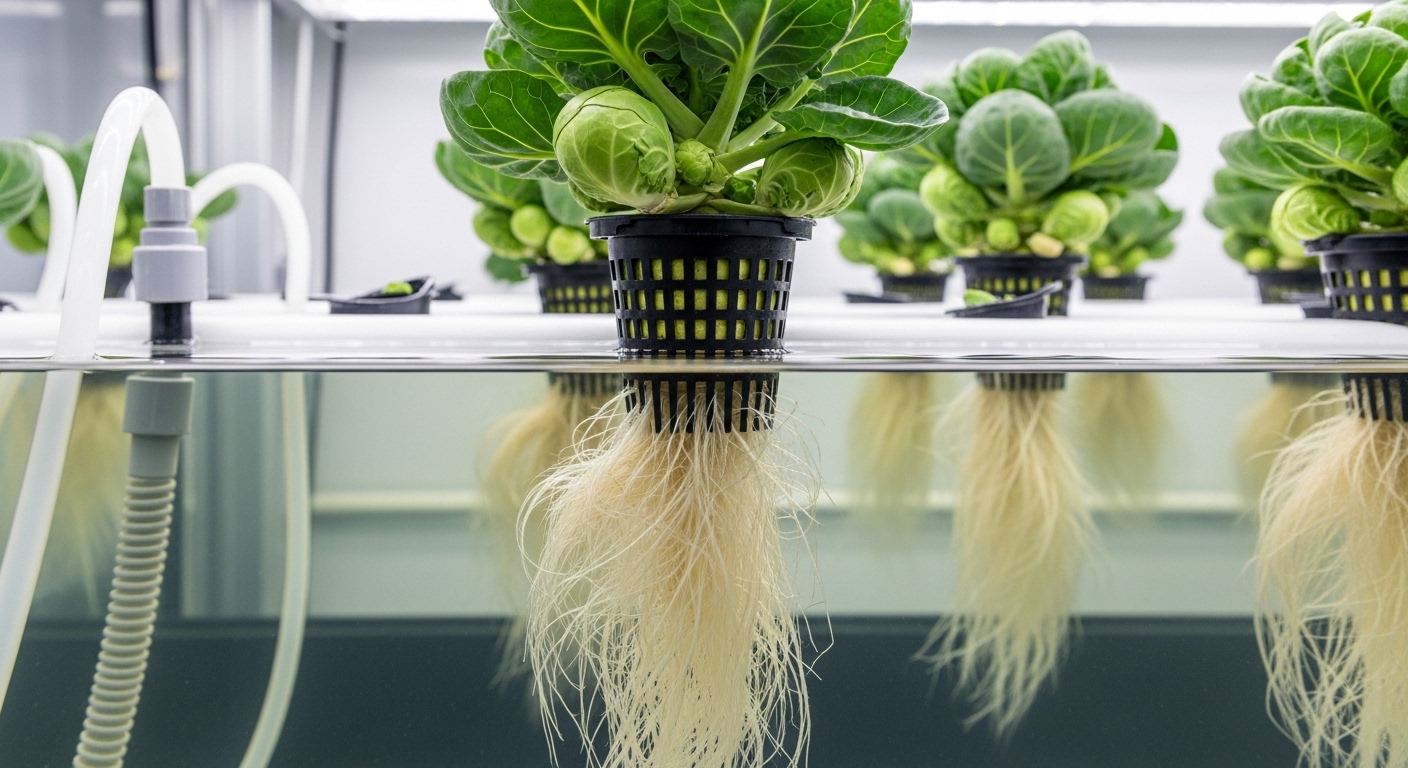
Brussels sprouts thrive best in hydroponic systems that offer sturdy root support and ample space for their tall, leafy growth. Deep water culture (DWC) is a user-friendly choice, as it keeps roots submerged in nutrient-rich water. However, you’ll need a large enough reservoir to accommodate the sizable root balls that Brussels sprouts create.
Ebb and flow systems are also excellent because they cycle water to the roots while giving them crucial access to oxygen, reducing the risk of disease in dense root zones. For larger setups, Dutch bucket systems shine; each plant gets its own container, making it easier to manage the heavy stems and broad leaves characteristic of mature Brussels sprouts.
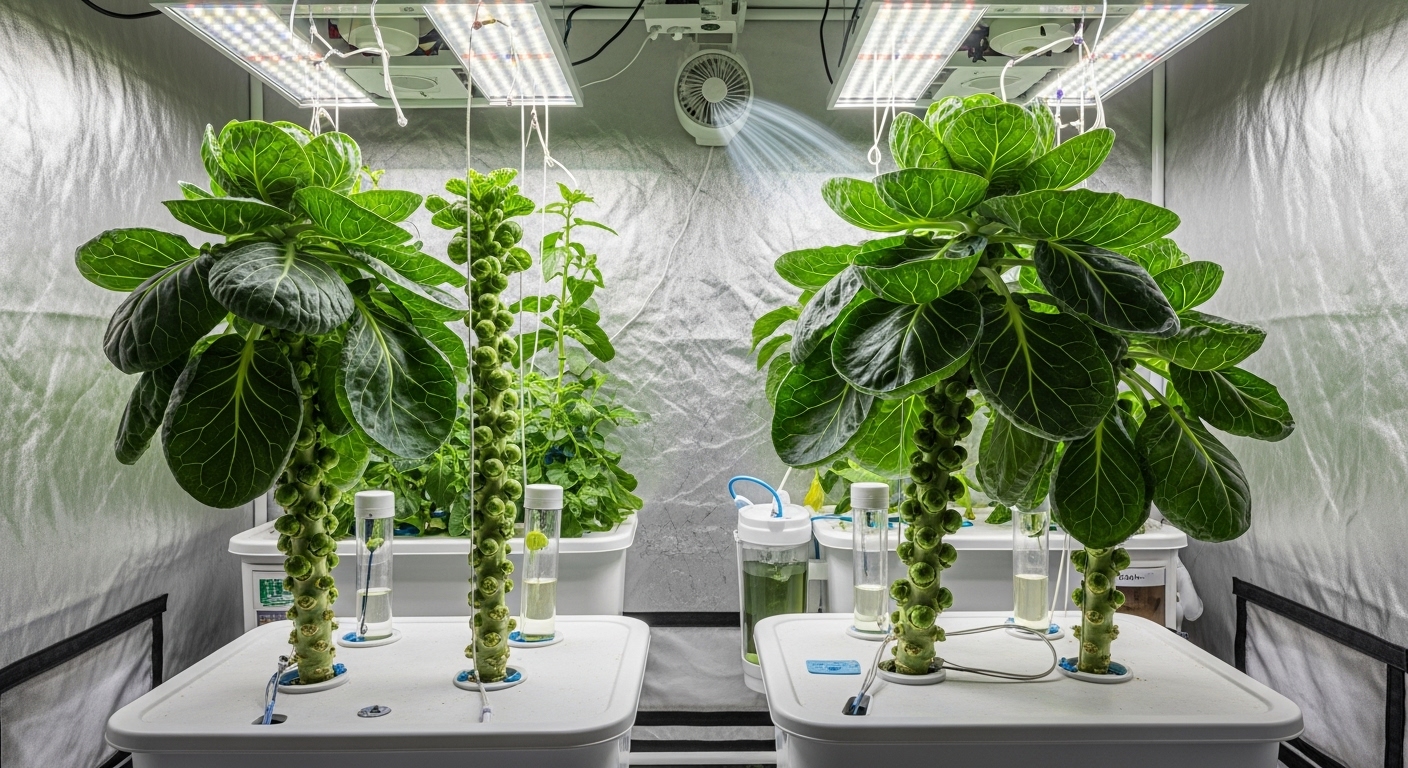
When choosing a system, consider how big your plants might get—these veggies can reach up to three feet tall—so plan for headroom and sturdy plant support. For a simple home setup, use a grow tent that fits your available space, adding reflective lining to maximize light and encourage uniform growth. Position strong LED grow lights overhead and keep air flowing with a small fan to prevent mold.
Running tight on space? Start with just a couple of buckets or pots to master nutrient levels and plant care before expanding your garden.
From Seed to Seedling: Planting Brussels Sprouts the Hydroponic Way
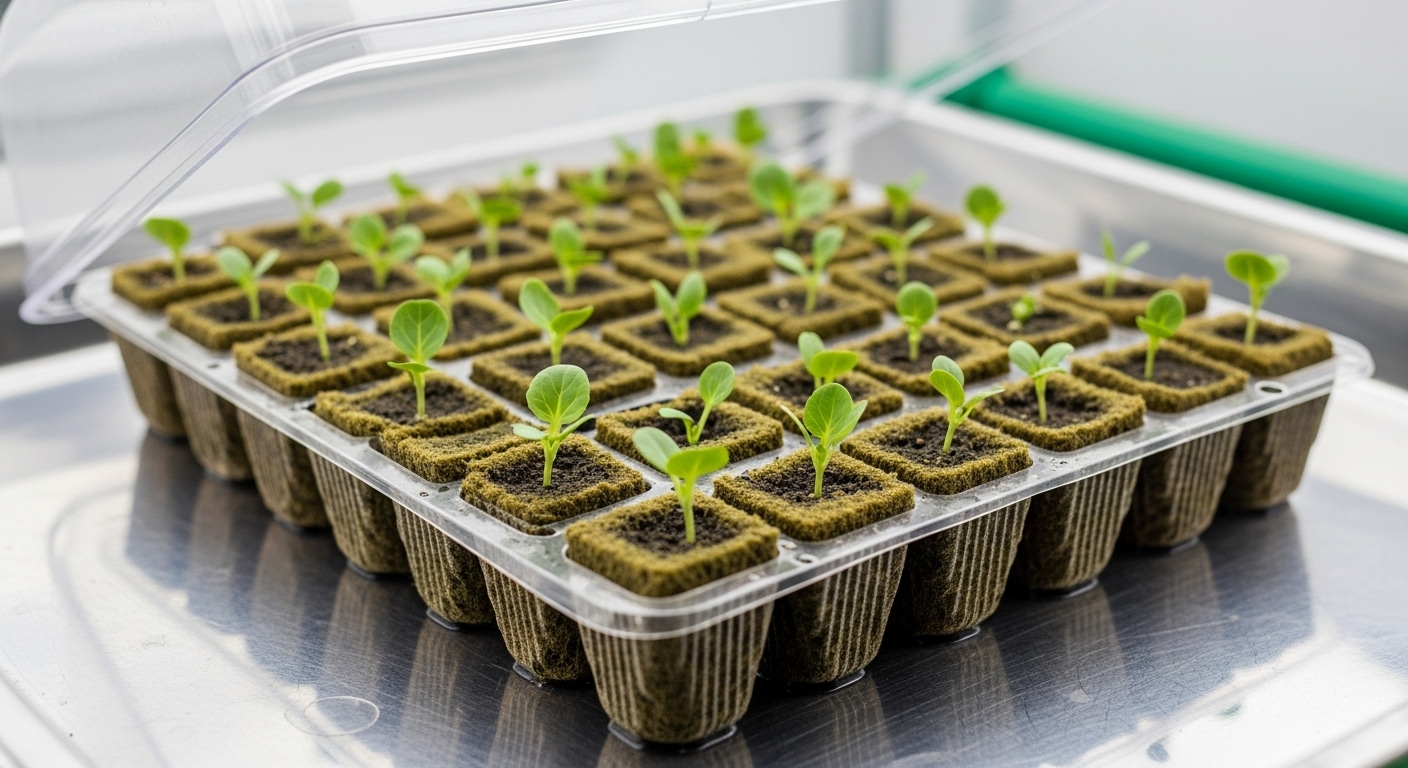
Starting Brussels sprouts from seed in a hydroponic system is straightforward when you focus on the right conditions. Begin by placing seeds in moistened starter plugs such as rockwool cubes or peat pellets, making sure each plug has a single seed for even growth.
Set your starter tray in a warm, well-lit area—a temperature of 21–24°C (70–75°F) and humidity levels around 70% are ideal for germination. Ensure the starter plugs stay moist but not soggy, as too much water can lead to fungal issues. Use a humidity dome to retain moisture and check daily for sprouting, which typically occurs within 7–10 days.
Once the seedlings develop their first true leaves and roots begin poking out of the plugs (usually by week two or three), gradually remove the humidity dome and expose them to slightly cooler temperatures—Brussels sprouts thrive in 16–21°C (60–70°F).
When transplanting into your main hydroponic setup, handle seedlings gently by supporting the plug, not the stem, to prevent transplant shock. Place the entire plug into your net pot or growing medium, ensuring roots have good contact with moisture and nutrients.
Monitor plants closely for the first few days, providing gentle airflow and shading if needed, to help them adjust smoothly to their new hydroponic home.
Feeding and Caring for Hydroponic Brussels Sprouts
Growing hydroponic Brussels sprouts requires a careful balance of nutrients and environmental factors to produce strong, healthy plants. Start with a nutrient solution containing all the essential macronutrients—nitrogen (N), phosphorus (P), and potassium (K)—along with key trace elements like calcium, magnesium, iron, and manganese, which are critical for robust growth and flavor.
Aim for a nutrient mix formulated for leafy greens or brassicas, as Brussels sprouts thrive on similar blends. Maintaining water quality is crucial: keep your system clean and use filtered or distilled water to prevent unwanted minerals and pathogens from disrupting plant health.
The pH of your nutrient solution should consistently be kept between 5.8 and 6.2 to ensure nutrients are available for uptake; inexpensive aquarium pH meters work well for quick checks. Likewise, monitor electrical conductivity (EC) regularly—aim for an EC of 1.8 to 2.2 mS/cm—to avoid over- or under-feeding your sprouts.
Routine maintenance is key: check nutrient reservoirs every few days, top up with fresh solution as needed, and inspect the plants for signs of stress like yellowing leaves or stunted growth. Adjust light sources so plants receive 14–16 hours of bright, but not scorching, light each day. If you notice signs of leaf burn, move lights further away.
Staying vigilant and responsive to these details will help ensure a healthy, productive hydroponic Brussels sprout harvest.
Troubleshooting Common Hydroponic Brussels Sprouts Problems
Growing Brussels sprouts hydroponically can be rewarding, but growers sometimes face challenges like pest infestations, nutrient deficiencies, and root rot.
Yellowing or dropping leaves often signal a nutrient imbalance, so check your system’s pH and nutrient levels weekly for quick adjustments.
If you spot tiny insects or holes in the leaves, it’s likely aphids or spider mites. Combat these by installing insect netting and using neem oil sprays—both safe and effective.
Root rot, on the other hand, shows up as browning or mushy roots and stunted growth. This problem thrives in stagnant, unclean water, so make it a habit to fully change the nutrient solution and clean the reservoir every two weeks.
Adequate oxygenation and ensuring roots are never sitting in warm, still water also help. Simple barriers like sticky traps and mesh screens can further keep pests at bay.
By staying alert and proactive, you’ll protect your hydroponic Brussels sprouts and encourage healthy, robust growth.
Harvesting and What’s Next?
Knowing when to harvest your Brussels sprouts is key to enjoying their crisp texture and sweet flavor. Look for firm, compact sprouts about one to two inches in diameter nestled along the plant’s stalk. They should feel solid to the touch, with vividly green leaves—not yellowing or loose.
For the best taste, harvest after the first light frost if you’re growing outdoors, as a chill can enhance their sweetness. After picking, snap off any damaged outer leaves and rinse the sprouts well. Store them unwashed in a perforated bag in the refrigerator’s crisper drawer, where they’ll keep fresh for up to a week. For longer storage, blanch and freeze them.
Whether you steam, roast, or sauté your sprouts, cut an “X” in the stem end to help them cook evenly.
Crop Rotation and Pairing
If you’re planning to rotate or pair crops hydroponically, try leafy greens like kale, arugula, or Swiss chard, which enjoy similar conditions, or herbs like basil for extra culinary variety. Rotating crops helps prevent disease and makes the most of your hydroponic setup, keeping both your garden and your kitchen lively all season long.
Is Growing Hydroponic Brussels Sprouts Worth It? Real Talk
Growing hydroponic Brussels sprouts can be a rewarding venture, but it’s important to weigh the pros and cons before diving in.
On the plus side, hydroponics allows you to grow Brussels sprouts year-round, even if you have limited outdoor space or poor soil quality. Many home growers appreciate the fast, steady growth and the ability to easily adjust nutrients, which can result in healthier crops and potentially better yields.
However, hydroponic setups can be costly upfront, requiring investment in equipment like grow lights, pumps, and nutrient solutions. There’s also a learning curve; maintaining water quality and troubleshooting issues like root rot or nutrient imbalances can take more attention than soil gardening.
In comparison, traditional soil cultivation is cheaper to start and more forgiving for beginners, but it depends heavily on seasonal conditions and available garden space.
If you’re intrigued by hydroponics, there are plenty of online resources and community forums to support you, with step-by-step guides and troubleshooting help for common challenges.
Starting small—maybe with a single bucket system—lets you experiment without getting overwhelmed, and you’ll find lots of guidance to ensure your Brussels sprouts thrive, no matter which method you choose.