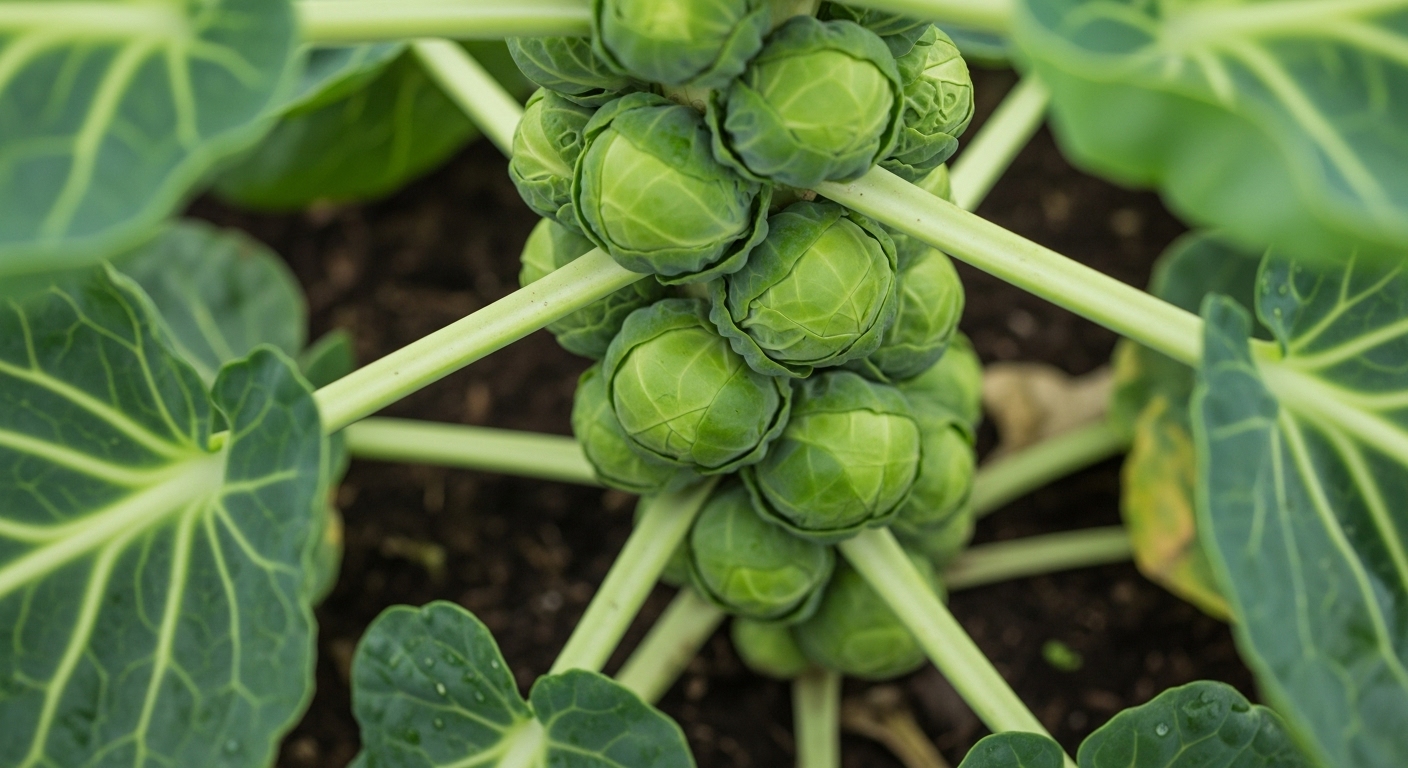
Understanding Brussels Sprouts Bolting
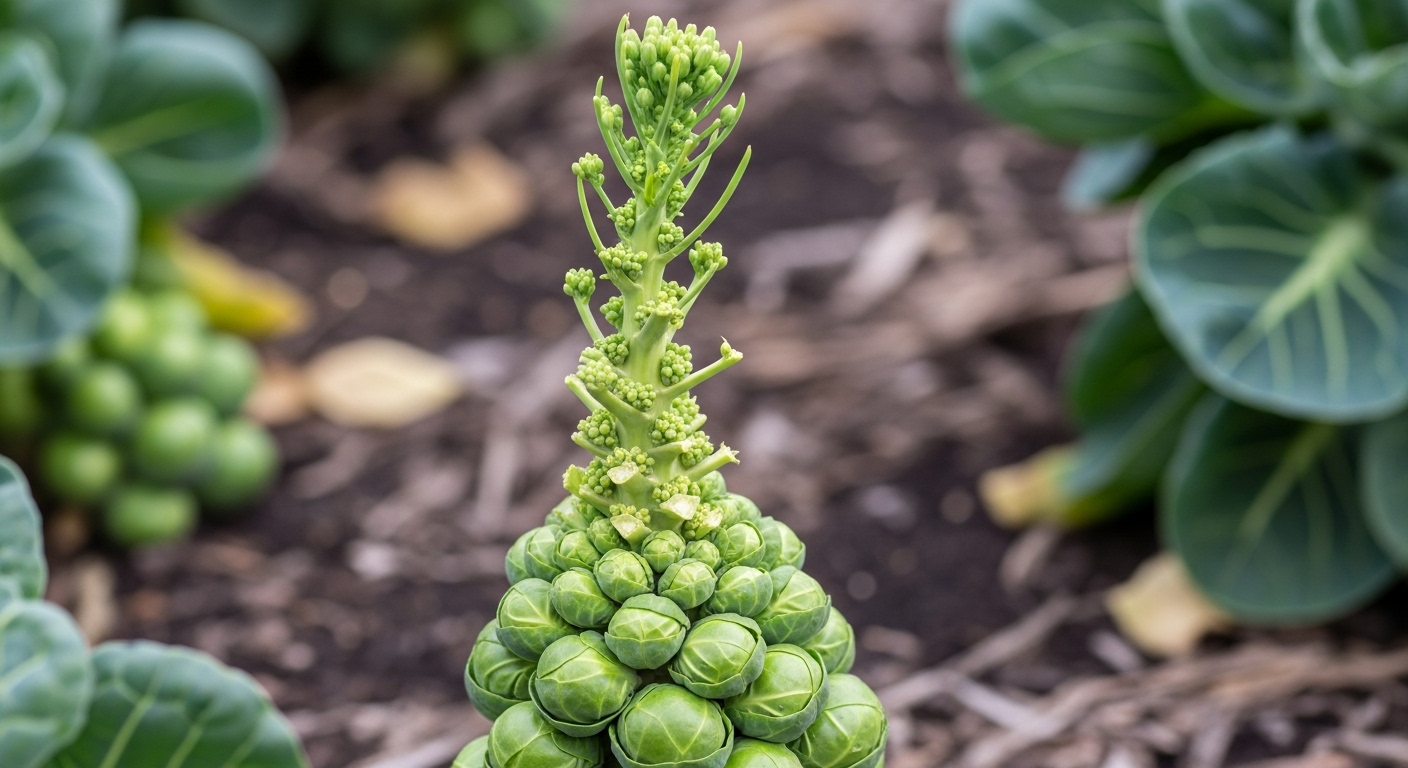
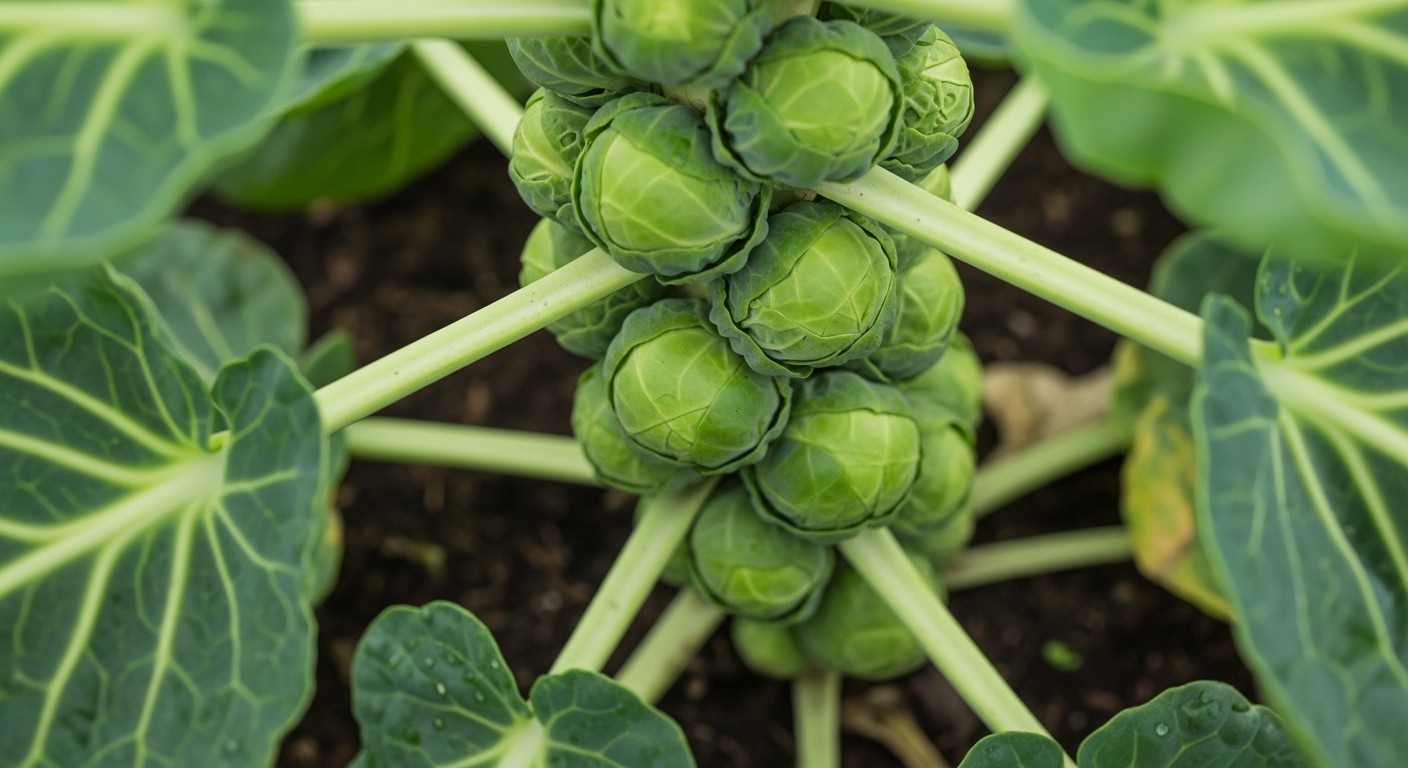
If you’ve ever noticed your brussels sprouts shooting up an unexpected flower stalk instead of producing tight little sprouts, you’re witnessing Brussels sprouts bolting. Bolting occurs when the plant shifts from leafy growth to rapid flowering and seed production. This is often triggered by temperatures that are too warm, a sudden cold snap, or stressful growing conditions like drought.
In Brussels sprouts, this process is particularly frustrating because it not only halts the development of flavorful, compact sprouts but can also make the entire plant taste bitter and tough. Once bolting begins, the plant’s energy diverts from producing sprouts to making flowers and seeds, resulting in loose, poor-quality harvests and a decline in flavor that many gardeners find disappointing.
Early detection is crucial if you want to catch Brussels sprouts bolting before it ruins your crop. Watch for signs such as the central stem rapidly elongating, with leaves becoming more sparse or elongated themselves. In more advanced bolting, you’ll see flower buds forming at the top of the plant—sometimes practically overnight. If you notice these telltale changes, it’s a sign your Brussels sprouts are shifting into a reproductive phase, and your harvest window is closing fast.
By understanding why and how bolting happens, you can take proactive steps to prevent it and enjoy sweeter, more productive crops. Practical strategies like keeping soil consistently moist, mulching to maintain even temperatures, and choosing bolt-resistant varieties can make a world of difference.
Why Do Brussels Sprouts Bolt?
Brussels sprouts bolt, or go to seed prematurely, mostly because of environmental triggers and plant stress that disrupt their normal growth cycle. One key factor is temperature—these cool-weather crops are sensitive to sudden warm spells, especially when young. If spring temperatures rise quickly or there’s an unexpected heatwave, Brussels sprouts may sense it’s time to reproduce and send up flower stalks.
Day length also plays a role; as the days get longer in late spring or early summer, plants can shift into flowering mode sooner than you’d like. Stress factors like inconsistent watering or poor soil nutrition make things worse, putting the plant in survival mode and prompting early bolting. For example, if you let the soil dry out between waterings or forget to fertilize, the plant may bolt as a defense mechanism.
Not all Brussels sprouts are created equal, though. Some varieties are bred to be more resistant to bolting, so choosing options labeled as “slow bolting” or “heat tolerant” can make a big difference, especially if you’re gardening in a region with unpredictable spring temperatures.
Finally, timing matters: one of the most common mistakes is planting too late in the season, which exposes young plants to warming weather and longer days right when they’re most sensitive.
To avoid bolting, sow seeds early enough in spring (or late summer for a fall crop), keep the soil consistently moist, and provide fertilizer as recommended—small precautions that go a long way in ensuring healthy, harvest-ready sprouts.
Best Practices to Prevent Bolting
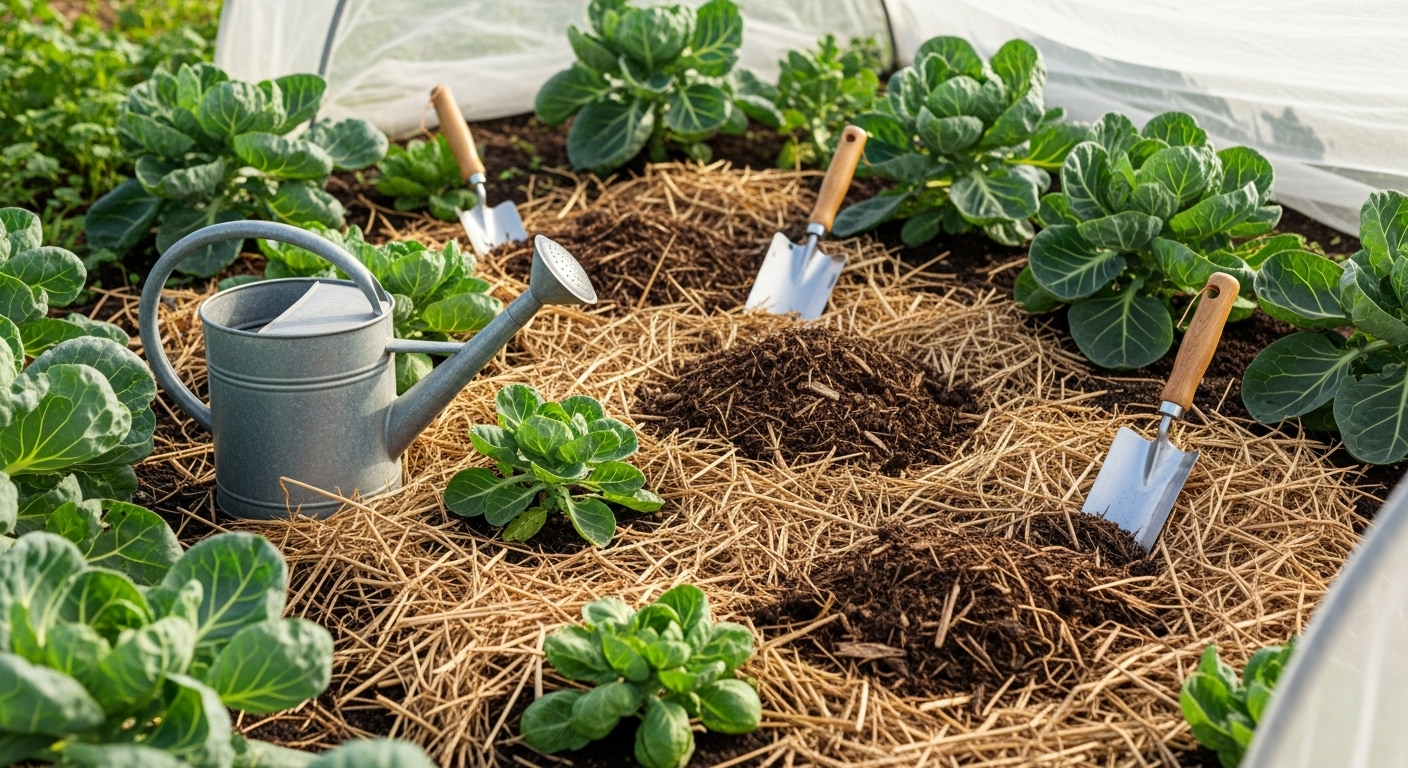
To keep your garden crops from bolting too soon, pay close attention to your planting schedule. For cool-season veggies like lettuce, spinach, or broccoli, plant early in the spring or late in the summer to avoid the hottest months, since extreme heat triggers bolting.
Consistent watering is crucial—moist, well-drained soil helps plants grow steadily without stress. Improve your garden beds with compost or organic matter for healthy soil that retains moisture and provides steady nutrients.
Choose bolt-resistant varieties whenever possible; reputable seed companies like Johnny’s Selected Seeds or Baker Creek Heirloom Seeds clearly label their most resilient options.
In hot climates, mulching around your plants with straw, grass clippings, or bark chips helps keep the soil cool and moist. Using a shade cloth or row cover offers extra protection during unexpected heat waves.
Small steps like these help maintain steady conditions, reducing stress for your plants so they stay productive longer without rushing to flower and set seed.
What to Do If Your Brussels Sprouts Bolt
If you notice your Brussels sprouts growing tall quickly, sending up a flower stalk, and their leaves becoming more elongated or “leggy,” it’s likely they’ve bolted—and unfortunately, once this process starts, it can’t be reversed. The plant’s energy shifts from producing tight, tasty sprouts to making flowers and seeds, so the little sprouts often become loose, bitter, or stop growing altogether.
If this happens, go ahead and harvest any sprouts that are still firm and small; they may be slightly more bitter than usual, but you can mellow the flavor by roasting them with olive oil, sautéing with garlic, or adding them to a stir-fry with other bold ingredients. The young flowering shoots and tops can also be eaten, much like tender broccoli rabe—try tossing them into pasta or omelets.
Take this as a chance to learn for next season: bolting is often triggered by weather swings or planting too late in spring, so aim to plant early for a harvest before summer heat sets in, or wait until late summer for a fall crop. Also, look for bolt-resistant varieties suited to your local climate. Every garden mishap is a learning opportunity, so keep notes to help your next Brussels sprouts season thrive.
Common Questions About Brussels Sprouts and Bolting
Many gardeners wonder if Brussels sprouts are still edible after they bolt, or produce flowers. The answer is yes—though the flavor and texture often suffer. Bolted sprouts and leaves might taste more bitter and tougher than usual, but they’re safe to eat if you don’t mind the change.
If you spot flowers or elongated stems, pinching them off won’t reverse bolting, but it may slow the process and help the plant focus its energy on the sprouts that remain.
Some myths suggest bolting can “infect” other brassicas, but bolting is a response to weather and plant maturity, not a disease that spreads. So, there’s no need to worry about your kale or broccoli suffering from a nearby sprout’s flowers.
To manage ongoing growth challenges, try these tips:
- Shade your plants during hot spells.
- Water consistently.
- Harvest lower sprouts early to encourage fresh growth.
If you live in a region with hot springs or summers, consider planting bolt-resistant varieties or starting your crop earlier in the season. Remember, bolting is natural and often inevitable, so adjusting your planting schedule and providing a bit of extra care can help maximize your Brussels sprout harvest.