When to Harvest Peppers
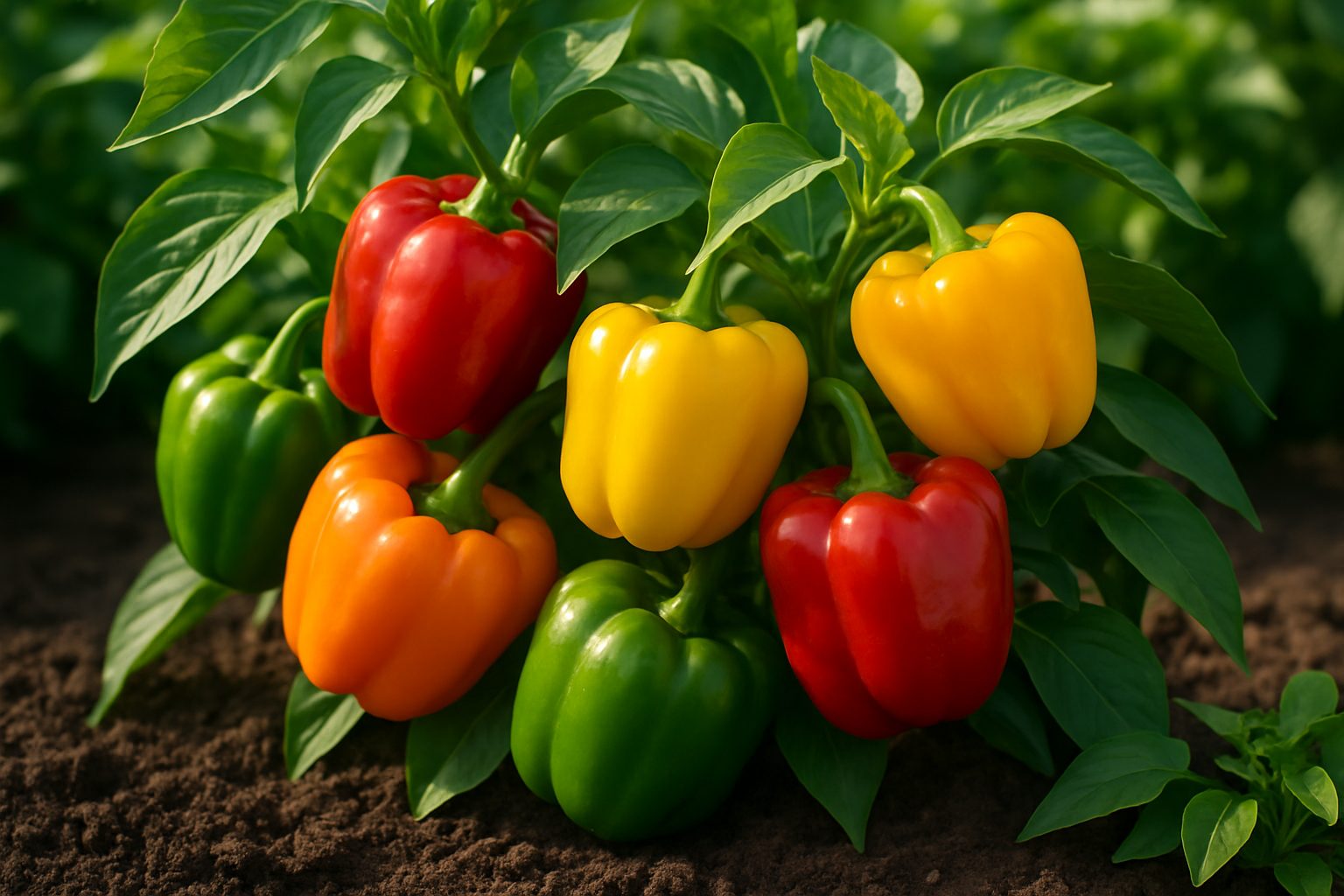
Learning how to harvest bell peppers without damaging your plants is key to a thriving garden and a bountiful harvest. But when exactly are your peppers ready to pick? Start by examining the signs: ripe bell peppers usually reach their mature size, often between 3-4 inches long, and shift from green to vibrant red, orange, or yellow, depending on the variety.
While traditional bell peppers are often picked when fully colored, you can also harvest them when they’re green if you prefer a slightly bitter taste and crisper texture. Different types of peppers have their ideal harvest moments—sweet peppers, for instance, benefit from being allowed to fully ripen on the vine, developing layered sweetness and color, while hot peppers like jalapeños or habaneros might be picked as soon as they reach their mature green or red stage, depending on the heat and flavor you desire.
Timing can vary dramatically based on the type. Bell peppers tend to mature later in the season, while some hot peppers continue to ripen right up until the first frost. To avoid common mistakes, don’t rush to pick peppers the moment they look close—immature fruits lack flavor and crunch. Conversely, waiting too long can mean soft, wrinkled, or sunburned peppers.
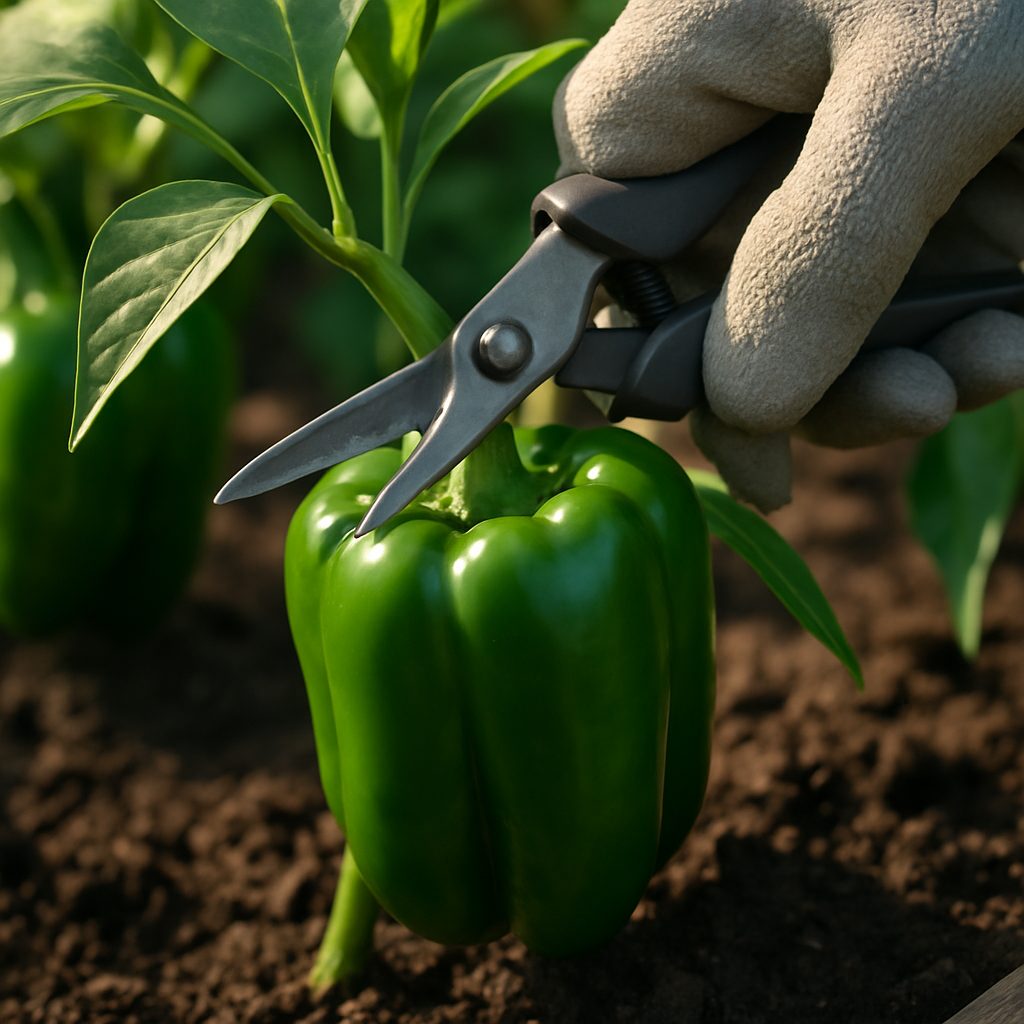
Gently twist the pepper from the stem or use garden shears to avoid tearing the branches, which can stress the plant and reduce future yields. Keep an eye out for subtle changes in color, glossy skin, and full shape, and make frequent, small harvests instead of waiting for every pepper to ripen at once. By recognizing these cues, you’ll enjoy a steady supply of perfect peppers all season long.
How to Pick Peppers Properly
When it comes to harvesting peppers, using the right technique makes a big difference in both the health of your plants and your future yields. For most types of peppers—whether bell, chili, or sweet varieties—you have two main options: hand-picking or using pruners.
Hand-picking can be fast, but peppers often have tough stems, and pulling them off can damage branches or uproot young plants. To avoid this, gently hold the pepper in one hand and carefully twist or snap it away from the plant, taking care not to yank.
However, many gardeners prefer small, sharp pruners or garden scissors, especially for thick stems. Snipping the stem half an inch above the fruit results in a clean cut and causes the least stress to the plant.
Always harvest during the cool part of the day, such as early morning, to minimize plant shock. If you notice any damaged leaves or stems, prune them as you go to keep the plant healthy.
Be sure not to over-harvest—leave some mature peppers on the plant, as this encourages continued production, but don’t leave all peppers to overripen since this signals the plant to slow down making more fruit.
Using the right timing and gentle technique means pepper plants keep producing robustly all season, giving you a longer, healthier harvest.
Encouraging More Peppers After Harvest
Harvesting ripe peppers as soon as they’re ready is one of the simplest ways to encourage your pepper plants to keep producing throughout the season. When mature peppers are picked promptly, the plant receives a signal to set new flowers and fruit, rather than focusing its energy on ripening existing peppers.
To keep your plants healthy after harvest, water consistently but avoid waterlogging the soil; peppers prefer soil that’s moist but well-drained. Adding a balanced fertilizer every few weeks can give your plants the nutrients they need to recover and keep growing.
It’s also helpful to remove any yellowing or damaged leaves, which can harbor pests or disease. Light pruning—snipping off leggy stems or excess foliage—further encourages bushier growth and better air circulation, helping prevent common problems like fungal diseases.
Throughout the growing season, keep an eye out for pests such as aphids or spider mites and address any issues promptly with mild insecticidal soap or by hand-picking.
By staying attentive with harvesting, pruning, and general care, you can enjoy a steady supply of fresh peppers right up until the first frost.
Ripening Peppers Off the Plant
Ripening peppers off the plant is a handy trick if you’ve harvested them early due to weather, pests, or simply impatience. One easy method is to place the green peppers in a paper bag along with a ripe banana or apple—these fruits emit ethylene gas that helps speed up ripening. Keep the bag at room temperature and check every day for signs of color change.
Alternatively, you can lay peppers on a sunny windowsill, turning them occasionally to avoid uneven ripening. The main advantage of ripening indoors is protecting your crop from frost, animals, or diseases that might ruin them outdoors.
However, peppers generally develop more flavor and sweetness if left to finish ripening on the plant, so indoor ripening can sometimes yield slightly less tasty results.
For the best chances of success, store picked peppers in a warm (around 70°F/21°C), well-ventilated, and moderately humid spot—avoid refrigeration, as cold temperatures can halt the ripening process.
Whichever method you choose, check your peppers regularly and remove any that show signs of rot to keep the others healthy and ripening well.
Storing and Using Fresh Peppers
To get the most out of fresh peppers, proper storage is key. For short-term freshness, keep whole peppers in the crisper drawer of your refrigerator, ideally in a produce bag. This can keep them crisp for up to two weeks. Avoid washing peppers until you’re ready to use them, as extra moisture can encourage mold.
If you want to store peppers longer, freezing is a great option: simply wash, slice, remove seeds, and spread the pieces on a baking sheet to freeze before transferring them to airtight freezer bags. Frozen peppers work well in cooked dishes like stir-fries or soups, though their crunch won’t be the same as fresh.
Another long-term method is drying. You can air-dry small, thin peppers by stringing them up in a warm, dry spot, or use a food dehydrator for thicker varieties. Dried peppers can be crushed into flakes or rehydrated for recipes.
Pickling is another delicious preservation method. Just slice your peppers, pack them into jars, and cover with vinegar, salt, and spices to your liking.
For immediate use, add fresh peppers to salads for a pop of color and heat, stuff them with grains or cheese and bake, or sauté them with onions for fajitas. Mixing and matching these methods lets you enjoy your pepper haul all season long, whether you love them mild or extra spicy.
Saving Pepper Seeds for Next Season
Saving pepper seeds for next season is simple and rewarding, but it’s important to start with the right peppers. Always choose fully ripe, healthy peppers—look for vibrant color, firm texture, and no signs of disease or rot. Heirloom or open-pollinated varieties are best, as seeds from hybrids may not produce true-to-type plants.
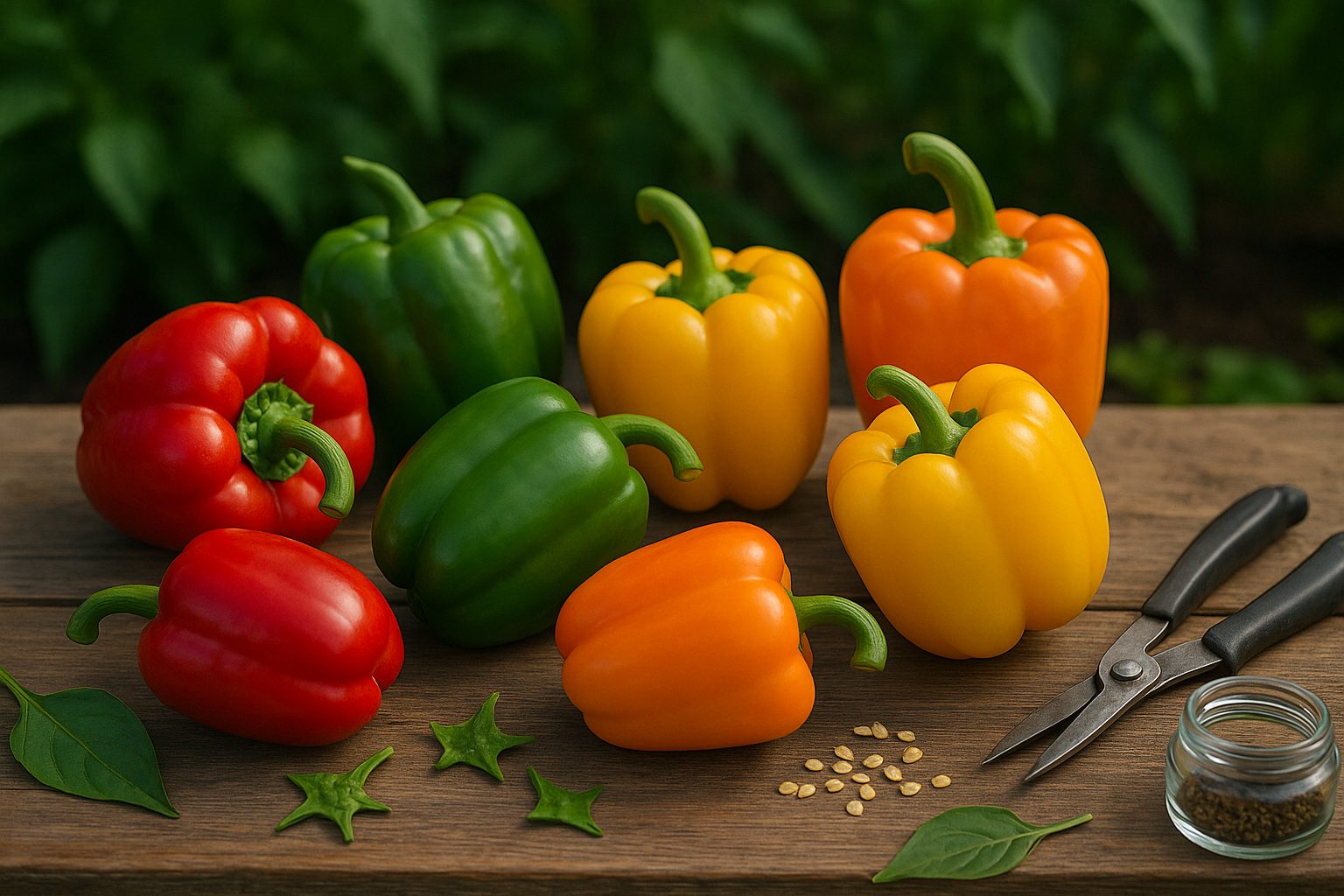
To collect seeds, cut the pepper open and scrape out the seeds onto a paper towel. Discard any black or shriveled seeds, as these are unlikely to germinate well. Spread the seeds out in a single layer and let them air-dry for about a week in a cool, well-ventilated spot, away from direct sunlight.
Once they’re completely dry, store the seeds in a labeled envelope or a small glass jar with a tight lid. Add a little silica gel packet or dry rice to help control moisture, since seeds last longer when dry. For optimal viability, keep your seeds in a cool, dark place such as a refrigerator or a dark closet.
When stored properly, pepper seeds can remain viable for up to three years, giving you a head start on a healthy and productive garden next season.