Introduction
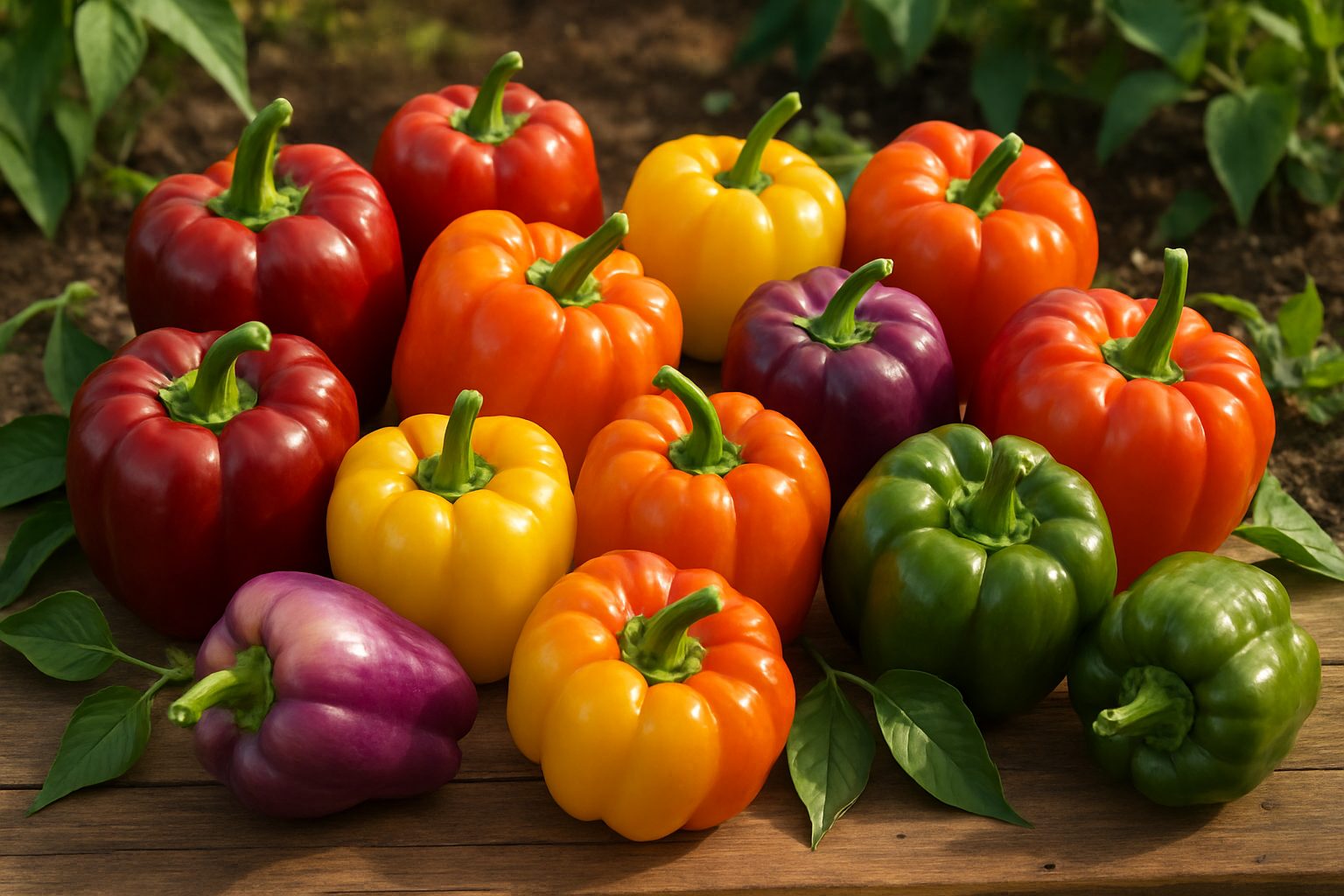
Heirloom bell peppers are cherished by gardeners for their incredible diversity, rich histories, and unforgettable flavors. These peppers, passed down through generations, offer more than just colorful variety—they connect us to cultural traditions and time-honored gardening practices. From sweet and fruity to tangy and robust, heirloom bell peppers come in shapes and flavors you won’t find in typical grocery store hybrids. In this guide, we’ll introduce you to distinctive heirloom bell pepper varieties and share tips on how to select, grow, and savor these unique treasures in your own garden, turning your harvest into a vibrant celebration of flavor and heritage.
Heirloom Pepper Varieties to Consider
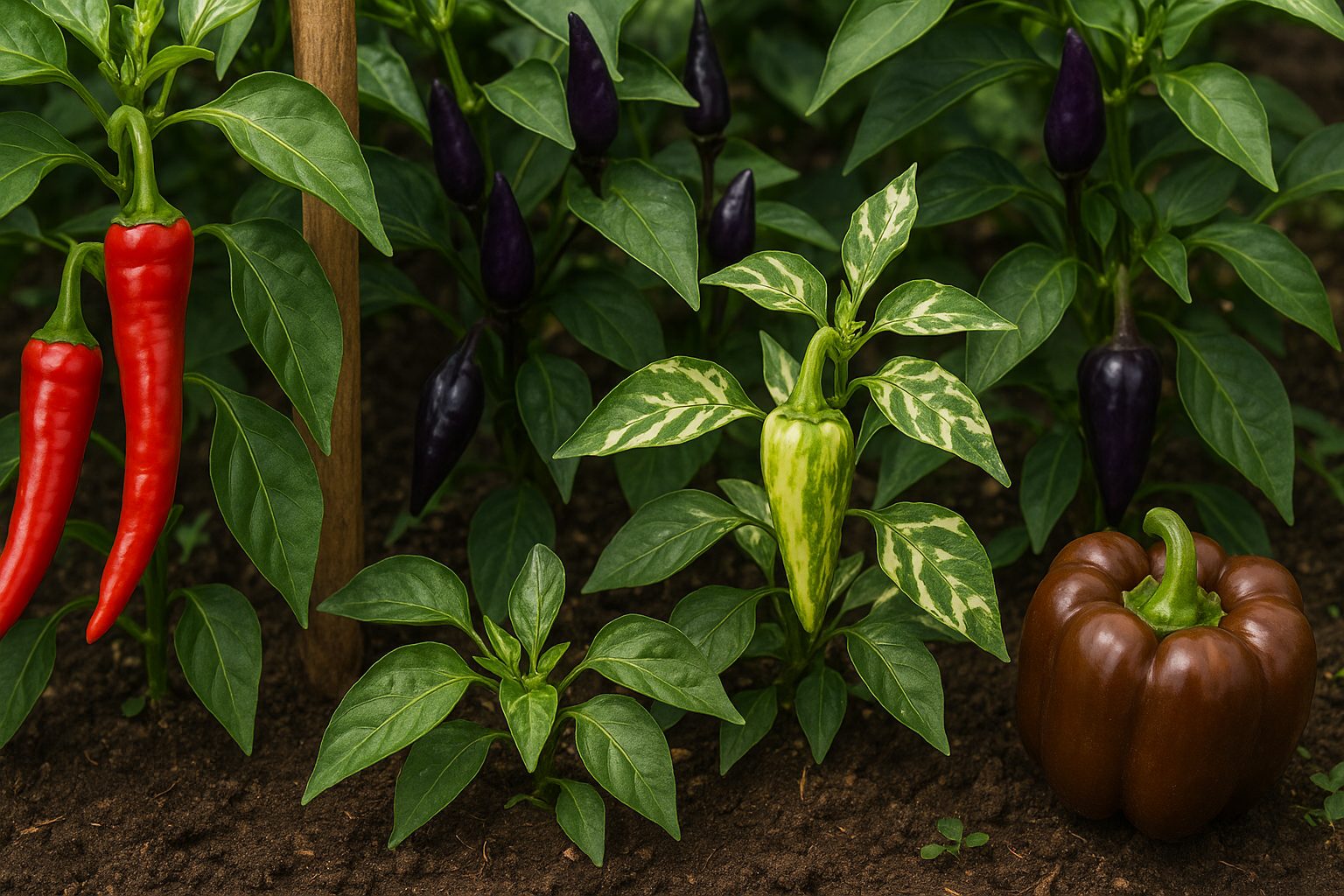
Heirloom peppers offer a world of exciting flavors, colors, and stories for gardeners and cooks alike. Among sweet varieties, the Jimmy Nardello is prized for its thin, crunchy walls and intense, almost fruity flavor—ideal for frying, roasting, or tossing raw into salads.
For a hot kick, try the classic Hungarian Hot Wax or the radiant Fish Pepper, which boasts stunning variegated foliage and a complex heat perfect for seafood dishes. Rare finds like the black-skinned Pimenta da Neyde or the deeply ribbed Chocolate Beauty add visual drama and unusual tastes to your harvest.
Many gardeners choose heirloom peppers for their rich, nuanced flavors and the unique histories behind each variety; growing a Bulgarian Carrot or a Corno di Toro means preserving heritage that commercial hybrids often lack.
When selecting heirloom peppers, match your choice to your local climate and available space. Compact types like the mini-sized Lunchbox or ornamental Thai peppers thrive in containers and small beds, while sprawling varieties—like the Sweet Banana—do well in larger gardens.
Also, consider your main cooking uses: mild peppers for stuffing or salsas, thin-skinned types for drying, and fiery ones for hot sauces. By mixing a few pepper types with different ripening times and uses, you’ll enjoy a colorful, flavorful harvest all season long.
Starting Heirloom Peppers from Seed
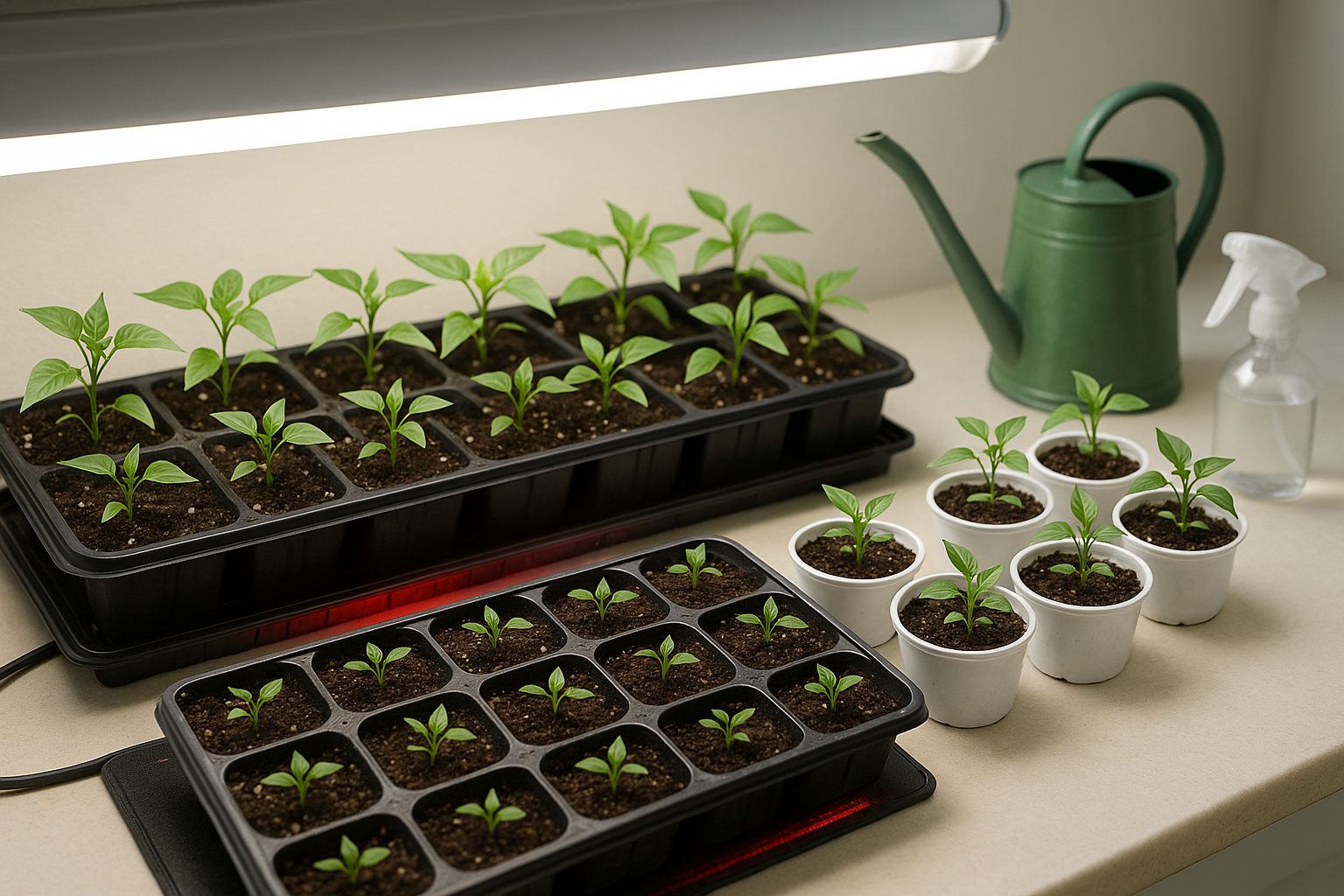
Starting heirloom peppers from seed is both rewarding and straightforward when you follow a few key steps. Begin by using a seed-starting mix or potting soil rich in organic matter—avoid heavy garden soil, as it can retain too much moisture and hinder germination.
Shallow seed trays, cell packs, or even recycled yogurt cups with drainage holes work well for containers. Place your containers in a bright spot—ideally, under grow lights set about two inches above the seedlings—as peppers need 14 to 16 hours of light per day.
Heirloom pepper seeds should be planted about 1/4 inch deep and spaced one inch apart to prevent overcrowding. Keep the soil consistently moist but not soggy, and maintain a warm environment—70 to 85°F is ideal for speedy germination. A heat mat can help achieve this if your home tends to be cool.
Once seedlings have two sets of true leaves, transplant them into larger pots if needed, handling them gently by the leaves rather than the stems. Before moving your young pepper plants outdoors, harden them off by gradually exposing them to outdoor conditions—start with a few hours of shade, increasing their time outside and exposure to sunlight each day over a week.
This gradual adjustment toughens the plants and reduces transplant shock, setting you up for a successful heirloom pepper harvest.
Caring for Heirloom Pepper Plants
Cultivating heirloom pepper plants requires consistent attention, but the reward of vibrant, flavorful harvests is well worth the effort. These plants thrive with deep watering about 1-2 times a week, allowing the soil to fully dry out between sessions to prevent root rot. Mulching with straw or leaf mulch helps retain moisture and suppress weeds.
For healthy growth, feed your peppers with a balanced organic fertilizer every three to four weeks, choosing formulas rich in phosphorus to encourage fruit development. Watch out for pests like aphids, spider mites, and cutworms. Natural solutions such as neem oil spray, introducing ladybugs, and hand-picking caterpillars go a long way toward protecting your crop without harsh chemicals.
To ward off fungal diseases like mildew or blight, ensure good air circulation by spacing your plants properly and regularly trimming dense foliage. Supporting your peppers with stakes or cages will prevent branches from snapping under the weight of mature fruits.
Finally, consistently harvesting ripe peppers not only rewards you with tasty produce but also signals the plant to keep producing. With these simple organic care routines, you can enjoy a bountiful, chemical-free harvest from your heirloom peppers season after season.
Harvesting Heirloom Peppers for Peak Flavor
Knowing when to harvest heirloom peppers is key to maximizing both their flavor and nutritional value. Start by watching for vibrant, uniform color—ripe heirloom varieties display deep reds, bright yellows, or rich purples, depending on the type. The skin should feel firm yet give ever so slightly under gentle pressure, signaling maturity. Avoid picking peppers that show green patches, as these are typically unripe and may taste bitter.
When you’re ready to harvest, use sharp scissors or pruning shears to cut the peppers with a small piece of stem attached; this helps lock in moisture and prevents accidental tearing that can lead to spoilage. Try to harvest peppers in the cool of early morning to capture peak freshness.
After picking, handle the peppers gently to avoid bruising, and store them unwashed in a breathable bag in the refrigerator for up to a week. For longer storage, consider:
- Drying slices in a dehydrator
- Freezing whole or chopped peppers
- Making small batches of pepper jelly or pickles
These methods help maintain the unique flavors and extend the life of your precious harvest, letting you enjoy heirloom tastes long after the growing season ends.
The Health and Culinary Benefits of Heirloom Peppers
Heirloom peppers pack a nutritional punch, offering vitamins A and C for immune support and skin health, plus antioxidants that help fight inflammation. These colorful varieties, from sweet Jimmy Nardellos to spicy Fish peppers, can be eaten raw in salads, tossed into stir-fries, or roasted to bring out smoky flavors.
You can also pickle or dry them for homemade salsas and spice blends. Growing heirloom peppers at home ensures peak freshness, lets you explore rare flavors, and means you’re getting the most nutrients possible.
Their unique taste and health perks make them more than just pretty garden additions—they’re a delicious, wholesome way to elevate everyday meals while supporting your well-being.
Companion Planting: What Grows Well with Heirloom Peppers?
Heirloom peppers thrive when paired with companion plants like basil, which can boost flavor and deter pests, or marigolds that naturally repel nematodes and beetles. Onions and carrots planted nearby help break up the soil, improving pepper root growth.
Avoid planting peppers near brassicas such as broccoli or cabbage, as they compete for nutrients and attract similar pests, potentially stunting each other’s growth.
To create a balanced, healthy garden ecosystem, rotate plant locations each season and intermix flowers and herbs among your veggies—this attracts beneficial pollinators and keeps harmful pests in check naturally.
Conclusion
Growing heirloom peppers offers a unique sense of satisfaction, from nurturing rare plants to savoring their exceptional flavors and vibrant colors. Embracing diverse varieties not only adds excitement to your garden but also helps preserve rich culinary traditions. Don’t hesitate to try something new each season—you might discover a new favorite!
Sharing your experiences, recipes, or challenges can build community and support others on their gardening journey. We’d love to hear about your heirloom pepper adventures, so please leave a comment or ask any questions below.