Introduction
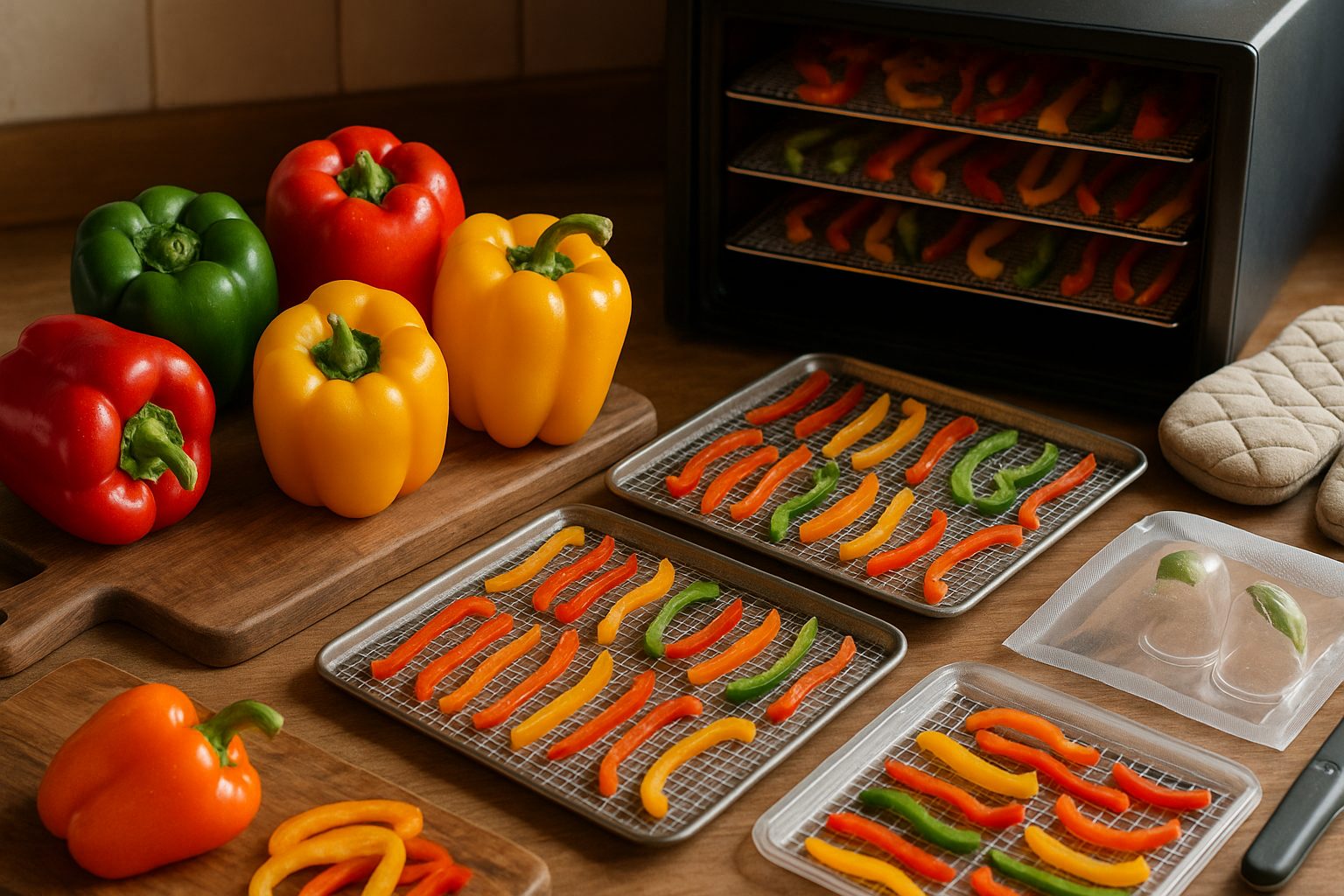
Drying bell peppers is a fantastic way to extend their shelf life, simplify food storage, and add a convenient ingredient to your pantry. Whether your garden yielded an abundant harvest or you scored a great deal at the market, dehydrating bell peppers ensures none go to waste.
In this guide, you’ll find clear, step-by-step instructions for drying bell peppers at home using either an oven or a dehydrator. You’ll also discover tips for prepping your peppers, the best ways to use dried pieces in everyday cooking, and how to store them so they stay fresh and flavorful. Look forward to practical advice, real-world solutions, and answers to your most common questions about dehydrating peppers.
Choosing and Preparing Bell Peppers
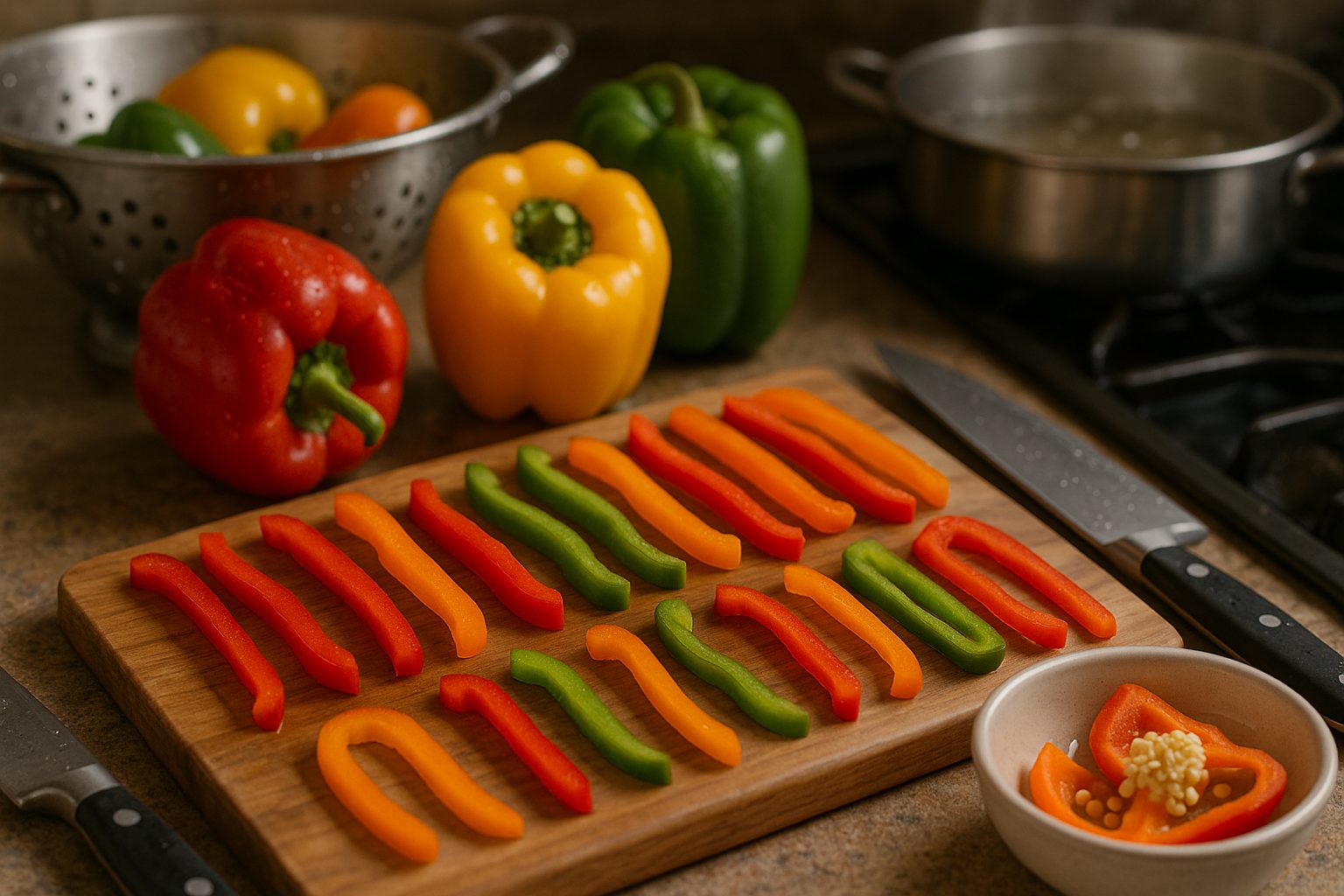
When dehydrating bell peppers, both sweet and mild varieties work well—try classic green, red, yellow, or orange peppers for a mix of vibrant flavors and colors. Red and orange peppers are typically sweeter and more flavorful once dried, making them great for snacking or adding a punch of taste to recipes.
If you’re shopping at a farmer’s market or picking from your home garden, look for peppers that are firm, heavy for their size, and free of soft spots, wrinkles, or blemishes. Ripe peppers will have rich, even coloring and glossy skin.
To prep them, rinse each pepper thoroughly under cool water, then slice off the stem and remove the seeds and white inner membranes. For best results, cut the peppers into uniform pieces—either thin strips or small dices work wonderfully—so they dry at the same rate and finish with a consistent texture.
If you want to preserve the brightest color, especially with green peppers, blanching them in boiling water for two to three minutes before dehydrating is helpful. This step isn’t always necessary unless you’re storing them long-term.
This simple prep guarantees your dried peppers will be tasty, versatile, and easy to use in future meals.
How to Dehydrate Bell Peppers (Methods & Steps)
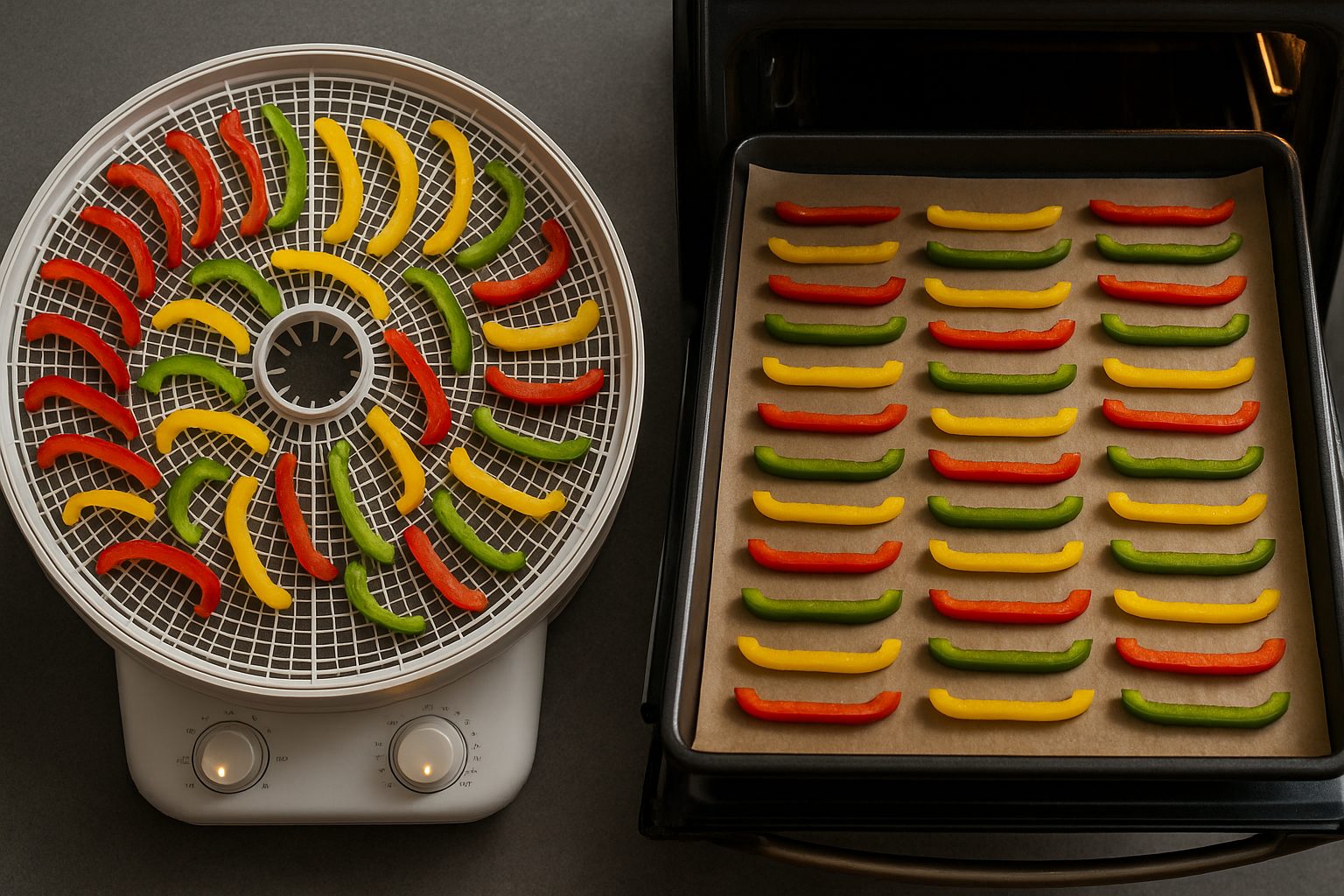
Dehydrating bell peppers is a simple way to enjoy their flavor year-round. You can use a food dehydrator, oven, or air-dryer depending on what you have at home.
Start by washing your peppers, removing the stems and seeds, then slicing them into 1/4-inch strips or uniform small pieces to ensure even drying.
Using a Food Dehydrator
- Spread the peppers in a single layer, leaving space between each piece for airflow.
- Set the dehydrator to 125°F (52°C).
- Drying usually takes 8–12 hours.
Using an Oven
- Line a baking sheet with parchment paper.
- Arrange the peppers in a single layer on the sheet.
- Set the oven to the lowest setting (usually 140–170°F/60–75°C).
- Keep the oven door slightly open for ventilation.
- Check the peppers every hour; drying can take 6–10 hours.
Using an Air-Dryer
- Follow the manufacturer’s instructions.
- Commonly, peppers are dried at 130–140°F (54–60°C) for 6–8 hours.
For all methods, rotate trays or stir the pieces halfway through the drying process to prevent uneven drying, especially if the pieces are different sizes. Smaller pieces dehydrate faster, so keeping slices uniform helps achieve consistent results.
To minimize nutrient loss, avoid prepping in direct sunlight and use lower temperatures whenever possible.
When checking for doneness, the peppers should be crisp and brittle, snapping rather than bending. If they are still leathery, give them more time.
After cooling, store dried peppers in airtight containers away from light.
Additional Tips
- Dehydrate peppers soon after picking for the highest vitamin retention.
- Avoid crowding on trays to allow proper airflow—this prevents sogginess and uneven patches.
- Properly dried bell peppers can last up to a year, making them a great pantry staple for soups, stews, or snacking.
How to Tell When Bell Peppers Are Done
Fully dehydrated bell peppers should feel dry, crisp, and brittle, easily snapping in half when bent rather than flexing or feeling leathery. The pieces should have a uniform, slightly translucent appearance with no visible moisture or soft spots. If you detect any squishiness, oily patches, or coolness, they’re not done yet.
Underdried peppers are risky because leftover moisture can promote mold growth or cause them to spoil quickly in storage, potentially ruining an entire batch. To test dryness, let a piece cool to room temperature—warm peppers often feel drier than they really are—then snap it between your fingers. It should break cleanly with little resistance.
You can also press a piece between paper towels; if it leaves any dampness, it needs more time. Always err on the side of over-drying rather than risking improper storage and wasted effort.
Storing Dehydrated Bell Peppers for Freshness
To keep your dehydrated bell peppers as fresh as possible, store them in airtight containers such as glass mason jars, food-safe plastic bins with tight seals, or vacuum-sealed bags. These options help block out moisture and oxygen, both of which can cause your peppers to spoil prematurely.
Always stash your containers in a cool, dark spot—think a kitchen pantry, cupboard, or basement shelf—because light and heat can degrade flavor and nutrients. With proper storage, dehydrated bell peppers can last anywhere from six months up to a year.
For best results, label your containers with the date of dehydration and use the oldest stock first, rotating your supply so nothing gets forgotten at the back of the shelf.
Watch for telltale signs of spoilage, like condensation inside the container, an off smell, or unexpected softness, which means the peppers have absorbed moisture. If you spot any of these issues, discard the peppers to avoid any risk of mold.
Staying organized and attentive to storage details ensures you’ll always have flavorful peppers ready for soups, stews, or snacks whenever you need them.
How to Use & Rehydrate Dried Bell Peppers
Dried bell peppers are a pantry powerhouse, perfect for boosting flavor in soups, stews, casseroles, pasta sauces, and even homemade spice blends. They pack an intense, concentrated taste that fresh peppers can’t always match, making them especially handy in emergency food kits or when fresh produce isn’t available.
To use dried bell peppers, you can simply throw them straight into dishes with plenty of liquid, like soups or chili, letting them rehydrate as the dish cooks. For recipes that require softened peppers upfront, soak the dried pieces in warm water for about 15-20 minutes, then drain and add them as you would fresh peppers.
They blend seamlessly into everything from scrambled eggs to rice pilafs, and even serve as a colorful addition to salads after rehydration. Their long shelf life and versatility ensure you’ll always have a pop of pepper flavor ready whenever you need it.
Fresh-To-Dried Conversion & Recipe Tips
When swapping fresh bell peppers for dried in your recipes, remember that dried peppers are much more concentrated: about 3 tablespoons of dried bell pepper equals 1 medium fresh bell pepper once rehydrated. To use, either soak the dried pieces in hot water for 10–15 minutes, then drain and add to your dish, or toss them directly into soups and sauces where they’ll absorb moisture as they cook.
Dried bell peppers make a fantastic pantry seasoning—sprinkle crushed pieces onto pizza, eggs, or into salad dressings for pops of color and flavor. Try adding a handful to homemade chili, Spanish rice, or quick skillet scrambles for an instant veggie boost.
For an easy homemade spice blend, mix dehydrated bell pepper with dried onion, garlic, and a touch of smoked paprika. Every kitchen is different, so don’t be afraid to play with amounts and combinations—share your delicious experiments for others to try!