Introduction
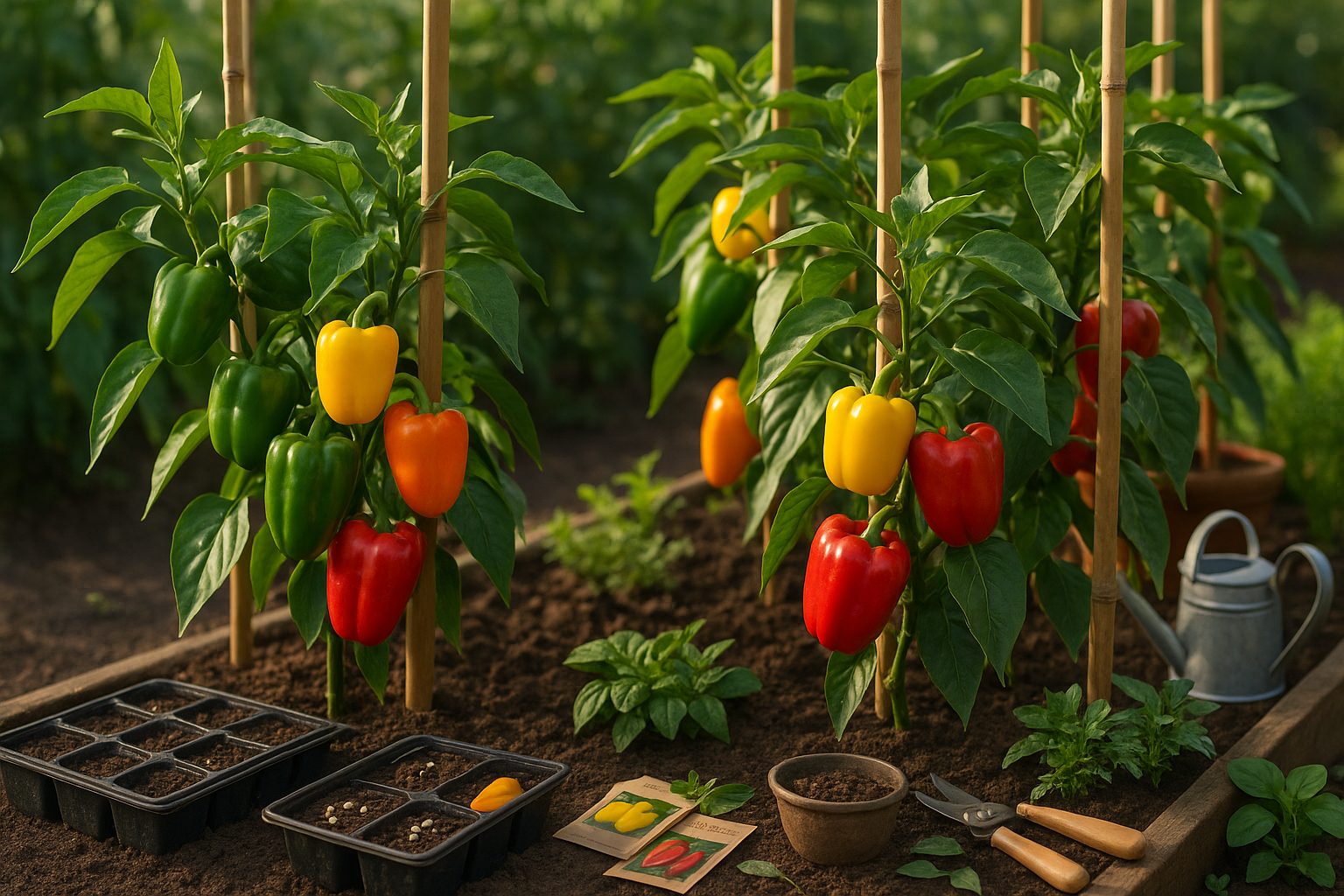
Do bell peppers need staking? If you’ve ever grown these colorful veggies in your garden, you’ve probably wondered whether supporting the plants is really necessary. Peppers may look sturdy as seedlings, but as the season progresses, their branches can become heavy with full-sized fruit—and that weight often takes a toll.
Many gardeners are surprised when healthy pepper plants start leaning, sprawling, or even snapping under a bumper crop. Windy weather, rain, and even the simple act of harvesting can stress pepper stems, leading to broken branches and lost peppers. That’s why staking can be a game-changer, bringing peace of mind and a bigger harvest.
But does every bell pepper plant need extra support, or can some thrive just fine without it? In this post, we’ll break down when and why staking is helpful, offer straightforward advice for beginners, and share common, budget-friendly ways to keep your pepper plants upright and productive. Whether you’re managing a large backyard plot or just a few pots on a patio, understanding the basics of pepper support could save you both frustration and fruit this season.
The Importance of Supporting Pepper Plants
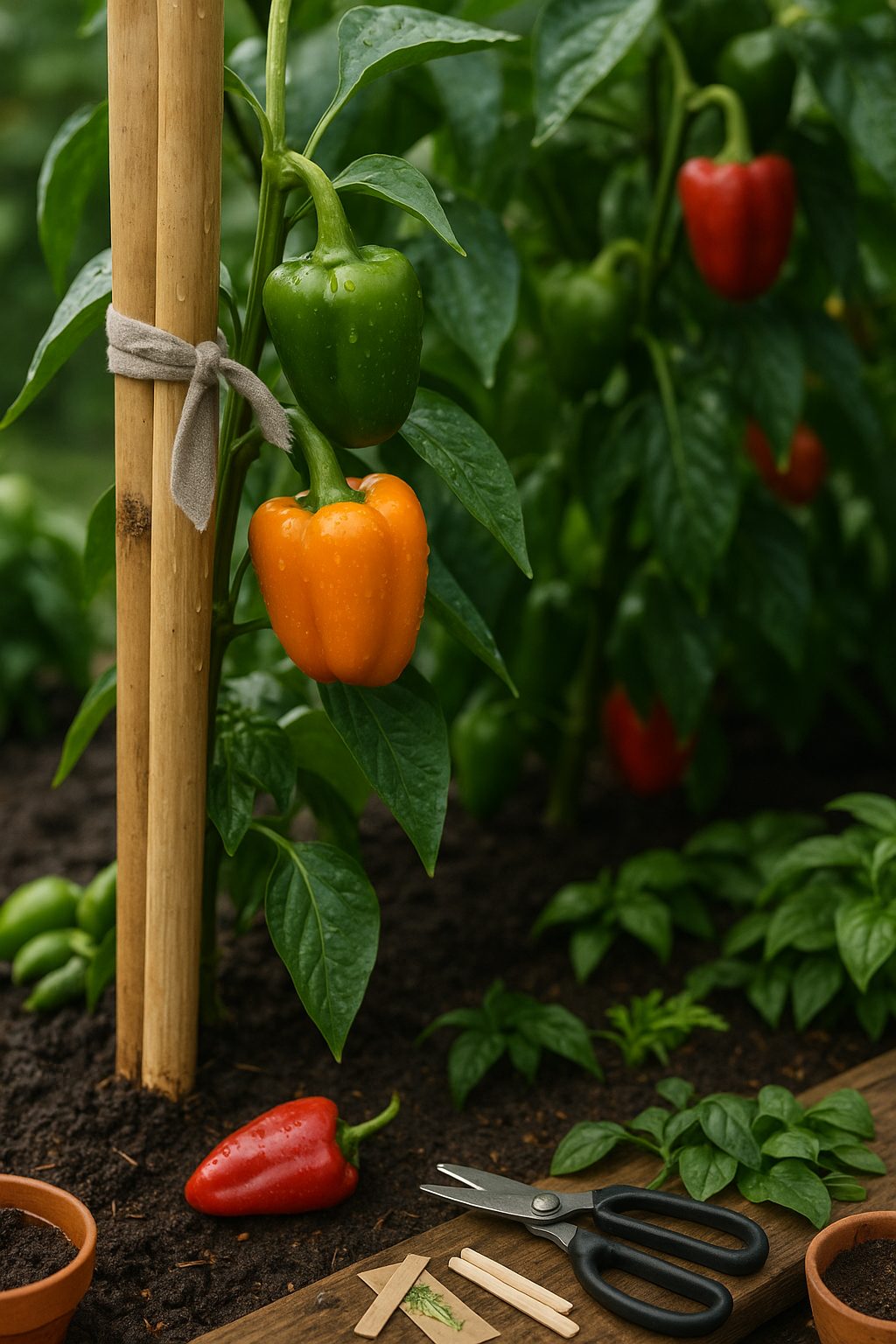
Supporting pepper plants with stakes or cages might seem unnecessary when they are young, but it’s a simple step that pays off with healthier, more productive plants. As peppers grow and begin to fruit, their branches can become heavy and sag under the weight, making them prone to snapping—especially after heavy rains when wet leaves and fruit add extra strain.
Without support, sprawling branches are also more likely to touch the soil, which can lead to disease, pest issues, or fruit rot. Staked or caged plants not only stay upright but also get better air circulation, which helps prevent fungal infections and makes harvesting much easier.
Supports truly shine in windy or exposed gardens where sudden gusts can break branches or topple unprotected plants overnight. Even in raised beds or containers on balconies, structural support safeguards against branches snapping or being dragged down by crowded neighbors and curious animals.
For a quick DIY solution, gardeners can use bamboo sticks and soft ties, or even weave simple cages from sturdy twigs. Investing a few minutes early in the season to support pepper plants helps ensure those vibrant pods develop fully and reach your kitchen unbruised and abundant.
Signs Your Pepper Plants Need Staking
Pepper plants can be surprisingly top-heavy, and there are several clear signs that your peppers may need staking soon. One of the easiest indicators is drooping stems—if you see your pepper branches bending downward or resting on the soil, the plant is likely struggling to support itself, especially as fruits develop and get heavier.
Leaning is another warning sign; plants that grow at an angle or tilt after wind or watering are telling you they can’t stand up on their own. Pay extra attention to varieties known for large or heavy fruits, such as bell peppers, poblanos, and some sweet banana peppers, since these often require staking compared to smaller hot pepper types.
Even early in the growth stage, a plant that’s shooting up tall without much side growth can benefit from gentle support to keep it upright and healthy.
Staking isn’t only important for keeping plants looking neat—it can save your harvest during environmental stress, too. Strong winds, heavy rain, and sudden growth spurts—common as the weather warms up or after a good feeding—all put stress on pepper branches.
If your plants are in a breezy part of the garden or often hit with summer storms, staking is a smart preventative step.
By watching for these signs and supporting your peppers as soon as needed, you’ll avoid broken limbs, keep fruit off the ground, and help your plants thrive all the way through harvest.
Choosing the Best Support: Stakes, Cages, and Alternatives
When it comes to supporting pepper plants, gardeners have several options, each with its own strengths and drawbacks. Stakes are one of the simplest and most affordable choices—just drive a wooden or bamboo stick into the soil near the main stem, and use soft ties to secure the plant as it grows.
Stakes work especially well for larger, single-stemmed varieties like bell peppers, but may not provide enough lateral support for highly branched or heavy-fruiting plants. Cages, including traditional tomato cages, surround the plant and offer all-around support, making them excellent for bushy pepper types or those prone to toppling in the wind.
However, cages can be pricier and require more storage space in the off-season. For an inexpensive alternative, try repurposing household items: old wire shelves, unused fencing, or even upcycled lattice can be pressed into service with a bit of creativity. Just ensure any material is sturdy and won’t injure stems.
Whichever method you choose, consider both your pepper variety and your garden’s layout.
- Compact peppers grown closely together in raised beds might do best with small, hoop-style cages or a shared trellis, maximizing limited space without crowding roots.
- For sprawling varieties or those bearing heavy fruit—like banana peppers or poblanos—individual stakes or larger cages can prevent breakages and keep fruits off the ground.
Always install supports early in the season, before the plants get too tall or heavy, to avoid damaging roots. With a little forethought, the right support system will keep your pepper plants upright, healthy, and easy to harvest, whether you opt for classic stakes, sturdy cages, or clever DIY solutions.
How to Stake Pepper Plants Properly
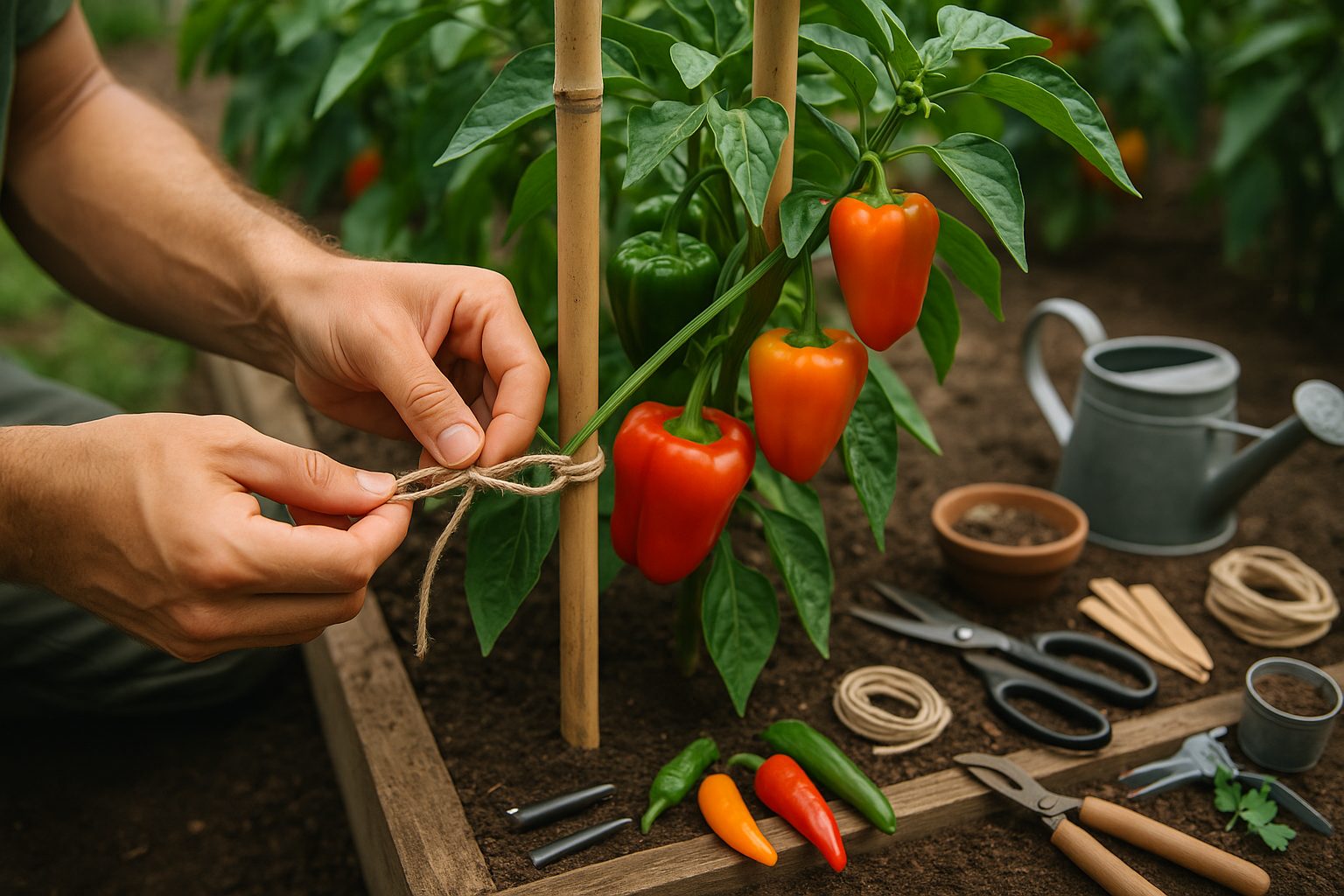
Staking pepper plants is a simple way to keep them upright, healthy, and productive—especially as heavy fruits begin to weigh the stems down. Start by choosing sturdy bamboo stakes or similar supports about 2-3 feet tall for young plants, as they’ll provide enough support for all but the tallest varieties.
Insert the stake into the soil roughly 1-2 inches away from the base of the plant to avoid damaging roots, and push it down several inches for good stability. For mature or especially tall pepper varieties, consider using tomato cages, trellises, or multiple stakes placed around the perimeter for extra support.
When tying your plant to the stake, use soft, stretchy materials like garden twine, old pantyhose, or fabric strips, creating a loose figure-eight loop with the tie so the plant stem isn’t pinched and can still move a little with the wind. Make your first tie about 6 inches above the soil, then add more ties every 8-12 inches up the stem as the plant gains height or becomes heavy with peppers.
Regularly check and adjust your ties as the stems thicken—a too-tight tie can harm the plant and restrict growth. For young peppers, a single, lightly tied stake is often enough, but mature plants may need extra attention as the foliage and fruit expand.
Throughout the season, keep an eye out for branches leaning under the weight of fruit and add more support where needed. Always retie if any connections seem too tight or if plants outgrow their original support.
Taking these simple steps ensures your peppers stay off the ground, grow straight, and can produce plenty of healthy, unblemished fruits.
Caring for Supported Pepper Plants
As your pepper plants grow, it’s important to regularly check their supports—stakes, cages, or trellises—and make adjustments as the stems and branches thicken. Loosen or re-tie any garden twine, Velcro strips, or soft ties to prevent them from cutting into the plant as it matures. Always secure stems gently to allow for movement in the wind.
Alongside adjusting supports, monitor your plants for pests, yellowing leaves, or signs of disease, and remove any unhealthy foliage to keep problems from spreading. Pruning side shoots or excess branches can also help improve airflow and sunlight, leading to healthier fruits and reducing the risk of rot.
When it comes to watering, keep the soil moist but not soggy. Check it with your finger—peppers generally like consistent moisture but can suffer if the roots stay wet for too long.
As your peppers ripen, harvest them with care: use clean garden scissors or pruners to snip the stem just above the fruit. Hold the pepper in your hand to avoid snapping branches or tearing the plant. This not only helps prevent accidental injury but can also encourage more blooms and fruiting, giving you a longer harvest season.
Regular attention to these tasks helps your supported pepper plants thrive and increases your yield of beautiful, flavorful peppers.
Troubleshooting & Preventing Common Support Issues
Pepper plants can be surprisingly delicate, and common support problems—like tie damage, wobbly stakes, or missed signs of stress—often sneak up on even experienced gardeners. One frequent issue is using wire or plastic ties that cut into stems as the plants grow. Instead, opt for soft materials like cloth strips, old t-shirts, or velcro plant ties, and check them every week for snugness.
Toppling is another headache, especially after storms or heavy fruiting. To prevent this, drive stakes or cages into the soil right after transplanting, positioning them a few inches from the main stem so roots aren’t injured.
If you notice pepper plants leaning or leaves wilting (early signals of stress), gently retie them and ensure supports are firmly anchored. Always monitor the weather, adding extra ties before strong winds, and consider mulching to stabilize the soil.
Finally, avoid overhandling supported plants; excessive rearranging may do more harm than good. By regularly checking your supports and being proactive with gentle ties and sturdy stakes, you’ll help your peppers thrive all season long and avoid frustrating support failures.
Final Tips for Healthier, More Productive Peppers
Beyond staking, ensuring vibrant, productive pepper plants starts with the soil. Choose a well-draining, nutrient-rich mix by blending quality compost or aged manure into your garden bed or containers. Peppers thrive in slightly acidic to neutral soils (pH 6.0–7.0), so test and amend accordingly.
Feeding is also crucial; start with a balanced fertilizer at planting time, then switch to a low-nitrogen, high-potassium mix as fruit sets to boost growth without promoting excessive leafiness.
When it comes to watering, peppers prefer consistent moisture but dislike soggy roots—water deeply when the top inch of soil dries out, rather than shallowly every day. Early morning watering helps prevent fungal problems and allows leaves to dry quickly. Mulching with straw or shredded leaves can help retain soil moisture and reduce weeds.
Most importantly, keep a close eye on your plants: look for yellowing leaves, stunted growth, or wilting, and adjust care as needed. Sometimes a little shade cloth during hot afternoons or a gentle pest patrol can make all the difference.
By observing and responding to your pepper plants’ needs throughout the season, you’ll encourage healthier plants and a bigger, tastier harvest.