Introduction
Bell peppers are a staple in many home gardens thanks to their crisp texture, sweet flavor, and versatility in the kitchen. As more gardeners turn to raised beds and pots for their vegetable patches, finding effective bell pepper support methods becomes increasingly important. Growing bell peppers in containers or raised beds offers plenty of benefits—improved soil control, better drainage, and easier access for tending and harvesting.
However, it also presents unique challenges, like restricted root space and greater exposure to wind or heavy rain, which can leave pepper plants vulnerable to bending or snapping under the weight of their fruit. Providing the right kind of support not only helps prevent damage but also encourages healthier, more productive plants.
In this post, we’ll explore practical tips and bell pepper support methods suited for both raised beds and pots, so you can enjoy a bountiful harvest of sturdy, vibrant peppers no matter your space constraints. Whether you’re a seasoned container gardener or trying raised beds for the first time, a little extra attention to how your plants are supported can make all the difference.
Why Bell Peppers Need Support
Bell peppers typically have bushy, upright growth, but as the season progresses and the plants start producing fruit, their stems can become overloaded. Each bell pepper, especially the larger varieties, adds significant weight that may stress slender branches lacking natural sturdiness. Without proper support, you’ll often see plants drooping or even snapping under the weight, resulting in bent branches and sometimes irreparably broken stems. This not only harms the appearance of your plants but also creates wounds that leave bell peppers vulnerable to pests and diseases. Additionally, unsupported plants tend to produce fewer and smaller fruits because energy is diverted to repairing damage instead of developing peppers.
When grown directly in open ground, bell peppers benefit from extensive root systems that help anchor them. However, sudden wind gusts or heavy rains can still cause them to topple. In more contained environments—like raised beds, large pots, or grow bags—support becomes even more critical. These setups offer less soil depth and lateral anchoring, making plants more prone to shifting or leaning as they grow taller and heavier. For potted peppers especially, roots can’t spread wide enough to provide natural stability, so stakes, cages, or trellises are practically essential. Gardeners who overlook these bell pepper support methods may be disappointed by lower yields or damaged plants, especially when fruits begin to ripen and weigh branches down. Investing a little time in support upfront pays off with healthier plants and a better harvest.
“`html
Choosing the Right Support Structure
When it comes to bell pepper support methods, selecting the right structure is key for healthy growth and a great harvest. Common options include stakes, cages, trellises, and some creative DIY alternatives.
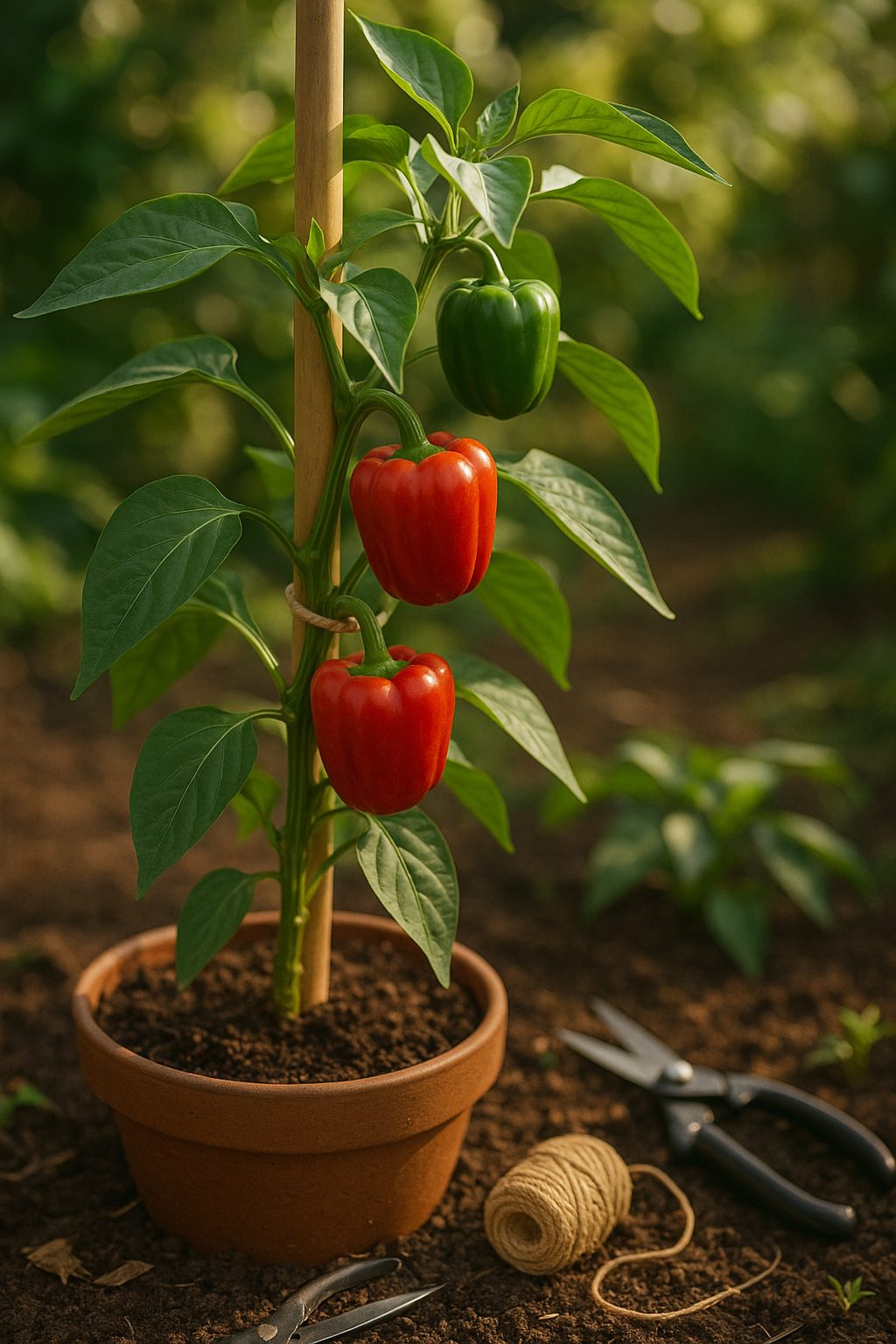
Single wooden or bamboo stakes are a budget-friendly choice, perfect for raised beds where you can drive the stake deep into the soil. They provide upright support while taking up minimal space but require regular tying and careful monitoring as the plants grow.
Tomato cages, made of wire or heavy-duty plastic, offer 360-degree support and help prevent damage from wind or heavy fruit. These cages work well in both raised beds and larger pots—just make sure they fit comfortably without crowding the container. However, they do take up more horizontal space and may be less practical in very tight areas.
Trellises are less common for bushy bell peppers but can be useful if you grow multiple plants close together. Using a horizontal string trellis or ladder-style structure in a raised bed lets plants lean collectively for support. This method minimizes the footprint while maximizing vertical growth, though it can be tricky to set up in small containers or single pots.
If you’re feeling crafty, DIY alternatives are great too. Try repurposing old tomato cages, fashioning simple grids with garden twine and stakes, or using lattice sheets against a wall. These options allow you to customize the footprint to your available space, though they might not be as sturdy as commercial supports.
For raised beds, stakes and cages are the most practical, offering stability and customizable spacing. In pots or containers, opt for compact cages or a single sturdy stake positioned deep enough to prevent toppling. Remember, the right bell pepper support method not only prevents broken stems and sagging fruit but also improves air circulation, reducing disease risk and making harvesting easier—especially when space is tight.
“`
How to Install Supports in Raised Beds
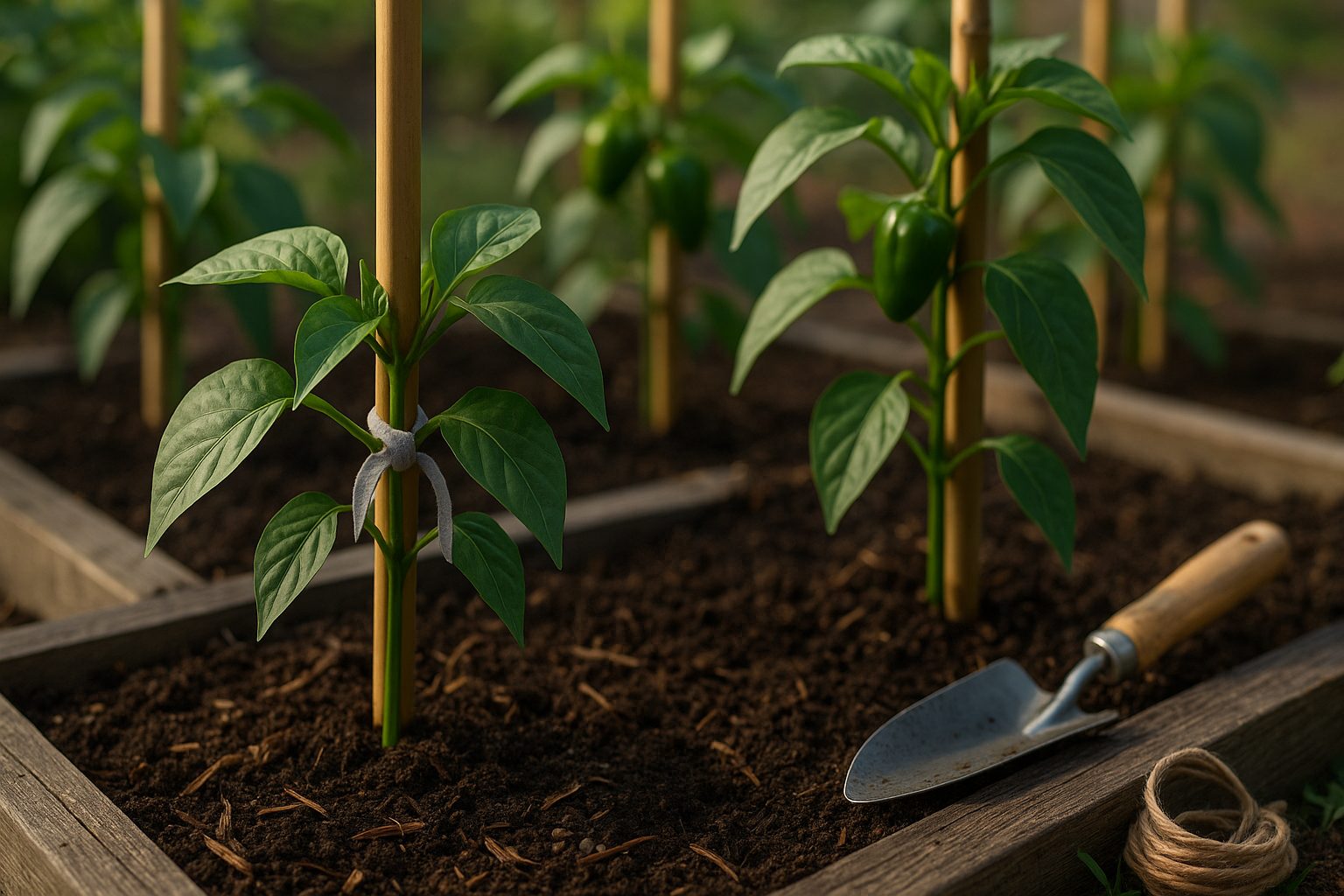
To successfully install bell pepper support methods in raised beds, start by choosing sturdy materials suited for the size of your beds and plants. Popular options include bamboo stakes, tomato cages, or U-shaped wire supports. First, determine the spacing: each pepper plant generally requires about 18 to 24 inches of space on all sides. Place supports accordingly to avoid crowding and allow easy access for watering and harvesting.
At planting time—or when seedlings are just a few inches tall—insert stakes or cages about 6 inches deep into the raised bed soil, positioning them 2-3 inches away from the base of each plant. Installing supports early prevents root disturbance later and provides immediate stability as the plant grows. For bamboo stakes, tie a loose loop of soft garden twine around the plant’s stem and the stake to encourage upright growth without damaging the stem.
In windy areas or with particularly heavy fruit sets, anchor supports more deeply or secure the base with garden staples or larger rocks pressed into the soil around the stake. As your peppers mature and branch out, check weekly to add more ties or adjust for growth, keeping the plant upright and well-ventilated.
If you didn’t install supports at planting, add them as soon as branches start to droop or set fruit. This proactive approach with the right bell pepper support methods helps keep plants healthy, fruits elevated, and your pepper patch looking tidy.
Supporting Bell Peppers in Pots
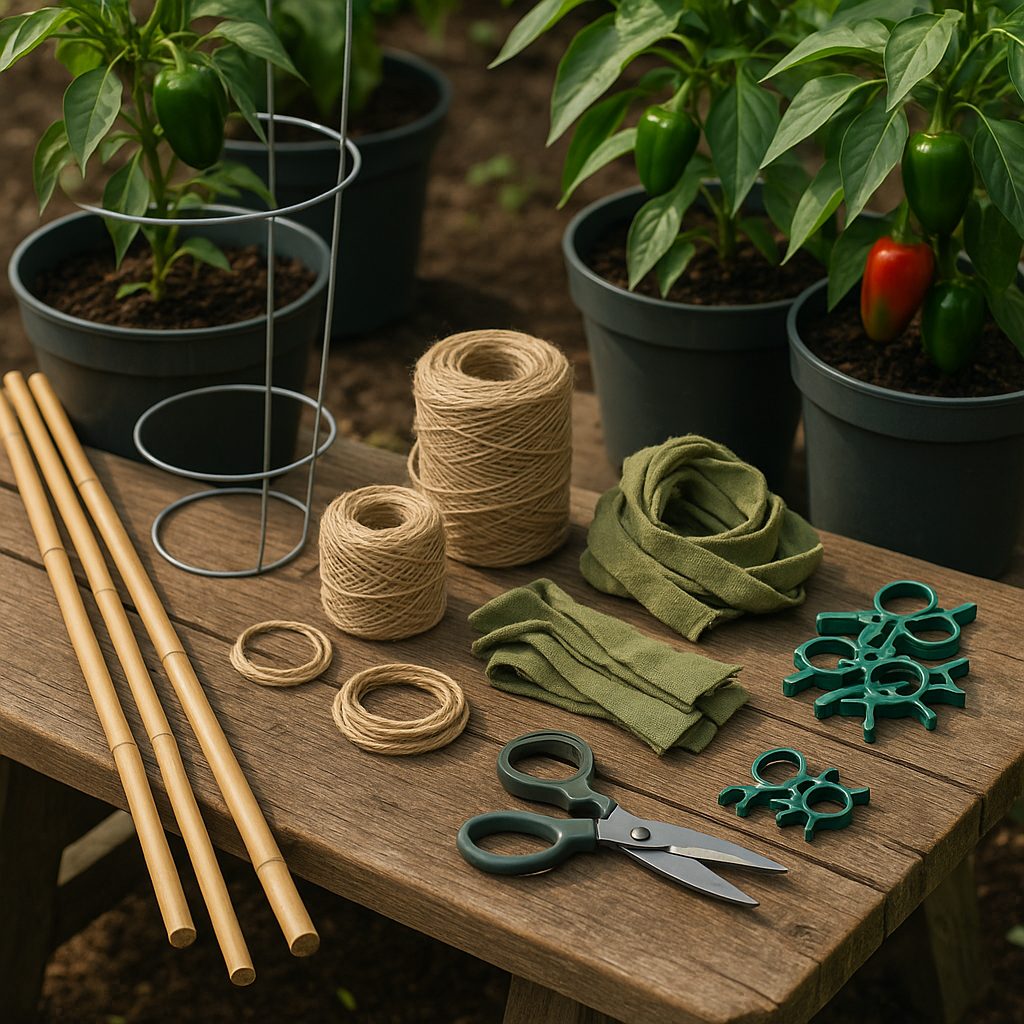
Growing bell peppers in pots is a fantastic way to make the most of small spaces, but it does present some unique challenges for support. Containers have less soil to anchor stakes or cages, so traditional methods can sometimes wobble or tip over as the peppers grow and start to fruit.
To stabilize stakes in smaller pots, opt for sturdy bamboo canes or coated metal rods that reach the base of the pot. Anchor them deeply by pressing into the soil and wedging against the inner rim. For added stability, tie the stake to the pot’s handles or rim using garden twine or zip ties.
If you prefer using cages, choose compact, narrow tomato cages or pepper-specific cages. Press the legs all the way to the bottom of the pot and, if possible, secure them with twist ties threaded through the drainage holes.
In tight balcony or patio spaces, wall-mounted trellises or railing supports work well. Run soft string or plant clips from these fixtures to gently hold the stems upright.
Another clever option is to arrange a cluster of chopsticks or bamboo skewers teepee-style around the plant, securing them together at the top—ideal for apartment gardeners or those using window boxes or wide pots.
No matter which bell pepper support methods you choose, go for lightweight materials and adjust regularly as the peppers grow. Always check that ties remain loose enough to avoid damaging the stems. With a little creativity, you can provide effective support even in the smallest pots or tightest spaces.
Tying and Training Techniques for Bell Peppers
Proper tying and training techniques are essential for supporting bell peppers and promoting strong, healthy growth, especially in raised beds and containers. Start by using soft, flexible materials like garden tape, stretchy plant ties, or strips of old t-shirts—these prevent damage to the delicate stems as the plant grows. Avoid wire or rough string, as they can cause abrasions or restrict growth.
To tie your bell pepper plants, gently loop the tie around the stem just below a sturdy branch or leaf node, then loosely secure it to your chosen support, such as a stake or trellis. Make sure there’s enough slack for the stem to move and thicken, but not so much that the plant is unsupported during wind or heavy fruiting.
As the plant grows taller, add ties every 8-12 inches to keep it upright and guide its shape. Check and adjust the ties every week or two, especially after storms or periods of rapid growth, to prevent constriction and ensure the support remains stable. Consistently using these bell pepper support methods from early on helps prevent stem breakage, encourages strong structure, and can ultimately boost both yield and ease of harvest.
Common Mistakes and How to Avoid Them
One of the most frequent mistakes gardeners make with bell pepper support methods is tying the stems too tightly to stakes or cages. This can restrict growth and even damage the delicate plant tissue as the stems thicken over time. To avoid this, use soft materials like garden twine or strips of cloth, and always leave a little slack so the plant can move and grow.
Another common error is choosing unstable supports or not anchoring them deeply enough in raised beds or pots. Flimsy stakes can topple over in strong winds or under the weight of ripening peppers. To prevent this, opt for sturdy stakes and press them several inches into the soil for extra stability.
Many gardeners also wait too long to install supports, only adding them after plants start to flop under the weight of the fruit. It’s best to add cages or stakes at the time of planting to encourage upright growth from the start. If your peppers are already struggling, gently prop them up, secure the main stems, and prune any damaged branches.
Finally, make a habit of regularly checking your plants throughout the season. Adjust ties and supports as the plants grow to prevent damage and give your peppers the steady support they need to thrive.
Conclusion
Proper bell pepper support methods are crucial, especially in raised beds and pots where plants are more exposed to wind or crowded conditions. Providing your bell peppers with strong, reliable support helps prevent breakage and encourages healthy, upright, and productive growth. Whether you choose staking, caging, trellising, or even simple DIY solutions, these methods can significantly improve fruit quality and yield. With the right approach, your bell peppers will thrive. Got a favorite support trick or a question about your setup? Share your thoughts and experiences in the comments below—we’d love to hear from you!