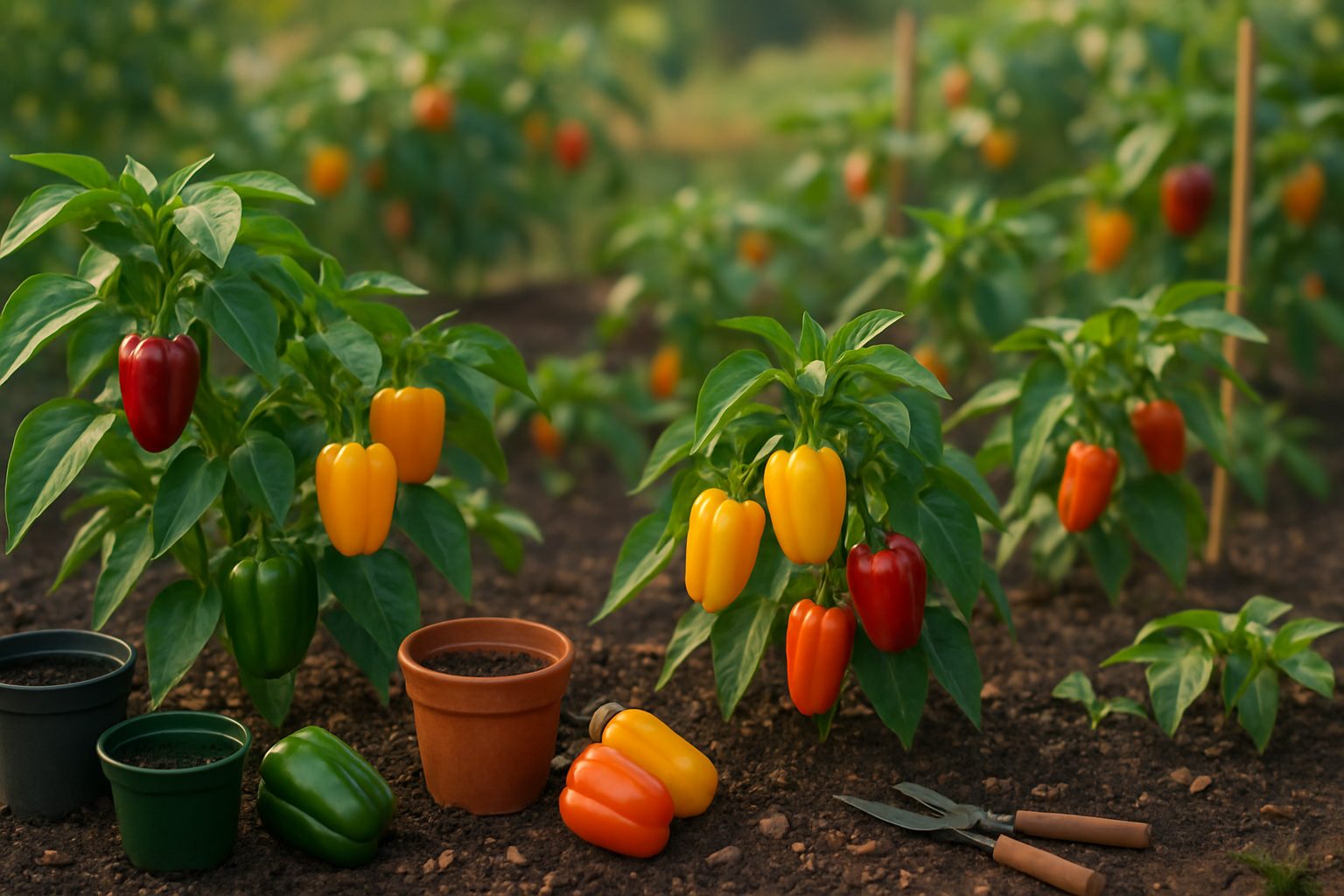
Introduction to Growing Peppers
If you’ve ever thought about adding a pop of color and a kick of flavor to your vegetable patch, it’s hard to beat the satisfaction of homegrown peppers. Whether you lean toward the sweet crunch of bell peppers or the bold heat of hot varieties, these plants offer endless possibilities in the kitchen—think fresh salads, sizzling stir-fries, or stuffed and roasted as a main dish.
Plus, the brilliant reds, yellows, oranges, and greens that peppers bring to your garden are a feast for the eyes as much as your plate. But to truly succeed, getting your planting setup right is key, and that’s where a reliable bell pepper spacing guide becomes invaluable.
In this post, you’ll learn how to space your peppers perfectly in beds or rows (and yes, even in containers), helping you avoid crowded plants that struggle to set fruit or fight off disease. We’ll cover every step: from prepping your soil and planting the first seedlings, to essential care routines, troubleshooting common pepper problems, and knowing the best time to pick your harvest. You’ll even find simple safety tips for handling spicy varieties.
Whether you have a sprawling backyard bed or just a few big pots on your patio, this guide will help you grow peppers like a pro.
Choosing the Right Pepper Variety and Planning
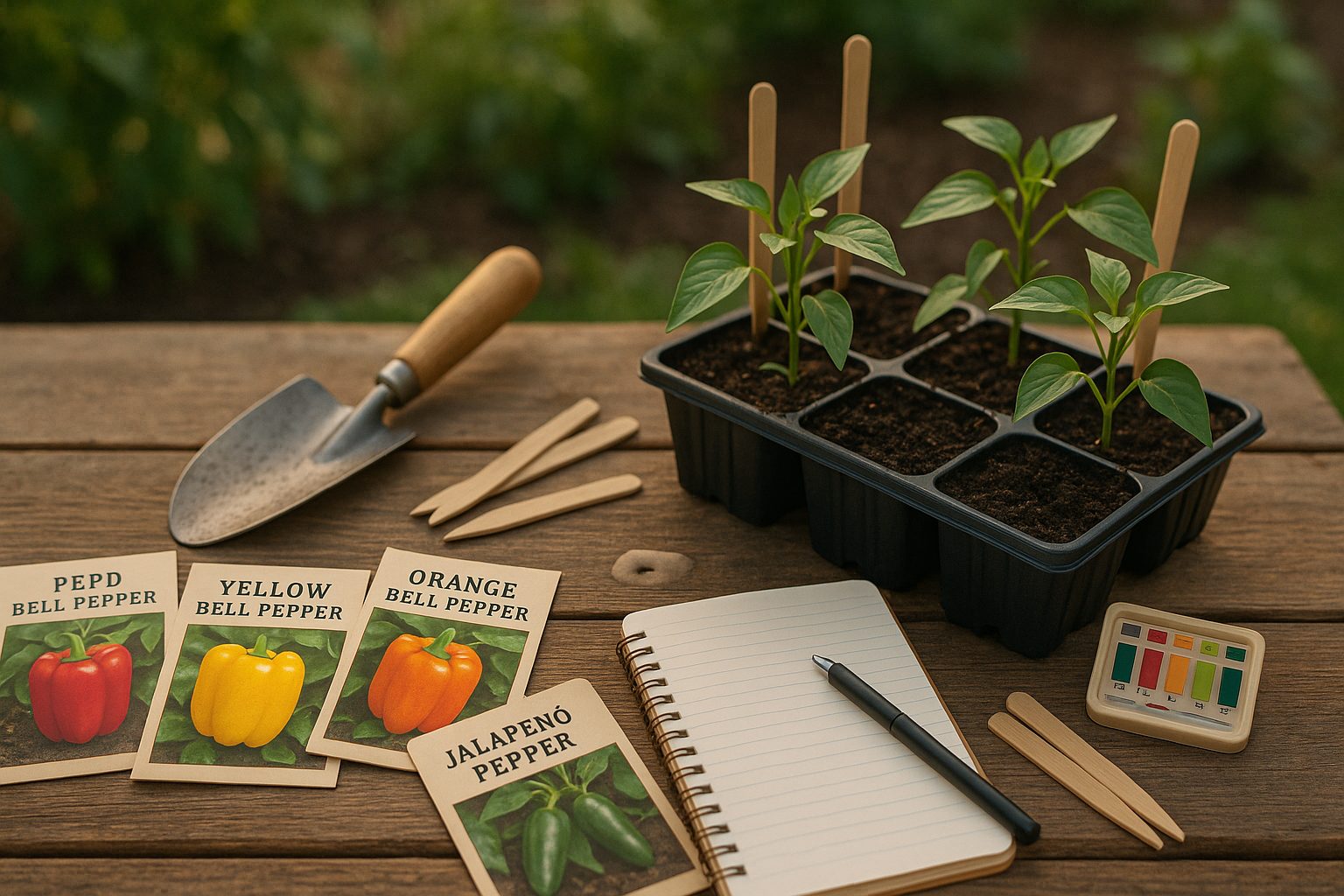
Selecting the ideal pepper variety starts with understanding your culinary preferences and garden setup. For example, bell peppers are a sweet, crunchy staple in salads and stir-fries, while jalapeños add a moderate kick to salsas and nachos. If you crave more heat, habaneros—the fiery favorite of hot sauces—are a robust choice, and mild banana peppers work wonderfully for pickling or sandwiches.
When shopping for seeds or seedlings, it’s important to read the packet or label closely. Look for “days to maturity”—this tells you how long until the peppers are ready to harvest, which matters if you live in a region with a short growing season. “Heat level” is often listed in Scoville units, ranging from zero (bell peppers) to 300,000+ (habaneros), so pick varieties that match your family’s spice tolerance. Watch for notes on disease resistance (like “resistant to TMV” or “Verticillium wilt”)—these can help prevent headaches for new gardeners.
Planning how many plants to grow depends on available space, whether you have full sun, and your climate. For example, a couple of well-tended bell pepper plants in a sunny raised bed can supply enough for a small family, while chili fans might want to dedicate more room to spicy varieties. In colder zones, look for early-maturing peppers or consider starting seeds indoors to get a head start.
Remember, peppers love warmth and consistent watering, so group them where they’ll thrive. Finally, don’t overplant—crowding reduces airflow and increases disease risk, so it’s better to grow a few healthy, productive plants than many struggling ones in a small space. With a bit of planning, you can enjoy a pepper harvest suited to your taste and kitchen needs.
Soil Preparation, Planting, and Spacing
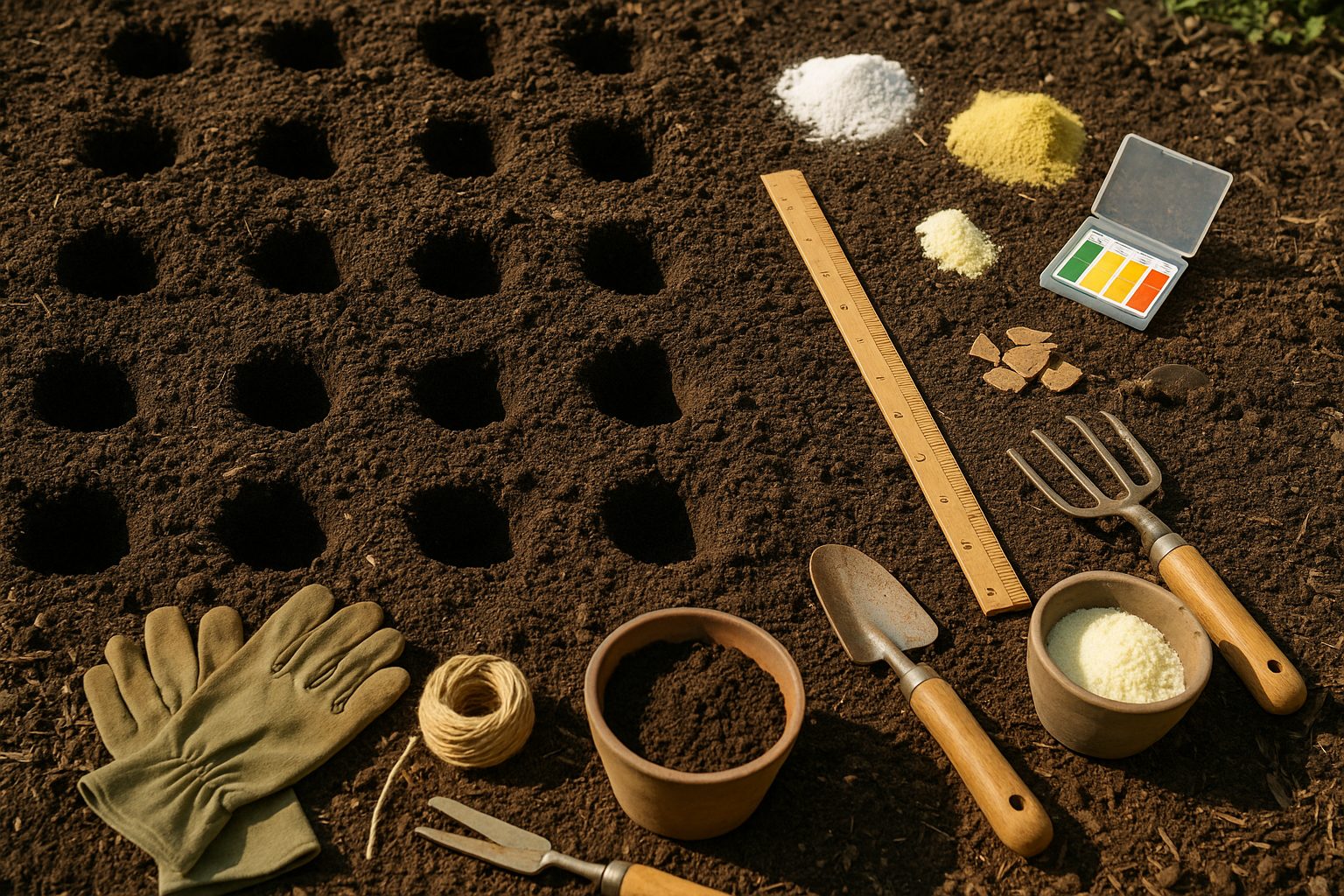
Getting your garden off to a strong start begins with soil preparation and smart planting techniques. The ideal soil for most vegetables and flowers should be loose, fertile, and well-draining—think of a crumbly texture that lets roots spread out easily and excess water drain away. Amending your soil with compost not only boosts fertility but also helps achieve this structure.
Don’t overlook soil pH: most edible plants thrive in a neutral to slightly acidic range (pH 6.0–7.0), so it’s worth testing with a basic kit from the garden center and adjusting with lime or sulfur as needed.
When it comes to planting, you have two main methods: starting seeds indoors or sowing them directly outdoors. Starting seeds inside gives you a head start on the season and works well for crops with longer maturity times like tomatoes and peppers. Wait until seedlings have developed true leaves and outdoor soil has warmed—usually after the last frost—before transplanting them to the garden to avoid shock and stunted growth.
For crops that grow quickly or dislike transplanting, such as beans and carrots, direct sow seeds in their final location once the danger of frost has passed.
Proper spacing between plants is crucial for healthy growth, good air circulation, and preventing disease. For instance, tomatoes should be 18–24 inches apart to allow ample airflow and reduce blight risk, while lettuce can be planted 6–8 inches apart since it takes up less space. Always follow seed packet or plant tag guidelines—they’re tailored to each plant’s mature size and needs.
Crowded plants often compete for light and nutrients, resulting in smaller yields and more pest problems, so resist the urge to pack them in too tightly.
Pepper Plant Care and Maintenance
Caring for pepper plants isn’t complicated, but consistency is key for healthy growth and a bountiful harvest. Start with watering: peppers like even moisture but don’t tolerate soggy roots. Aim to water deeply once or twice a week, letting the top inch of soil dry out between drinks—this encourages deep rooting and reduces disease risk.
Early in the season, use a balanced fertilizer when transplanting, then switch to a low-nitrogen, high-potassium blend as flowers form to boost fruiting. Feeding every three to four weeks is usually enough.
Mulching around your pepper plants with straw or chopped leaves helps the soil retain moisture, keeps roots cool, and suppresses weeds.
As plants grow and begin to set fruit, their branches can get heavy and prone to breaking, especially with larger varieties. Gently stake plants with bamboo canes or secure them to tomato cages for added support.
Keep an eye out for common pests like aphids or spider mites; a strong spray of water or some insecticidal soap typically keeps mild outbreaks in check. Also, check the undersides of leaves for eggs or larvae every few days.
For weather protection, peppers appreciate a little shielding from strong winds and cool nights—row covers or plant cloches work well, especially if there’s a surprise cold snap in the forecast.
Consistent care with these basics will help your pepper plants thrive, whether you’re growing sweet bells or fiery chilies.
Dealing with Common Pepper Problems
Peppers are tough plants but can sometimes run into a few pesky problems in the garden. Common insect troubles include aphids, spider mites, and cutworms.
You’ll know aphids or spider mites are present if you see tiny insects clustering on the undersides of leaves, sometimes leaving sticky residue or webbing. Spray affected leaves with a strong blast of water or use insecticidal soap to deter them, and release ladybugs for natural control.
Cutworms, which snip seedlings at the soil level, can be kept at bay by placing collars (like cut-up toilet paper rolls) around the stems and keeping garden beds weed-free.
For diseases like blight or wilt, watch for yellowing, wilting, or spotting on leaves. Improve airflow by spacing plants out and avoid watering from above. You can spray a baking soda solution or copper-based fungicide if needed, and be sure to clear away any infected debris promptly.
If pepper leaves look pale or develop purple veins, your plant might have a nutrient deficiency. Regularly feed with a balanced, organic fertilizer and add compost to maintain healthy soil.
Blossom-end rot, showing as black sunken spots on the fruit bottoms, signals a calcium deficiency, often caused by uneven watering. Mulch around plants and stick to a consistent watering schedule.
Peppers that are slow-growing or stunted may be rootbound or struggling with poor soil. Transplant them to larger pots or enrich the ground with organic matter.
Paying close attention to these clues and responding quickly helps keep your pepper plants thriving and productive all season long.
Harvesting and Storing Peppers
Knowing when to harvest peppers is key to getting the best flavor and texture. Start by checking the color—most varieties, such as bell or jalapeño, change from green to red, yellow, or orange when fully ripe, though some are picked green depending on your taste preference.
Size is another clue: compare your peppers to the seed packet or label’s size guide. Firmness matters too; ripe peppers should feel solid, not soft or wrinkled. If you’re picking hot peppers like habaneros or serranos, always wear gloves and avoid touching your face to prevent irritation from capsaicin oils.
Use garden shears or sharp scissors to snip each pepper from the plant, leaving a short stem attached.
Storing Peppers
For storage, keep fresh peppers unwashed in the refrigerator for up to two weeks in a breathable bag. To preserve them longer, try drying—either air-drying, using a dehydrator, or oven-drying—before storing them in an airtight container. Dried peppers can be rehydrated or ground into chili flakes.
Peppers also freeze well—just wash, chop, and freeze in a single layer before transferring to bags or containers.
Using Your Peppers
Fresh peppers are delicious sliced into salads, stuffed and baked, or sautéed for fajitas, while preserved peppers add heat and depth to soups, stews, homemade salsas, or spicy oils. With a little planning, your pepper harvest can flavor your dishes for months to come.
FAQs and Extra Tips for Pepper Growers
Pepper growers often wonder why their pepper fruits sometimes turn black—don’t worry, this is usually normal! Peppers can develop dark patches from sun exposure or natural ripening, but if the spots are soft or moldy, that could indicate disease.
Another frequent question is whether peppers need pollinators. While most peppers are self-pollinating, bees and wind can improve fruit set, so plant flowers nearby to support your garden’s pollinator visitors.
Many gardeners ask about slow growth or poor yields; often, this is due to cool weather or overwatering—be patient and make sure your soil is warm and well-drained.
Extra Tips
- Try companion planting by growing basil or marigolds next to your peppers to help deter pests.
- Save seeds from your most productive and tastiest peppers for next season—just dry them thoroughly on a paper towel first.
- Experiment a little each year: try new varieties, mix up your garden layout, and have fun with your harvest.
Growing peppers is as much about enjoyment as it is about the produce, so celebrate every colorful fruit you pick!