
Introduction
Juicing beet types has surged in popularity, and it’s easy to see why—fresh beet juice delivers a powerful nutritional boost, packed with vitamins, antioxidants, and natural sweetness all in one glass. Many health enthusiasts swear by beets for their energizing nutrients, vibrant color, and earthy flavor that pairs perfectly with apples, carrots, and citrus.
But here’s the catch: not all beet varieties are equally suited for juicing. Some are sweeter, others have a milder taste, and some boast even more nutrients or less of that signature earthiness. Choosing the right type can make all the difference, whether you’re after a bold, rich flavor or something more delicate for your morning juice.
In this guide, we’ll explore the top juicing beet types, compare their flavors and nutritional benefits, and offer practical tips for selecting the best ones at the farmers’ market or grocery store. Whether you’re a seasoned juice lover or just getting started, you’ll find everything you need to make your next glass of beet juice both delicious and nourishing.
Why Variety Matters When Juicing Beets
When it comes to making delicious, nutrient-rich beet juice, not all beets are created equal. The type of beet you choose can significantly affect the taste, texture, and color of your juice—making juicing beet types an important topic to explore.
Some beets, like the classic red Detroit Dark Red, offer a deep, earthy sweetness and a high water content that yields a smooth, beautifully colored juice ideal for beginners. In contrast, golden beets tend to be milder and less earthy, delivering a subtly sweet and slightly nutty flavor with a bright golden hue—perfect for those who want to avoid the staining and strong taste of red beets. Chioggia, with its candy-striped flesh, produces a lighter, even sweeter juice and adds visual flair, though it’s more delicate and may oxidize faster.
When choosing a beet variety for juicing, consider sweetness (for palatable, easy-to-drink juice), earthiness (for robust, bold flavors), and water content (for the most juice per beet). For example, juicers seeking a naturally sweet energy boost often choose golden or Chioggia beets, while those wanting a bold, nutrient-dense drink may opt for classic reds. If maximizing juice yield is your goal, pick larger, high-moisture beets like Cylindra.
Ultimately, experimenting with different juicing beet types allows you to tailor your juice to your taste preferences—whether you want something sweet and mellow, earthy and strong, or visually vibrant. Mixing varieties can also balance flavors and maximize both yield and nutrition in each glass.
Top 5 Beet Varieties for Juicing
When it comes to juicing beet types, choosing the right variety can make all the difference in flavor and nutrition. First up is Detroit Dark Red, a classic favorite for juicers. This beet delivers a deep, earthy sweetness with a rich crimson color. Its smooth texture and high water content make blending easy, resulting in a vibrantly hued juice packed with betalains—powerful antioxidants that support detoxification. Detroit Dark Red is perfect for those who enjoy a traditional beet flavor or want to mix their juice with leafy greens and apples for balance.
Next, the Chioggia beet stands out with its striking pink-and-white concentric rings. Chioggia offers a milder, almost candy-like flavor with less earthy aftertaste compared to red beets. Its crisp texture produces a clear, slightly sweet juice that’s lower in bitterness—ideal for beet juice beginners or creating kid-friendly blends.
The Golden Beet adds a beautiful yellow-orange hue to your juice, along with a mellow, slightly nutty flavor. This variety is prized for its less intense “beety” taste and is gentle on digestion. High in betaxanthins rather than betalains, Golden Beets provide unique antioxidants and are perfect for bright, naturally sweet juices that pair well with carrots and citrus.
Early Wonder is a fast-maturing, tender beet that’s great for small kitchens or early harvests. It has a delicately earthy, subtly sweet flavor and is valued for both its roots and vitamin-rich greens, which you can include in your juice. Its soft flesh yields a smooth, easily drinkable consistency, making it a versatile choice—especially if you like blending root and leaf together.
Finally, Cylindra beets, recognizable by their long, cylindrical shape, are particularly juicy with a mild, slightly sweet flavor. Their elongated form makes them easy to handle and yields more juice per beet. With thinner skin, they require less prep, and their juice is perfect for those seeking volume without the strong earthiness of round red beets.
In summary: Detroit Dark Red offers rich, traditional juicing; Chioggia is great for low-bitter blends; Golden Beet provides sweet, mild juice with a sunny color; Early Wonder lets you add greens or enjoy a delicate taste; and Cylindra delivers efficient, high-yield juicing with a gentle flavor. Mix and match to suit your preferences and get the most from your home juicing routine!
How to Choose and Prepare Your Beets for Juicing
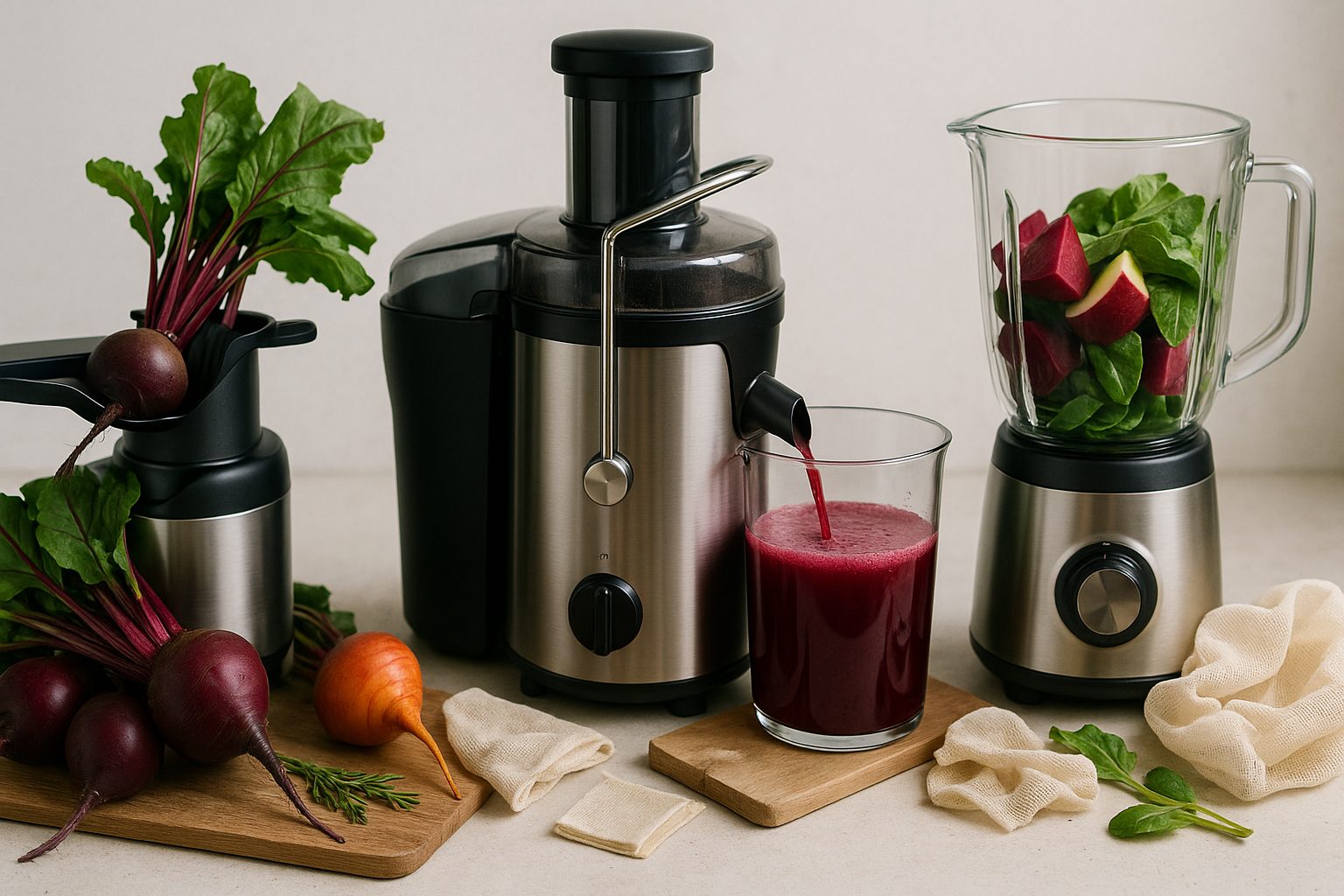
When selecting beets for juicing, choose firm, smooth-skinned roots with a deep color—these usually indicate freshness and a sweeter flavor, essential for great juice. Avoid beets that have shriveled skins, deep cuts, or soft spots, as these may be woody or past their prime. If possible, look for bunches with vibrant, crisp greens attached; healthy foliage suggests the beets were freshly harvested.
For maximum nutrition, consider organic or locally grown juicing beet types, which often have fewer pesticides and more robust flavors. Before juicing, thoroughly wash the beets under running water to remove dirt and debris, paying special attention to crevices near the root and stem. A vegetable brush is especially helpful here.
For most juicing beet types, you can peel the skin or leave it on depending on your juicer’s power and your taste preference—peeling usually results in a smoother, less earthy juice. Chop the beets into smaller pieces to reduce strain on your machine and ensure even extraction.
Don’t throw away the leafy greens—they’re edible and packed with vitamins A, C, and K, plus minerals like iron and calcium. Toss a few washed greens into your juicer along with the beetroot; they not only boost the nutrition but also add a subtle, fresh flavor that balances the sweetness.
With these tips, you’ll get the most from your juicing beet types, creating vibrant, nutrient-rich drinks every time.
Flavor Pairings: What Goes Well With Different Beets?
Pairing the right ingredients with your chosen juicing beet types can unlock their full flavor potential and make each glass more enjoyable. Classic red beets, known for their deep, earthy taste, pair beautifully with bright, tangy fruits. Try blending them with oranges, lemons, or apples, which add a refreshing zing and mellow the earthiness—combine two medium red beets with one orange and a green apple for a balanced juice full of antioxidants.
Golden beets are naturally sweeter and less intense, making them perfect partners for warming ginger or crisp cucumber, which accentuate their mildness without overpowering it. For a vibrant blend, juice two golden beets with a thumb-sized piece of ginger and half a cucumber; this combo is uplifting and easy to drink.
Chioggia (candy-stripe) beets have a delicate flavor and striking color, and work wonders with mild, hydrating ingredients. Consider juicing one Chioggia beet with a handful of fresh mint and a pear to create a subtly sweet, cooling beverage.
To emphasize earthy notes, pair any beet variety with carrots or parsnips, adding a hint of natural sweetness that still highlights the beet’s signature profile. Alternatively, mellow these notes by including pineapple or watermelon, both of which lighten the taste and add a sunny twist.
No matter which juicing beet types you choose, don’t be afraid to experiment—add fresh herbs, squeeze in citrus, or toss in sweet fruits to tailor each blend to your taste.
Nutritional Highlights: Juicing for Health Benefits
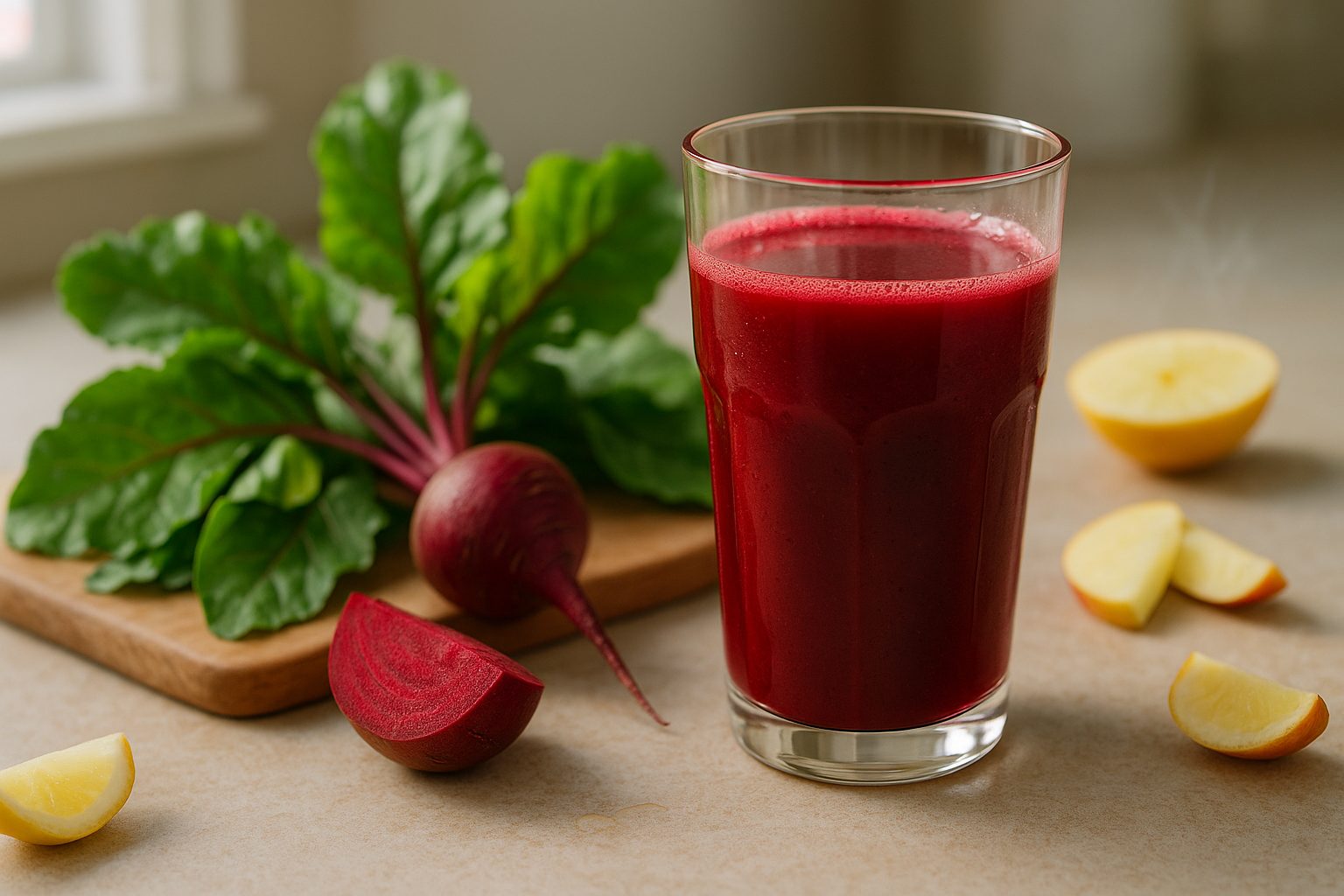
When choosing juicing beet types, it’s helpful to know that different varieties offer unique nutritional benefits. Classic red beets, like Detroit Dark Red, are rich in betalains—powerful antioxidants that fight inflammation and may support liver health. Golden beets have a milder flavor and contain higher levels of lutein and zeaxanthin, which are great for eye health, along with a good dose of vitamin A. Chioggia beets, with their striking pink-and-white rings, are especially high in fiber and vitamin C, boosting immune strength.
All beet varieties are packed with dietary nitrates, which convert to nitric oxide in your body. This helps lower blood pressure and improve cardiovascular endurance—one reason athletes often juice beets to enhance stamina. Beets also provide folate, manganese, and potassium, all essential for healthy blood and nerve function.
To get the most from these health perks, juice beets raw or lightly washed. Peeling is optional if your beets are organic or very clean, as many nutrients are found in or just below the skin. To preserve sensitive vitamins, avoid overheating—juice small batches at a time and keep your machine on a low speed. Drink your beet juice soon after preparing, since air and light can quickly degrade antioxidants and vitamin C.
For a tasty nutrient boost, combine beet juice with fresh lemon or apple. This adds vitamin C, which helps your body absorb iron from the beets. Regularly juicing a mix of these juicing beet types can offer lasting health benefits, from smoother digestion to better heart health and a natural energy lift.
Conclusion & Quick Tips for Juicing Beets
Choosing the right juicing beet types can make a big difference in the quality and taste of your juice. Varieties like Detroit Dark Red offer an earthy richness, while Golden and Chioggia beets bring milder, slightly sweeter notes and add beautiful color to your glass. Mixing beets with apples, carrots, or ginger is a great way to balance flavors and boost the health benefits.
For the best results, always scrub beets thoroughly and peel them if their skin is tough or bitter. Don’t hesitate to try different beet types and blend them with other fruits and veggies—each combination will deliver a unique flavor and nutritional profile. Experiment with proportions and pairings until you find your favorites; you might be surprised at how much you enjoy the variety!
The more you explore, the more delicious and nutrient-packed your beet juices will become.