Introduction
Are you looking to elevate your homemade juices with the freshest ingredients possible? Creating your own juicing beet garden can transform the way you enjoy this nutrient-packed root. Whether you’re a juice lover, a health-conscious gardener, or just starting out, growing beets specifically for juicing offers unbeatable benefits.
Homegrown beets deliver a noticeably richer flavor and a brighter, sweeter taste than most store-bought options. Plus, they’re full of nutrients and antioxidants that are at their peak right after harvest, allowing you to pack more goodness into every glass. Freshly picked beets mean fewer pesticides and better control over the entire growing process—crucial for anyone who cares about what they consume.
If you’re new to gardening, beets are surprisingly beginner-friendly, thriving in small spaces and requiring minimal fuss. Imagine sipping a glass of ruby-red beet juice, knowing it’s not only delicious but grown just steps from your kitchen. By cultivating your own backyard beet patch, you’ll unlock the purest flavors and highest nutritional value, making every juicing session a true farm-to-glass experience.
Whether you juice daily or are exploring the world of homemade health drinks, starting a juicing beet garden is a rewarding step toward feeling—and tasting—the difference homegrown can make.
Choosing the Right Beet Varieties for Juicing
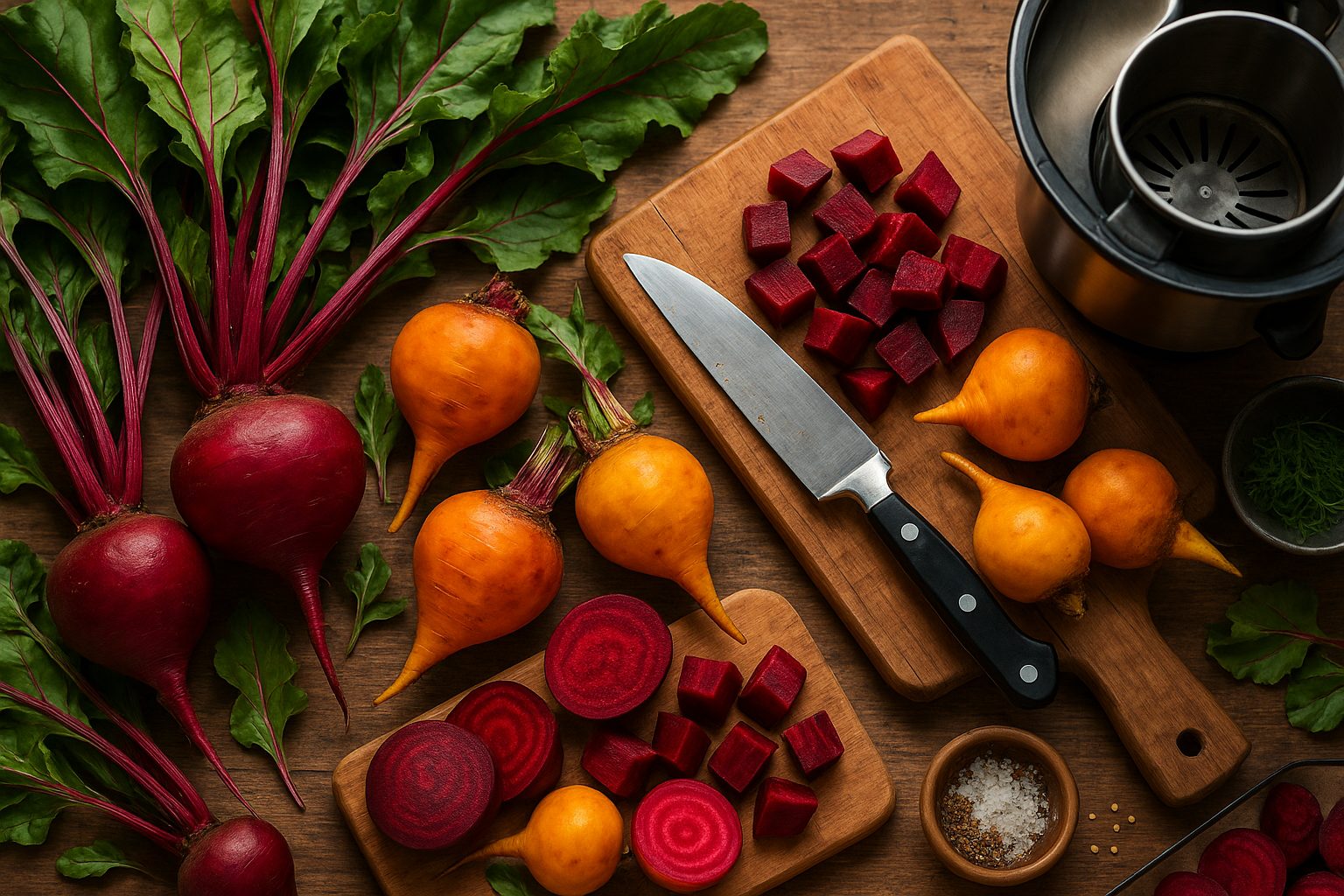
When planning your juicing beet garden, choosing the right beet varieties can make a huge difference in your daily glass of fresh juice. Detroit Dark Red is a top pick for beet juicing enthusiasts thanks to its classic earthy-sweet flavor, deep crimson color, and high juice yield. Its round roots grow quickly and thrive in most climates, making it a reliable staple.
For a twist on the usual beet juice, consider Chioggia, also known as “candy cane” or “bull’s eye” beets. Their striking pink-and-white rings add a beautiful visual to your juice, and they offer a milder, slightly sweeter taste with less earthiness—perfect if you prefer a lighter flavor.
Golden beets are another standout option. With their sunny yellow flesh, they produce a subtly sweet, mellow juice that doesn’t stain and blends beautifully with citrus or apple. Golden beets are lower in earthy compounds that some people avoid, and their slightly higher sugar content contributes to a smooth, pleasant finish.
Cylindra beets, with their elongated roots, offer an efficient choice for juicing. Their uniform shape makes cleaning and processing easier, while their flavor closely matches Detroit Dark Red in richness and sweetness.
In terms of yield, Cylindra and Detroit Dark Red typically produce abundant harvests. Chioggia matures quickly and is ideal for repeated sowings, especially in shorter growing seasons. Golden beets, being more heat-tolerant, are great for summer gardens.
By mixing and matching these varieties in your juicing beet garden, you’ll enjoy both versatility and vibrant flavors in every glass.
Preparing Your Garden Space for Beets
Creating the ideal juicing beet garden starts with preparing your garden space to meet the needs of this vibrant root crop. Beets thrive best in loose, well-drained soil with a neutral to slightly acidic pH—aim for a range between 6.0 and 7.0. If your native soil is heavy clay or compacted, amend it with plenty of compost or well-rotted manure to improve both fertility and drainage. Sandy soils may also benefit from organic matter to help retain moisture.
Test your soil’s pH and adjust if necessary, as overly acidic soils can impede beet growth. For structure, you want soil that holds moisture but never stays soggy—waterlogged roots can lead to rot. When it comes to planting, consider whether raised beds or in-ground beds fit your space better.
Raised beds offer superior drainage and make soil amendment easier, making them ideal in areas with heavy rainfall or poor native soil. However, raised beds can dry out quickly in hot climates, requiring more frequent watering. In-ground planting may be best if your soil already drains well and you have ample space.
No matter the method, place your juicing beet garden where it will get at least six hours of sunlight daily, as beets need plenty of sun for strong root development and high sugar content—key for great juice. Companion plants like onions, bush beans, and lettuce can help deter pests and maximize garden space. Avoid planting pole beans and field mustard nearby, as they can inhibit beet growth.
Design your rows with about 12 inches between each for easy access. Staggered or block-style layouts can maximize yield and make harvesting beets for juicing simple and efficient.
“`html
Planting Beets: Sowing, Thinning, and Timing
Timing your beet planting is key to a productive juicing beet garden, and it all starts with your climate zone. In cooler regions (USDA Zones 2–6), sow beet seeds directly outdoors two to four weeks before your last expected spring frost since they thrive in chilly soil. In warmer climates (Zones 7–10), you can safely plant them in late winter or even late summer for a fall crop—just be sure to avoid days above 80°F, which can cause beets to bolt and turn woody.
To start your beets, choose a sunny spot with loose, well-drained soil; beets dislike hard, rocky earth. Prepare rows about one foot apart, then use your finger or a stick to make shallow furrows about half an inch deep. Plant seeds about one inch apart; beet seeds are actually clusters, so several seedlings may sprout from one seed. Lightly cover with soil and water gently.
Once seedlings reach two inches tall, it’s time to thin—snip off the weakest so you’re left with plants spaced three to four inches apart. Don’t skip this step; crowded beets struggle, and you want big, juicy roots for juicing. Bonus: the thinnings are tender and tasty—perfect for salads.
For a steady supply of juicy beets, try successive sowing: every three weeks, plant another row or patch. This ensures you’ll harvest sweet, tender beets throughout the growing season. This method is especially handy if you’re juicing often and want to avoid being overwhelmed with beets all at once.
Pay attention to soil moisture during the growing period and mulch lightly in warmer climates to keep roots cool. Regular care and thoughtful timing will help your juicing beet garden provide the freshest, most flavorful beets year after year.
“`
Caring for Your Beet Garden: Maintenance Tips
Proper care is essential for a thriving juicing beet garden, starting with consistent watering routines. Beets prefer moist, well-drained soil, so aim to provide about one inch of water per week, adjusting for rainfall. To avoid overwatering—which can cause root rot—check the top inch of soil before watering; if it feels dry, it’s time to water. Mulching around your beet plants with straw or shredded leaves helps retain moisture, keeps weeds at bay, and reduces evaporation on hot days.
For organic fertilization, work in well-rotted compost or aged manure before planting and side-dress with additional compost mid-season to boost nutrient availability. Consider applying homemade compost tea or diluted fish emulsion once a month; both are rich in micronutrients and can enhance the natural sweetness and earthy flavor prized in juicing beets. If using commercial organic fertilizers, choose formulations high in potassium and phosphorus to promote healthy root development without encouraging excessive leafy growth.
Pest and Disease Management
Pests and diseases can challenge your beet garden, so being proactive with eco-friendly measures is key. Common beet pests include leaf miners, aphids, and flea beetles. Floating row covers work as an effective barrier early in the season, while handpicking or spraying plants with insecticidal soap helps control outbreaks. Encourage beneficial insects like ladybugs by planting nectar-rich flowers nearby.
For fungal diseases such as cercospora leaf spot, good air circulation is important—avoid overhead watering and space beets adequately. Crop rotation each year prevents the buildup of soil-borne illnesses, and promptly removing infected leaves stops the spread of disease. By combining attentive watering, organic feeding, and eco-friendly pest control, your juicing beet garden will yield sweet, healthy beets all season long.
Harvesting and Storing Beets for Juicing
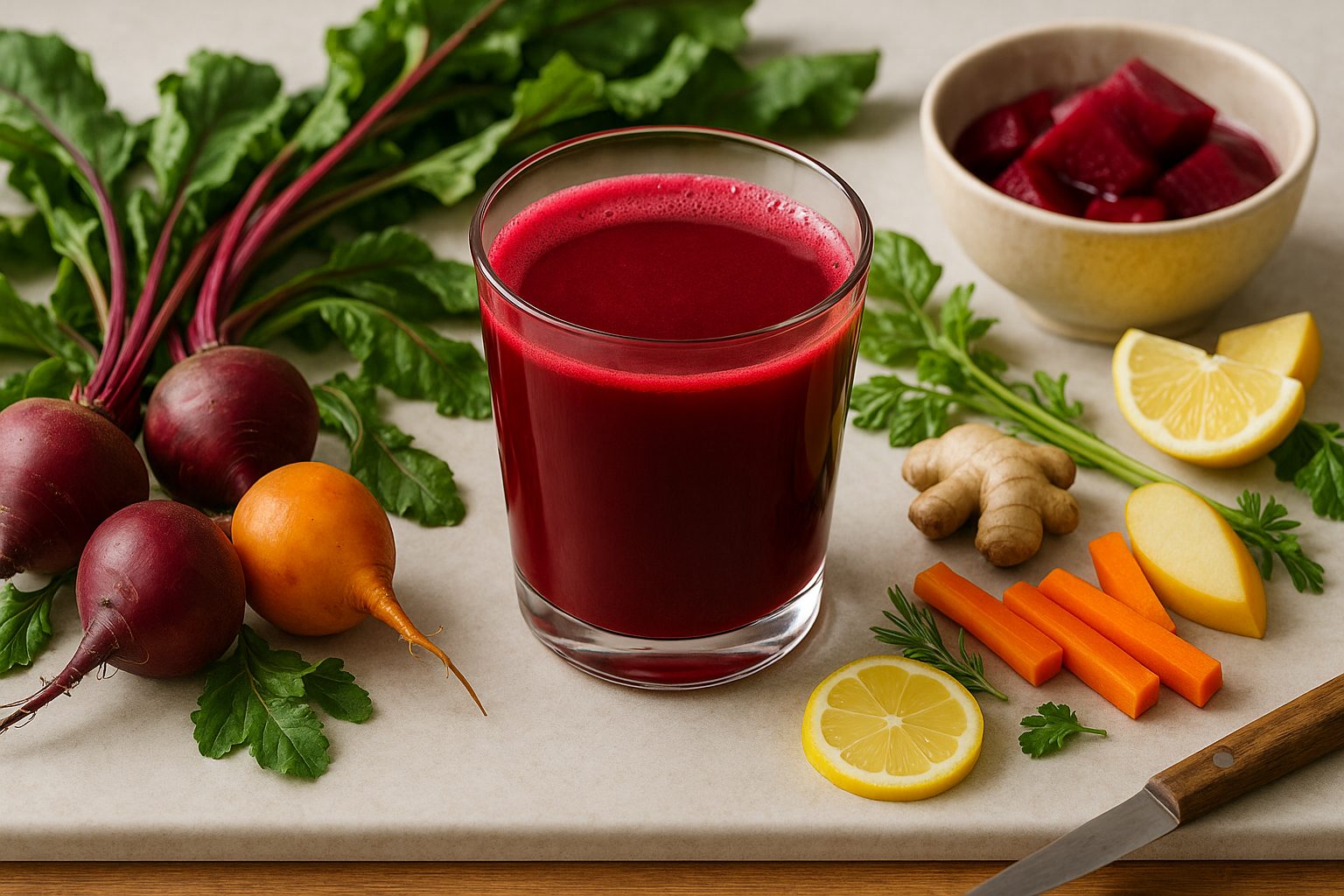
For the freshest, sweetest flavor in your juicing beet garden, it’s important to harvest beets at just the right time. Beets are usually ready for juicing when their roots reach about 1.5 to 3 inches in diameter—roughly the size of a golf ball to a tennis ball. At this stage, the flesh is tender and not too woody, offering the perfect texture and sweetness for juicing.
Check the tops of your beets: vibrant, healthy leaves mean the roots are still actively growing. If the greens start yellowing or wilting, it’s a sign the roots might be past their prime. Harvest by gently loosening the soil around each beet and pulling from the base of the stems, taking care not to damage the root.
The beet greens themselves make an excellent, nutrient-packed addition to juice blends. Pick younger, crisp leaves for juicing, as they have a milder flavor than mature ones.
For short-term storage, remove the greens—leaving about an inch of stem to retain moisture—and store the roots in a perforated plastic bag in the refrigerator. This keeps them fresh for up to two weeks. Wrap the greens in a damp paper towel and store them in the fridge for several days.
For long-term storage, keep unwashed beets in a cool, humid root cellar or bury them in damp sand to prevent shriveling. This method can extend their freshness for several months.
By following these tips, you’ll enjoy a steady supply of high-quality beets and greens from your juicing beet garden, perfect for vibrant, flavorful juices all season long.
Juicing Your Homegrown Beets: Extra Tips & Simple Recipes
Before you start juicing your homegrown beets, be sure to wash them thoroughly under running water, scrubbing away any dirt and debris, especially if they’re freshly pulled from the garden. Many juice enthusiasts prefer to peel their beets to reduce the earthy flavor, but if your beets are organic and well-cleaned, leaving the skin on is perfectly fine and helps retain extra nutrients.
Next, trim off the leafy tops (save these greens—they’re packed with nutrients and juice well!) and the root ends. Cut the beets into pieces that fit easily into your juicer. For harder roots, chop into smaller chunks to maximize juice yield.
Homegrown beets are naturally sweet and pair beautifully with other fresh produce. For a simple vitamin boost, combine beet juice with carrots and apples—the sweetness of both balances the earthy intensity of beets. If you want something refreshing, blend beets with cucumbers and lemon for a thirst-quenching garden elixir.
Herbs like parsley, mint, or basil from your juicing beet garden can add aromatic complexity and extra health benefits. Try this invigorating combo: juice 2 medium beets, 3 carrots, and a thumb of ginger for an energizing morning drink. For a cooling blend, juice 1 beet, 1 large cucumber, half a lemon, and a handful of fresh mint leaves. Or, embrace greens by mixing 1 beet, 2 celery stalks, a small apple, and beet greens for a nutrient-rich, vibrant juice.
Feel free to experiment with your harvest, adjusting ingredient ratios to taste, and enjoy the fresh flavors only a homegrown juicing beet garden can provide.
Conclusion
Cultivating your own juicing beet garden brings fresher flavors, higher nutrient content, and the satisfaction of harvesting beets right from your backyard. Growing beets for juicing not only saves money but also gives you full control over how your produce is grown. If you’re new to gardening or juicing, don’t be intimidated—start small, enjoy the learning process, and celebrate each step from seed to sip. For extra guidance, check out books like “The Juicing Bible” or explore gardening communities such as the National Gardening Association website for practical tips and inspiration on your healthy, homegrown journey.