Understanding Beets and Their Varieties
If you’re thinking about growing beets in sandy soil, it’s important to start with a basic understanding of this versatile root vegetable and its many flavorful varieties. Beets are known for their earthy sweetness, vibrant colors, and impressive nutritional profile—they’re packed with fiber, folate, manganese, potassium, and antioxidants, making them a powerhouse for heart health and energy.
Among the most popular beet varieties, you’ll find:
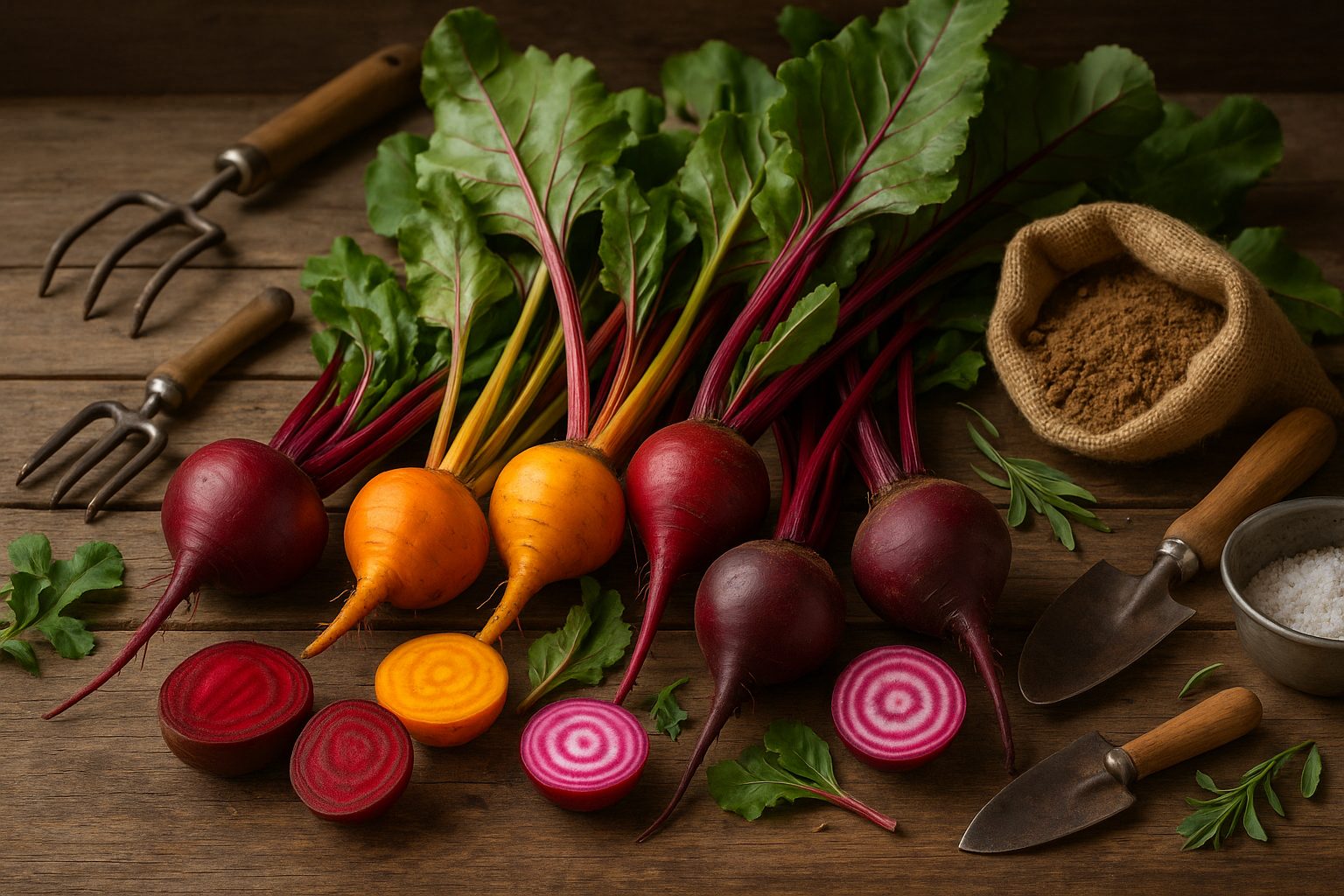
- Classic red beets, prized for their deep crimson color and rich, robust flavor—perfect for roasting or juicing.
- Golden beets, which offer a milder, slightly sweeter taste and have the added benefit of not staining your hands or kitchen surfaces—a favorite for salads and roasting.
- Striped Chioggia beets, often called Italian beets, featuring striking pink and white rings inside and a unique, mildly sweet flavor that adds visual flair to any dish.
When choosing the right beet for your garden, consider whether you prefer the bold earthiness of red beets, the subtle sweetness of golden beets, or the mild crunch of Chioggia. Also, keep in mind storage differences: red beets generally keep the longest, while golden and Chioggia varieties are best enjoyed fresh.
For beginners growing beets in sandy soil, starting with a mix of varieties lets you explore different flavors and ensures a continuous, plentiful harvest.
Preparing the Right Soil and Spot
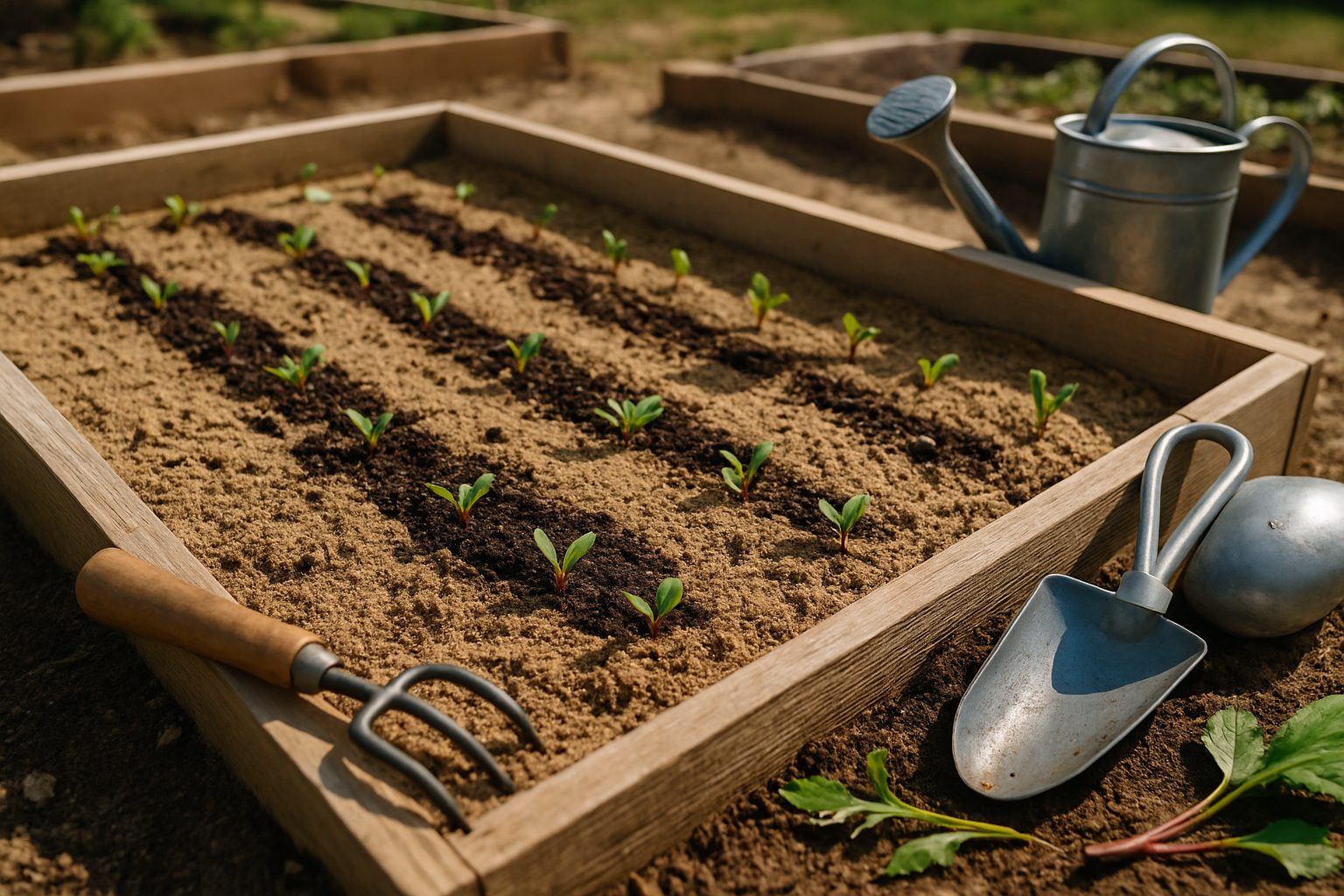
Beets thrive best in loose, well-draining soil rich in organic matter, which allows their roots to develop into plump, tender bulbs. Aim for soil with a pH between 6.0 and 7.0—slightly acidic to neutral—which you can check using an inexpensive at-home soil test kit from any garden supply store.
If your soil is heavy or filled with clay, mix in compost or well-rotted manure to improve texture and nutrient content. For sandy soils, adding organic material helps retain moisture, another boost for healthy beet growth.
Raised beds are excellent for beets since they offer loose soil and prevent waterlogging, and deep containers work just as well for those with limited outdoor space; be sure containers are at least 8 to 10 inches deep.
Choose a location that receives full sun (at least 6 hours a day), as beets need plenty of light to grow sweet and robust.
When planting, allow at least 2 to 4 inches between seeds, thinning young plants as they sprout, and leave about 12 inches between rows; this keeps plants from crowding each other, improving airflow and yield.
By preparing your soil and spot carefully, you set the stage for a healthy, productive beet crop, whether you’re planting in the ground, a raised bed, or a big patio pot.
Sowing and Planting Beets
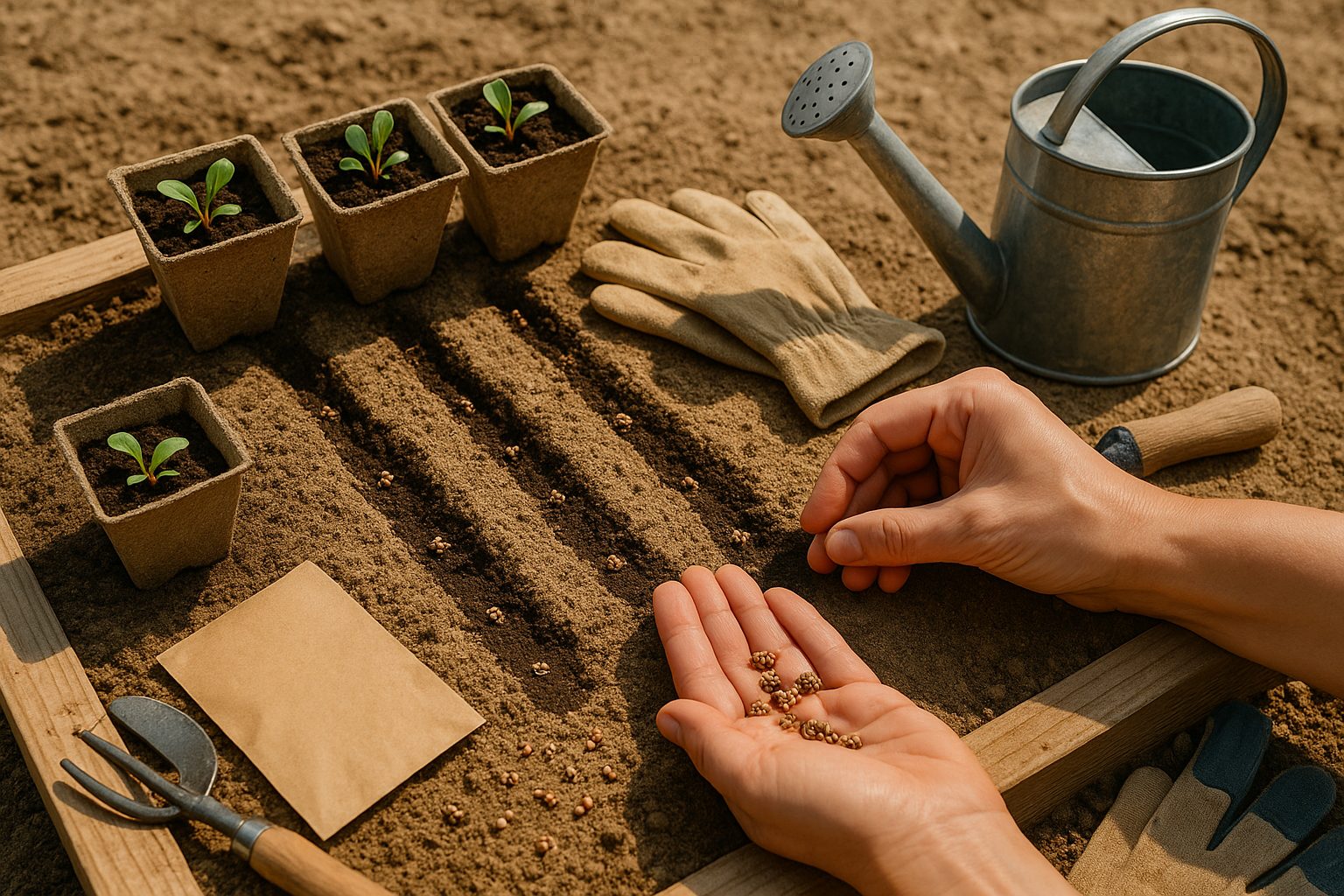
To grow healthy beets, timing and technique make a big difference. Beets are cool-season crops, so sow seeds outdoors about 2-4 weeks before your last expected frost. Choose a sunny spot with loose, well-drained soil.
Plant beet seeds about 1/2 inch deep and 1-2 inches apart, with rows spaced 12-18 inches apart for easy access. Beet seeds are actually small clusters, so expect multiple seedlings to sprout from each spot.
You can start seeds directly in the ground, which is easiest since beets dislike transplanting. If you’re in a cooler climate or want to get a head start, sow seeds indoors in biodegradable pots 4-6 weeks before your last frost, but transplant carefully to avoid disturbing the taproot.
After seedlings appear, thin them when they’re about 2 inches tall, snipping extras at soil level to avoid root disturbance. Aim for 3-4 inch spacing between the remaining plants to allow roots to size up nicely.
For a steady supply, practice succession planting by sowing a new round of seeds every 2-3 weeks until midsummer. This way, you’ll enjoy tender beets and their greens throughout the season.
Remember to keep soil consistently moist—mulching helps retain moisture and keeps roots cool. With a little planning, you’ll have sweet, earthy beets ready for harvest for months.
Caring for Beet Plants
Watering beet plants properly is crucial for healthy growth but can be tricky: they like consistent moisture but can quickly suffer if overwatered. Aim to water beets about once a week, providing about an inch of water each time, but always check the soil first—if the top two inches feel dry, it’s time to water. Water at the base of the plant in the morning to avoid leaf disease, and use a gentle spray to prevent disturbing the roots. Avoid letting the soil stay soggy, as this can cause root rot; good drainage is essential.
When it comes to fertilizing, beets prefer a balanced fertilizer that’s not too high in nitrogen, such as a 10-10-10 blend or organic compost. Too much nitrogen can lead to lush tops with small roots. Start by mixing compost into the soil before planting, and give an additional light feeding about four to six weeks after seedlings sprout.
For ongoing maintenance, keep your beet bed free of weeds, which compete for nutrients and water—hand-pulling is easiest near delicate seedlings. Mulching with straw or shredded leaves helps retain soil moisture, suppress weeds, and stabilize soil temperature.
Throughout the growing season, check regularly for pests like leaf miners, and thin seedlings so each beet has room to bulb up; aim for about three inches between each plant. By monitoring moisture, feeding thoughtfully, and keeping the bed tidy, you’ll give your beets the best shot at producing sweet, tender roots.
Common Beet Growing Problems (and Fixes)
Beets are fairly resilient, but they do face their share of challenges from pests, diseases, and environmental stresses. Common pests include flea beetles, which leave tiny holes in young leaves, and leafminers that create winding, white tunnels. To keep pests in check, use row covers early in the season and handpick any obvious beetles you see. Aphids can also cluster under leaves; a quick blast of water or insecticidal soap usually knocks them off.
Leaf spot, a fungal disease, shows up as brown or black patches on leaves—prevent it by watering at the soil level and ensuring good air circulation. Crop rotation each season goes a long way to stopping both diseases and pest build-up.
Environmental problems, like stunted growth or poor root formation, often signal crowded planting, inconsistent watering, or soil that’s too acidic—aim for well-spaced rows, mulch to maintain moisture, and a soil pH of 6.0-7.0. Wilting, yellowing leaves, or tiny, deformed roots are signs your beets are stressed or unhealthy.
Regularly check your plants for these warning signs, adjust your care practices, and you’ll likely see robust roots and healthy greens come harvest.
Harvesting and Storing Your Beets
Knowing when to harvest your beets is key to getting the best flavor and texture. Beets are ready to pick when the roots are about 1.5 to 3 inches in diameter—think the size of a golf ball to a tennis ball. Check the crowns poking above the soil; if they look full and round, it’s time.
Try to harvest before hot weather hits or the beets get too large, as this can make them woody. To lift beets gently, loosen the soil around each plant with a fork or small shovel rather than pulling by the tops, which can snap the stems or bruise the roots.
After harvesting, trim the leaves about an inch above the root (leaving some of the stem to prevent bleeding), then gently brush off any dirt—don’t wash them until you’re ready to use them, since moisture can speed up spoilage.
Store beets in a perforated plastic bag or a container of damp sand in the fridge or a cool, dark basement. Properly handled, they’ll stay crisp and flavorful for several weeks, giving you plenty of time to enjoy them roasted, pickled, or fresh in salads.
Enjoying Beets—From Kitchen to Table
Beets are a versatile veggie that can add vibrant color and earthy sweetness to your meals with minimal effort. For a quick side, simply scrub and roast whole beets at 400°F for about 45 minutes. Once cooled, the skins slip right off, and you can slice them into salads, toss with olive oil and balsamic vinegar, or layer them on toast with goat cheese.
If you’re short on time, try grating raw beets into slaws or blending them into smoothies and juices for a nutrient-packed boost. Beets are rich in fiber, folate, and antioxidants like betalains.
Don’t toss the beet greens! Sauté them with garlic and olive oil for a tender, spinach-like side or chop them into soups and stir-fries.
For a fun appetizer, blend cooked beets with chickpeas and tahini for a colorful twist on hummus. You can also add roasted beets to grain bowls with feta, walnuts, and arugula for a filling lunch.
With so many preparation options, beets make it easy to enjoy both their flavor and health benefits—all while cutting down on kitchen waste by using beet greens in creative, delicious ways.