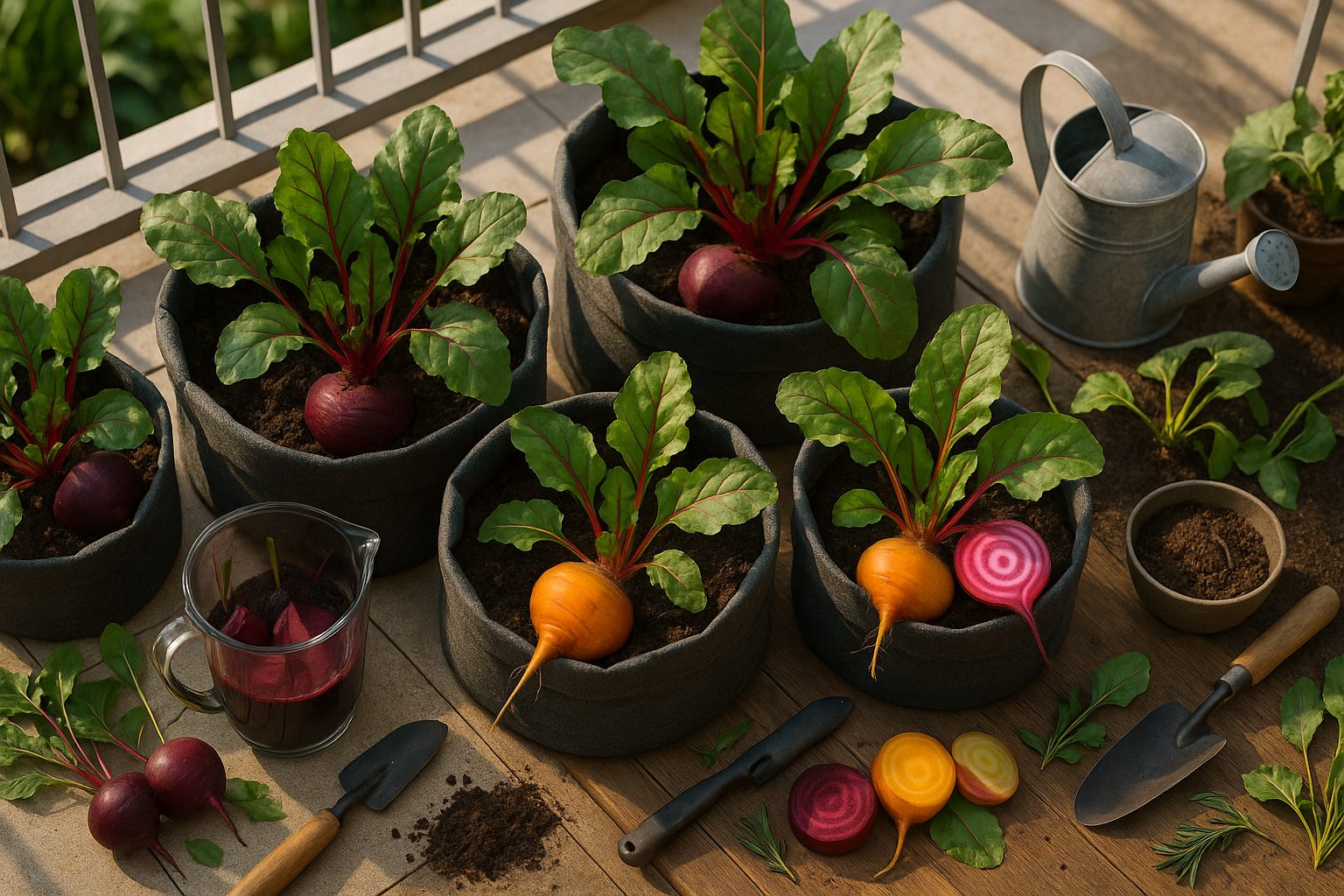
Introduction to Growing Beets in Containers
If you’re looking for an easy and effective way to enjoy homegrown root vegetables, using grow bags for beets is a game changer. With the rise of small-space and urban gardening, container beet gardening has become incredibly popular among home growers who want fresh produce without the need for a traditional garden bed.
Grow bags allow you to maximize every inch of available space—perfect for balconies, patios, or even rooftops—making it possible to harvest crisp, flavorful beets whether you have a vast backyard or just a tiny corner by your kitchen door. One of the biggest advantages is soil control. Since beets can be sensitive to soil quality and compaction, grow bags let you control the type of soil and its drainage, reducing the risk of stunted roots or disease.
Another real-world benefit: grow bags are lightweight, portable, and reusable, which means you can move your plants to chase the sun or protect them from harsh weather. They’re also especially helpful in keeping pests and weeds at bay, giving your beets a much better chance to thrive.
In this article, we’ll walk you through the key steps to successfully growing beets in containers—from choosing the right grow bags and soil mix, to proper planting depth, watering, and fertilizing techniques. We’ll also share the best tips for troubleshooting common beet-growing challenges and maximizing your harvest.
Whether you’re a beginner or a seasoned gardener, container beet gardening with grow bags is a practical and rewarding way to grow your own sweet, earthy beets at home.
Choosing the Best Container for Beets

When growing beets in containers, picking the right size and depth is crucial for healthy root development. Beets need room to swell underground, so opt for a container that’s at least 10 to 12 inches deep and wide—large enough to space plants about 3 inches apart. This gives each beet root the space to grow plump and round rather than constricted or misshapen.
As for materials, each option has its strengths:
- Plastic pots are lightweight, affordable, and hold moisture well, but they can overheat in direct sun and may look less attractive.
- Clay or terracotta pots offer a classic look and breathe well, helping to prevent soggy soil, but they’re heavier, breakable, and can dry out more quickly.
- Fabric grow bags are an increasingly popular choice for beets because they allow good airflow to roots and are easy to move, store, and reuse; however, they may need more frequent watering in hot weather.
- Raised beds are ideal for larger harvests, offering excellent drainage and root space, but they require a bigger commitment in terms of setup and garden space.
Regardless of which material you use, drainage is absolutely essential for beet health—these roots rot if they sit in standing water. Always select containers with at least one sizable drainage hole in the bottom, and consider lining the base with stones or coarse gravel before adding soil to encourage excess water to escape.
For grow bags and raised beds, ensure the location allows for quick drainage after rain or watering. If your containers tend to hold water, mix in perlite or coarse sand with your potting soil to further encourage drainage.
With the right container and proper drainage, you’ll give your beets the perfect environment to flourish, producing sweet, tender roots every time.
Picking the Right Beet Varieties
When growing beets in containers, choosing compact or fast-maturing varieties makes a big difference in your harvest success. Look for cultivars like ‘Babybeat,’ which are bred for small spaces and mature in as little as 40 days, or ‘Detroit Dark Red,’ a popular all-purpose beet that stays manageable in pots and is known for its sweet, classic flavor.
If you love tender beets for salads, ‘Chioggia’ (the candy-striped beet) matures quickly and adds a stunning visual touch, while ‘Golden’ beets offer a milder, less earthy taste and don’t bleed color when cooked. For beet greens, ‘Bull’s Blood’ is favored for its deep red leaves that are as tasty as the roots.
When shopping for seeds, seek out reputable suppliers like Johnny’s Selected Seeds or Baker Creek, and check for certified organic or non-GMO labels to ensure quality. Always opt for fresh seeds—beet germination rates drop quickly with age—so avoid old packets or off-brand sellers.
Reading reviews or seed forums can also clue you in to the best sources or the freshest batches, making sure your container garden starts strong.
Preparing the Perfect Soil Mix
Getting the soil right is the secret to growing vibrant, tasty beets. Beets thrive in loose, loamy soil that’s well-draining and rich in organic matter—heavy clay or compacted soils can stunt root development. Aim for a soil texture that easily crumbles in your hand, signaling good aeration and a root-friendly structure.
Drainage is crucial; waterlogged soils lead to misshapen roots and disease, so always choose a container with holes and never let it sit in standing water. Beets prefer a neutral to slightly acidic pH, ideally between 6.0 and 7.0, so test your soil and add some garden lime if you need to raise the pH.
When boosting organic matter, you’ll often see peat moss and compost recommended. Peat moss helps retain moisture and creates a fine texture, great for seed germination, but it lacks nutrients. Compost, on the other hand, not only improves soil texture but also feeds your beets with a broad range of nutrients and beneficial microbes.
For container beets, a simple DIY mix works wonders: blend 1 part garden soil (screened if possible), 1 part compost for nutrients, and 1 part peat moss or coconut coir for moisture retention and aeration. If you want extra drainage, toss in a handful of perlite or coarse sand. Mix thoroughly, fill your container, and water well before sowing seeds.
Remember, each batch of compost is a little different, so watch how your beets grow and adjust your mix as needed—you’ll soon find the sweet spot for your own perfect harvest.
Sowing and Planting Beets in Containers

Growing beets in containers is simple and rewarding, making it a great option for gardeners with limited space. To start, choose a container at least 12 inches deep with good drainage—buckets, grow bags, or window boxes all work well.
If you’re direct seeding, fill the container with a light, fertile potting mix and sow beet seeds about ½ inch deep, spacing them one to two inches apart in rows or scattered for more flexibility. Thin the seedlings to about three inches apart once they sprout to give each beet enough room to develop fat, round roots.
For transplants, start seeds indoors three to four weeks before your last expected frost, using biodegradable pots to avoid disturbing roots at planting time. When moving seedlings outside, handle them gently and plant them at the same spacing and depth as you would direct-sown seeds.
Timing and Growing Conditions
Beets thrive in cool weather, so aim to sow seeds in early spring as soon as the soil is workable, or again in late summer for a fall harvest. In mild climates, you can plant beets in containers almost year-round, avoiding the hottest part of summer since high temperatures cause beets to become woody.
In hotter regions, try to grow beets in spring and fall, moving containers to a spot with afternoon shade during heat waves. Water evenly so the soil stays consistently moist but not soggy, as uneven watering can crack roots or lead to poor growth.
Label the container with your sowing date, and within a week or two, you’ll see the first beet greens poking through. With the right timing, soil, and spacing, growing beets in containers is an easy way to enjoy sweet, homegrown roots even in small spaces.
Caring for Your Container Beets
When growing beets in containers, getting your watering right is key. Since pots dry out faster than garden soil, check moisture daily by sticking your finger an inch below the surface. Water when it feels dry.
Avoid soaking the soil to the point of sogginess, as beets are prone to root rot if their roots sit in waterlogged conditions. Good drainage is essential, so always use containers with holes at the bottom and a loose, well-draining potting mix.
For feeding, beets in containers have limited access to soil nutrients and benefit from a balanced, all-purpose liquid fertilizer (5-10-10 NPK is a good choice) every three to four weeks, starting once seedlings have their first true leaves. Don’t overdo it on nitrogen, which can lead to lush tops but small roots.
As for sunlight, place your containers where they receive at least six hours of direct sun daily—an east- or south-facing balcony is ideal. If you’re limited on natural light, rotating the pots occasionally helps all sides of your beets get even exposure.
With these care tips, your container beets should thrive and deliver sweet, healthy roots when harvest time arrives.
Managing Pests, Diseases & Problems
Growing beets in containers can help minimize pest and disease problems, but it’s still important to stay vigilant. Aphids, flea beetles, and leaf miners are common beet pests—even in pots—so watch for curling or pockmarked leaves as early signs.
To tackle these pests, try spraying your plants with a gentle soap-and-water solution or introduce beneficial insects like ladybugs. Powdery mildew and downy mildew can also affect beets, especially in humid conditions or if plants are crowded.
Prevent fungal diseases by ensuring good airflow between your container plants and watering at the base instead of overhead. For persistent issues, try a natural fungicide like diluted neem oil.
Besides pests and diseases, container-grown beets may show yellowing leaves or poor growth due to nutrient imbalances or overwatering. Make sure your pots have drainage holes, use a rich, well-draining soil mix, and feed your beets with a balanced organic fertilizer as they grow.
If your beet roots look skinny or malformed, it could be a sign of overcrowding or rocky soil—thin your seedlings to at least three inches apart and check that your soil is loose and free of debris.
Regularly remove yellowing leaves and sweep up plant debris to deter pests. By observing your plants frequently and catching issues early, you can enjoy healthy, homegrown beets—even on a small balcony or patio.
Harvesting and Storing Beets from Containers
Knowing when to harvest beets grown in containers is all about watching for clear visual cues and keeping an eye on your calendar. Beets are usually ready to pick about 50 to 70 days after sowing, but you don’t have to wait for a specific date—look for beet shoulders peeking out above the soil surface. Ideally, the beets should be about the size of a golf ball to a tennis ball (1.5 to 3 inches in diameter) for the best flavor and tenderness.
If you notice the leaves yellowing or wilting, that can also signal it’s time to harvest. Before pulling them out, water the soil lightly to soften it, then gently grasp the base of the beet greens and wiggle the root free. Be careful not to twist or yank sharply to avoid bruising or snapping the root. If needed, loosen the soil with your fingers or a small garden fork placed at the edge of the container—not directly against the root.
After harvesting, cut off the beet greens, leaving about an inch of stem to prevent bleeding and help the roots last longer.
Storage Tips
- Short-term: Place unwashed beets in a perforated plastic bag or container in the fridge’s crisper drawer; they’ll stay fresh for one to two weeks.
- Long-term: Brush off excess dirt (don’t wash), pack beets in a box layered with damp sand or sawdust, and store them in a cool, dark spot like a basement or cellar. They can last for up to three months this way.
By paying close attention to timing, gentle handling, and proper storage, you’ll enjoy fresh, flavorful beets from your container garden well past the harvest.
Frequently Asked Questions About Growing Beets in Containers
Growing beets in containers can be surprisingly simple with a bit of know-how. One common question is whether beets can thrive indoors—you’ll be happy to know they can, as long as you place containers where they receive at least six hours of sunlight or supplement with a grow light.
Another frequent query concerns root size and container depth. Since beets form rounded roots about two inches across, pick a pot that’s at least 10 inches deep to give them room to grow straight without becoming misshapen. Shallow containers or crowding often lead to small, twisted roots.
People also wonder how many beets to plant per pot—generally, you can grow one beet for every four inches of container surface, leaving enough space for bulbs to mature.
Finally, if your beet greens look wilted or the roots fail to swell, overwatering and poor drainage are often to blame. Make sure your containers have holes at the bottom, use well-draining potting mix, and water only when the top inch of soil feels dry.
A little patience and these practical tips will help you enjoy crisp, sweet beets—right from your balcony, kitchen, or patio.
Conclusion & Tips for Success
Container beet gardening is a rewarding and accessible way to enjoy fresh, homegrown produce—even if you only have a small balcony or patio. Even beginners can succeed because beets are relatively low-maintenance and grow well in pots with as little as six inches of soil.
Remember to choose a deep container to give beet roots space to develop, and use loose, well-draining potting mix to encourage healthy growth. Water consistently, keeping the soil moist but not soggy, and thin seedlings early—crowded beets stay small.
Try planting in stages for a continuous harvest and check out local cooperative extension guides or reputable gardening blogs for detailed care instructions. Don’t be afraid to experiment; different beet varieties offer exciting colors and flavors.
If you have questions about getting started or want to share your own tips, leave a comment below—let’s learn together and make container gardening even easier for everyone.