Introduction
Fast growing beets are a fantastic choice for anyone wanting to enjoy homegrown vegetables, especially if you have a small garden or limited container space. Not only are beets packed with nutrients like fiber, folate, and vitamin C, but they’re also incredibly versatile—from roasted beet salads to tasty beet greens, you can use every part of the plant.
One of the biggest advantages for urban gardeners or those with tiny plots is that beets don’t take up much space, and many varieties mature quickly, often within just 50 to 60 days. This means you can sow, harvest, and succession plant to keep your garden productive all season long. Whether you plant them between other crops as companions or dedicate a window box on your balcony, beets reward you with minimal effort and vibrant results.
In this article, we’ll highlight some of the best fast growing beet varieties perfect for tight garden spots and share practical tips to help you get impressive yields—even if you only have a couple of square feet to spare.
Why Grow Beets in Small Gardens?
Beets are a perfect choice for small gardens thanks to their compact growth and dual-purpose harvests, which maximize limited space. Unlike sprawling vegetables, beets grow upright and need only a small footprint, making them ideal for raised beds, containers, or even tucked between rows of slower-growing crops. Both the roots and leafy tops are edible: beet greens can be harvested early for salads or sautéed like spinach, while the roots are delicious roasted, pickled, or added raw to slaws.
Nutritionally, beets are loaded with fiber, folate, vitamin C, potassium, and antioxidants, supporting heart and digestive health while boosting immunity. Another advantage for small-space gardeners is the ability to plant successively. Fast growing beets mature in as little as 45 to 60 days, so you can sow new seeds every few weeks and enjoy multiple, continuous harvests throughout the season. This quick turnaround not only maximizes your garden’s productivity but also ensures a steady supply of fresh, nutritious produce.
Additionally, beets thrive in cooler weather and tolerate light frosts, allowing you to extend your harvest into both spring and fall. With so many uses in the kitchen—from vibrant salads to hearty roasted roots—fast growing beets are a versatile and rewarding crop for any small garden.
Top Fast Growing Beet Varieties

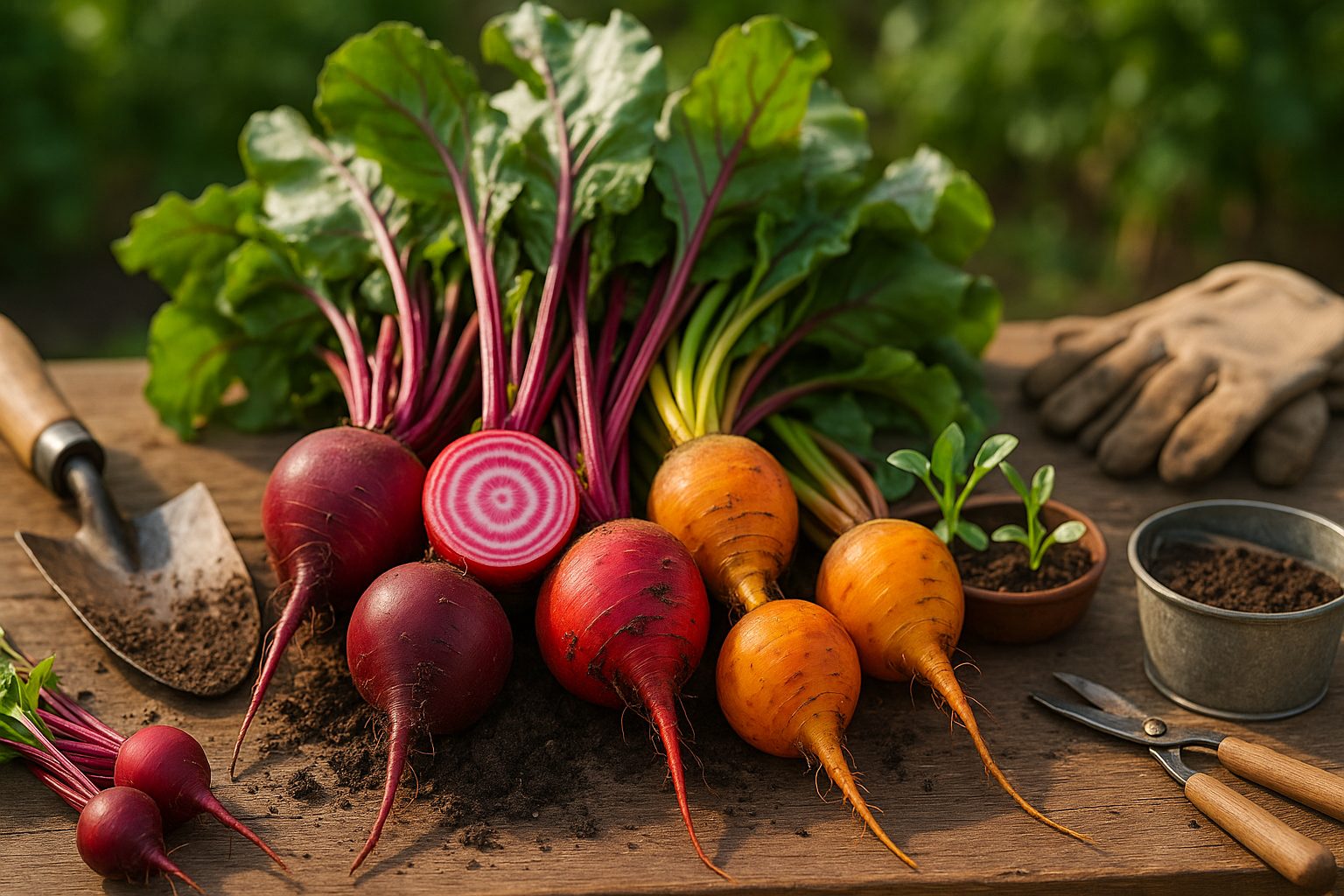
When it comes to fast growing beets perfect for small gardens, several standout varieties offer both a swift harvest and excellent flavor. ‘Detroit Dark Red’ is a classic favorite, maturing in about 55–60 days. Its deep red, globe-shaped roots provide a sweet, earthy flavor and tender texture, making it a reliable choice for container gardens or raised beds.
‘Early Wonder’ matures even faster, typically within 50 days. This variety produces flavorful, slightly flattened roots and plenty of leafy greens that are delicious in salads or sautés—ideal when space is tight and you want to maximize yields.
‘Boltardy’ is prized for its resistance to bolting, which is especially useful if you sow your beets early in spring or late in summer. Ready in about 55 days, it delivers smooth, round roots with a mild, sweet flavor—perfect for small garden successions.
‘Chioggia,’ the striking Italian heirloom, features stunning red-and-white concentric rings inside its roots and matures in around 54–60 days. Its mild, slightly earthy taste and ornamental appeal make it a showstopper that looks great in salads.
Finally, ‘Red Ace’ is a top pick for very small plots, maturing quickly in just 50–55 days. It produces resilient roots with a sweet, uniform flavor, even in less-than-ideal soil.
For seeds, check reliable retailers like Johnny’s Selected Seeds, Baker Creek Heirloom Seeds, or your local garden center. Always choose fresh seeds labeled for the current growing season to ensure the best germination rates and harvest success. Selecting one or more of these varieties will help you grow a satisfying crop of fast growing beets without waiting all summer or sacrificing precious garden space.
How to Optimize Beet Growth in Limited Spaces
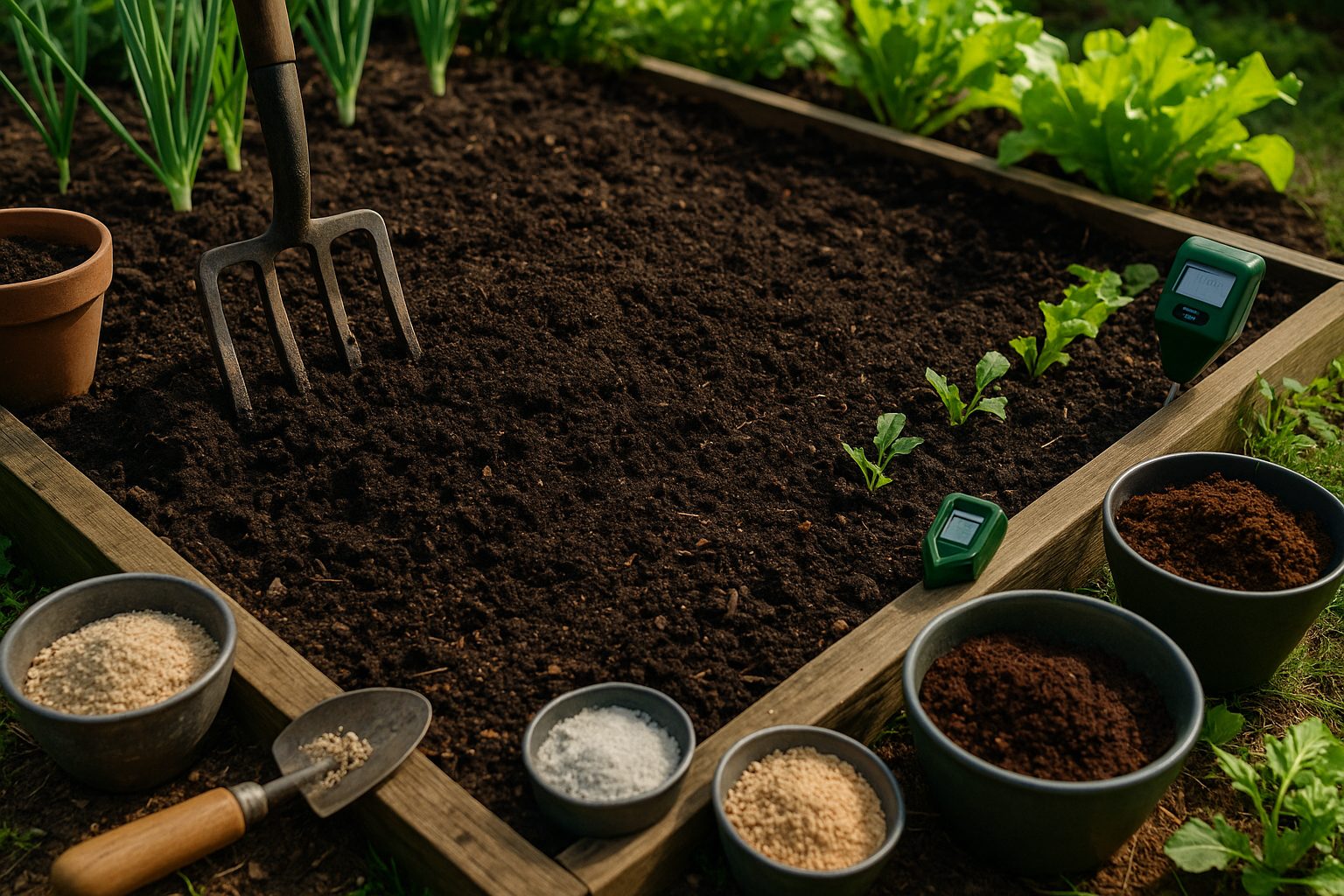
Optimizing beet growth in a small garden starts with smart strategies to make the most of every inch of space. Fast growing beets thrive with succession planting—a technique where you sow new seeds every two to three weeks throughout the growing season. This approach ensures a steady harvest instead of all at once. Try intensive spacing by planting beets about 2 inches apart within rows spaced 4 to 6 inches apart. This dense arrangement maximizes limited ground while still giving each beet enough room to develop a healthy root.
For the smallest spaces or even balconies, container gardening is a great option. Choose wide pots at least 8–10 inches deep, fill them with well-draining potting mix, and place the containers anywhere they can get enough sunlight.
Soil and Sunlight
Soil is key: beets prefer loose, fertile soil rich in organic matter, with a pH between 6.0 and 7.5. If your soil is heavy or clay-like, mix in compost or aged manure to improve aeration and drainage—compacted soil stunts root growth. Beets love sun and need at least six hours of direct sunlight daily; more sun means faster growth and sweeter roots.
Watering and Mulching
Water consistently, aiming to keep the top inch of soil moist but not soggy. Inconsistent watering can cause tough or split roots, so consider using drip irrigation or soaker hoses for even moisture. Mulching around plants helps retain soil moisture and suppress weeds.
Pest Management in Small Gardens
Small gardens often attract more pests because plants are close together. To minimize problems, rotate beet crops yearly to reduce disease buildup, and avoid planting beets where spinach or chard recently grew. Floating row covers can keep out leaf miners and beetles, while good airflow—achieved by avoiding overcrowding—prevents fungal diseases. Remove yellowing leaves promptly and scout early for aphids or leaf miners before infestations take hold.
With these strategies, you’ll enjoy a rolling harvest of fast growing beets all season long, even in modest spaces.
Step-by-Step Planting Guide for Fast Results
Getting your fast growing beets off to a strong start begins with well-prepped soil. Choose a sunny spot and loosen the top 8-10 inches of soil, removing any rocks or debris—beet roots need plenty of room to grow. Mix in compost or aged manure for an extra nutrient boost. Aim for soil that’s slightly acidic to neutral (pH 6.0-7.0), since beets are sensitive to high acidity.
Once the soil is ready, sow beet seeds about ½ inch deep and 1-2 inches apart, with rows spaced at least 12 inches apart. To maximize space in your small garden, you can also scatter seeds in broad rows or blocks. Just be sure to thin seedlings to 3-4 inches apart once they have a couple of true leaves; this gives each beet enough room to develop fully and quickly.
Water regularly to keep the soil consistently moist but not soggy—beet roots won’t thrive if they dry out or sit in waterlogged soil. For the fastest harvest, plant beets as soon as the soil can be worked in early spring; they’ll germinate well in cool temperatures. Using a cold frame or starting seeds indoors 2-4 weeks before the last frost can give you a helpful jump start.
If you want another quick crop, sow again in late summer for a fall harvest—beets can mature in as little as 50 days with good care. Mulch lightly to keep weeds down and maintain moisture, then watch your beets grow for a fresh, fast reward right from your garden.
Harvesting and Using Beets in Small Gardens
Timing your beet harvest is key to getting tender, flavorful roots and vibrant, nutrient-rich greens. For fast growing beets, roots are typically ready to pull 45 to 60 days after sowing, when they’re about the size of a golf ball. Harvesting roots at this young stage ensures they’re sweet and less woody—just gently loosen the soil with your hands or a hand fork before pulling them up to avoid damage.
Beet greens can be snipped anytime the leaves reach 4 to 6 inches long, ideally in the morning when they’re crisp. Be sure to leave a few leaves behind so the plant can keep growing. Don’t toss beet thinnings or baby seedlings removed during row thinning; these tender shoots are perfect tossed into salads or wilted with garlic for a quick side.
After harvest, store roots in a breathable bag in your fridge—trim the tops to about an inch first to prevent moisture loss. Roots keep for 2–3 weeks, while greens are best used within a few days. For quick culinary uses, roast roots with olive oil for a simple side, chop raw into slaws, or pickle if you have a handful. Beet greens sauté beautifully or can be folded into omelets and pasta, making the most of small yields.
With successive plantings every 2–3 weeks, you can enjoy fast growing beets and greens from early summer right through fall, ensuring your small garden produces a steady stream of fresh, delicious harvests.
Troubleshooting Common Issues with Fast Growing Beets
One of the most common frustrations with fast growing beets is poor germination. This usually happens when seeds are planted too deeply or if the soil is too cold and dry. To improve your success, plant beet seeds just ½ inch deep in loose, well-drained soil, and keep the area consistently moist until sprouts appear—a light mulch can help retain moisture.
Overcrowding is another frequent problem since beet seeds often come in clusters, sometimes sprouting multiple seedlings at once. Thin seedlings to 2-3 inches apart as soon as they have two true leaves; this gives the roots room to develop fully and grow quickly.
Inconsistent watering can also stunt beet growth or cause roots to become woody or cracked. Aim to water evenly, providing about one inch per week, and avoid letting the soil dry out completely. Using drip irrigation or soaker hoses can help maintain steady moisture, especially during hot spells.
If you’re ever unsure about a problem—whether it’s pests, disease, or unusual weather—don’t hesitate to reach out to local gardening groups or your county extension office for tailored advice and support. Online forums like Reddit’s r/gardening or dedicated Facebook groups are also great places to ask questions and share your progress with fellow beet enthusiasts.
Conclusion & Quick Tips Recap
Growing fast growing beets in small gardens is a rewarding experience. These versatile veggies don’t require much space, and with a few strategic choices, you can enjoy tender, sweet roots in as little as six weeks. By selecting compact, early-maturing varieties, thinning seedlings for proper spacing, and keeping the soil moist, you can maximize your harvest even in limited beds or containers. Harvest young for baby beets or let them mature for a fuller flavor, and don’t forget to enjoy the nutrient-packed greens as well.
To get started or improve your beet-growing skills, keep these essential tips in mind:
- Choose quick-maturing varieties like ‘Early Wonder’ or ‘Boltardy’
- Sow seeds directly, spacing them about 2 inches apart
- Thin seedlings to prevent overcrowding
- Maintain consistently moist, well-drained soil
- Harvest when beets reach 1–3 inches in diameter for the best taste
Experiment with different beet varieties and growing methods, and don’t forget to share your results—your feedback helps fellow gardeners grow fast, delicious beets in small spaces even better.