Choosing the Right Beet Varieties
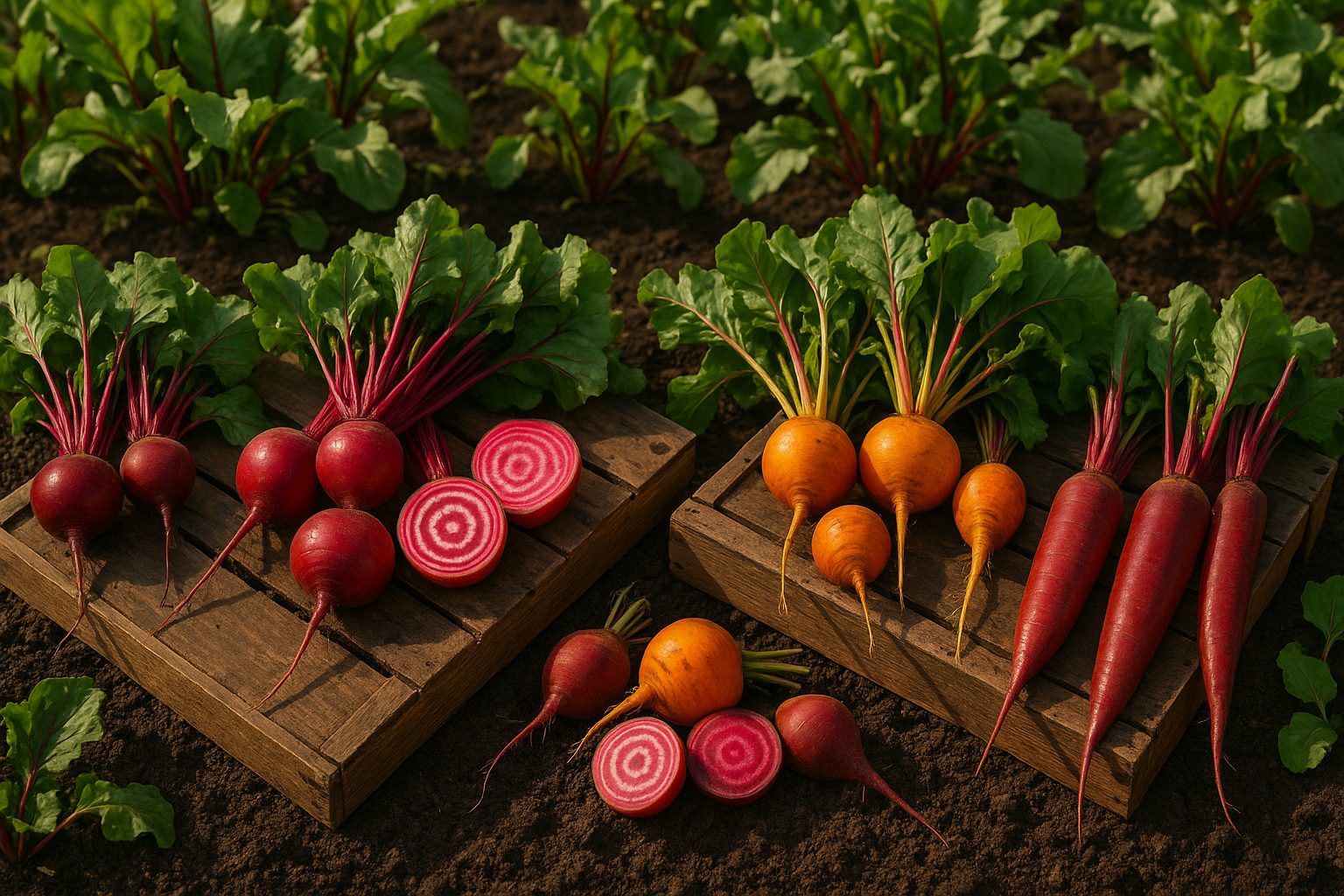
Finding the best soil for beets is the first step toward a vibrant and successful beet harvest, but just as important is choosing the right beet varieties for your garden. Whether you’re drawn to the classic red beet, the sunny sweetness of golden varieties, the striking rings of Chioggia (also called candy-cane beets), or the uniform slices offered by cylindrical types, each has unique features worth considering.
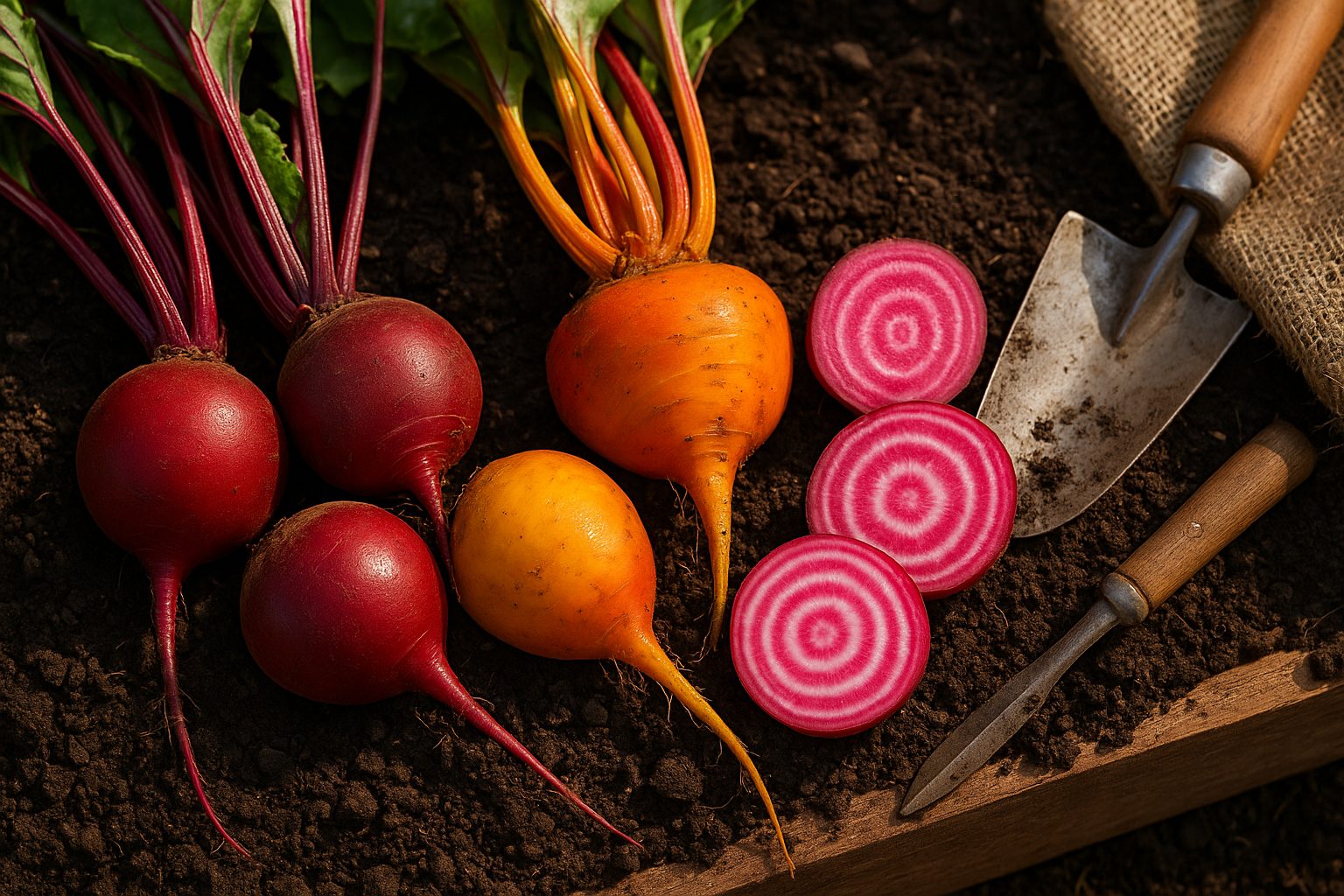
Red beets are known for their earthy flavor and deep color, maturing in about 55-65 days—perfect if you crave tradition in your salads and roasts. Golden beets bring less staining, a milder, slightly sweeter taste, and a lovely hue that brightens any dish; they often require a bit more patience, taking roughly 60-80 days to mature.
For a show-stopper, try Chioggia beets, famous for their eye-catching concentric pink-and-white rings and quick maturity, making them ideal for fresh eating. Cylindrical beets grow longer roots, making slicing for pickling or sandwiches a breeze, and they tend to be space-efficient in garden beds.
When choosing what to plant, check your local growing season—if you have a short season, opt for quick-maturing Chioggia or smaller early red varieties. Warmer climates suit golden beets, which handle heat better, while cylindrical types thrive in tighter urban spaces or raised beds.
Ultimately, your best pick combines climate suitability, taste preference, and how you intend to enjoy your beets—fresh, roasted, pickled, or all of the above.
Preparing the Ideal Soil for Beets
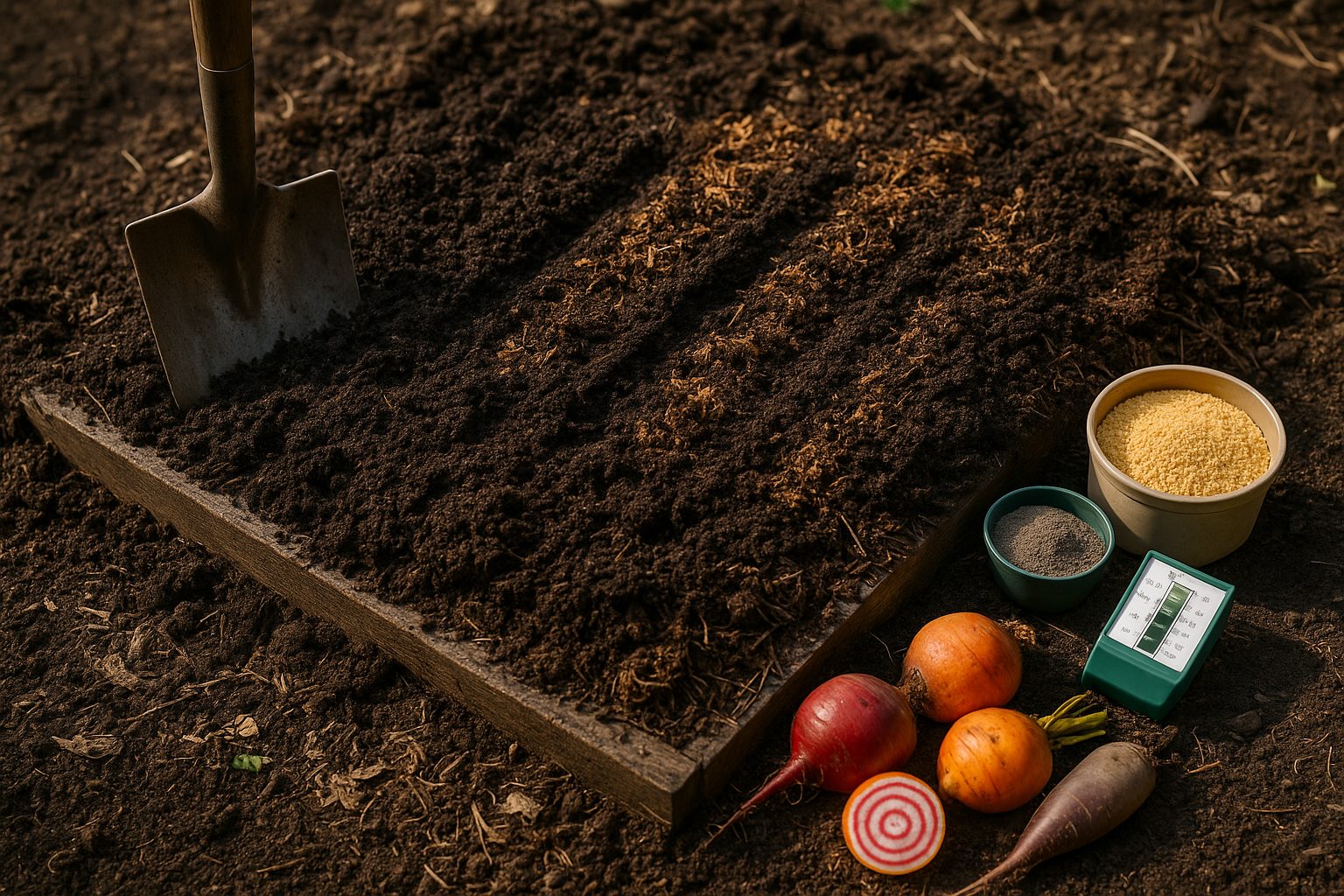
For beets to develop their classic plump roots and sweet flavor, starting with the right soil conditions is crucial. Beets thrive in loose, deep, well-draining soil—this allows their roots to expand easily and draw up nutrients without barriers or waterlogging. If soil is too compacted, beets may become stunted or grow misshapen.
Aim for a soil pH between 6.0 and 7.0; too acidic or alkaline soil can hinder nutrient absorption and result in poor growth or off-flavors. Test your soil before planting, and if pH adjustments are needed, dolomitic lime can raise the pH, while elemental sulfur can help lower it.
Enriching the soil with compost is a natural way to boost fertility and improve texture: mix a few inches of well-rotted compost into the top layer before sowing seeds. For sandy or heavy clay soils, add organic matter like leaf mould or aged manure to create a crumbly, friable consistency—think of soil that falls apart easily in your hand, never sticky or rock-hard.
Crop rotation is another smart move to maintain soil health and avoid disease buildup; avoid planting beets in the same spot year after year, and rotate with legumes or leafy greens to replenish nutrients.
Lastly, companion planting can benefit both beets and your garden’s soil—try growing beets near onions or bush beans, which can deter pests and even enhance growth through natural soil enrichment.
With thoughtful preparation, your beet patch will produce uniform, flavorful roots you’ll be proud to harvest.
When and Where to Plant Beets
The best time to plant beets depends largely on your local climate, but in most regions, beets thrive as a cool-season crop. In spring, sow seeds directly in the garden two to four weeks before your last expected frost. You can even plant additional rounds every two to three weeks for a steady harvest.
In milder, warmer regions, beets can also be grown as a fall crop—just plant seeds about six to eight weeks before the first expected frost. If you’re in a particularly hot area, it’s best to avoid midsummer planting, since high soil temperatures can slow germination.
Beets prefer full sun but will tolerate partial shade, especially in hotter climates where some afternoon relief is helpful.
Planting Tips
- Plant seeds about an inch deep and two to three inches apart in rows spaced at least a foot apart. This gives each beet room to develop healthy roots.
- Choose a garden bed with loose, well-draining soil free of rocks or debris, as compacted soil can cause misshapen roots.
- If your yard space is limited, beets do well in containers at least 12 inches deep—make sure the pot is wide enough to accommodate several plants and place it where it gets plenty of sunlight.
- Amend both garden beds and containers with compost to boost nutrients and help hold moisture, ensuring your beets grow sweet and tender.
- Rotate planting spots each season to avoid disease buildup and keep your beet patch thriving year after year.
How to Plant and Water Beets
To get started planting beets, choose a sunny spot with well-draining, loose soil—beets need room to grow their roots. Sow seeds directly outdoors for the best results since beets dislike transplanting. Plant each seed about half an inch deep and one to two inches apart in rows spaced at least a foot apart.
As beets grow, thin the seedlings to 3–4 inches apart, giving the roots space to develop fully (you can eat the thinned greens!). While some gardeners try starting beets indoors, it’s usually less successful because beets have sensitive roots and don’t transplant well. Direct sowing avoids transplant shock and produces better-shaped roots. However, indoor starts can give a jump ahead in very short growing seasons but require gentle handling.
Consistent watering is key for healthy beets: keep the soil evenly moist but not soggy throughout germination and early growth, aiming for about one inch of water per week. As roots form and swell, avoid letting the soil completely dry out or become waterlogged; huge swings in moisture can cause beets to split or grow irregularly.
Mulching with straw or grass can help keep moisture levels stable. Pay special attention during hot, dry spells or right as the beets start to size up—steady moisture at these times wards off poor root formation. Checking the soil by sticking your finger an inch down can tell you if it’s dry and needs watering.
With careful sowing and mindful watering, you’ll harvest sweet, crisp beetroots in just a couple of months.
Fertilizing and Caring for Growing Beets
To help your beets thrive, start fertilizing the soil a week before planting by mixing in a balanced fertilizer or compost—this encourages strong root development and leafy growth. Once seedlings emerge, side-dress with a low-nitrogen fertilizer to promote bigger roots rather than excessive leaves; too much nitrogen leads to lush tops at the expense of the beets themselves. Feed again lightly when plants are about halfway to maturity.
Keep weeding a top priority since beets compete poorly with weeds—their shallow roots make hand-pulling the safest method. Mulching with straw or grass clippings keeps the soil cool, retains moisture, and suppresses new weeds.
For pest control, check regularly for leaf miners and beetles; remove affected leaves promptly and consider using floating row covers for severe problems.
If you notice poor germination, check soil temperature—beets germinate best above 50°F—and keep seeds moist but not waterlogged. Thinning seedlings early prevents crowding and gives roots enough room to grow well.
For quick remedies, overseed sparse patches or soak seeds overnight before planting for improved sprouting. By sticking to these simple care steps and adjusting as you go, you’ll boost your odds of pulling up plump, healthy beets come harvest.
Preventing Beets’ Pests and Diseases
Beets are susceptible to pests like leaf miners and nematodes, which can stunt growth and reduce yield if not managed early. Leaf miners are easy to spot; look for winding, white trails across the leaves—these are tunnels created by larvae feeding inside. Nematode infestations, while less visible, reveal themselves through misshapen or stunted roots and yellowing leaves.
Common fungal diseases such as Cercospora leaf spot and powdery mildew also affect beets. These show up as circular brown spots with a purplish halo (Cercospora) or white, powdery patches (powdery mildew) on the foliage.
To control pests organically:
- Introduce beneficial insects like ladybugs to control leaf miners.
- Use floating row covers to block egg-laying.
- Plant marigolds nearby to deter nematodes.
For fungal issues:
- Remove and destroy affected leaves.
- Water at the base to keep foliage dry.
- Apply neem oil or copper-based fungicides if needed.
Prevention is key:
- Rotate beets with unrelated crops each season to disrupt pest and disease cycles.
- Ensure proper spacing to encourage airflow and reduce humidity.
- Monitor plants weekly to catch issues early before they spread.
- Mulch with clean straw to help suppress soil-borne pathogens and pests.
By combining these steps, you can keep your beet patch healthy and productive with minimal chemical intervention.
Harvesting, Storing, and Enjoying Your Beets
Knowing the right moment to harvest your beets can make all the difference in flavor and texture. Look for beets about the size of a golf ball to a tennis ball—typically 1.5 to 3 inches across—for the best taste and tenderness. Their shoulders should just peek above the soil, and the leaves will look full and healthy, though older leaves may show some yellowing.
To harvest, gently loosen the soil with a fork or trowel and pull the beets out by their tops, being careful not to damage the roots. After pulling, shake off excess soil without washing them immediately, as moisture can promote mold during storage. Trim the greens, leaving about an inch of stem to prevent bleeding, and store the roots in a breathable bag in the refrigerator’s crisper drawer, where they can last several weeks.
The vibrant beet greens shouldn’t go to waste—rinse them thoroughly and sauté with garlic and a splash of olive oil for a quick, nutritious side.
Enjoying Your Beets
When it comes to enjoying beets, try them raw by shredding into salads for sweetness and crunch, or roast them wrapped in foil to bring out their natural sugars. Pickled beets are tangy and delicious for sandwiches or snacks, while roasted cubes make colorful additions to grain bowls. With a little care at harvest and some creativity in the kitchen, you can savor beets in countless tasty ways.