Introduction
Beets in Mediterranean climate gardens add a vibrant splash of color and a wealth of nutrition, but growing them successfully takes more than just good intentions. Known for their earthy flavor and health benefits, beets are a versatile root vegetable packed with vitamins, minerals, and antioxidants. If you garden in areas with mild winters and hot, dry summers—like much of the Mediterranean—you might wonder how to achieve a bountiful beet harvest.
While the region’s mild winters allow for extended growing seasons, the intense summer heat can cause water stress, hinder root development, or even make beets bolt. Fortunately, with the right planting schedule, soil preparation, and watering techniques, you can still grow plump, sweet roots and tender greens.
In this article, you’ll find practical tips on the best planting times, selecting beet varieties suited for Mediterranean climates, managing water and soil challenges, and troubleshooting common issues. Whether you’re a curious beginner or a seasoned gardener, these insights will help you enjoy homegrown beets all year round.
Understanding Mediterranean Climate Challenges for Growing Beets
Mediterranean climates, found in areas like southern California, parts of Australia, and around the Mediterranean Sea, are known for mild, wet winters and hot, dry summers. Rainfall mostly occurs during the cooler months, leaving summers dry and often subject to water restrictions. Summer daytime temperatures can soar above 30°C (86°F), while winters remain mild, rarely dipping below 5°C (41°F). For gardeners growing beets in Mediterranean climate conditions, these weather patterns present several challenges.
Beets thrive in cool, moist soil and are sensitive to heat stress, which can cause bolting or poor root development. The long dry spells of summer make it difficult to maintain the consistent moisture beets require, especially when water access is limited. Additionally, Mediterranean soils vary from sandy and well-drained to heavy clay, both of which may need amendments to support optimal beet growth.
To succeed, gardeners must adapt strategically. Planting beets in early spring or late summer takes advantage of cooler seasons, reducing the stress of midsummer heat. Mulching helps retain soil moisture and regulate temperature, while drip irrigation delivers regular, deep watering efficiently. Adding organic compost improves moisture retention and provides essential nutrients for better root development. Choosing heat-tolerant beet varieties like ‘Chioggia’ or ‘Detroit Dark Red’ also helps, as these are more resilient in fluctuating Mediterranean conditions. By understanding these climate-specific challenges and applying targeted techniques, growing healthy beets in Mediterranean climate zones becomes a realistic and rewarding goal.
Choosing the Right Beet Varieties for Beets in Mediterranean Climate
Successfully growing beets in Mediterranean climate depends on selecting varieties adapted to warmth, variable rainfall, and shorter growing seasons. Some beet varieties perform better under these conditions because they tolerate early warmth or mature quickly, reducing the risk of bolting when spring heat arrives.
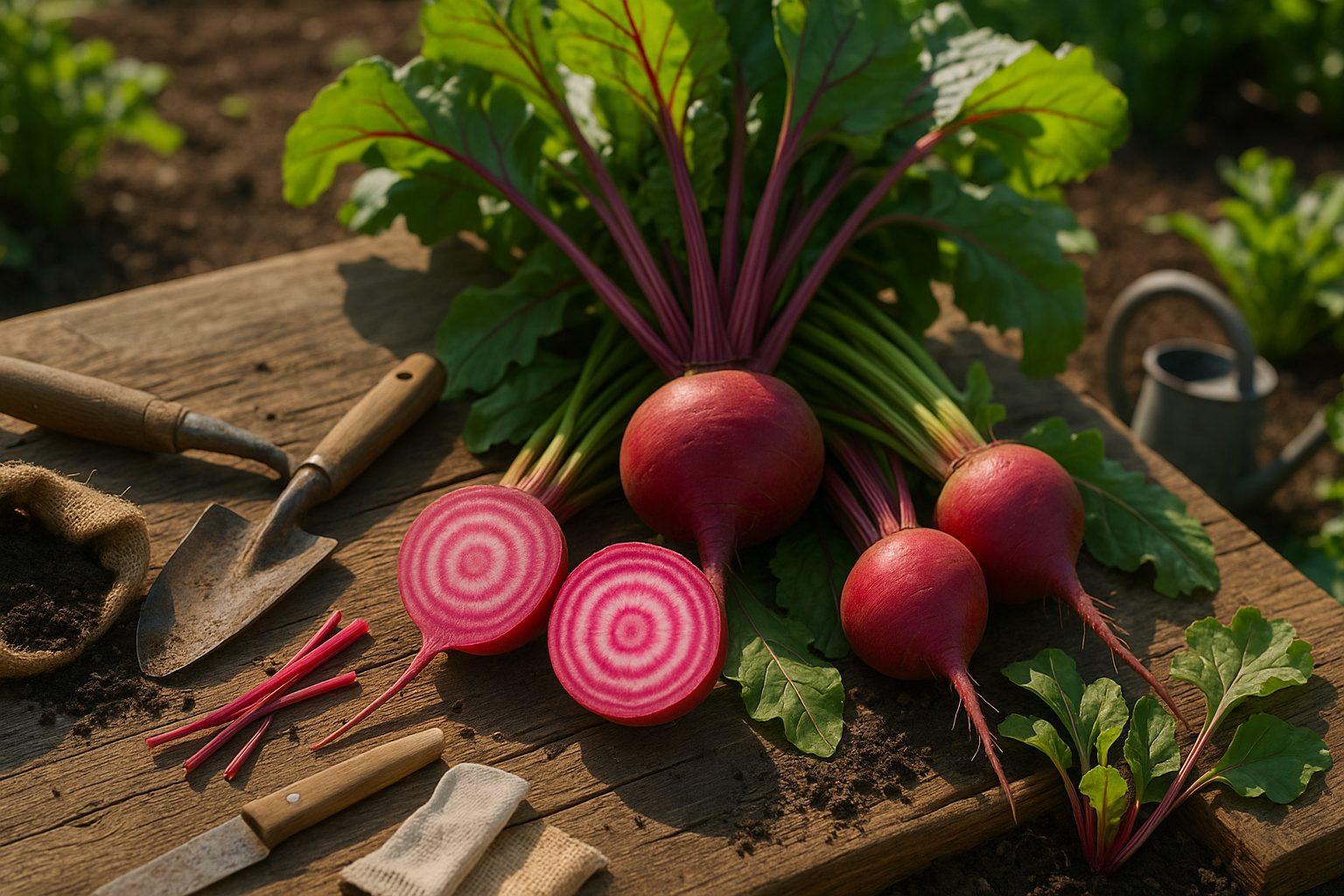
Reliable choices include Early Wonder, known for rapid growth and good heat resistance, and Boltardy, specifically bred for bolt-resistance—a key trait when late winter or early spring temperatures rise unexpectedly. The Italian heirloom Chioggia is popular for its candy-striped roots and relatively quick 55–60 day maturity. Another classic is Detroit Dark Red, prized for robust yields and consistent performance.
If you enjoy golden beets, try Golden Detroit, which adapts well to fluctuating temperatures and offers a mild, sweet flavor. For unusual colors, Cylindra produces elongated roots that handle heat better and are ideal for slicing.
When selecting seeds, look for descriptions like “bolt-resistant” or “suitable for warm climates.” Heirloom varieties provide unique flavor and history but may be less uniform than modern hybrids. Choose heirlooms for diversity and flavor, or hybrids for reliability and vigor. Also, consider root size and shape: round beets mature faster, while cylindrical ones are easier to handle.
Ultimately, Mediterranean gardeners should plant a mix—one reliable hybrid alongside a few colorful heirlooms—for both great taste and season-long production. Always buy fresh seeds from reputable sources to ensure the best germination rates.
Best Planting Times and Techniques for Beets in Mediterranean Climate
For gardeners aiming to grow beets in Mediterranean climates, timing is crucial. These regions typically have mild, wet winters and hot, dry summers, making the ideal sowing period for beets fall, winter, and early spring—generally from late September through March. Planting during this window allows the roots to develop in cooler temperatures, which enhances flavor and helps prevent bolting—a common problem when beets face heat stress. Late fall sowing provides a gentle start, winter planting benefits from natural precipitation and steady moisture, and early spring sowing is effective until temperatures consistently exceed 20°C (68°F). Beyond this, beet growth slows and the roots may become woody or bitter.
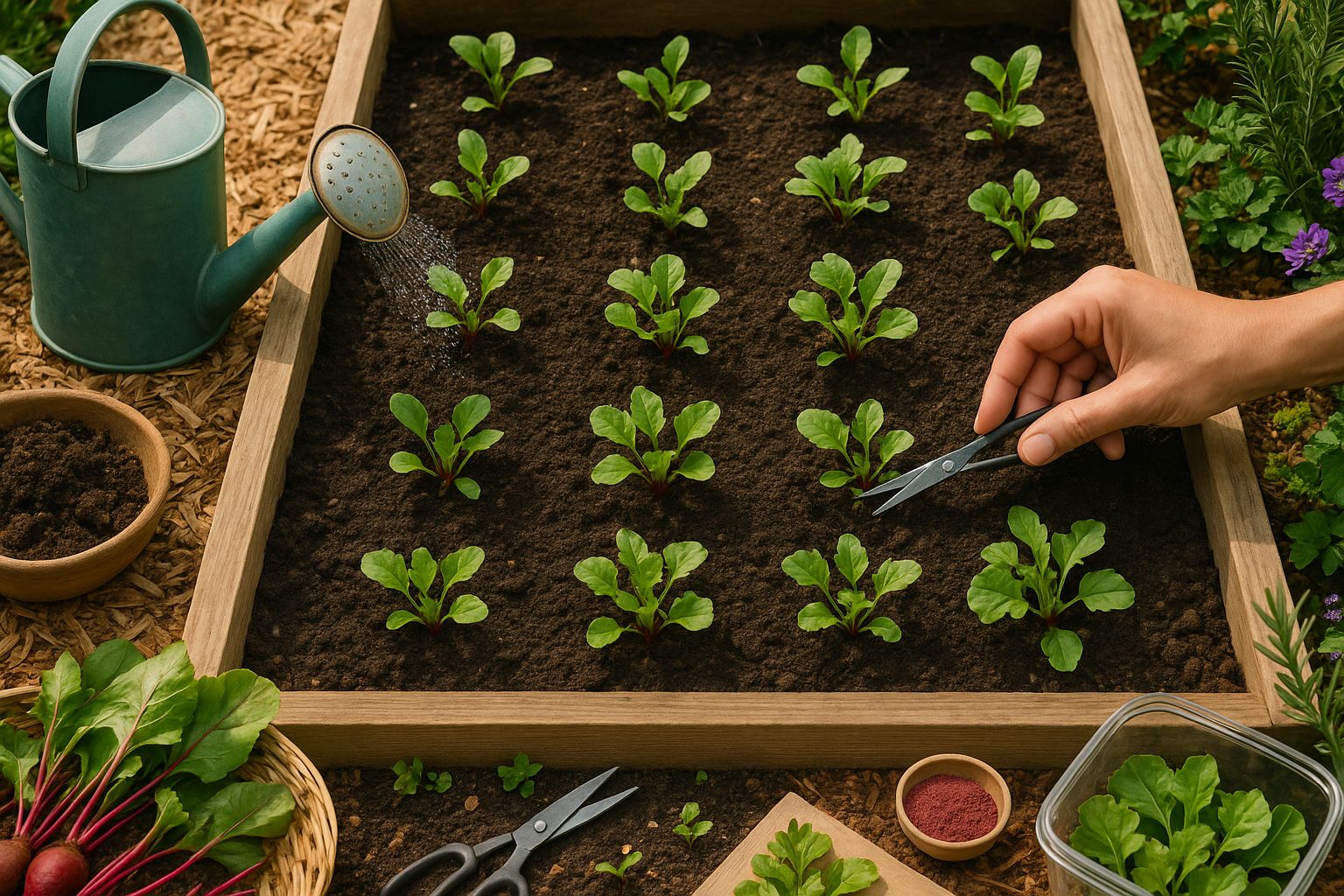
Proper soil preparation is essential for a successful beet crop. Beets prefer loose, well-drained soil rich in organic matter with a neutral to slightly alkaline pH (6.0–7.5). Begin by removing stones and debris, then incorporate well-rotted compost to a depth of at least 30 cm (12 inches) to give roots plenty of room to grow. Avoid high-nitrogen fertilizers, as they favor leafy growth over root development. Sow beet seeds directly in their final location since they don’t transplant well. Plant seeds about 1–2 cm (0.5–1 inch) deep, spaced 3–5 cm (1–2 inches) apart in rows 30 cm (12 inches) apart. Once seedlings emerge, thin them to 8–10 cm (3–4 inches) apart to promote healthy root formation.
To extend your beet harvest, try succession planting. Instead of sowing all seeds at once, plant small batches every two to three weeks throughout the favorable growing period. This method ensures a steady supply of tender, young beets rather than an overwhelming harvest all at once. For example, sow a short row in October, repeat in November, and again in February and March for a staggered, continuous harvest into late spring or early summer. This approach works especially well in Mediterranean climates, where mild winters support ongoing growth and regular picking.
Soil, Watering, and Fertilization Needs for Beets in Mediterranean Climate
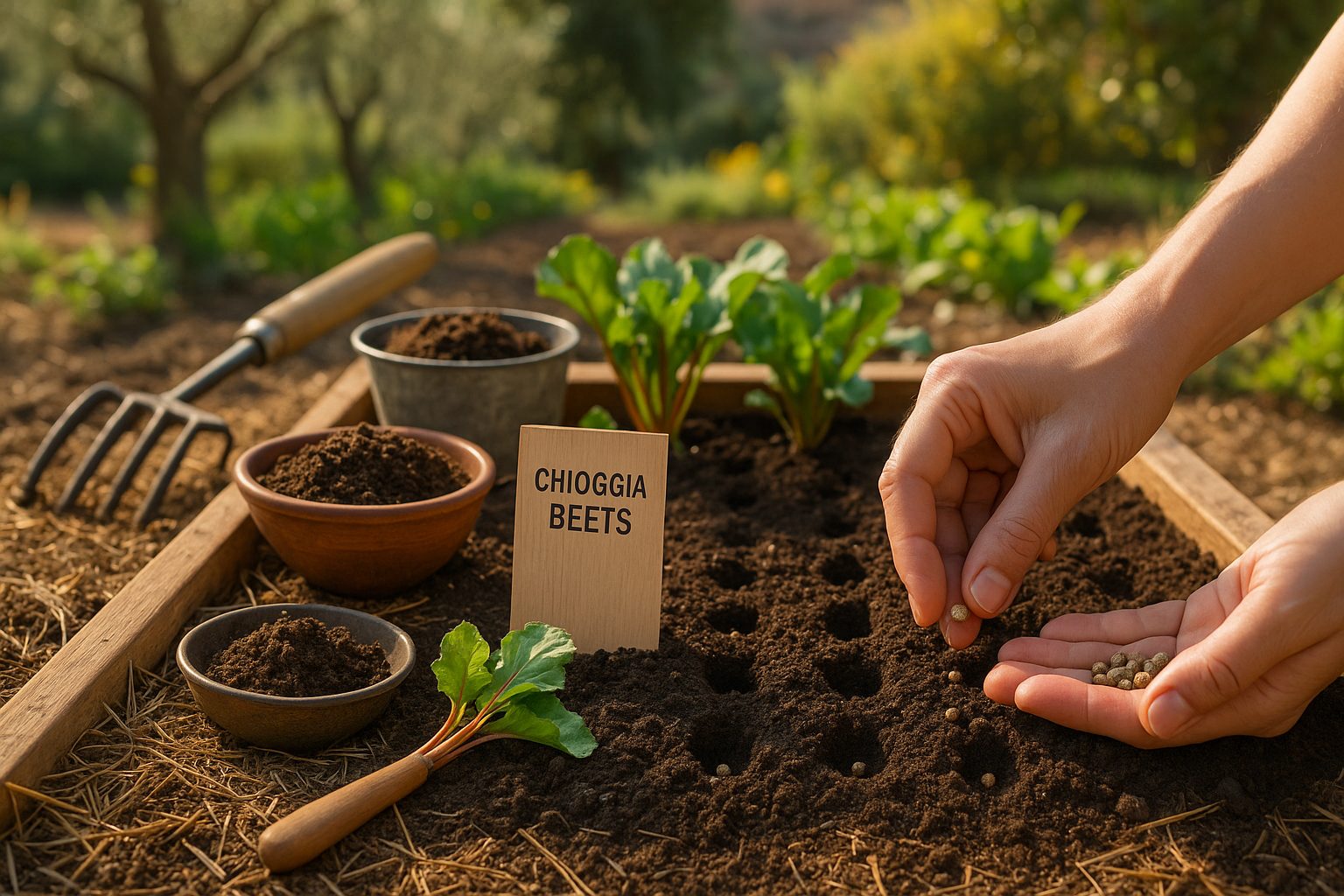
Successfully growing beets in a Mediterranean climate depends largely on soil quality and proper nutrient management, especially since native soils in these regions can be sandy, loamy, or heavy clay—each presenting its own challenges. Beets do best in loose, well-draining, fertile soils with a pH between 6.0 and 7.5. To prepare your garden bed, loosen the soil to a depth of at least 12 inches and remove stones or debris to encourage smooth root development. For clay-heavy soils, amend generously with compost or well-aged manure to improve fertility and soil structure. Sandy soils also benefit greatly from added organic matter, which improves water retention and nutrients that might otherwise leach out. Aim to work in at least 2–3 inches of well-rotted compost or organic material before planting. Mulching with straw or leaves after planting helps stabilize moisture and temperature, which is especially useful in managing the region’s temperature fluctuations.
Watering is crucial when growing beets in Mediterranean climates, particularly during extended dry periods. Beets need consistently moist soil because irregular watering or drought stress can cause bolting (premature flowering) and tough, woody roots. Using drip irrigation or soaker hoses is a smart way to deliver water directly to the roots while conserving moisture. Check soil moisture regularly and water enough to keep the soil evenly moist—a deep soak once or twice a week is usually sufficient, depending on recent rainfall and heat. Avoid daily shallow watering, which encourages shallow root growth and increases vulnerability to heat stress.
When it comes to fertilization, less is often more with beets. Start by mixing plenty of compost or a balanced organic fertilizer into the soil before sowing. During growth, provide a light feeding of a low-nitrogen, balanced fertilizer (such as 5-10-10) midway through the season to support healthy root development without promoting excessive leaf growth. Avoid high-nitrogen fertilizers, as they tend to produce lush tops but underdeveloped roots. Following these tips will help your beets thrive—yielding flavorful, tender roots despite the Mediterranean sun.
Pest and Disease Prevention in Warm Regions
Beets in Mediterranean climate gardens are vulnerable to pests like leaf miners, aphids, and flea beetles, as well as fungal issues such as powdery mildew, downy mildew, and occasional bacterial leaf spots. Warm, dry summers encourage rapid pest multiplication, so early vigilance is essential.
Regularly inspect beet leaves for signs like the squiggly trails of leaf miners and sticky residue from aphids. Removing infected leaves promptly helps minimize spread. Encourage natural predators—ladybugs, lacewings, and predatory wasps all help keep aphid populations under control.
For fungal and bacterial diseases, prioritize watering at soil level and ensure good airflow by avoiding overcrowding. Rotate your beet crops each season, steering clear of areas where chard or spinach were grown previously, since these plants share pests and diseases.
Practice companion planting: beets thrive alongside onions and garlic, which naturally repel aphids, while aromatic herbs like dill and mint deter leaf miners and beetles. Mulch with straw or compost to suppress weeds and retain soil moisture, reducing plant stress and vulnerability to disease.
For persistent problems, insecticidal soap sprays and neem oil are safe, eco-friendly solutions. With a little planning and observation, you can cultivate healthy, resilient beets in Mediterranean climates without relying on harsh chemicals.
Harvesting, Storage & Recipe Ideas for Beets in Mediterranean Climate
Knowing when to harvest beets in Mediterranean climates is key to enjoying tender, flavorful roots. Most beet varieties are ready about 50-70 days after sowing, though the exact timing depends on your growing conditions and the specific variety planted. Look for roots about the size of a golf ball to a tennis ball for classic round beets; larger roots can become woody if left too long in the sun-soaked soil. Red and golden beets often push slightly above the soil surface, showing off their vibrant color—this is a great visual cue that they’re ready to harvest.
For the freshest greens, harvest when beet tops are bright and lush, before the summer heat causes them to toughen. When pulling beets, gently loosen the soil with a fork to avoid bruising or snapping the roots. Then, twist off the tops, leaving about an inch of stem to prevent bleeding during storage.
In warm Mediterranean climates, beets tend to lose moisture quickly, so refrigerate unwashed, trimmed roots in a perforated bag or airtight container to keep them crisp for a week or more. For longer-term storage, beets can be roasted, pickled, or even frozen after blanching.
Don’t overlook the greens—they’re delicious sautéed with garlic, olive oil, and a squeeze of lemon, capturing classic Mediterranean flavors. Try incorporating roasted beet cubes into a Greek salad with feta and olives, whipping up beetroot hummus with tahini and lemon, or layering thin slices in a classic Provençal tian with zucchini and tomatoes. For a refreshing side dish, marinate boiled beet slices with orange segments, olive oil, mint, and cumin. These recipes celebrate your homegrown beets while making the most of the bold, sun-drenched flavors that define Mediterranean cuisine.
Conclusion & Further Resources
Successfully growing beets in Mediterranean climate gardens depends on selecting the right varieties, planting in well-drained soil, watering consistently, and using mulch to retain moisture during hot spells. Be sure to plant beets during the cooler seasons and provide shade when needed to prevent bolting. Since every garden is unique, don’t hesitate to experiment with planting times and techniques to suit your specific microclimate. For more information, explore local resources such as your regional Master Gardener program, the University of California Cooperative Extension, or online guides from The Old Farmer’s Almanac and the Royal Horticultural Society for tailored beet-growing advice.