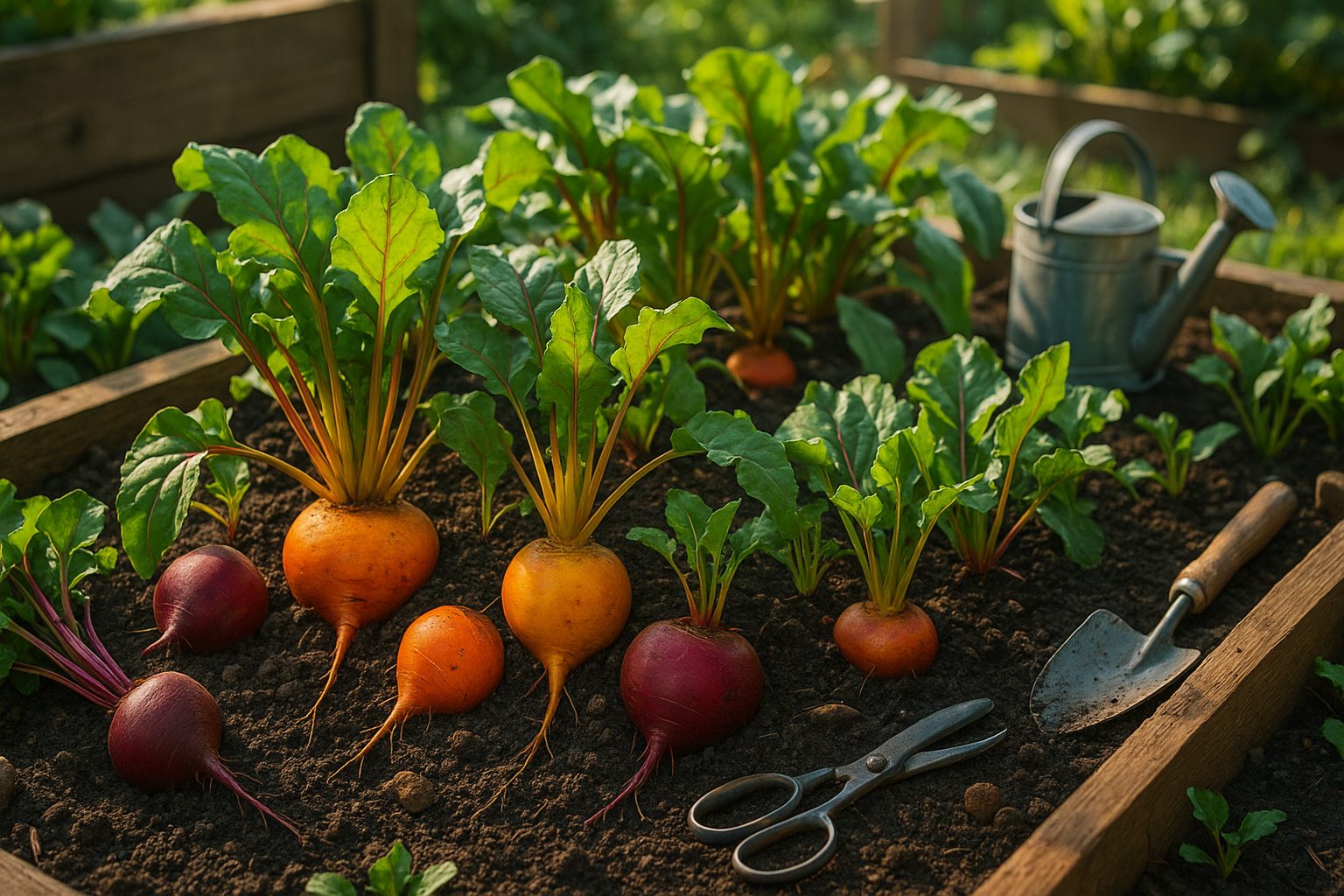
Why Grow Beets?
Beet growing mistakes can be surprisingly common, even though beets are one of the easiest and most rewarding crops for gardeners of all skill levels. If you’re new to gardening or just looking to add a nutritious boost to your meals, beets are an excellent choice. Not only do they provide vibrant, tender roots packed with vitamins, minerals, and antioxidants, but their lush greens are edible too—delicious steamed, sautéed, or tossed in salads. Their culinary versatility means one harvest can inspire everything from earthy roasted beet salads to refreshing smoothies and even homemade pickles.
One of the unique charms of growing beets is the rainbow of colors to choose from. Beyond the familiar deep red, you’ll find golden, white, and even candy-striped varieties that brighten both garden beds and dinner plates. Beets are also known for their rapid growth—those craving quick results can often harvest baby beets just a few weeks after planting. Plus, their ability to thrive in cool weather makes them a staple for spring and fall gardens, giving you more flexibility than many other root crops.
However, enjoying thriving beets starts with knowing how to avoid the most common pitfalls. This guide will walk you through the top beet growing mistakes to avoid, so you can enjoy plump roots and lush greens with minimal fuss. We’ll share real-world tips to help your beets thrive, as well as ideas for enjoying your harvest in the kitchen. Whether you’re looking for a colorful addition to your garden or want a homegrown source of superfood nutrition, learning a few basics will set you up for beet-growing success.
Choosing and Preparing Your Beet Site
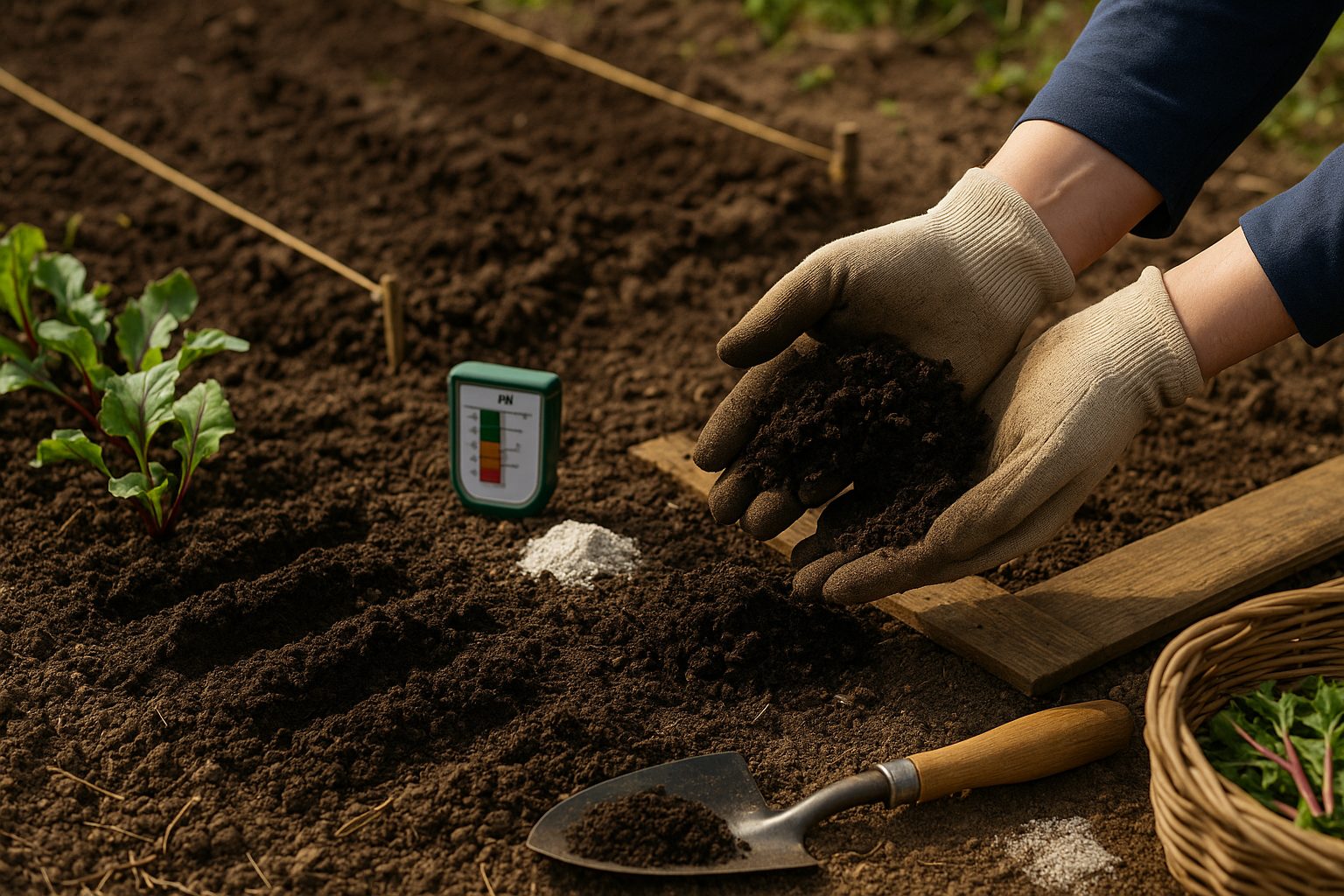
When growing beets, picking the right spot makes all the difference. Aim for an area that gets at least six hours of sunlight a day, since beets thrive in full sun and may struggle with poor root growth in the shade.
Choose well-draining soil to prevent waterlogged roots, which can stunt your crop or cause disease. Good soil for beets is loose and crumbly, with plenty of organic matter like compost or well-rotted manure mixed in; this helps roots expand and develop evenly.
Beets prefer a slightly acidic to neutral pH, ideally between 6.0 and 7.0, so consider testing your soil and adding lime or sulfur as needed for balance.
To further improve soil, add a two- to three-inch layer of compost across your beet bed and gently mix it in, but avoid stepping on the prepared area to prevent compaction—using boards or stepping stones can help here.
When laying out your beet patch, provide about two inches between seeds and at least a foot between rows, so each plant gets enough light, air, and nutrients. raised beds are an excellent option for beets if you struggle with heavy clay or poorly draining soil.
Remember, a little attention to site and bed preparation upfront will reward you with a healthier, tastier beet harvest.
Sowing Beet Seeds and Seedling Care
For planting beets, timing is everything—sow seeds outdoors about two to four weeks before your last expected spring frost, when the soil has warmed to at least 50°F (10°C). Beets don’t like their roots disturbed, so direct sowing is preferred. However, if you’re eager to jumpstart the season, try starting seeds in biodegradable pots indoors about 4-6 weeks before transplanting.
Plant seeds a half-inch deep and about an inch apart in rows spaced 12-18 inches, as beet “seeds” are actually clusters that may sprout multiple seedlings. Once the seedlings reach about two inches tall, thin them so they stand three to four inches apart—this prevents overcrowding and allows each beet room to form properly.
Early on, uneven germination is common, often caused by dry or overly cold soil, so keep the soil consistently moist but not soggy and cover it with a thin layer of mulch to lock in moisture and buffer temperature swings.
Watch for leaf miners and flea beetles, which can damage young plants; row covers offer simple protection.
A frequent mistake new gardeners make is planting too deeply or watering with a strong stream that displaces tiny seeds. Instead, water gently and keep an eye on nighttime temperatures—if frost threatens, covering seedlings with garden fabric can prevent stunted growth.
With a little attention to detail in these early stages, you’ll set your beets up for a healthy, abundant harvest.
“`html
Growing Healthy Beets: Watering, Feeding & Common Issues
Beets thrive when their soil is kept evenly moist but never soggy—aim to water deeply once or twice a week, adjusting for rainfall, so the top inch of soil stays damp without forming puddles. Overwatering can cause root rot, while letting the soil dry out unevenly may lead to woody or misshapen roots.
For feeding, beets benefit from a balanced fertilizer rich in phosphorus and potassium for strong root growth, alongside moderate nitrogen for leafy tops. Try applying a slow-release granular fertilizer or compost at planting, then side-dress with more halfway through the season.
Watch for yellowing or browning leaves, which often signal a nutrient deficiency or watering problem. Also keep an eye out for common beet pests like leaf miners or aphids—remove affected leaves promptly and rinse pests off with a strong jet of water.
Deformed roots can result from compacted soil, irregular watering, or overcrowding. To encourage straight root growth, thin seedlings to about 3 inches apart and loosen the soil before planting.
Preventing Common Issues
- Practice crop rotation by not planting beets in the same spot each year.
- Lay down mulch to retain moisture and block weeds.
- Consider companion plants like onions or bush beans to help deter pests naturally.
These steps keep your beet crop healthier, more resilient, and harvest-ready with less frustration all season long.
“`
Harvesting, Storing, and Enjoying Your Beets
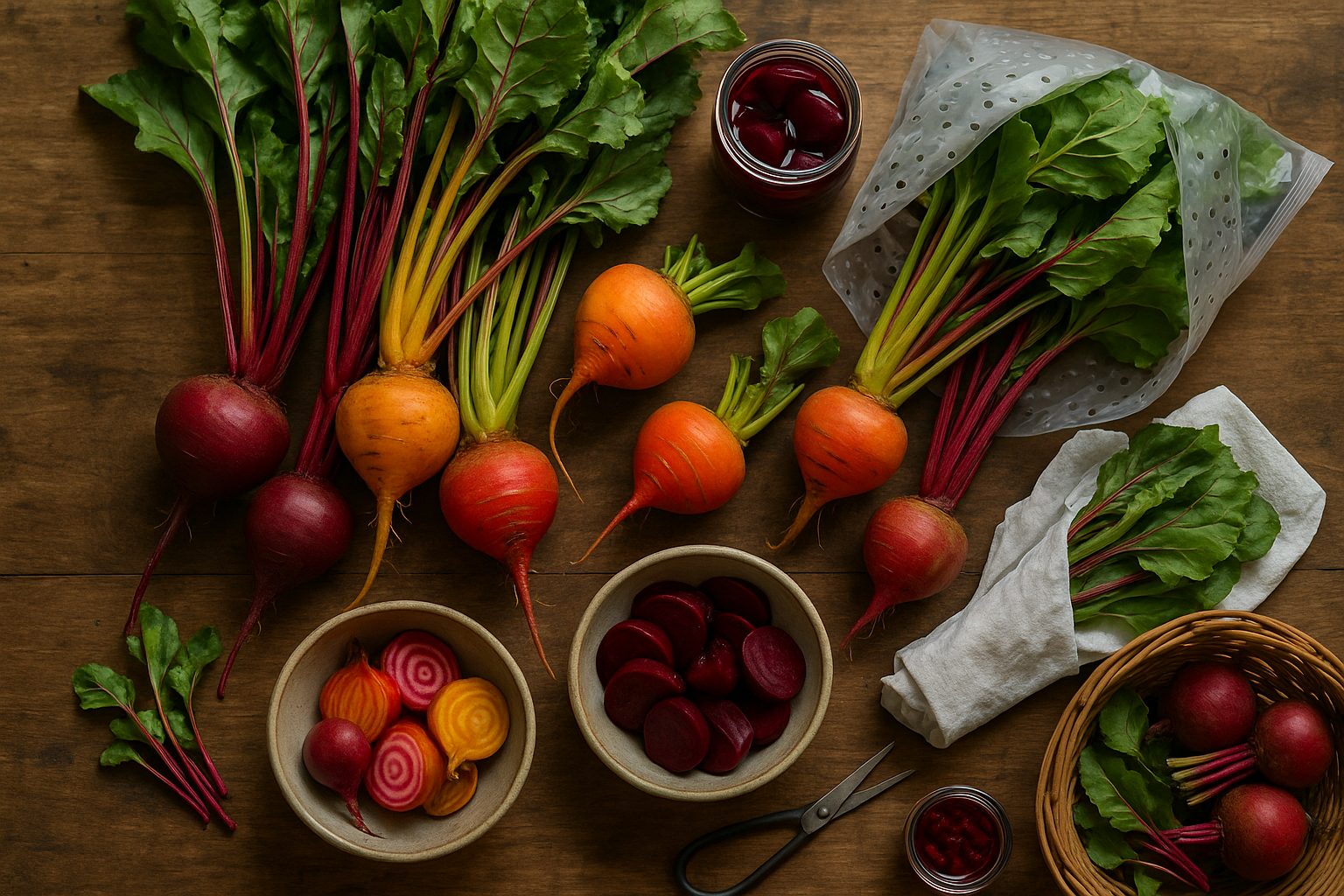
Knowing when to harvest your beets can make all the difference in flavor and texture. Look for roots about the size of a golf or tennis ball—much larger, and they might get woody. Gently loosen the soil and grasp the leafy greens near the base to pull your beets; avoid yanking, as this can break the root.
Don’t overlook the greens—they’re delicious and nutritious. Snip them off, leaving an inch or two of stem on the root to prevent bleeding. Once harvested, rinse off dirt but avoid scrubbing the skin until just before use to keep them fresh longer.
Store roots unwashed in a perforated bag in the fridge’s crisper drawer, where they can last several weeks. Beet greens, washed and wrapped in a damp paper towel inside a plastic bag, stay fresh for about three to five days.
For longer preservation, consider pickling your beets or roasting and freezing them in slices; both methods capture their flavor for months.
In the kitchen, try beets roasted for a caramelized sweetness, boiled or grated raw into salads for crunch, or blended into smoothies for a touch of earthiness. Pickled beets are a tangy treat, and the greens sauté beautifully with garlic and olive oil or tossed into frittatas.
Don’t hesitate to experiment with golden, striped, or other heirloom beet varieties—each offers unique flavor and color. Sharing your growing and cooking trials with fellow gardeners or online communities can spark fresh inspiration and help you get the most out of every beet harvest.