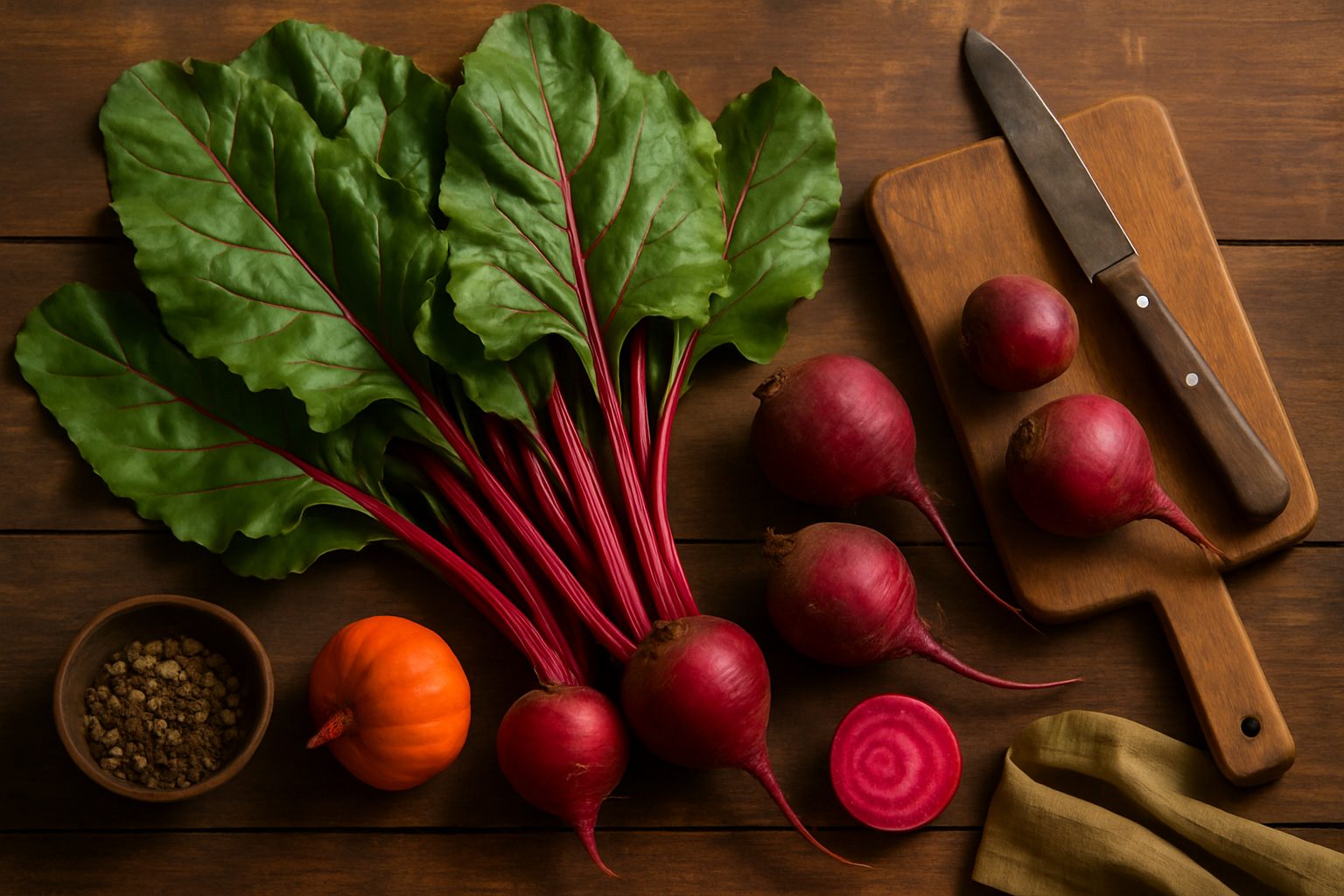
What Are Beet Greens?
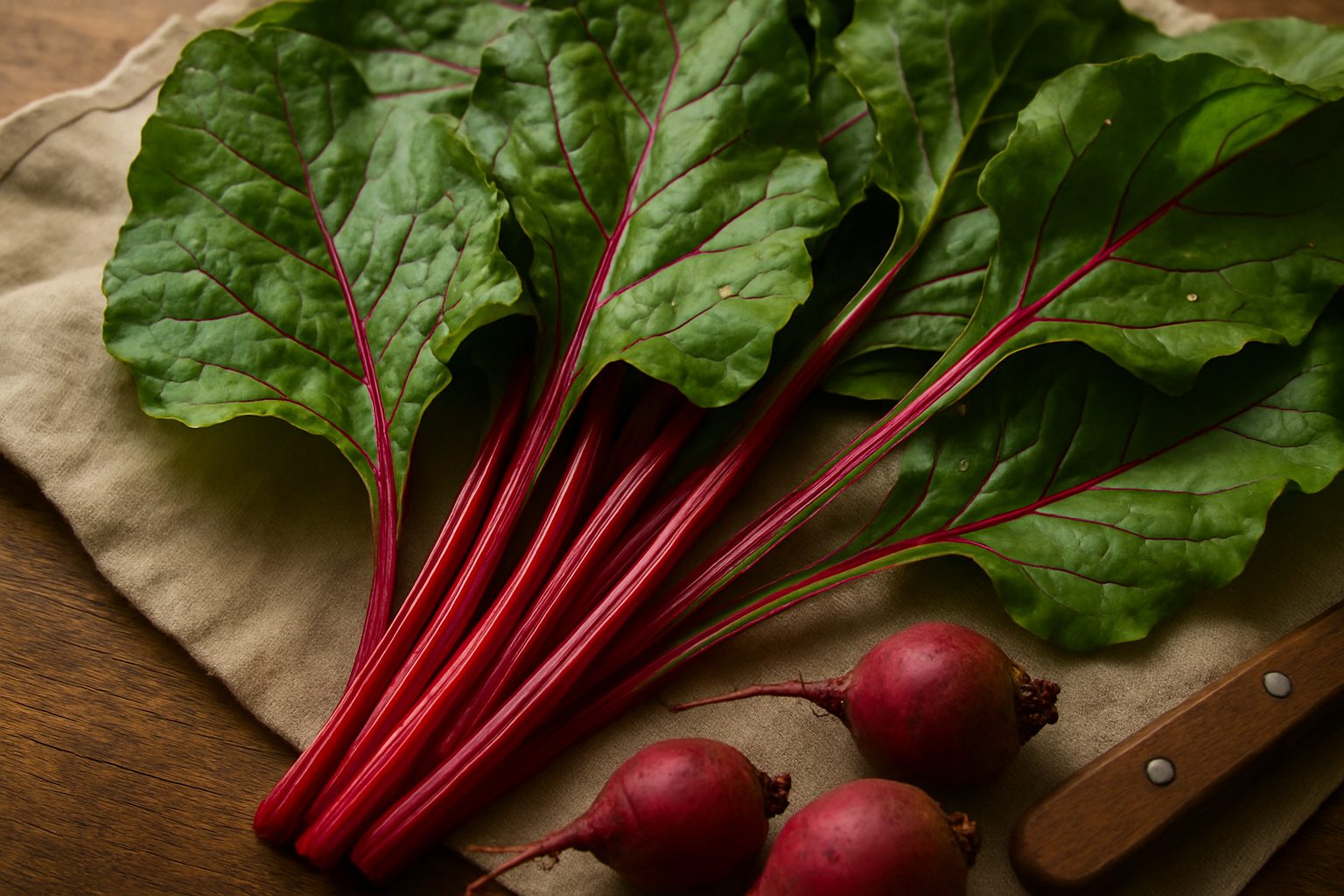
If you’ve ever wondered, “Are beet greens edible?” you’re not alone—many people toss out the leafy tops of beetroot without realizing what they’re missing. Beet greens, the vibrant leaves attached to the common beetroot plant, are not only edible but packed with impressive nutrition. These greens are often overshadowed by the beetroot itself, yet they boast an earthy flavor similar to Swiss chard and can be cooked, sautéed, or even enjoyed raw in salads.
Nutritional Benefits of Beet Greens
Nutritionally, beet greens are a powerhouse. They’re rich in vitamins A, C, and K, which are crucial for healthy vision, immune support, and bone strength. You’ll also find a generous amount of essential minerals, including potassium, magnesium, iron, and calcium—nutrients that help with everything from muscle function to energy levels. The deep green color signals a high presence of antioxidants like beta-carotene and lutein, which help fight inflammation and oxidative stress. Just a serving can contribute significantly to your daily needs for fiber and micronutrients, making them a smart addition to any meal.
Clearing Up Misconceptions
Despite these benefits, there are lingering misconceptions about beet greens’ edibility and safety. Some people worry the greens or stems might be toxic or tough to digest, but that’s not the case. Both the leaves and stems of beet greens are safe to eat and can be cooked in a variety of ways—think stir-fries, soups, or simply sautéed with garlic and olive oil.
Tips for Enjoying Beet Greens
- If you’re new to beet greens, start by using them as you would spinach or kale.
- The only precaution is to wash them thoroughly, as garden greens can harbor dirt and grit.
- Next time you buy beets, keep the greens and discover how delicious and nutritious they can be!
Where to Find and How to Select Beet Greens
Beet greens are surprisingly easy to find and can often be sourced from several places, including local grocery stores, farmers markets, or even your own backyard garden if you grow beets.
At most grocery stores, you’ll typically see beet roots sold in bunches with the leaves still attached—just look for vibrant, perky greens with firm, unblemished stems. Farmers markets are ideal if you want especially fresh and organic options, as local growers usually harvest their greens the same day they’re sold.
For those who love to garden, beet greens can be enjoyed as a delicious bonus to your beet harvest—simply snip the outer leaves as needed, leaving the root to mature.
Selecting Beet Greens
When selecting beet greens, choose bunches with crisp, dark green leaves free from yellowing, wilting, or brown spots. The stems should be firm and brightly colored; floppy or soggy stems are a sign the greens are past their prime.
Preparing and Storing Beet Greens
Once you’ve brought them home, trim off any tough or woody stem ends and discard any leaves that feel slimy.
To wash beet greens, submerge them in a bowl of cold water and gently agitate to loosen dirt and grit—repeat as needed until the water runs clear, then pat dry with a clean towel or use a salad spinner.
If you’re storing them for later use, wrap the washed greens loosely in a damp paper towel and keep them in a breathable produce bag in the fridge. Proper handling keeps beet greens crisp and ready for sautéing, tossing into salads, or blending into smoothies, so you’ll always have a nutritious, versatile green on hand.
Storing Beet Greens for Freshness
To keep beet greens crisp and fresh, start by separating the greens from the beet roots as soon as you bring them home. Leaving them attached draws moisture from the leaves, causing them to wilt quickly. Gently wash the greens under cold water to remove dirt, then dry thoroughly with a salad spinner or by patting with a towel.
Once dry, wrap the leaves loosely in a damp paper towel and place them inside an airtight container or resealable plastic bag, leaving a little air inside. Store this bundle in the vegetable crisper drawer of your refrigerator, ideally away from other ethylene-producing fruits like apples that can speed up spoilage.
If you prefer to keep the greens attached to the beets until use, be sure to wrap the whole bunch in a dry towel and refrigerate in a bag. Use the greens within a couple of days for best results, as they won’t last as long this way. Generally, fresh beet greens last up to five days in the fridge when stored properly—watch for yellowing, slimy patches, or a soggy feel, which signal the greens are past their prime.
For cooked beet greens, let them cool completely, then transfer to a covered container and refrigerate; they’ll keep for about three days.
Tips for Minimizing Waste and Meal Prep
- Chop and sauté extra beet greens ahead of time to easily add them to omelets, grain bowls, soups, or pasta dishes throughout the week.
- If you have more greens than you can use, consider blanching and freezing them in small portions. This way, you can use them later in smoothies, stews, or casseroles.
By storing and preparing beet greens properly, you’ll reduce waste and always have nutrient-packed greens ready to go.
How to Cook Beet Greens
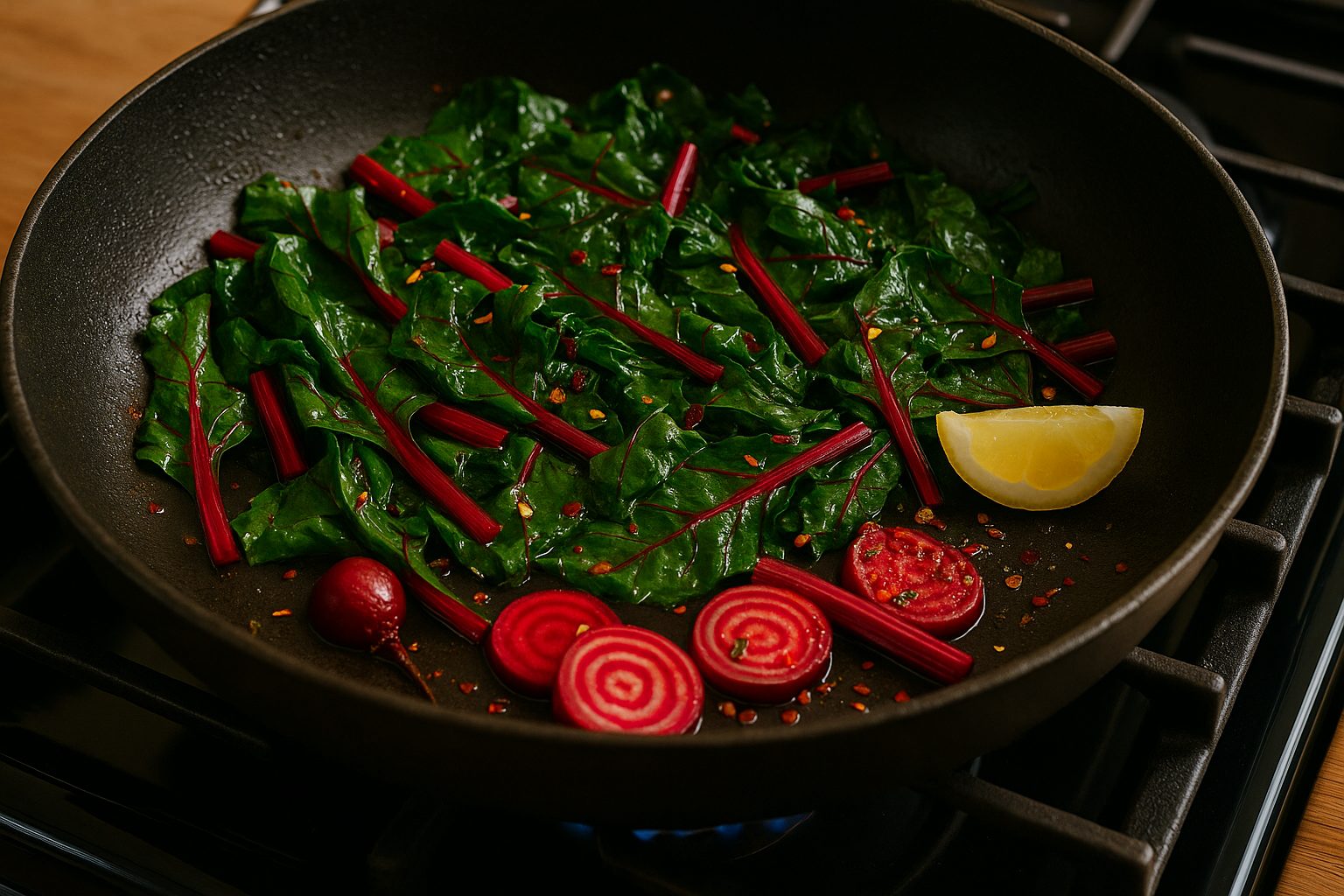
Beet greens are incredibly versatile and can be cooked in a variety of ways to add flavor and nutrients to your meals. To start, rinse the greens and separate the leaves from the thicker stems, as stems take longer to cook.
For sautéing, chop both leaves and stems into bite-size pieces. Heat a bit of olive oil in a large skillet over medium heat, add the chopped stems first, and cook for about 2-3 minutes until they begin to soften. Next, toss in the leaves with a sprinkle of salt, minced garlic, and a twist of black pepper. Sauté everything together for another 2-3 minutes until the leaves wilt, then finish with a squeeze of lemon juice for brightness.
Steaming is another healthy option—simply place washed leaves and stems in a steamer basket and steam for 3-5 minutes, or until tender. If you’re making soup, add beet greens in the last ten minutes of simmering to keep them vibrant and prevent overcooking.
Eating beet greens raw is also delicious—massage chopped leaves with olive oil and lemon for a tender, tangy salad, or toss them into smoothies for added nutrition.
Flavor Pairings and Serving Suggestions
Enhance the flavor by pairing beet greens with toasted nuts like walnuts or pine nuts, crumbled feta cheese, or a sprinkle of chili flakes. Try serving them as a side dish, folded into omelets, mixed with grains like quinoa, or layered in sandwiches.
Beet green stems are heartier than the leaves, so give them a head start in any cooking method; stems typically need 2-3 minutes longer to soften.
Don’t be afraid to experiment—beet greens take well to bold seasonings like balsamic vinegar, mustard, or smoked paprika, making them a tasty and flexible way to reduce kitchen waste and boost your meals.
Creative Recipes and Meal Ideas
Beet greens are one of the most underrated parts of the beet plant, offering both nutrition and versatility in the kitchen. Next time you buy or harvest beets, don’t toss those vibrant leaves!
For a quick and healthy side, try a simple sauté: trim and wash the greens, slice the stems, and cook everything in olive oil with garlic, a pinch of chili flakes, and a squeeze of lemon. They wilt quickly, much like spinach, and pair wonderfully with grilled fish or roasted chicken.
Another standout recipe is a hearty borscht: after peeling and dicing beet roots for the soup base, slice the beet greens and stir them in at the very end of cooking for extra flavor and color.
Or, toss chopped beet greens into a morning frittata with onions and feta, giving your breakfast a boost of fresh greens. In salads, raw beet greens add a peppery bite—mix them with other lettuces, toasted nuts, and goat cheese for a satisfying lunch.
You can even substitute beet greens for kale, chard, or spinach in almost any recipe, from pasta to grain bowls to green smoothies. To make the most of every beet, keep the stems and add them to stir-fries for a pleasing crunch, or blend them into pesto with herbs, garlic, and lemon.
By using both the greens and roots, you not only cut food waste, but you also double the nutrition you get from each bunch—a win for your health, wallet, and the environment.
So next time beets are on your shopping list, see their leafy tops as a fresh ingredient in their own right, ready to inspire easy, delicious meals all week long.
Frequently Asked Questions About Beet Greens
Beet greens, including their tender stalks, are not only safe to eat but also packed with nutrients like vitamin K, iron, and fiber—making them a fantastic addition to your meals. People often ask about the flavor: beet greens have a mild, slightly earthy taste, typically less bitter than kale or collards, while the stalks are tender and subtly sweet when cooked.
For those hesitant about the bitter notes, especially kids or picky eaters, blanching the greens briefly in boiling water before sautéing can help reduce bitterness and soften their texture. Adding a squeeze of lemon juice, a sprinkle of salt, or a handful of sweet corn kernels can also make beet greens more appealing to younger palates.
A good starter serving size for children is a half-cup of cooked beet greens, chopped finely and added to familiar foods like scrambled eggs, quesadillas, or pasta sauce—this helps them blend right in without standing out. Try tossing beet greens into smoothies with banana and apple for a nutrition boost that masks any strong flavors.
If the stems seem tough, slice them thinly and sauté separately before adding the leafy tops so everything cooks evenly and retains a pleasant texture. Lastly, remember that fresher greens tend to be milder and more tender, so use them within a couple of days of purchase or harvest for the best results.
By experimenting with different seasonings, cooking methods, and pairings, you’ll find beet greens can be a surprisingly versatile and family-friendly veggie.
Final Tips for Enjoying Beet Greens
When shopping for beet greens, look for bunches with vibrant, crisp leaves free from yellowing or wilting—the freshness of the greens closely matches beetroot quality, so pick both with care. At home, rinse the leaves thoroughly to remove grit, then trim tough stems before chopping for recipes.
Beet greens add an earthy, tangy note to dishes, much like chard or spinach, so don’t hesitate to toss them raw into salads, sauté with garlic and olive oil, or stir into soups for a nutrient boost. If you’re new to their flavor, try mixing beet greens with milder greens your family already enjoys, gradually increasing the amount as you develop a taste for them.
Don’t be afraid to get creative:
- Blend them into smoothies
- Bake them into frittatas
- Use them as a nutritious pizza topping
Experiment with seasoning—lemon juice, red pepper flakes, and feta cheese can brighten and balance the natural earthiness.
For more inspiration, check out curated recipe lists on trusted cooking websites, or search for “beet greens recipes” on platforms like Epicurious and Food52 to discover new favorites. With a little experimentation, you’ll quickly find easy, delicious ways to make the most of every beet from root to leaf.